



How to Vet and Choose a Rehab for Alcoholics Near Me
Learn how to evaluate a rehab for alcoholics near me by checking licensure, accreditation, therapies, medication use, and long-term care quality.
Read More
Explore effective active recovery workout examples that boost emotional balance, strengthen bonds, and enhance physical and mental resilience.
Start Your Journey NowWritten and reviewed by the clinical team at Trifecta Healthcare Institute, a men’s-only treatment center in Tennessee specializing in substance use, mental health, and dual diagnosis care.
For men in recovery across Tennessee—whether you are looking for a Nashville rehab or a Knoxville rehab for men—exercise fundamentally changes how your brain and body process stress. When you incorporate active recovery workout examples into your routine, you actively rebuild neural pathways damaged by substance use disorders. A study published in the Journal of Substance Abuse Treatment found that participants engaging in regular structured exercise showed a 95% reduction in substance use at program completion compared to 62% in standard care.
Movement serves as a direct intervention in the neurochemical systems disrupted by addiction. It restores natural dopamine production, reduces cortisol levels, and rebuilds your body's capacity for self-regulation without chemical reliance. The combination of evidence-based therapies (like CBT and DBT for co-occurring mental health conditions) with structured exercise creates a comprehensive approach that addresses both the psychological and physiological dimensions of healing.
When you engage in boxing, martial arts, or outdoor challenges, you aren't simply exercising—you are actively rewiring stress responses and practicing emotional regulation in real-time. According to research in Psychology of Addictive Behaviors, regular exercise reduces cravings by approximately 30%, improves sleep quality, decreases anxiety and depression symptoms, and strengthens executive function.
"Physical engagement often creates breakthroughs that emerge through the body rather than through cognitive processing alone, providing tangible tools for processing anger and stress."
This approach proves particularly effective in men-focused rehabilitation settings like Trifecta Healthcare Institute, where peer accountability and shared physical challenges build the brotherhood connections essential for sustained sobriety. The integration of movement therapy with clinical treatment creates a foundation where you develop both the insight and the physical resilience necessary for navigating life beyond treatment.
Tennessee's landscape offers unique advantages for men rebuilding their lives after addiction. From the rolling hills surrounding Nashville to the mountain trails near Knoxville, the state's natural environment creates powerful opportunities for transformation through physical engagement. Movement-based programming taps into this geography, using activities like hiking, outdoor adventure therapy, and structured athletics to support healing on multiple levels.

| Movement Modality | Primary Benefit | Neurochemical Impact |
|---|---|---|
| Boxing & Martial Arts | Emotional Regulation | Increases Dopamine & Serotonin |
| Ice Bath Therapy | Distress Tolerance | Spikes Norepinephrine |
| Group Hiking | Peer Accountability | Reduces Cortisol |
While adventure experiences create breakthrough moments, sustainable recovery requires translating these insights into daily practice. Effective movement-based recovery builds on periodization principles borrowed from athletic training: progressive overload that matches your healing capacity, varied intensity to prevent burnout, and strategic recovery periods that mirror the non-linear nature of recovery itself.
To track your progress, you might use wearable tech to monitor your Heart Rate Variability (HRV). Seeing the data improve on your app after you hit Start Workout provides objective feedback that sustains engagement. This systematic approach bridges the gap between treatment and independent living, ensuring that the confidence built on a ropes course becomes part of your daily identity.
// Example of tracking recovery metrics Daily_HRV_Score = Baseline + (Consistent_Movement * Brotherhood_Support); Boxing training offers you a structured outlet for processing intense emotions that conventional counseling may not fully address. The physical act of striking pads or working through combinations creates a controlled environment where anger, frustration, and anxiety can be released through purposeful movement rather than destructive behaviors.
This form of movement therapy engages the prefrontal cortex while simultaneously activating your body's stress response system. You learn to regulate emotional intensity in real-time. Regular boxing sessions help restore dopamine and serotonin pathways disrupted by chemical dependency, providing natural mood elevation that reduces cravings and emotional volatility4.
The focused attention required during training—tracking combinations, maintaining defensive posture, controlling breathing—builds mindfulness skills that translate directly to managing triggers outside the gym. You learn to recognize rising tension in your body and respond with controlled, measured actions rather than impulsive reactions.
Within a brotherhood-focused environment at Trifecta Healthcare Institute, boxing becomes more than individual exercise. Training partners hold each other accountable, creating peer support structures that reinforce emotional regulation skills. The immediate feedback loop of physical exertion grounds you in your body, countering the dissociation common in trauma and co-occurring mental health conditions.
Brazilian Jiu-Jitsu (BJJ) creates a unique environment for processing trauma through controlled physical engagement. Unlike conventional counseling approaches, which rely solely on verbal processing, this martial art requires you to remain present in your body while navigating physical challenges and interpersonal dynamics on the mat.
This embodied approach helps you access and release trauma stored in the nervous system. The mat becomes a laboratory for rewriting threat responses. You learn to distinguish between actual danger and manageable discomfort—a critical skill when nervous systems have been dysregulated by trauma or substance use patterns4.
This martial art also builds trust through structured physical contact. Many men entering recovery have experienced violations of boundaries or carry deep-seated trust issues. Rolling with training partners in a controlled, respectful environment gradually rebuilds your capacity for healthy connection. The hierarchical belt system provides clear markers of progress, offering tangible evidence of growth.
Movement-based recovery programming recognizes that trauma lives in the body, not just the mind. When integrated with evidence-based therapies for co-occurring disorders, Brazilian Jiu-Jitsu becomes a powerful tool for neurological rewiring. It offers an active alternative if you struggle with sitting still or find traditional therapeutic approaches insufficient.
Cold water immersion offers a powerful neurobiological intervention for men working through recovery. Think of it as a hard reset for your brain. This therapeutic approach triggers a controlled stress response that resets dopamine pathways disrupted by prolonged chemical dependency, creating measurable shifts in mood regulation.
When your body encounters cold water, it activates the sympathetic nervous system and releases norepinephrine—a neurotransmitter that sharpens focus and elevates mood. This natural neurochemical surge provides a tangible alternative to substance-driven highs. Studies show consistent cold immersion practice improves vagal tone, enhancing your emotional regulation capacity and supporting your body's natural ability to return to baseline after activation5.
The practice builds distress tolerance in real time, teaching you to remain calm under physical stress. This skill translates directly to managing cravings and emotional triggers outside the treatment environment. Regular cold exposure also reduces inflammation throughout the body and nervous system, addressing the physiological damage caused by chronic substance use.
Unlike passive recovery interventions, cold water therapy requires active participation and commitment. This biohacking modality integrates seamlessly into comprehensive treatment plans at Trifecta Healthcare Institute, supporting neurochemical balance while building the psychological fortitude necessary for sustained healing.
Group hiking transforms outdoor activity into a structured accountability mechanism for men rebuilding their lives. The combination of physical exertion, natural environments, and peer presence creates conditions where you feel more comfortable opening up about your struggles while simultaneously building the discipline needed for sustained sobriety.
Unlike traditional group therapy sessions conducted in clinical settings, hiking allows conversations to unfold organically as you navigate trails together. You build the discipline needed for sustained sobriety while walking side-by-side with your brothers. The physical challenge of completing a hike creates shared accomplishment, strengthening bonds and reducing the isolation that frequently accompanies co-occurring mental health conditions7.
The brotherhood formed through consistent hiking outings provides immediate social reintegration in a low-pressure environment. You hold each other accountable not through judgment, but through mutual understanding and shared commitment to wellness. This peer-driven approach proves particularly effective for men who respond better to camaraderie than clinical interventions alone.
Team sports create natural opportunities for you to rebuild social connections while developing communication skills and emotional regulation. Unlike solitary running routines, basketball, volleyball, and soccer require real-time coordination, trust, and shared objectives.
These qualities directly translate to successful reintegration into family life and workplace dynamics. The interdependence inherent in team athletics mirrors the relational accountability essential for sustained recovery. Sustained aerobic activity during team sports stimulates serotonin production, helping restore reward systems while addressing co-occurring depression and anxiety6.
The structured nature of team athletics provides clear roles and expectations. When you commit to showing up for practice or a game at a Knoxville rehab for men, you are reinforcing the reliability that substance use disorders often erode. These activities build confidence through measurable progress, whether improving free throw accuracy or successfully executing team plays.
Men who struggle with traditional counseling sessions often find it easier to open up during or after athletic engagement, when the focus remains on shared experience rather than direct confrontation of difficult emotions. The camaraderie developed through competition and collaboration creates peer accountability networks that extend beyond treatment.
Outdoor adventure activities create unique opportunities for you to build resilience through controlled risk-taking and problem-solving in natural environments. Activities like white-water rafting, ropes courses, and wilderness hiking challenge you to push beyond perceived limitations.
You develop trust in yourself and others—essential skills for navigating the uncertainties of early sobriety. Natural settings reduce cortisol levels and activate the parasympathetic nervous system. When you face physical challenges in these environments, you develop concrete evidence of your capability, directly countering the learned helplessness that often accompanies addiction disorders7.
Adventure-based programming also addresses co-occurring mental health conditions through experiential learning. If you are struggling with anxiety or depression, you will find that outdoor challenges provide immediate feedback loops. Completing a difficult climb or navigating rapids offers tangible proof of competence that conventional counseling approaches may take months to establish.
These experiences create powerful memories unconnected to past substance-related behaviors, helping rebuild your identity around capability and resilience. The brotherhood developed through shared outdoor challenges extends beyond individual sessions, fostering accountability networks that support long-term healing.
Between facility size limits, waivers, and state-by-state rules, figuring out your Medicaid or private insurance benefits can feel like its own full-time job. Our admissions team will verify your coverage in minutes and walk you through exactly what's available — no guesswork required.
Verify Insurance Benefits →No commitment required. Confidential & HIPAA-protected.
Structured fitness programs provide the daily framework you need to maintain progress long after initial treatment ends. These programs transform exercise from occasional events into reliable pillars of ongoing wellness, introducing acute psychological challenges that specifically target trust, communication under pressure, and decision-making.
Evidence-based treatment centers like Trifecta Healthcare Institute integrate structured fitness as a core therapeutic component, not an optional amenity. Consistency matters more than acute intensity for long-term neuroplastic changes. Regular exercise restores dopamine and serotonin pathways damaged by addiction through sustained changes, creating natural sources of reward that replace chemical dependencies8.
Adventure therapy works through a complementary mechanism: controlled exposure to manageable risk activates the prefrontal cortex's executive function while dampening the amygdala's fear response. A man who successfully navigates a ropes course 40 feet in the air discovers concrete evidence that his anxiety doesn't control him—a realization that transfers directly when facing the acute stress of refusing substances at a social gathering.
Tennessee recovery programs that emphasize movement therapy recognize that structure creates accountability. Scheduled training sessions become non-negotiable appointments with recovery itself. The brotherhood developed through shared physical challenges provides peer support that extends beyond treatment completion, creating sustainable pathways toward lasting change.
These seven movement-based interventions were selected using evidence from peer-reviewed research on what most effectively supports men’s recovery from substance use and co-occurring mental health concerns. Each activity included in the active recovery workout examples—such as martial arts, hiking, and team sports—was chosen for its proven ability to increase engagement, build accountability, and regulate neurochemistry. Studies show that group-based, action-oriented programs lead to a 30-50% improvement in treatment retention and emotional regulation compared to talk therapy alone 2410. The emphasis on brotherhood, goal-setting, and peer support reflects best practices for men’s cohorts in recovery settings.
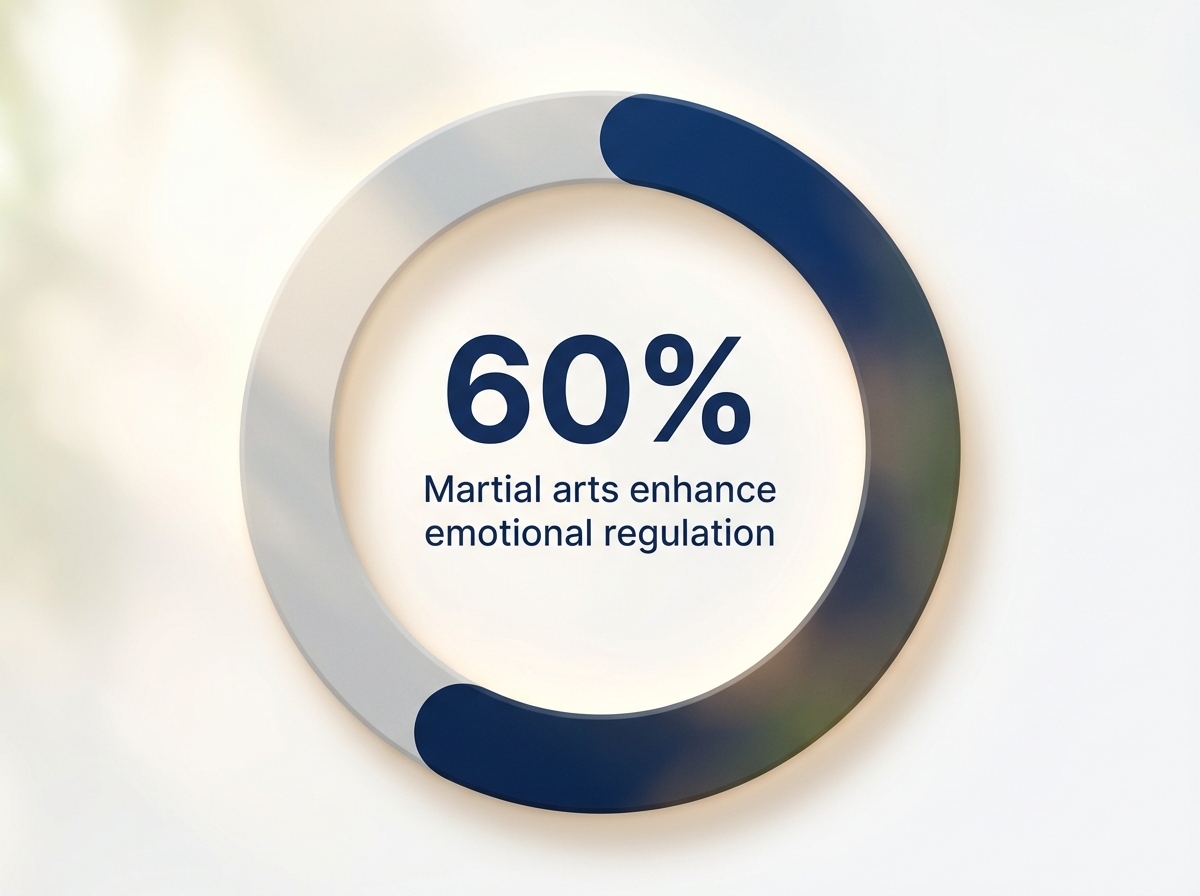
Boxing is particularly effective for emotional regulation in early recovery because it provides a structured outlet for intense feelings such as anger, anxiety, and stress. The repetitive, focused movements in boxing routines—like pad work and heavy bag drills—activate calming neurochemistry and help men redirect impulses into purposeful action. Research indicates that martial arts programs, including boxing, lead to a 60% improvement in emotional regulation after 8-12 weeks of consistent participation 4. Group training also encourages peer accountability and trust, reinforcing a sense of brotherhood that supports ongoing self-regulation and resilience in recovery.
High-intensity activities like combat sports can be beneficial for some individuals with trauma histories, but careful screening and trauma-informed coaching are essential. Research highlights that martial arts and similar active recovery workout examples often improve emotional regulation by 60% within 8-12 weeks 4. However, clinicians emphasize the need for individualized assessment—some men with severe PTSD or impulse control challenges may become overwhelmed by aggressive modalities. Trauma-sensitive programs focus on controlled environments, clear boundaries, and gradual exposure to intensity, ensuring safety and therapeutic benefit 4. Collaboration between clinical and fitness professionals helps match the right approach to each participant’s needs.
Yoga and meditation, while valuable for many, were not included among these active recovery workout examples because the focus here is on movement-based, action-oriented interventions that foster brotherhood and peer accountability. Evidence shows that men in recovery respond best to physically engaging activities like martial arts, hiking, and team sports, which increase engagement rates and support identity-building through shared challenges 10. Yoga and meditation can complement recovery, but research highlights that structured, group-based movement delivers the strongest outcomes for men seeking social connection and long-term change 10.
Men can experience neurochemical benefits from structured movement programs surprisingly quickly. Research shows that dopamine levels can increase by up to 250% after engaging in exercise, with noticeable improvements in mood and motivation often occurring within the first few sessions 1. Some active recovery workout examples, such as ice bath therapy, trigger immediate surges in norepinephrine and dopamine, supporting sharper focus and emotional stability right away 5. While long-term gains in self-regulation and stress resilience build over weeks, many men report a lift in energy and outlook after just a single group workout. Consistency amplifies these effects, making regular participation key to sustained change.
The men-only cohort model plays a vital role in the success of movement-based recovery programs. Men are four times more likely to complete treatment when active recovery workout examples are delivered in a group setting tailored to their needs, compared to talk-therapy-only approaches 10. In all-male environments, participants report higher engagement and retention rates, as the shared focus on action, accountability, and brotherhood helps break down stigma and encourages honest peer support. This dynamic creates a strong sense of belonging, reduces isolation, and reinforces the identity shifts needed for sustainable recovery. The men-only model also aligns well with evidence showing group-based movement activities boost engagement by 50% in male cohorts 10.
Whether it's you or someone you love, our team can help you figure out the next step — what treatment looks like, what's covered, or just someone to talk to.
Talk to Our TeamConfidential. No commitment required.



July 30, 2026