



How to Vet and Choose a Rehab for Alcoholics Near Me
Learn how to evaluate a rehab for alcoholics near me by checking licensure, accreditation, therapies, medication use, and long-term care quality.
Read More
Explore effective men’s mental health support through integrated care, movement therapies, and peer-driven recovery by Trifecta Healthcare Institute.
Start Your Journey NowWritten and reviewed by the clinical team at Trifecta Healthcare Institute, a men’s-only treatment center in Tennessee specializing in substance use, mental health, and dual diagnosis care.
Checklist: Key Differences in Clinical Presentation for Men
Clinical presentation differences between men and women are pronounced, particularly in mood and anxiety disorders, highlighting the critical need for specialized mental health support for men. While women more commonly report feelings of sadness or tearfulness, men frequently display irritability, anger, and risk-taking as primary symptoms. These manifestations can easily be misattributed to personality traits or external stressors rather than underlying mental health conditions.
For instance, depressive episodes in men may present as persistent frustration, unexplained physical aches, or escalating substance use, which complicates diagnosis and delays necessary intervention. Somatic symptoms—such as tension headaches, gastrointestinal issues, and chronic fatigue—are also disproportionately reported by men dealing with underlying psychological distress.1
"Although men and women experience depression and anxiety at similar rates, men are significantly less likely to be identified or seek support, accounting for only 36% of those accessing mental health treatment."1
This pattern contributes to notable underdiagnosis across the behavioral health sector. These differences underscore the necessity of creating treatment environments that recognize and adapt to gender-specific signals and communication styles. Recognizing these distinctions sets the stage for exploring how masculine norms further influence help-seeking behaviors in the next section.
Traditional masculine norms—such as extreme self-reliance, emotional control, and dominance—heavily shape how men perceive and address their mental health needs. These cultural expectations often discourage the open discussion of distress or vulnerability, channeling men toward coping strategies like isolation, substance use, or overwork rather than formal clinical support. This approach works best when safety and trust are not yet established, but relying on it long-term can severely delay connection and lead to treatment avoidance.
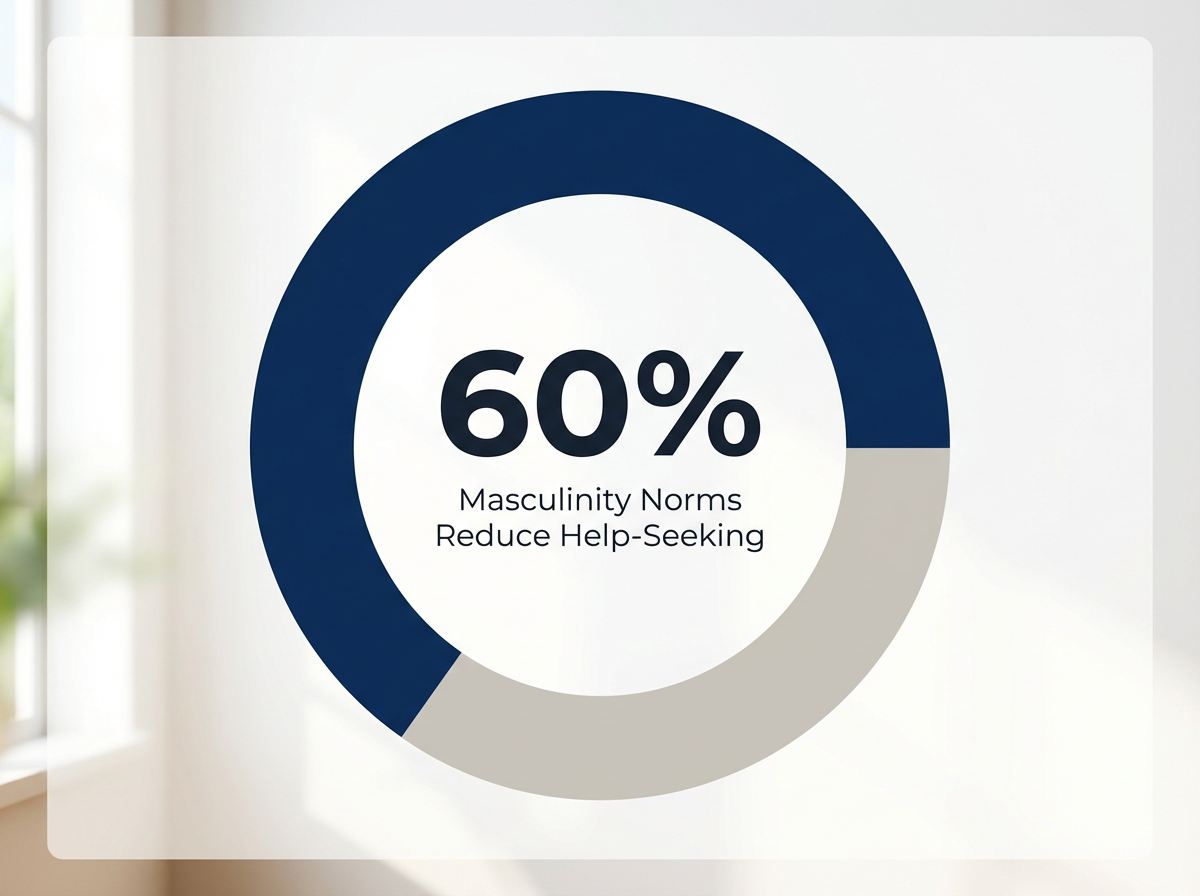
In practice, rigid adherence to masculine norms can reduce the likelihood of seeking help by up to 60% among men. This pattern is consistently linked with higher rates of untreated depression, escalating substance use disorders, and elevated suicide risk. For professionals working with men, understanding these dynamics is essential to creating environments where accountability, action-oriented programming, and brotherhood are normalized pathways to healing.4
Effective care is most impactful when it acknowledges these societal pressures and offers alternative frameworks for connection, such as peer support, movement-based interventions, and trauma-informed care models. Addressing these barriers paves the way for integrated treatment approaches that respond to the complex intersection of trauma and substance use.
The relationship between trauma and substance use disorders (SUD) in men is complex and bidirectional. Research consistently shows that trauma exposure—especially when unresolved—can significantly increase the risk of developing SUD. For example, up to 60% of men entering addiction treatment meet diagnostic criteria for PTSD, compared to approximately 8% in the general population.5
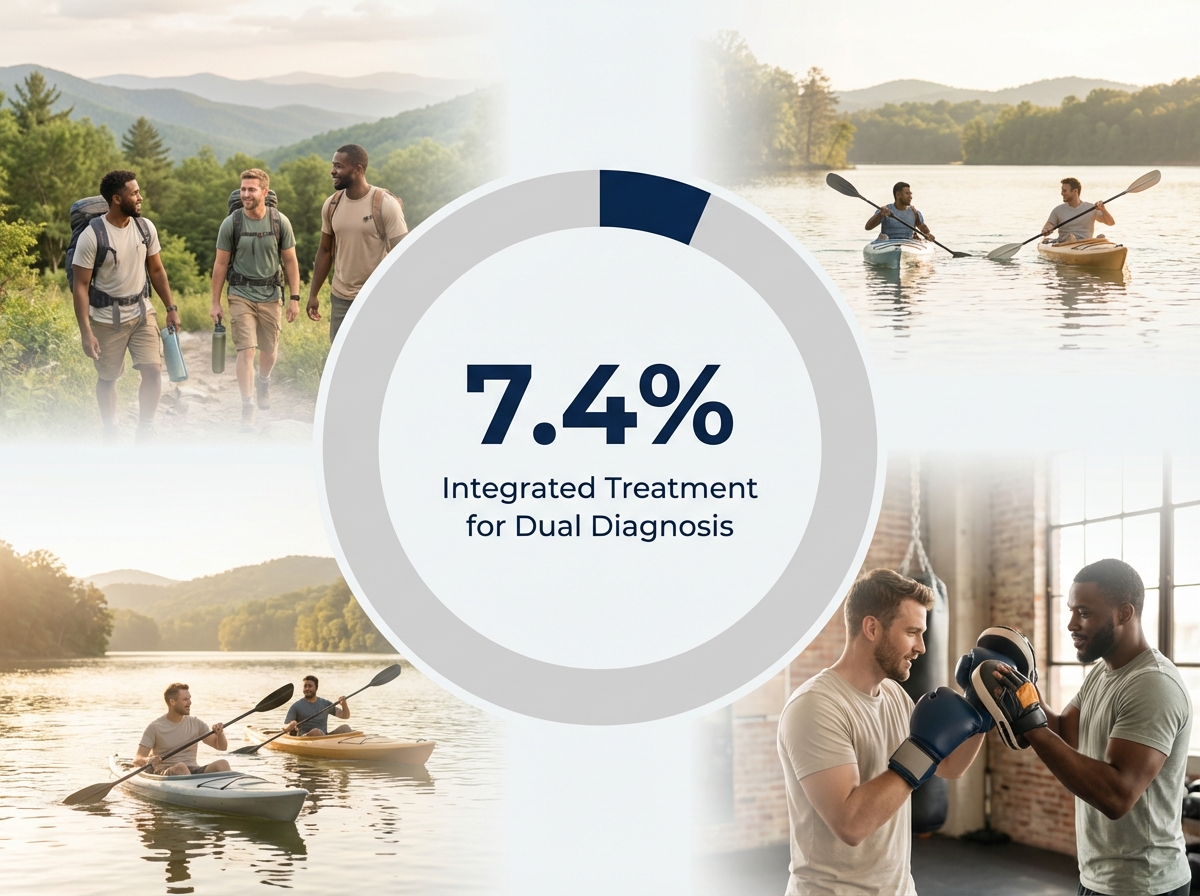
Men often use substances to manage intrusive memories, numb emotional pain, or blunt symptoms of hyperarousal, creating a vicious cycle where trauma and addiction reinforce each other. This strategy suits organizations that recognize the limitations of treating trauma or addiction in isolation. Only 7.4% of adults with both conditions receive integrated treatment, despite evidence that simultaneous, trauma-informed approaches boost recovery rates by 40-60% over sequential or separate care.5
For professionals working with men, understanding the neurobiological and behavioral links between trauma and SUD is central to effective care. It is important to note that facilities like a specialized Nashville rehab focus exclusively on treating these mental health conditions when they co-occur with substance use, rather than offering primary mental healthcare. Integrated models allow for tailored interventions—addressing both trauma and addiction as intertwined challenges, rather than siloed diagnoses. A deeper look at evidence-based integration frameworks clarifies how these principles translate into practice for men seeking lasting change.
Checklist: Core Components of Integrated Care Frameworks
Evidence-based integration frameworks are now considered the gold standard for addressing co-occurring trauma and substance use disorders in men. These models prioritize concurrent treatment—rather than sequential or parallel tracks—so both conditions are tackled together. Opt for this framework when men present with histories of complex trauma, chronic relapse, or unsuccessful single-focus treatment attempts.
A key feature of these frameworks is the trauma-informed lens: all staff are trained to recognize trauma responses and adapt interventions accordingly, which research shows can increase sustained recovery rates by 60-70% compared to non-integrated care. Cross-disciplinary collaboration is central, with medical, psychiatric, and behavioral health professionals coordinating closely to manage both addiction and mental health symptoms. Establishing a cross-disciplinary team typically requires a time investment of 3 to 6 months for protocol alignment, with operational costs increasing by 15-20% to accommodate specialized psychiatric and somatic training.6
Flexible, person-centered planning ensures interventions reflect evolving needs, especially as men’s motivation and symptom patterns shift during recovery. This solution fits programs aiming to deliver robust support for men who require more than traditional talk therapy. Incorporating movement-based and somatic therapies—such as boxing, outdoor activity, or ice baths—addresses the neurobiological effects of trauma and supports engagement for men who may struggle with verbal processing alone. Exploring how these somatic and movement-based interventions operate on a neurochemical level brings further clarity to their role within integrated recovery models.8
Between facility size limits, waivers, and state-by-state rules, figuring out your Medicaid or private insurance benefits can feel like its own full-time job. Our admissions team will verify your coverage in minutes and walk you through exactly what's available — no guesswork required.
Verify Insurance Benefits →No commitment required. Confidential & HIPAA-protected.
Understanding the neurochemical impact of physical activity is essential for professionals supporting men with trauma and substance use histories. Regular movement directly influences neurotransmitters such as dopamine, serotonin, and brain-derived neurotrophic factor (BDNF)—all of which play key roles in regulating mood, motivation, and stress resilience. For men in recovery, exercise routines can produce neurochemical changes comparable to some antidepressant medications, offering a biologically-grounded adjunct to therapy.9
This approach is ideal for individuals who may struggle with verbal processing or have a history of trauma-related dysregulation, as somatic interventions can activate the parasympathetic nervous system and reduce hyperarousal. Integrating biohacking tools like ice baths requires an initial capital investment of $3,000 to $7,000 per facility for commercial-grade equipment, alongside 10 to 15 hours of staff safety training.8
Research shows that men with substance use disorders demonstrate 40-50% higher engagement with movement-based interventions compared to talk-therapy-only models. Prioritize this when designing care plans, especially when traditional approaches have failed to produce sustainable outcomes. Exploring action-oriented programming models reveals how these neurochemical mechanisms are translated into practical recovery frameworks.9
Checklist: Elements of Action-Oriented Recovery Programming
Action-oriented programming models are designed to support men by channeling energy and motivation into practical, embodied tasks. These frameworks combine physical activity with therapeutic intent—using movement as a platform for building trust, mastery, and emotional regulation. For men with co-occurring trauma and substance use disorders, programming that emphasizes team-based challenges, skill acquisition, and real-time feedback increases engagement by up to 45% compared to traditional, talk-therapy-only environments.7
Consider this route if your client population struggles with verbal expression or disengages from introspective sessions. Action-oriented models leverage masculine norms of accountability and healthy competition, transforming them into catalysts for vulnerability and connection within a safe peer group. Key features include structured progression, active goal tracking, and the use of movement as both intervention and metaphor for recovery.
To effectively track engagement in action-oriented programming, clinicians often utilize standardized documentation. For example, when logging a movement therapy session in your electronic health record (EHR) system, you might use a specific syntax:
Ensure your team knows to use keyboard shortcuts like Ctrl + Enter to quickly log these somatic milestones during group sessions. This approach is especially relevant for men in Nashville or Knoxville seeking alternatives to conventional therapy—where the integration of movement and brotherhood can be harnessed to reinforce both individual and collective growth. Understanding how peer support amplifies these effects will provide additional insight into optimizing long-term outcomes for men in recovery.8
Checklist: Social Recovery Capital Assessment for Men
The Social Recovery Capital Framework centers on the resources men draw from their social environment—especially peer support, group accountability, and community connection—to sustain long-term recovery. For men with co-occurring trauma and substance use, social recovery capital includes not only the presence of supportive relationships but also the quality of those connections: authenticity, shared lived experience, and mutual encouragement.
Peer-led models demonstrate a 25-40% increase in sustained recovery rates compared to individually-focused treatment, underscoring the unique power of brotherhood and accountability in reinforcing change. This method works when men are given structured opportunities to build trust, take on leadership, and participate in community rituals that foster belonging.7
In practice, prioritizing social recovery capital transforms isolation into engagement, helping participants internalize new norms of vulnerability and resilience. The next section explores how gender-specific treatment environments further influence these outcomes.
Recent studies demonstrate that men-only treatment environments generate notable clinical advantages for men with co-occurring trauma and substance use disorders. Engagement rates in men-only cohorts are 20-35% higher than in mixed-gender settings, with improved group cohesion and reduced incidents of disruptive behavior. This path makes sense for organizations aiming to foster authentic peer accountability and normalize emotional expression among men—two factors strongly linked to sustained recovery and relapse prevention.10
Men’s treatment groups provide opportunities to challenge restrictive norms in a supportive context, allowing participants to experiment with vulnerability and mutual support in ways that may feel less accessible in co-ed programs. Research also shows that gender-specific environments facilitate the development of new, healthier masculine norms and encourage openness about mental health struggles, which can be critical for long-term recovery.10
For professionals designing care models, these findings suggest that gender-specific programming should be prioritized when building peer-driven, brotherhood-based models. The next section will address frequently asked questions on tailoring integrated care for men.
Creating an effective recovery path requires coordination between evidence-based clinical interventions and movement-based therapeutic programming. Men presenting with co-occurring trauma and substance use disorders benefit from structured treatment that addresses both conditions simultaneously rather than in isolation. This integrated approach forms the foundation of Nashville rehab and Knoxville rehab for men at Trifecta Healthcare Institute.
The clinical framework typically includes trauma-focused modalities like EMDR therapy combined with cognitive behavioral approaches, supported by psychiatric evaluation and medication management when clinically appropriate. It is important to note that Trifecta does not offer primary mental healthcare—only co-occurring mental health treatment alongside SUD support. At Trifecta's Tennessee locations, this evidence-based foundation integrates seamlessly with movement-based programming—boxing, jiu-jitsu, hiking, and other physical activities that help restore neurochemical balance disrupted by prolonged substance use.
For instance, a client processing childhood trauma through EMDR sessions might engage in boxing therapy within the same treatment week, allowing the body to release stored trauma responses that talk therapy alone cannot fully access. This dual-modality approach leverages the neuroscience of trauma recovery: while EMDR reprocesses traumatic memories cognitively, movement-based activities provide somatic release and regulate the autonomic nervous system, creating complementary pathways to healing rather than parallel interventions.
Building this integrated path means establishing clear treatment milestones across the continuum of care, from medical detox through partial hospitalization, intensive outpatient programming, and structured sober living. Each phase maintains therapeutic consistency while gradually increasing independence and real-world application—a progression particularly effective in men-only environments where peer accountability naturally reinforces clinical gains.
The most effective recovery frameworks incorporate Trifecta's brotherhood philosophy throughout treatment. The men-only environment at both Nashville and Knoxville facilities creates natural support networks where participants recovering alongside others with similar experiences develop authentic peer accountability that extends beyond formal programming. This gender-specific approach addresses the distinct ways men process trauma and build trust, allowing vulnerability within a framework of shared commitment to long-term healing.
Movement-based activities further strengthen these bonds—the mutual respect developed through jiu-jitsu training or shared physical challenges during hiking therapy translates directly into treatment engagement and relapse prevention, making the men's rehab model particularly effective for sustained recovery outcomes.
When you or someone you love are ready to begin healing—mind, body, and spirit—connect with Trifecta Healthcare Institute. We help men thrive in and out of treatment.
Choosing between men-only and co-ed treatment environments for integrated care requires evaluating clinical needs, comfort levels, and group dynamics. Men-only settings tend to enhance peer accountability, emotional openness, and engagement—showing 20-35% higher participation and fewer disruptive incidents compared to mixed-gender groups. This approach is ideal for clients who benefit from brotherhood, shared lived experience, and direct discussion of masculine norms. Co-ed environments, on the other hand, may support social reintegration for those ready to practice healthy relationships with all genders. For most men with unresolved trauma or substance use, gender-specific programming better supports mental health support for men.10
Most men begin to experience measurable neurochemical benefits from movement-based interventions—such as increased dopamine, serotonin, and brain-derived neurotrophic factor (BDNF)—within two to four weeks of regular moderate-to-high-intensity physical activity. Early shifts may include improved mood stability, sleep, and energy, while more robust neurochemical rebalancing and craving reduction typically emerge after four to eight weeks of consistent participation. This timeline can vary based on baseline fitness, trauma severity, and frequency of engagement. For mental health support for men, a minimum three- to six-week trial of action-oriented programming is recommended before fully assessing neurobiological impact.8,9
A dual diagnosis assessment should consider the timing, severity, and interplay of substance use and mental health symptoms. Integrated dual diagnosis treatment is generally indicated when both issues are active, chronic, or have failed to respond to single-focus interventions. This path makes sense for men experiencing trauma-related symptoms and substance use that reinforce each other, as research shows integrated care improves outcomes by 40-60% over sequential treatment. Sequential approaches may be considered if one condition is stable or in remission. For mental health support for men, erring toward integration is recommended when diagnostic clarity is difficult or relapse risk remains high.5
Integrated somatic treatment models, which combine talk therapy with movement-based or somatic interventions, often require greater resource investment than traditional talk therapy-only programs. These models typically involve specialized staff training, additional equipment for physical activities, and more interdisciplinary coordination, increasing operational complexity. While talk therapy-only programs rely mainly on licensed counselors and standard session formats, integrated approaches must support group movement sessions, somatic therapies, and trauma-informed care—which can raise staffing and facility costs. However, research suggests that integrated models yield higher engagement and sustained recovery rates, especially for mental health support for men with co-occurring trauma and substance use disorders.5,8
Ensuring safety when implementing high-intensity physical activities for men with trauma histories requires trauma-informed protocols and interdisciplinary oversight. Begin with thorough medical and psychological screening to identify potential risks, including cardiac or injury vulnerabilities. Staff should receive specialized training in trauma response, de-escalation, and monitoring for signs of dissociation or overwhelm during sessions. It is essential to introduce movement gradually, offer opt-out points, and maintain clear communication about boundaries and consent. This method works when programming is flexible enough to adapt activities and intensity for individual readiness. For mental health support for men, integrating safety checks and real-time feedback minimizes adverse events while maximizing therapeutic benefit.8
Clinical markers indicating readiness for transition from individual therapy to peer-based recovery programming include sustained symptom stabilization, demonstrated coping skills under stress, and consistent participation in therapeutic activities. Clients should show improved self-awareness, willingness to engage in group accountability, and the ability to express vulnerability in a safe context. Treatment adherence, diminished acute risk factors, and progress toward personal recovery goals are also key indicators. This path makes sense for men who have built trust with providers and are prepared to benefit from the increased social recovery capital and peer accountability that mental health support for men offers in structured group settings.7
Whether it's you or someone you love, our team can help you figure out the next step — what treatment looks like, what's covered, or just someone to talk to.
Talk to Our TeamConfidential. No commitment required.



July 30, 2026