


How to Vet and Choose a Rehab for Alcoholics Near Me
Learn how to evaluate a rehab for alcoholics near me by checking licensure, accreditation, therapies, medication use, and long-term care quality.
Read More
Learn effective strategies for overcoming substance abuse in men at Trifecta Healthcare Institute with tailored treatment and integrated care.
Start Your Journey NowWritten and reviewed by the clinical team at Trifecta Healthcare Institute, a men’s-only treatment center in Tennessee specializing in substance use, mental health, and dual diagnosis care.
When addressing substance abuse in men, we must recognize that men face distinct challenges that require specialized understanding and treatment approaches. Research consistently shows that men are more likely to use almost all types of illicit drugs and have higher rates of alcohol and drug dependency compared to women. These patterns emerge from a complex interplay of biological, psychological, and social factors that shape how men develop and experience addiction.
Neurobiological differences play a significant role in these patterns. Men typically have higher levels of dopamine receptors in reward-processing areas of the brain, which can intensify the reinforcing effects of substances. Additionally, testosterone influences risk-taking behaviors and impulsivity, contributing to higher rates of experimentation and escalation. These biological factors don't determine outcomes, but they do inform why gender-responsive care matters.
Social conditioning creates additional layers of complexity. Many men learn early to suppress emotions and avoid vulnerability, leading to drug and alcohol use as a coping mechanism for unaddressed pain, trauma, or psychological concerns. The cultural expectation to be self-reliant often delays help-seeking, with men entering treatment at more advanced stages of addiction. Traditional masculine norms can create significant barriers to accessing specialized treatment programs designed specifically around men's needs.
Dual diagnosis conditions frequently accompany addiction in men, with depression, anxiety, and post-traumatic stress disorder being common but often unrecognized. Men are less likely to report emotional distress and more likely to externalize symptoms through anger, irritability, or increased drug and alcohol consumption. Understanding these unique patterns allows treatment programs to address the whole person rather than just the addiction itself. This foundation informs evidence-based treatment approaches, ongoing care strategies, and practical problem-solving that supports sustainable recovery for men.
This section will help you understand the specific reasons that substance abuse in men often looks different—and can be tougher to address—than in other populations. You’ll know you’ve learned the essentials when you can explain how societal expectations, coping styles, and stress responses create unique hurdles for men in seeking and sustaining recovery.
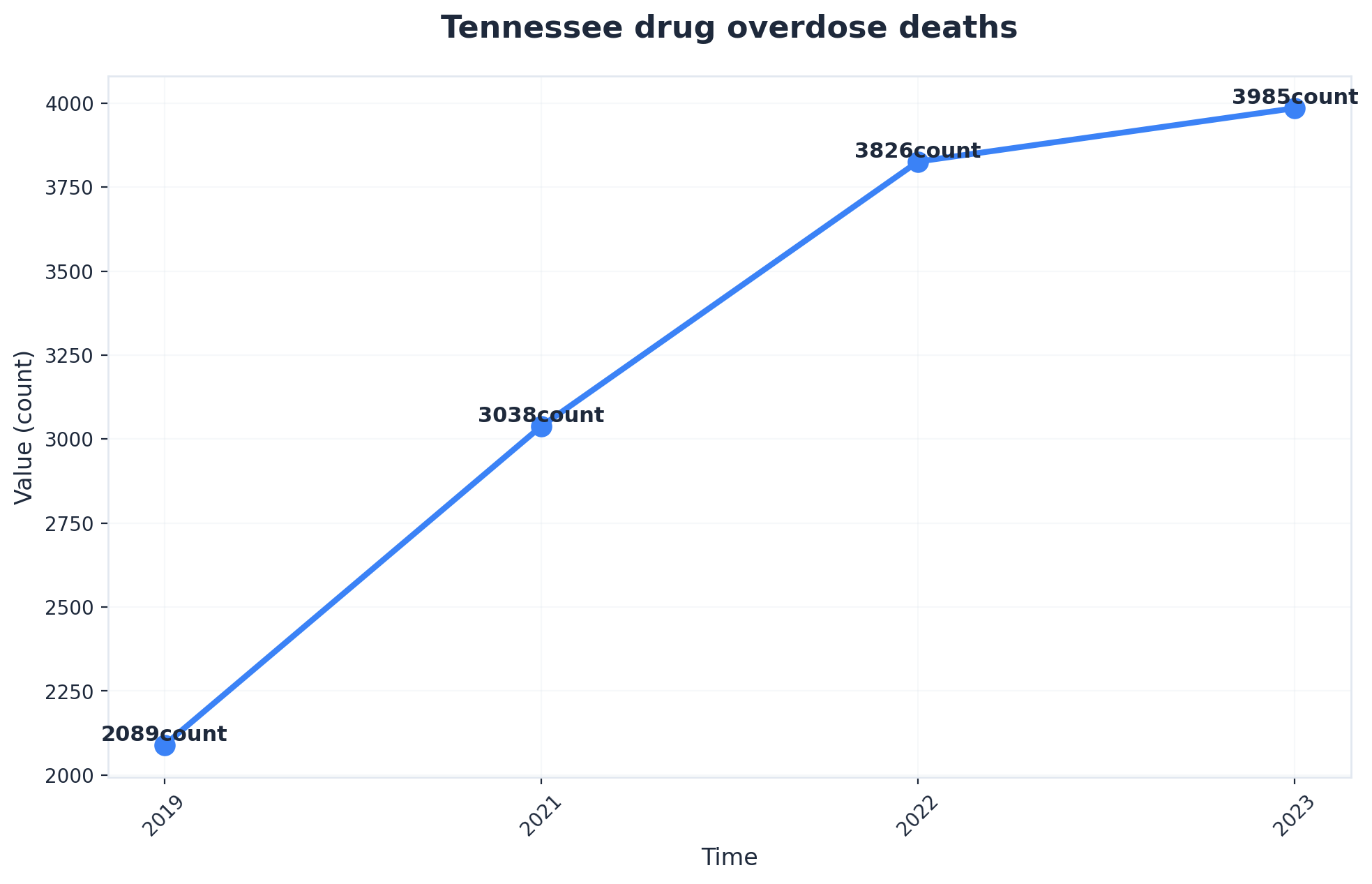
The pressure to appear strong and unemotional can keep men from admitting vulnerability, even when facing significant struggles with addiction. Research shows men are significantly less likely to seek help for substance use or mental health issues, in part because traditional norms encourage self-reliance and discourage open discussion of emotional pain. Behaviors like risk-taking and aggression may serve as coping mechanisms, masking deeper distress that often goes unrecognized and untreated. In Tennessee, the rise in overdose deaths among men underscores the critical need to acknowledge these gender-specific barriers.4,5
Practice This: Reflect on a time when you or someone you know felt pressure to "tough it out" rather than ask for support. Write down two ways this might impact willingness to seek treatment for substance abuse.
Skill Checkpoint: You’re ready for the next sub-section when you can identify one way that masculinity norms might block access to effective addiction treatment.
This section will help you recognize the key epidemiological trends shaping substance abuse in men. You'll know you've mastered this when you can discuss how rates, types, and outcomes of substance use disorders differ between men and other groups.
Men are more likely to develop substance use disorders, with studies showing that 51.9% of men with PTSD also develop a co-occurring SUD—far higher than among those without PTSD. In Tennessee, rising drug overdose deaths among men reflect national patterns, with a 90% increase in statewide overdose fatalities from 2019 to 2023. Alcohol, opioids, and stimulants are most commonly misused, with men often starting at a younger age and progressing more rapidly to severe addiction. These patterns underscore the need for gender-responsive approaches at Nashville rehab centers and Knoxville rehab for men.5,6
Practice This: Create a simple graph plotting Tennessee overdose deaths by year, noting the sharp increase in recent years. You're ready for the next sub-section when you can describe one reason why these trends call for male-specific outreach and intervention.
In this section, you'll explore how masculinity norms act as significant barriers to effective treatment for substance abuse in men. You'll know you've learned the essentials when you can identify at least one way traditional expectations about masculinity can keep men from accessing the care they need.
Rigid beliefs about self-reliance and emotional restraint often discourage men from seeking support for addiction or co-occurring mental health concerns. Many men feel pressure to "tough it out" or avoid discussing feelings, which can delay reaching out for help—even as symptoms worsen. Adherence to these norms is a well-documented hurdle: research highlights that men are significantly less likely to seek treatment for mental health or substance abuse, often out of fear that vulnerability will be seen as weakness.4
This barrier is especially important to address in settings like Knoxville rehab for men, where a brotherhood approach and action-oriented programming can help create a safe space for openness and connection.
Practice This: Write down an example of a message about masculinity you heard growing up, and consider how it might impact willingness to seek addiction treatment. You're ready for the next section when you can explain why specialized outreach and welcoming spaces are key to reducing stigma in men's recovery.
In this section, you’ll discover why trauma and PTSD play such a central role in substance abuse in men, and how these co-occurring issues shape the path to recovery. You’ll know you’ve gained a strong foundation when you can explain the link between traumatic experiences and the development of addiction, and recognize the signs of hidden depression that often accompany both conditions.
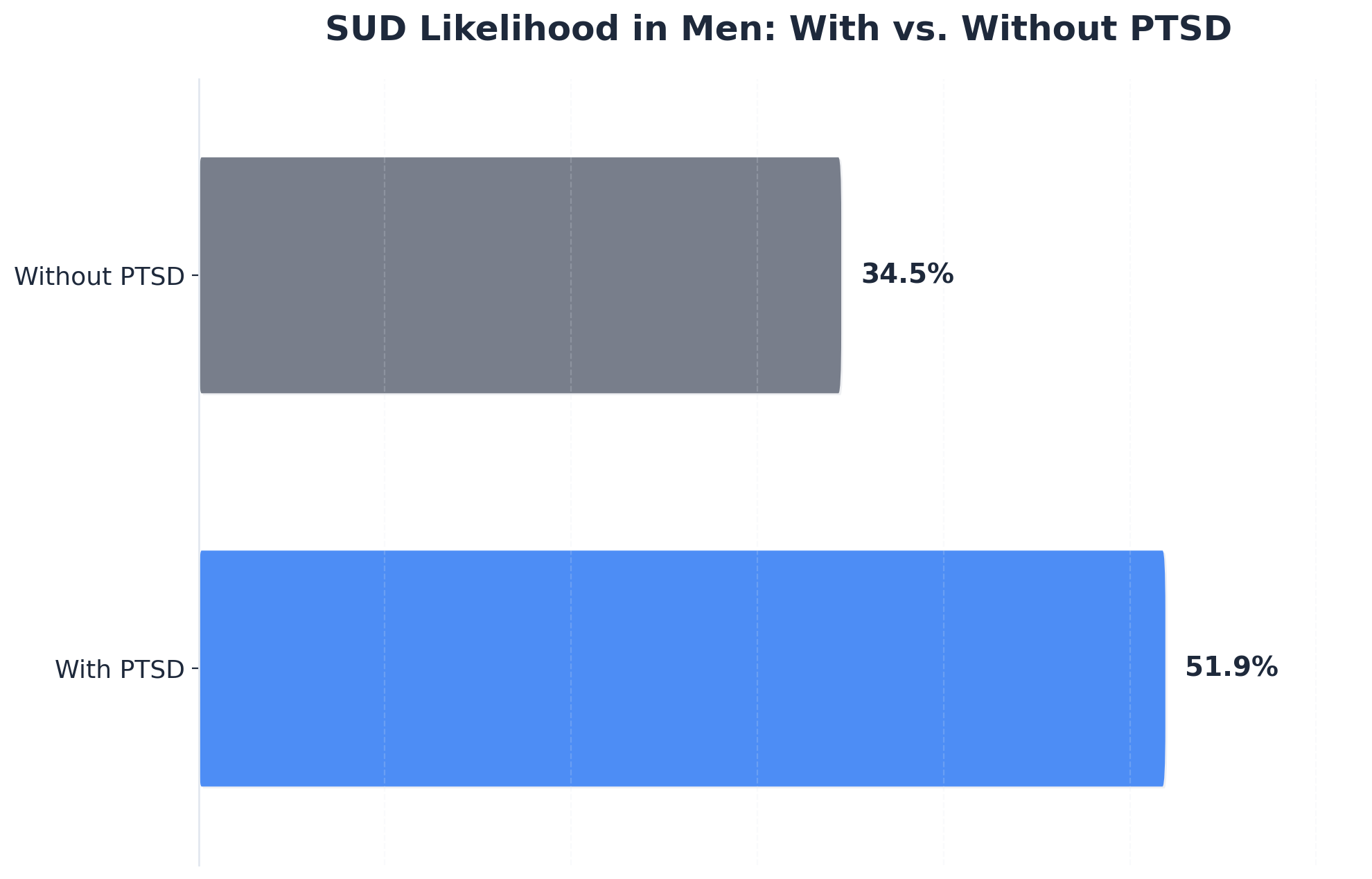
Men are significantly more likely to experience trauma—such as military combat, workplace accidents, or violence—and may turn to substances as a way to cope with distressing memories or ongoing anxiety. Studies show that 51.9% of men with PTSD develop a co-occurring substance use disorder, compared to 34.5% of men without PTSD. Hidden depression, often masked by anger or risk-taking behaviors, can further complicate both diagnosis and recovery.6
At Trifecta Healthcare Institute, movement-based recovery programming is designed to address trauma and co-occurring mental health issues alongside addiction treatment, helping men build resilience in a supportive, brotherhood-focused environment. Note that while we treat co-occurring disorders, Trifecta does not provide primary mental healthcare services.
Practice This: Write down two ways trauma or unaddressed PTSD might influence substance use patterns in men you know. You’re ready for the next section when you can describe why integrated treatment for trauma and addiction is essential for long-term healing.
In this section, you'll learn why the relationship between PTSD and substance use disorder is so strong for men, and how this link shapes the recovery process. You'll know you've grasped it when you can explain why trauma increases vulnerability to addiction and recognize the need for integrated care.
Research reveals that 51.9% of men diagnosed with PTSD develop a co-occurring substance use disorder—a rate significantly higher than men without PTSD.6
This connection reflects how unresolved trauma and anxiety can lead men to use substances in an attempt to manage distressing memories or numb emotional pain. In Tennessee, where trauma-exposed populations are common, this pattern is a key driver behind rising rates of substance abuse in men.
Practice This: Create a Venn diagram illustrating the overlap between PTSD and substance use disorder in men, labeling how symptoms of each may influence the other.
Skill Checkpoint: You’re ready to move forward when you can describe how trauma-focused treatment at a Nashville rehab or Knoxville rehab for men can address both addiction and PTSD symptoms together.
In this section, you'll learn how hidden depression often fuels substance abuse in men and why recognizing it is vital for lasting recovery. You'll know you've mastered this material when you can spot behaviors that might signal underlying depression—even when they don't look like sadness.
Depression in men frequently goes unnoticed because it appears as anger, irritability, or risk-taking instead of typical low mood. These outward behaviors may be misread as personality traits or simply "stress," but research confirms that undetected depression is common among men with substance use disorders. In Tennessee, where overdose deaths continue to climb, unaddressed depression can increase the risk of relapse and complicate co-occurring PTSD and addiction.4
Nashville rehab and Knoxville rehab for men often teach that supporting men to talk about their emotions—especially in brotherhood-based settings—can help reveal and address this hidden pain.
Practice This: List three signs of hidden depression you might see in a friend, colleague, or yourself. Consider how these could impact the journey of recovery from substance misuse. You're ready for the next section when you can explain why integrated, movement-based recovery programming is especially powerful for men whose depression doesn't always look like sadness.
Having examined the distinct patterns of addiction in men, the next critical step involves applying evidence-based treatment approaches specifically designed to address these patterns. Research consistently demonstrates that integrated treatment models—combining behavioral therapies with holistic wellness strategies—produce the most sustainable outcomes for individuals navigating the recovery journey.
Cognitive Behavioral Therapy (CBT) remains one of the most validated approaches for addressing addiction in men, with studies showing success rates of 60-70% when combined with comprehensive treatment programs. CBT helps individuals identify and modify thought patterns that contribute to problematic drinking or drug dependency. When paired with Motivational Interviewing techniques, CBT addresses the ambivalence many experience early in treatment, creating pathways toward lasting behavioral change.
Movement-based therapies represent another evidence-backed intervention particularly effective in male treatment settings, with research indicating that regular physical activity can reduce relapse rates by up to 40%. Physical activity releases endorphins naturally, helps regulate stress hormones, and provides structured routines that support recovery. Programs incorporating regular exercise, outdoor activities, and group fitness create opportunities to rebuild physical health while developing positive coping mechanisms that replace harmful patterns.
The brotherhood model—peer support integrated throughout treatment—has shown remarkable efficacy in recovery outcomes among men. Research indicates that male clients often process emotions and build trust through shared activities and mutual accountability rather than traditional talk therapy alone. This connection develops through activities like group workouts, shared meals, collaborative service projects, and team-based challenges that create natural opportunities for vulnerability and support. This approach acknowledges that connection and belonging serve as powerful protective factors against relapse.
Specialized treatment facilities throughout Tennessee increasingly incorporate these evidence-based approaches within gender-specific programming. Treatment that addresses dual diagnosis conditions—where anxiety, depression, and trauma intersect with addiction—provides comprehensive support that recognizes the complexity of recovery challenges. Effective intermediate practice means selecting treatment programs that combine proven therapeutic modalities with approaches specifically designed for how male clients heal.
In this section, you'll learn how trauma-informed care addresses both substance abuse in men and co-occurring mental health conditions, creating a safer path to lasting recovery. You’ll know you’ve mastered this content when you can describe the core principles of trauma-informed care and explain why integrated approaches are critical for men with dual diagnoses.
Trauma-informed care recognizes that many men who struggle with substance use also carry the weight of unresolved trauma or PTSD. By prioritizing safety, trust, and empowerment, this approach helps men feel understood and supported rather than judged. Studies confirm that combining addiction treatment with trauma-focused therapies results in better long-term outcomes, especially for men who may be reluctant to engage in traditional talk therapy or disclose painful experiences.4
In Tennessee, Nashville rehab and Knoxville rehab for men are increasingly adopting integrated models that address both substance use and underlying trauma together. This is essential, as over half of men with PTSD develop a co-occurring SUD, pointing to the need for coordinated care.6
Practice This: Write a short paragraph explaining how trauma-informed care might feel different to a man seeking help after years of self-reliance or silence about his struggles. You're ready for the next sub-section when you can list two trauma-based therapies commonly used for dual diagnosis in men.
In this section, you’ll learn how EMDR (Eye Movement Desensitization and Reprocessing) and exposure-based therapies help men facing both trauma and substance use disorders. You’ll know you’ve mastered the essentials when you can describe the basics of each approach and understand their value in trauma-informed care for substance abuse in men.
EMDR uses guided eye movements to help individuals reprocess traumatic memories, reducing their emotional intensity and the urge to self-medicate. Exposure-based therapies, such as Prolonged Exposure, allow men to safely revisit distressing memories in a controlled setting, helping to break the cycle of avoidance and substance misuse. Research confirms that trauma-focused therapies—especially those tailored to men’s experiences—can significantly improve outcomes for those with dual diagnoses. In Knoxville rehab for men and Nashville rehab programs, these therapies are often woven into a brotherhood model that encourages action, trust, and resilience.4
Practice This: Write a brief summary of how either EMDR or exposure-based therapy might help a man who feels stuck reliving past trauma while struggling with addiction. You’re ready for the next sub-section when you can list one benefit of using trauma-specific therapies as part of a dual-diagnosis treatment plan.
In this section, you'll discover how integrated treatment—addressing both substance abuse in men and co-occurring mental health conditions at the same time—significantly improves the chances of lasting recovery. You’ll know you’ve learned the essentials when you can explain why combining therapies for addiction, trauma, and mental health leads to stronger outcomes than treating each issue separately.
Studies show that when men receive coordinated care for both substance use and related mental health challenges, relapse rates drop and engagement increases. Integrated treatment is especially effective for those who may be hesitant to engage in traditional therapy alone, as it recognizes the complex interplay between trauma, depression, and substance use. In Tennessee, leading Nashville rehab programs and Knoxville rehab for men now prioritize this whole-person approach, reflecting research that confirms better long-term results compared to single-focus models.4,7
Practice This: Make a list of reasons why a man recovering from both trauma and addiction might benefit from having one unified care team instead of separate providers. You're ready for the next section when you can describe how movement-based recovery programming can further enhance integrated treatment for men.
In this section, you'll discover how movement-based recovery programming offers a powerful, evidence-backed path for men healing from substance abuse. You'll know you've learned the essentials when you can describe why physical activity is uniquely suited to support recovery in men and how it helps address both addiction and mental health challenges.
Movement-based recovery at Trifecta Healthcare Institute—whether through structured exercise, martial arts, or team sports—meets men where they are. These approaches use action and camaraderie to break through resistance, foster trust, and rebuild a sense of purpose. Research increasingly highlights that physical activity can restore healthy dopamine function, boost mood, and improve engagement for those often reluctant to talk about their struggles.7
For men facing substance use and co-occurring trauma, programs like those at Nashville rehab or Knoxville rehab for men combine action, brotherhood, and emotional support in a way that traditional therapies may not. This holistic approach addresses substance abuse in men while nurturing the physical and mental resilience needed for long-term healing.
Practice This: Identify a physical activity—such as running, yoga, or martial arts—that you could integrate into your own or a loved one’s recovery journey. Write down two ways it might support mental wellness and connection.
Skill Checkpoint: You're ready for the next section when you can explain how movement-based recovery can help restore brain chemistry and support emotional regulation in men. Next, you’ll explore the neuroscience behind physical activity and its direct impact on the recovery process for men.
In this section, you'll learn how physical activity directly impacts the brain and supports recovery from substance abuse in men. By the end, you’ll understand how movement-based interventions help restore healthy brain function, regulate emotion, and reduce cravings.
When men engage in regular exercise, it not only strengthens the body but also boosts dopamine activity—a key neurotransmitter disrupted by addiction. Research highlights that physical activity can help restore dopamine sensitivity and support prefrontal cortex function, two areas often affected in those recovering from substance use disorders. These brain changes make it easier to manage stress, decrease impulsivity, and rebuild motivation for healthier habits.7
For men in Nashville rehab or Knoxville rehab for men, movement-based recovery programming offers a practical, action-oriented way to address both addiction and co-occurring mental health symptoms, such as anxiety or depressive behaviors. This approach supports resilience and makes sustained recovery more achievable for those who may be hesitant to engage in traditional therapies.
In this section, you’ll see how boxing and jiu-jitsu offer more than just physical fitness—they become powerful allies in restoring dopamine balance and building resilience during recovery from substance abuse in men. You’ll know you’ve learned the essentials when you can describe how these action-based activities address cravings, boost motivation, and foster brotherhood among men in programs like Nashville rehab and Knoxville rehab for men.
Boxing and jiu-jitsu demand full-body movement, mental focus, and emotional regulation. These martial arts help recalibrate dopamine systems disrupted by addiction, providing natural rewards and a sense of achievement that many men report as missing during early recovery. The camaraderie and structure of group classes create a supportive environment, helping men replace isolation or negative peer influences with a positive sense of belonging. Research shows that action-oriented therapies can improve engagement and outcomes for men who are hesitant to rely on talk therapy alone.7
Practice This: Write a short reflection on how learning a new martial art or engaging in boxing could support your own—or a loved one’s—journey to long-term recovery. Consider how movement, mentorship, and teamwork might help address both addiction and mental health challenges. You’re ready for the next section when you can explain why movement-based activities are especially effective in helping men develop healthy routines and maintain progress in recovery.
Between facility size limits, waivers, and state-by-state rules, figuring out your Medicaid or private insurance benefits can feel like its own full-time job. Our admissions team will verify your coverage in minutes and walk you through exactly what's available — no guesswork required.
Verify Insurance Benefits →No commitment required. Confidential & HIPAA-protected.

Evidence-based approaches work best when they're not confined to a single treatment episode but extended across time. Recovery doesn't end when someone completes a treatment program—it's an ongoing journey that requires sustained support and connection. The continuum of care model recognizes that individuals with addiction benefit from coordinated services that evolve with their changing needs over time. Research demonstrates that individuals engaged in continuum care for 12 months or longer show relapse rates 40-60% lower than those receiving only acute treatment, with the most significant protective effects occurring during the vulnerable first 90 days post-discharge.
Effective continuum of care programming typically includes multiple levels of support:
Each level offers decreasing structure as individuals build confidence and stability, creating a gradual transition rather than an abrupt return to independent living. Movement-based programming serves an important role in extended care by creating natural opportunities for sustained engagement beyond formal therapy. Physical activities provide structure, accountability, and healthy coping mechanisms during the critical transition periods when individuals are most vulnerable to relapse.
Dual diagnosis treatment must remain accessible throughout the continuum. Anxiety, depression, and trauma don't disappear after initial treatment, so ongoing therapeutic support helps individuals manage these conditions alongside their recovery. Specialized programs increasingly offer extended care options that address both addiction and psychiatric needs simultaneously, recognizing that integrated treatment produces better outcomes than addressing issues in isolation. This comprehensive approach transforms recovery from a temporary intervention into a sustainable lifestyle change.
In this section, you'll discover how matching treatment intensity to individual needs creates a stronger, more sustainable path forward for men seeking recovery from substance abuse. You'll know you've mastered this skill when you can explain how different levels of care—from medical detox to intensive Nashville rehab or Knoxville rehab for men—support progress at every stage.
For men, a tailored treatment plan is essential because substance abuse in men often involves complex patterns, co-occurring trauma, and mental health challenges. Programs that offer flexible options, like outpatient detox and movement-based recovery, meet men where they are—whether just beginning the journey or returning after relapse. Research shows that when care is matched to personal needs and adjusted over time, long-term outcomes significantly improve. This approach supports not only addiction recovery but also helps men rebuild confidence and connection in a supportive environment.4,7
Practice This: Outline your own ideal recovery path, considering which levels of care and supports would help you stay engaged at every stage. You’re ready for the next section when you can identify the specific benefits of medical detox and men-only rehab programs in Tennessee.
In this section, you'll learn how outpatient medical detox provides a crucial first step for men beginning the recovery process from substance abuse. You'll know you've mastered this concept when you can explain how flexible, medically supervised detox helps men safely withdraw from substances while continuing their work or family responsibilities in Tennessee.
Medical detox through outpatient programs offers a supportive bridge for men facing substance use challenges, especially when co-occurring mental health symptoms are present. Flexible scheduling and access to professional monitoring reduce the stigma and disruption often associated with inpatient stays. Research shows that men are more likely to engage with treatment when options are tailored to their needs and lifestyles, making outpatient detox a valuable entry point. For those navigating substance abuse in men, these programs ensure safety, comfort, and connection to ongoing care in Nashville and Knoxville, all while supporting long-term healing.4,7
Practice This: Research local outpatient detox options in your area and list two benefits they offer for men balancing recovery with work or family. You're ready for the next section when you can describe how specialized rehab programs for men in Tennessee continue the recovery journey after detox.
In this section, you’ll learn how specialized Nashville rehab and Knoxville rehab for men provide a vital next step after detox, using a brotherhood approach and movement-based recovery to support long-term healing. You’ll know you’ve mastered this material when you can describe how these programs tailor care to the unique patterns of substance abuse in men and foster a sense of connection that builds resilience.
Rehab centers designed specifically for men address the complex interplay of trauma, masculine norms, and co-occurring mental health needs. Research confirms that men benefit most from environments that blend evidence-based therapies, peer support, and physical activity, as these reduce stigma and boost engagement. At Trifecta Healthcare Institute, the focus on camaraderie, action, and trauma-informed care helps men stay involved in their recovery and maintain progress through each stage. In Tennessee, demand for men-only residential and outpatient programs continues to rise, reflecting the state’s urgent need for targeted solutions to substance abuse in men.5,7
Practice This: List two features of a men-only rehab program—such as movement-based therapies or peer accountability—that you believe would help you or someone you know stay motivated in recovery. You’re ready for the next section when you can explain how brotherhood-based peer support models keep men connected and committed long after formal treatment ends.
In this section, you’ll learn how brotherhood-based peer support models create a powerful framework for sustaining recovery from substance abuse in men. You’ll know you’ve grasped the essentials when you can describe how camaraderie, accountability, and shared experience foster long-term healing, especially in Nashville rehab and Knoxville rehab for men.
Peer support goes beyond group meetings—it’s about building a true sense of belonging and trust through action-oriented, men-only environments. Research shows that men are more likely to stay engaged and maintain progress when surrounded by peers who understand their journey and hold them accountable. Movement-based recovery and group activities at Trifecta Healthcare Institute strengthen these bonds, helping men replace isolation or negative influences with positive connection and purpose. These brotherhood-focused models are especially effective for addressing both substance abuse in men and co-occurring mental health needs, supporting resilience and reducing the risk of relapse.7
Practice This: Write a brief plan for how you—or a loved one—could stay connected to a supportive group after formal rehab ends. Consider what types of peer activities or check-ins would feel motivating and authentic.
Skill Checkpoint: You’re ready for the next section when you can explain how accountability structures and longer treatment duration (such as 90 days) further strengthen recovery outcomes for men. Next, you’ll explore how accountability and extended treatment duration multiply success rates for men in recovery.
In this section, you’ll learn how accountability structures within men-only programming foster lasting change for those recovering from substance abuse in men. You’ll know you’ve mastered the essentials when you can describe how regular check-ins, peer mentorship, and group commitments drive engagement and help prevent relapse.
Accountability in a brotherhood setting—such as at Trifecta Healthcare Institute—means men support one another through honest feedback, shared goals, and consistent follow-up. Research shows that men are more likely to stay engaged and make progress when they feel a sense of responsibility to their peers, especially in action-based environments like Nashville rehab or Knoxville rehab for men. These accountability systems replace isolation and secrecy with healthy connections and positive peer pressure, supporting recovery from both substance use and co-occurring mental health challenges. Practice-based accountability is a key reason brotherhood-based models are so effective in addressing the unique needs of substance abuse in men.7
You’re ready for the next section when you can explain how treatment duration—such as 90 days—further multiplies the benefits of accountability and peer support.
In this section, you'll learn why 90 days of treatment can nearly double the recovery success rate for men overcoming substance abuse. You'll know you've mastered the essentials when you can explain how extended care supports brain healing, emotional regulation, and deeper connections within brotherhood-based models like those at Trifecta Healthcare Institute.
Research shows that men who remain in treatment for 90 days or longer experience almost twice the recovery rates compared to those who attend shorter programs. This longer duration allows time for movement-based recovery, accountability structures, and peer support to fully take root—helping men break old cycles and build new, healthier routines. In Nashville rehab and Knoxville rehab for men, the 90-day model means more time for co-occurring mental health needs to be addressed alongside substance use, creating a stronger foundation for lasting change. This is especially important as substance abuse in men often involves complex trauma and requires a comprehensive approach to healing.7
Practice This: Imagine what three months of brotherhood-based treatment and physical activity might look like for you or someone you care about. List two benefits of sticking with a 90-day commitment versus a shorter stay. You're ready for the next section when you can describe how troubleshooting common challenges can help men maintain recovery momentum after structured treatment.
Even with the most carefully designed continuum of care, individuals in recovery may encounter obstacles that disrupt their progress. Recognizing and addressing these challenges early can prevent relapse and strengthen sustained outcomes. Rather than simply reacting when problems arise, successful recovery integrates proactive strategies that anticipate common difficulties and build resilience before crises develop.
Motivation and engagement challenges often surface during transitions between treatment phases. A client three months into recovery might find the initial momentum fading as the novelty of treatment wears off and the long-term nature of the journey becomes apparent. When motivation wanes, structured physical activity often reignites commitment by creating tangible milestones that remind individuals of their growing strength and capability. Similarly, feelings of disconnection from the recovery community can emerge gradually—someone who once felt energized by group sessions may begin withdrawing. Proactively increasing participation in peer mentorship opportunities or taking on leadership roles within group activities restores that essential sense of brotherhood and accountability before isolation takes hold.
Psychological and emotional complications require equally attentive approaches. Concurrent psychiatric challenges such as depression, anxiety, or trauma-related difficulties won't resolve through addiction treatment alone—they need targeted therapeutic intervention working in concert with recovery efforts. A veteran six weeks into treatment might notice anxiety symptoms intensifying despite progress with substance use, signaling the need for integrated care that addresses both conditions simultaneously. Quality treatment programs provide this comprehensive support, but individuals must actively communicate when symptoms shift or intensify. Building awareness of one's mental health patterns allows for early intervention rather than waiting until symptoms become overwhelming.
Relational difficulties, particularly within families, frequently emerge as recovery progresses. When trust has been damaged through years of active addiction, a young man might expect immediate reconciliation only to encounter continued skepticism from parents or siblings. Professional family therapy sessions, combined with patience and consistent demonstration of changed behavior, gradually rebuild these critical relationships. Proactively setting realistic expectations about the healing timeline—acknowledging that rebuilding trust may take as long as it took to damage it—helps everyone involved manage frustration and maintain commitment to the process.
Practical barriers such as transportation challenges, financial pressures, or housing instability can also derail recovery progress if left unaddressed. Someone nearing completion of residential treatment might suddenly face uncertainty about where they'll live or how they'll afford ongoing outpatient care. Treatment teams can connect individuals with community resources, adjust programming schedules, or provide referrals to supportive services—but only when they know challenges exist. The key is communicating difficulties before they become crises. Recovery requires problem-solving skills, and asking for help demonstrates strength rather than weakness. Most obstacles have workable solutions when addressed collaboratively with treatment professionals who understand the unique demands of sustained healing.
In this section, you'll learn how to help men move past resistance to talk therapy—a common challenge in recovery from substance abuse in men. You'll know you've succeeded when you can recognize why traditional counseling may feel uncomfortable for some men and describe action-based alternatives that foster genuine engagement.
Many men feel hesitant to open up in therapy due to long-standing beliefs about self-reliance or discomfort expressing emotions in a clinical setting. Research shows that adherence to masculine norms can make men less likely to seek support for addiction or co-occurring mental health symptoms. At Trifecta Healthcare Institute, a warm and supportive environment combines movement-based activities, peer connection, and practical exercises to help break down these barriers. Nashville rehab and Knoxville rehab for men are finding that when traditional talk therapy is paired with action-oriented approaches, men become more willing to participate and share honestly. This is especially important for addressing both addiction and underlying emotional challenges.4
Practice This: List two reasons why talk therapy might feel intimidating to you or someone you know, and brainstorm one action-based alternative that could make the process of recovery more approachable.
Skill Checkpoint: You're ready for the next level when you can explain how activities like group exercise or hands-on workshops can help men with substance use and mental health needs stay engaged in their healing journey.
In this section, you’ll learn how action-oriented alternatives make recovery more accessible for active men who may be hesitant about traditional talk therapy. You’ll know you’ve learned the essentials when you can describe at least two movement-based or hands-on options that help men with substance use issues engage authentically in treatment.
At Trifecta Healthcare Institute, active approaches such as group workouts, martial arts, team challenges, and skill-building workshops are central to the brotherhood model. Research shows that physical activity and peer-driven, practical exercises can break down barriers created by masculinity norms, making it easier for men to participate and remain engaged in their recovery. These alternatives are especially valuable in Nashville rehab and Knoxville rehab for men, where action, camaraderie, and shared achievement foster trust and reduce stigma around seeking help for substance abuse in men.4,7
Practice This: Choose a physical or skill-based activity—like hiking, woodworking, or group fitness—and write a short plan for how you could use it to support your own or a loved one’s recovery journey. You’re ready for the next section when you can explain how biohacking techniques, such as ice baths, can complement movement-based recovery for men.
In this section, you’ll learn how biohacking approaches—like ice baths—can provide active, science-backed support for men overcoming substance abuse. You’ll know you’ve mastered the essentials when you can describe how cold exposure techniques fit into movement-based recovery and support emotional regulation, especially for men who may be hesitant about traditional talk therapy.
Ice baths and similar biohacking methods offer a powerful tool for resetting both body and mind. Cold exposure has been shown to reduce stress, sharpen focus, and help regulate mood by stimulating healthy dopamine activity—an area often disrupted in substance abuse in men. At Trifecta Healthcare Institute, ice baths are woven into the brotherhood model, offering men a shared challenge that builds confidence, camaraderie, and resilience. This practical, action-oriented alternative is particularly helpful for those seeking a Nashville rehab or Knoxville rehab for men, as it complements physical activity and supports men’s unique needs during recovery from substance use and co-occurring mental health challenges.7
Practice This: Try an at-home cold shower or guided ice bath. Write a short reflection on how you felt before, during, and after, and consider how this biohacking tool could support your own or a loved one’s recovery journey. You’re ready for the next section when you can explain how addressing professional and family concerns helps men stay engaged in recovery while balancing work and home life.
In this section, you'll learn how to address the professional and family concerns that often arise during recovery from substance abuse in men. You'll know you've mastered this skill when you can explain how flexible scheduling, confidentiality protections, and family involvement help men stay engaged in their healing journey while balancing work and home life.
Many men in Tennessee worry about missing work, providing for their families, or maintaining privacy when considering rehab or intensive outpatient care. Research shows that integrating flexible treatment models—such as evening Intensive Outpatient Programs (IOP)—and upholding strict confidentiality standards are key to supporting men with career and family responsibilities. Programs at Nashville rehab and Knoxville rehab for men, like those at Trifecta Healthcare Institute, offer movement-based recovery and brotherhood models that respect these realities, allowing men to heal without sacrificing their livelihoods or relationships. These strategies not only help address substance abuse in men but also reduce barriers to seeking help, leading to stronger long-term outcomes.7
Next, you'll explore how flexible IOP options and privacy protections make recovery possible for working men in Tennessee.
In this section, you'll learn how flexible Intensive Outpatient Programs (IOP) empower working men in Tennessee to pursue recovery from substance abuse while maintaining their careers and family roles. You'll know you've mastered this content when you can explain how evening or weekend IOP tracks—offered at Nashville rehab and Knoxville rehab for men—remove barriers for those who need to balance treatment with job and home life.
Flexible IOPs at places like Trifecta Healthcare Institute are designed around the realities of modern men’s schedules, offering structured programming outside of traditional business hours. Research shows that men are more likely to engage with treatment and sustain progress when programs fit their lifestyle, making it easier to address substance abuse in men and co-occurring mental health needs without sacrificing employment or family connection. The brotherhood approach and movement-based recovery activities further support men’s unique needs, ensuring they can access support, camaraderie, and healing at times that work for them.7
Practice This: Outline a weekly schedule that includes your work, family time, and three IOP sessions. Consider how this structure could reduce stress and increase your commitment to recovery. You’re ready for the next section when you can describe how strict confidentiality and privacy protections give men added confidence to seek help.
In this section, you’ll learn how strict confidentiality and privacy protections empower men to seek help for substance abuse in men without fear of negative consequences to their career or family life. You’ll know you’ve mastered this skill when you can describe the core practices that ensure discretion at Nashville rehab and Knoxville rehab for men, and explain how these safeguards encourage engagement in movement-based recovery programs.
Trifecta Healthcare Institute upholds rigorous confidentiality standards, from secure health records to private group settings, creating a safe space for men to address both addiction and co-occurring mental health needs. Research highlights that privacy concerns are a major barrier for men contemplating treatment, especially those in professional roles or high-visibility positions. By ensuring that personal information is protected and only shared with express consent, programs can reduce stigma and support openness. These protections are essential for building trust and encouraging men to fully participate in brotherhood-based and action-oriented recovery, both in Nashville and Knoxville.7
Practice This: Write down two ways you would want your privacy protected if you were entering a rehab program. Consider how these measures might help you—or a loved one—feel safe enough to seek help. You’re ready for the next section when you can discuss how family involvement and support networks further strengthen recovery outcomes for men.
Sustainable recovery extends far beyond the initial decision to seek help. The journey requires comprehensive support systems, evidence-based treatment approaches, and a commitment to ongoing personal growth. Men who engage with specialized programs benefit most when they access services that address the whole person—physical health, emotional well-being, and social connections.
The integration of movement-based programming, brotherhood principles, and dual diagnosis treatment creates a comprehensive framework that addresses addiction's complexity. Physical activity establishes natural pathways for emotional regulation, peer connections provide accountability during vulnerable moments, and integrated mental health care ensures underlying conditions receive proper attention. Together, these elements form a treatment approach that recognizes men's unique needs and strengths.
What makes this approach particularly powerful is how it prepares men not just to stop using substances, but to build lives worth protecting. The coping skills developed through structured physical challenges translate into confidence for facing life's obstacles. The authentic relationships formed in treatment become a support network that extends years beyond program completion. The self-awareness gained through addressing co-occurring conditions provides insight that informs better decision-making across all life domains.
Sustained recovery opens doors that active addiction kept firmly closed. Men rediscover their capacity for genuine connection with family and friends. They reclaim professional ambitions that once seemed impossible. They develop the emotional resilience to navigate stress, disappointment, and uncertainty without returning to destructive patterns. The foundation built during treatment becomes the framework for a fulfilling, purposeful life—one where sobriety isn't merely the absence of substances, but the presence of meaning, growth, and authentic engagement with the world.
Recovery remains an ongoing journey rather than a final destination, but with the right foundation, that journey leads toward possibilities that extend far beyond what most men imagine when they first seek help.
When you or someone you love are ready to begin healing—mind, body, and spirit—connect with Trifecta Healthcare Institute. We help men thrive in and out of treatment.
After exploring common obstacles and practical solutions, many individuals considering treatment still have specific questions about what the recovery process actually looks like. Addressing these concerns directly can reduce uncertainty and support more confident decision-making during this pivotal moment.
If you’re considering a Nashville rehab for men, medical detox may be needed if you experience withdrawal symptoms when stopping alcohol, opioids, or other substances. Common signs include shaking, sweating, anxiety, nausea, or trouble sleeping. Detox is especially important for men with a long history of substance use or co-occurring mental health symptoms, as withdrawal can be both physically and emotionally challenging. Research shows that medically supervised detox helps ensure safety and comfort, making it easier to transition into ongoing care for substance abuse in men. If you’re unsure, reach out to a qualified provider—Trifecta Healthcare Institute and other Tennessee programs can assess your needs and recommend whether detox should be your first step toward recovery.7
Men-only treatment is often more effective than co-ed programs because it addresses the specific challenges and social pressures that shape substance abuse in men. In a dedicated environment like Trifecta Healthcare Institute or a Knoxville rehab for men, participants benefit from a brotherhood approach that builds trust, reduces stigma, and encourages open sharing among peers with similar experiences. Research highlights that many men feel more comfortable discussing sensitive topics—including trauma and mental health—when surrounded by other men, free from external expectations or judgment. Movement-based recovery activities, peer mentorship, and action-oriented group work further support engagement and lasting change. These tailored strategies help address both substance use and co-occurring mental health needs, making men-only programs particularly effective for long-term recovery from addiction.4,7
Yes, you can work while attending an intensive outpatient program (IOP) in Tennessee. Flexible IOPs at Nashville rehab and Knoxville rehab for men—like those at Trifecta Healthcare Institute—are designed to fit the lives of working adults. These programs offer sessions in the evenings or on weekends, making it possible to maintain your job and family responsibilities while addressing substance abuse in men and co-occurring mental health needs. Research confirms that men are more likely to stay engaged and succeed in recovery when treatment is accessible around their existing commitments. This flexibility, combined with movement-based recovery and a brotherhood approach, helps ensure you receive the support you need without sacrificing your career or personal life.7
Yes, Trifecta Healthcare Institute accepts many types of insurance for substance abuse treatment. Their admissions team works directly with you to verify your insurance coverage and help maximize the benefits available for addressing substance abuse in men. This support allows more men in Tennessee to access specialized care, including movement-based recovery and brotherhood-focused programming at Nashville rehab and Knoxville rehab for men. Insurance plans often cover evidence-based services for both addiction and co-occurring mental health concerns, which research shows leads to better long-term outcomes. If you have questions about your specific plan or want guidance on next steps, Trifecta is ready to help you navigate the process in a warm, confidential, and supportive way.7
If you’ve tried traditional therapy for substance abuse in men and didn’t find it effective, you are not alone—and you still have options. Many men struggle to connect with conventional talk therapy due to masculinity norms, discomfort sharing emotions, or a preference for more hands-on approaches. Research shows that action-oriented, movement-based recovery programs and brotherhood models—like those offered at Trifecta Healthcare Institute and leading Nashville rehab or Knoxville rehab for men—can break through these barriers and foster genuine progress. Physical activity, group challenges, and peer support help many men engage with recovery in ways that feel authentic and energizing. If talk therapy hasn’t worked in the past, consider a program that integrates movement, camaraderie, and practical skill-building, as these strategies are proven to support both addiction recovery and co-occurring mental health needs.4,7
Movement-based therapy provides a unique and effective way for men to heal from substance abuse by engaging both the body and mind in recovery. Physical activity, such as exercise, martial arts, or team sports, helps restore healthy dopamine balance in the brain—an area often disrupted by addiction. This kind of therapy also reduces stress, strengthens emotional regulation, and builds confidence, making it a powerful tool for men who may feel hesitant about traditional talk therapy. At Trifecta Healthcare Institute, movement-based recovery is woven into daily programming, allowing men to connect with peers in a supportive, brotherhood-style environment while addressing substance use and co-occurring mental health needs. Research shows that movement-based therapy improves engagement and long-term outcomes for substance abuse in men, particularly when combined with action-oriented peer support and trauma-informed care.7
Men who complete 90 days or more of treatment have nearly double the recovery rate compared to those who attend shorter programs. This extended commitment allows for deeper healing—supporting the brain’s recovery, building emotional resilience, and forging stronger bonds within action-based, brotherhood-centered models like those at Trifecta Healthcare Institute. Research consistently shows that longer treatment duration gives men more time to address both substance abuse in men and co-occurring mental health needs, which is especially important given the complex challenges many face during recovery. Movement-based recovery and peer accountability, cornerstones of Nashville rehab and Knoxville rehab for men, are most effective when allowed to take root over a 90-day period or longer. If you’re considering your options, know that a longer stay can significantly improve your chances for lasting change and a healthier future.7
Yes, Trifecta Healthcare Institute is equipped to treat co-occurring PTSD and substance use disorder together through an integrated, movement-based approach. While Trifecta does not provide primary mental health care, their programs are designed to address both substance abuse in men and co-occurring mental health challenges—such as trauma and PTSD—within the context of addiction recovery. Research shows that over half of men with PTSD develop a co-occurring SUD, making integrated treatment crucial for lasting change. At Trifecta, evidence-based therapies, trauma-informed care, and brotherhood-centered support are combined with action-oriented activities to help men heal both physically and emotionally. This whole-person approach, available at Nashville rehab and Knoxville rehab for men, produces better outcomes than treating each issue separately and is especially effective for men who may struggle with traditional talk therapy alone.4,6,7
Treatment at a Knoxville rehab for men is highly confidential, with strict privacy protections in place from your first contact through every stage of care. Programs like Trifecta Healthcare Institute follow rigorous standards—medical records are securely stored, group therapy is kept private, and no information is shared without your explicit consent. Research highlights that concerns about confidentiality can prevent men from seeking help for substance abuse in men, especially those balancing professional and family responsibilities. By maintaining a safe, discreet environment, Knoxville rehab centers encourage openness and trust, allowing men to fully engage in movement-based recovery and brotherhood support. These privacy measures are essential for creating a space where healing from addiction and co-occurring mental health challenges feels possible.7
After you complete residential treatment at Trifecta Healthcare Institute, your recovery journey continues with a robust network of ongoing support tailored for men. You’ll transition into aftercare services—such as Intensive Outpatient Programs (IOP), alumni brotherhood groups, and movement-based workshops—that help maintain progress and accountability as you return to everyday life. Research shows that sustained connection and peer support significantly improve long-term outcomes for substance abuse in men, especially when paired with action-oriented activities and ongoing mentorship. Trifecta’s team works with you to create a personalized plan, ensuring you have access to resources, community check-ins, and relapse prevention strategies as you build a new, healthier routine. This step-down approach is designed to meet men’s unique needs, supporting both continued healing and reintegration into work, family, and social circles.7
Yes, medication-assisted treatment (MAT) is available for opioid use disorder throughout Tennessee, including at many Nashville rehab and Knoxville rehab for men programs. MAT combines FDA-approved medications—such as buprenorphine or methadone—with counseling and behavioral therapies to support recovery from opioid addiction. This approach is considered the gold standard for treating opioid use disorder and is especially effective for men, as it helps stabilize brain chemistry, reduce cravings, and lower the risk of relapse. Research highlights that integrated care models—those addressing both substance abuse in men and co-occurring mental health needs—yield the best long-term outcomes. If you’re seeking a program that offers MAT alongside movement-based recovery and brotherhood support, providers like Trifecta Healthcare Institute can help you find a personalized path to lasting healing.7
Family involvement is a powerful part of the recovery process for men, especially when addressing substance abuse in men through Tennessee programs like Trifecta Healthcare Institute. Loved ones can participate in family education sessions, attend joint therapy appointments, and join in movement-based activities when appropriate. Research shows that having a supportive family network improves engagement and long-term outcomes—especially when family members learn about co-occurring mental health needs and practice healthy communication skills. At Nashville rehab and Knoxville rehab for men, family support can include structured visits, group workshops, and ongoing check-ins to help rebuild trust and reinforce new routines. Trifecta’s brotherhood model welcomes family involvement as a way to strengthen connections, reduce isolation, and celebrate progress together. If you’re considering treatment, asking about ways your family can stay involved is a great step toward building a lasting foundation for recovery.7
Yes, you are always welcome to return to Trifecta Healthcare Institute if you experience a relapse after treatment. Recovery from substance abuse in men is often a journey with ups and downs, and returning for additional support is a sign of strength, not failure. Many men need several rounds of care to achieve lasting change, especially when co-occurring mental health concerns are present. Trifecta’s movement-based recovery programming and brotherhood approach are designed to help you re-engage quickly, address any new challenges, and continue building on the progress you’ve made. Research shows that flexible, responsive care—like what’s offered at Nashville rehab and Knoxville rehab for men—improves long-term recovery outcomes and reduces shame about asking for help again. If you or a loved one needs to reconnect, the Trifecta team will welcome you back with encouragement and a renewed commitment to your healing.7
A 90-day treatment program is recommended for men because research shows that those who remain in care for at least three months have nearly double the recovery rates of those who attend shorter programs, such as 30 days. This extended timeframe allows men to fully benefit from movement-based recovery, brotherhood-driven peer support, and the gradual development of healthy routines—all crucial for addressing the complex needs of substance abuse in men. Longer stays also give more time to address co-occurring mental health concerns alongside addiction, helping men build stronger emotional regulation and lasting connections with others in Nashville rehab or Knoxville rehab for men. By committing to 90 days, men are better equipped to break old habits, reinforce new skills, and establish a solid foundation for lifelong recovery.7
Whether it's you or someone you love, our team can help you figure out the next step — what treatment looks like, what's covered, or just someone to talk to.
Talk to Our TeamConfidential. No commitment required.



July 30, 2026