



How to Vet and Choose a Rehab for Alcoholics Near Me
Learn how to evaluate a rehab for alcoholics near me by checking licensure, accreditation, therapies, medication use, and long-term care quality.
Read More
Explore how to choose the right Knoxville treatment center by assessing your environment, understanding care options, and maximizing insurance coverage.
Start Your Journey NowWritten and reviewed by the clinical team at Trifecta Healthcare Institute, a men’s-only treatment center in Tennessee specializing in substance use, mental health, and dual diagnosis care.
Men facing addiction often experience unique challenges that require specialized approaches to treatment and recovery. When you walk into a Knoxville treatment center specifically designed for men, you aren't just entering a clinic; you are entering a brotherhood. Research consistently shows that men and women process emotions differently, respond to stress through distinct patterns, and benefit from gender-specific therapeutic environments. Men's recovery programs recognize these differences and create spaces where individuals can address addiction alongside the underlying factors that contribute to dependency.
Traditional masculine socialization often discourages emotional vulnerability and open communication about struggles. This cultural conditioning can make it difficult for men to seek help or fully engage in mixed-gender treatment settings. Gender-specific treatment environments remove these barriers by fostering brotherhood and mutual support among peers who share similar experiences.
"When men recover alongside other men, they often feel more comfortable exploring difficult emotions, trauma, and psychological concerns without fear of judgment."
Beyond emotional work, men often find healing through physical expression. Physical activity and movement play crucial roles in men's recovery journeys. Exercise releases endorphins, reduces stress, and provides healthy outlets for processing emotions. Programs that incorporate fitness, outdoor activities, and structured physical challenges help men rebuild confidence, establish discipline, and develop coping mechanisms that extend far beyond their time in treatment.
Concurrent psychological conditions frequently accompany addiction in men. Depression, anxiety, post-traumatic stress, and unresolved trauma often drive addictive behaviors. Effective men's treatment integrates support for these dual diagnoses alongside addiction recovery, ensuring that individuals address the full scope of their needs. This comprehensive approach recognizes that lasting sobriety requires healing the whole person, not just eliminating chemical dependency.
Ask yourself these three questions:
If you answered "Yes" to at least two, a gender-specific environment may significantly increase your engagement.
This section explores how gender-specific programs—like those offered at a Knoxville treatment center for men—improve outcomes by addressing the realities men face in recovery. You'll learn how these programs break down stigma, create safer spaces for vulnerability, and build connection through peer support. When men experience care tailored to their needs, they're more likely to seek help and engage in the process, as shown by higher retention and satisfaction rates in men-only settings5.
LSI keywords such as "men's addiction treatment in Tennessee" and "male-focused rehab programming" highlight that these approaches counteract barriers tied to masculine norms. Research confirms that brotherhood-based models and male peer accountability help men open up, reduce isolation, and foster sustained progress7.
Masculine norms—like the expectation to be strong, stoic, and self-reliant—can make it harder for men to seek help and open up about their struggles in recovery. These cultural pressures often lead men to hide pain or avoid expressing vulnerability, contributing to higher rates of untreated mental health issues and substance use disorders among men in Tennessee5. In a Knoxville treatment center focused on men, programming addresses these barriers by normalizing emotional expression and creating space for honest conversations.
Brotherhood-centered models are a cornerstone of men's addiction treatment in Tennessee, offering a unique sense of camaraderie and mutual responsibility that traditional mixed-gender settings may lack. In a Knoxville treatment center designed for men, group processes focus on shared experiences and practical accountability—men encourage each other, celebrate milestones, and hold peers to agreed-upon standards. This environment transforms the recovery journey from a solitary struggle into a shared mission, greatly reducing isolation and boosting self-efficacy7.
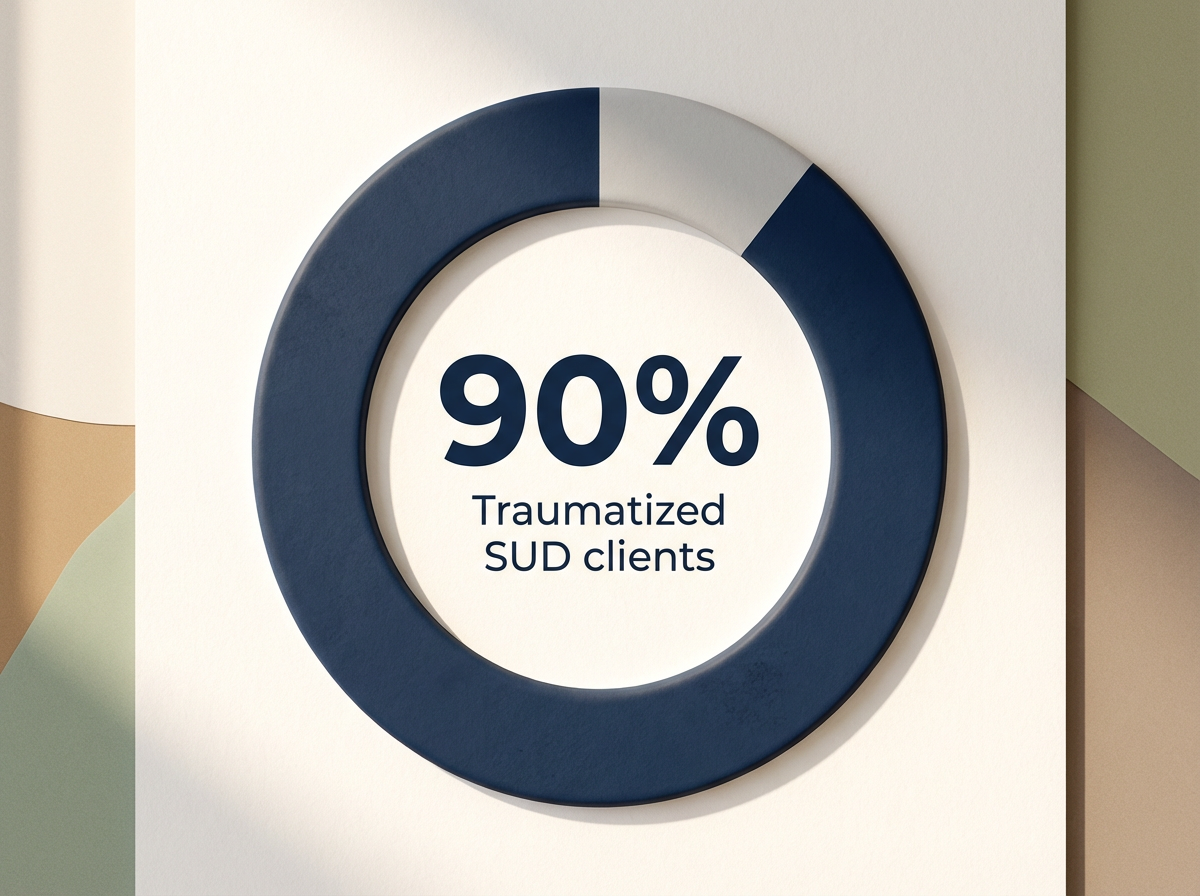
Up to 90% of men entering addiction treatment in Tennessee report significant trauma histories, which can intensify substance use and make recovery more challenging1. When trauma and substance use disorders occur together, untreated trauma often leads to relapse or poor engagement. A men-focused Knoxville rehab program integrates trauma-informed counseling with movement-based therapies—like boxing or jiu-jitsu—to help men process emotions, reduce stress, and build resilience.
Nearly 95% of veterans with substance use disorders recognize a direct link between their PTSD symptoms and substance use, with most reporting that worsening PTSD drives increases in drinking or drug use8. Many first responders experience similar patterns due to repeated exposure to trauma. In Tennessee, specialized men’s addiction treatment programs understand these realities and offer trauma-informed therapies alongside movement-based activities, supporting emotional processing and resilience.
Integrated care means bringing together evidence-based therapies—such as cognitive-behavioral therapy and trauma-focused counseling—with physical activities like boxing or jiu-jitsu. This approach is especially effective for men, who often respond well to action-oriented interventions that help process emotions and reduce stress. Research shows that programs treating both issues simultaneously see higher retention and lower relapse rates1.
Recovery from addiction requires more than good intentions—it demands proven therapeutic approaches that address the complex biological, psychological, and social factors underlying dependency. Research-validated therapies form the foundation of effective treatment programs, offering structured interventions backed by rigorous research and clinical outcomes data.
| Therapy Type | Primary Focus | Best For |
|---|---|---|
| CBT (Cognitive Behavioral Therapy) | Identifying and modifying thought patterns. | Managing triggers and reframing "automatic" negative thoughts. |
| DBT (Dialectical Behavior Therapy) | Emotional regulation and distress tolerance. | Men managing high stress or co-occurring mood disorders. |
| EMDR | Processing traumatic memories via bilateral stimulation. | Veterans, first responders, or men with PTSD histories. |
| Motivational Interviewing (MI) | Building intrinsic motivation for change. | Men feeling ambivalent or unsure about their commitment to sobriety. |
Cognitive Behavioral Therapy (CBT) stands as one of the most widely validated approaches for treating addiction, with research demonstrating that CBT-based interventions can reduce substance use relapse rates by 40-60% compared to standard care alone. This therapeutic model helps individuals identify and modify thought patterns that contribute to addictive behaviors.
Dialectical Behavior Therapy (DBT) offers another critical component, especially for those managing concurrent psychological conditions alongside chemical dependency. This approach teaches emotional regulation skills, distress tolerance techniques, and interpersonal effectiveness—tools that prove invaluable during the challenging early stages of recovery.
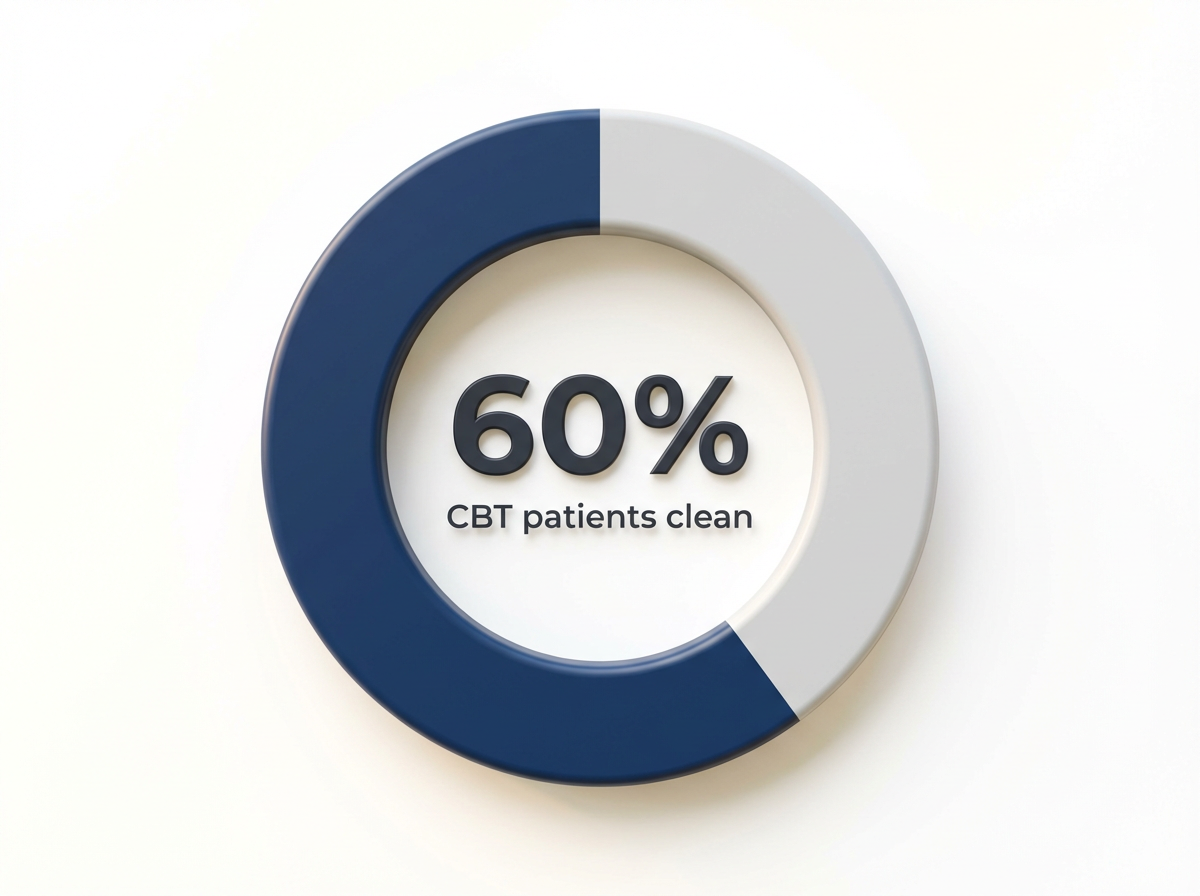
Cognitive-behavioral approaches are proven to reduce relapse and support long-term abstinence, with studies showing that 60% of those who complete CBT remain substance-free a year later4. For men, these methods are especially effective when combined with movement-based therapies and peer accountability, as they address both thought patterns and action.
CBT teaches practical ways to challenge unhelpful beliefs and replace them with healthier thoughts, while DBT adds powerful skills for emotional regulation and distress tolerance. In men’s dual diagnosis rehab, combining these talk-based therapies with movement activities creates a foundation for trauma-informed addiction treatment.
Practical Tool: When a craving hits, use the STOP skill from DBT: Stop, Take a step back, Observe, Proceed mindfully.
EMDR works by helping individuals reprocess traumatic experiences through guided eye movements or other forms of bilateral stimulation, reducing the emotional intensity tied to past events. This approach is particularly effective for men who may find it challenging to talk about trauma directly; EMDR offers a structured way to confront and heal from painful memories without feeling overwhelmed.
Neuroscience research shows that activities such as boxing, jiu-jitsu, and structured group exercise stimulate dopamine release, support stress regulation, and encourage neuroplasticity—the brain’s natural ability to rewire itself during recovery2. This is especially important for men’s addiction treatment in Tennessee, where action-oriented interventions help process emotions and create new, healthier habits.
Physical activity triggers the release of neurotransmitters like dopamine and serotonin, which are often depleted during active substance use. This neurochemical boost supports improved mood and motivation, making it easier for men to engage in recovery and resist relapse. Over time, movement-based recovery programs help strengthen neural pathways responsible for self-control and stress regulation.
Boxing and jiu-jitsu provide structured, repetitive movement patterns that stimulate the release of dopamine and other neurotransmitters, directly supporting brain healing after substance use. These sports also require focus, discipline, and teamwork—skills that reinforce self-control and emotional regulation in men’s dual diagnosis rehab. Neuroscience research confirms that movement-based recovery activities help the brain rewire itself, making it possible to develop new habits and reduce the risk of relapse2.
Between facility size limits, waivers, and state-by-state rules, figuring out your Medicaid or private insurance benefits can feel like its own full-time job. Our admissions team will verify your coverage in minutes and walk you through exactly what's available — no guesswork required.
Verify Insurance Benefits →No commitment required. Confidential & HIPAA-protected.
Recovery from addiction isn't a single event—it's a journey that requires different levels of support at different stages. Effective treatment programs recognize this reality by offering a continuum of care that adapts to each person's evolving needs. Research consistently shows that individuals who progress through appropriate care levels—rather than attempting to jump directly to independence—experience significantly higher long-term success rates and lower relapse risk.

Men’s addiction treatment in Tennessee begins with detox, where medical oversight ensures withdrawal is as safe and comfortable as possible. After stabilization, most progress to partial hospitalization or intensive outpatient programs, which combine group therapy, movement-based activities, and peer accountability. This staged approach is proven to enhance engagement and promote long-term abstinence, with nearly 90% of those completing the full continuum remaining drug-free at five years9, 10.
Medically supervised detox means having a dedicated medical team to monitor vital signs, manage withdrawal symptoms, and provide immediate intervention if complications arise. This clinical oversight is especially important for men with co-occurring trauma or long-term substance use, as withdrawal can be unpredictable and potentially dangerous9. Beyond just safety, a men-focused Knoxville rehab program ensures emotional support—staff and peers understand the anxiety and vulnerability that can surface in those first days.
PHP provides a highly structured environment—think of it as a "day hospital" where men attend therapy, movement-based activities, and skill-building groups during the day, returning home or to sober housing in the evenings. IOP offers similar services but with fewer weekly hours, allowing for a gradual return to work or family life. Standard outpatient care is the final step, providing ongoing check-ins, peer support, and relapse prevention.
Research shows that men who reside in structured sober housing during outpatient treatment experience longer engagement, higher rates of satisfactory discharge, and greater recovery skill-building compared to those without such support6. In Tennessee, men's addiction treatment programs that emphasize structured sober living reinforce new habits, reduce isolation, and offer practical tools for managing everyday challenges.
Structured sober living emphasizes not just abstinence, but active participation—residents agree to group norms, support one another in meeting goals, and learn to navigate daily stressors in a healthy way. Research shows that this combination of accountability and skill-building leads to longer engagement and higher rates of satisfactory discharge for men in recovery housing6.
Peer support in recovery housing for men means more than just living together—it’s about building genuine connections, sharing victories and setbacks, and offering encouragement through real-world challenges. These relationships foster a sense of belonging and mutual trust, making it easier for men to ask for help, stay accountable, and develop hope for the future. Research consistently shows that active participation in peer support groups increases engagement, reduces isolation, and significantly lowers relapse rates7.
Modern addiction treatment has evolved far beyond traditional group therapy sessions. Today's most effective programs integrate specialized tools and technologies that support individuals throughout their recovery journey, creating personalized pathways to sustained sobriety.
Mobile recovery applications have transformed how people maintain accountability between clinical sessions. Platforms like Sober Grid and I Am Sober enable real-time communication with care teams, mood tracking, trigger identification, and immediate access to coping strategies during moments of vulnerability. These digital tools bridge the gap between structured treatment and independent living, providing continuous support during high-risk situations.
Biometric monitoring represents another advancement in recovery technology. Wearable devices can track sleep patterns, stress levels, and physical activity—all critical indicators of overall wellness and potential relapse risk. For men in recovery, fitness tracking apps like Strava or MyFitnessPal complement kinetic therapeutic programming by reinforcing the physical activity and goal-setting behaviors that support the brotherhood model of accountability.
Biohacking in men’s addiction treatment in Tennessee goes beyond standard exercise by using research-backed techniques—such as cold-water immersion and adventure therapy—to activate the brain’s natural reward and adaptation systems. These practices encourage dopamine release, promote neuroplasticity (the brain’s ability to rewire itself), and help men manage cravings and emotional ups and downs2.
Ice bath therapy works by triggering the body’s natural stress response in a safe, controlled environment. This process encourages the release of dopamine and endorphins, boosting mood and reinforcing the brain’s capacity to adapt to discomfort—a phenomenon known as neuroplasticity2. For men in recovery, these physiological changes translate to greater emotional regulation and improved ability to manage cravings or setbacks.
Research shows that approximately 70% of people experience meaningful reductions in substance use after engaging in adventure therapy, with 65% reporting lasting improvements7. These gains are even more pronounced when adventure therapy is paired with brotherhood and peer support, hallmarks of Trifecta Healthcare Institute’s approach to men’s addiction treatment in Tennessee.
Research shows that nearly 90% of participants who remain engaged in evidence-based, peer-supported programming over five years maintain abstinence, highlighting the value of a robust continuum of care10. At Trifecta Healthcare Institute, the focus on men’s addiction treatment in Tennessee extends beyond discharge, offering alumni mentorship, ongoing group meetings, and structured family involvement.
Ongoing connection to a brotherhood-driven network is a cornerstone of sustained men’s addiction treatment in Tennessee. Alumni recovery networks offer regular group meetings, access to peer mentors, and community gatherings—each proven to reinforce the skills and resilience built in treatment. Research shows that nearly 90% of participants who stay engaged with evidence-based, peer-supported programming remain abstinent over five years10.
Research consistently supports that family participation in treatment planning and ongoing support plays a crucial role in sustained recovery—especially for married or partnered men7. At Trifecta Healthcare Institute, men’s addiction treatment in Tennessee integrates family programming through workshops, educational groups, and regular check-ins, all designed to repair relationships, reduce stigma, and build a shared language for healing.
With these considerations in mind, finding a program that aligns with these principles becomes the next critical step. Recovery is a deeply personal journey, and finding the right treatment environment can make all the difference in achieving lasting sobriety. For men seeking comprehensive addiction treatment in Tennessee, Trifecta Healthcare Institute offers a distinctive approach that goes beyond traditional rehabilitation models. The organization's activity-centered programming and emphasis on building authentic connections create a foundation for sustained healing that extends well beyond initial treatment.
Men struggling with addiction often benefit from specialized programming that addresses their unique needs and challenges. Trifecta's Nashville rehab provides this focused environment, combining evidence-based therapeutic methods with innovative physical activities that help individuals reconnect with their physical and mental well-being. This comprehensive approach recognizes that sustainable recovery requires addressing the whole person, not just the addiction.
The path to recovery isn't one-size-fits-all, which is why Trifecta offers multiple levels of care to meet individuals where they are in their journey. Whether someone needs intensive residential treatment or is ready to transition to outpatient support, this continuum of care ensures consistent therapeutic guidance throughout the recovery process. For those dealing with dual diagnoses alongside addiction, integrated treatment addresses both challenges simultaneously, creating a more thorough healing experience that acknowledges the complexity of co-occurring conditions.
Taking the first step toward recovery requires courage, but no one has to walk this path alone. The supportive community fostered at Trifecta Healthcare Institute creates an environment where men can be vulnerable, share their struggles, and build meaningful connections with others who understand the challenges of addiction. This sense of belonging and mutual accountability often becomes one of the most powerful tools in maintaining sustained sobriety and building a life worth living beyond active addiction. To learn more about how Trifecta's men-specific programming can support your recovery journey, visit their website or call to speak with an admissions specialist who can answer your questions and help determine the right level of care.
Men exploring treatment options often have similar questions about what recovery looks like and how specialized programs differ from traditional approaches. Understanding these common concerns can help individuals make informed decisions about their healing journey.
The length of treatment at a Knoxville rehab for men can vary based on individual needs, but most evidence-based programs recommend a minimum of 90 days for the best outcomes. Many men start with a brief period of medical detox, followed by 30 to 60 days of intensive day or residential programming, and then transition into outpatient care or structured sober living for ongoing support. Research from Tennessee and national guidelines confirm that longer engagement—especially when paired with peer support and brotherhood-based accountability—leads to higher rates of abstinence and sustained recovery9, 10.
Most men's addiction treatment programs in Tennessee, including those at a Knoxville treatment center, accept a range of insurance plans. Coverage typically includes core services like medical detox, residential or outpatient care, movement-based recovery, and co-occurring mental health support when tied to substance use disorder treatment. Insurance benefits vary by provider and plan, so it's important to contact your insurer or the treatment center directly for a personalized verification.
Yes, many men are able to continue working or maintain their jobs while participating in an intensive outpatient program (IOP) at a Knoxville treatment center or in Nashville. IOPs are intentionally structured to offer flexible scheduling—such as daytime or evening groups—so you can balance employment or personal responsibilities with your commitment to recovery.
Men-only rehab programs—like those offered at a Knoxville treatment center—are often more effective for men because they break down the barriers created by masculine norms and stigma, making it easier to open up and engage in the healing process. In these environments, men benefit from brotherhood-based peer support and accountability, which research shows leads to higher engagement, reduced isolation, and better long-term outcomes7.
Trifecta Healthcare Institute addresses co-occurring mental health conditions by providing integrated, trauma-informed care alongside substance use disorder (SUD) treatment. While Trifecta does not offer primary mental healthcare, their Knoxville treatment center is equipped to support men with co-occurring issues such as anxiety, depression, or PTSD—provided these conditions are linked to or arise alongside substance use.
During the medical detox process at a Knoxville treatment center, men receive around-the-clock care from a dedicated medical team to ensure safety and comfort as substances leave the body. Medical professionals monitor vital signs, manage withdrawal symptoms, and are prepared to address any complications that arise, especially for those with long-term use or co-occurring trauma.
Family members are welcomed as active partners in your recovery at Trifecta Healthcare Institute. The Knoxville treatment center encourages loved ones to participate in educational workshops, group meetings, and regular check-ins designed to strengthen communication, rebuild trust, and foster a supportive environment at home.
Research shows that nearly 90% of men who complete the full continuum of care at a Knoxville treatment center—spanning detox, structured day programming, outpatient, and sober living—remain abstinent with no positive drug tests over five years10.
Yes, movement-based therapies like boxing and jiu-jitsu are supported by neuroscience as effective complementary tools for addiction recovery at a Knoxville treatment center. These activities stimulate the release of dopamine and other neurotransmitters, helping to restore healthy brain function and promote neuroplasticity—the brain’s ability to form new, healthier pathways2.
After completing treatment at a Nashville rehab for men, you’ll have access to a robust network of support designed to keep you connected, motivated, and accountable. Trifecta Healthcare Institute and similar Knoxville treatment centers offer continuing care through alumni groups, regular check-ins, peer mentorship, and ongoing movement-based recovery activities.
Deciding between residential treatment and intensive outpatient treatment (IOP) at a Knoxville treatment center depends on your current stability, support system, and the severity of your substance use. Residential care is best for men who need 24/7 structure, have struggled with relapse, or feel unsafe in their home environment. Intensive outpatient treatment, on the other hand, works well if you have a safe, supportive place to live and can manage daily responsibilities while attending therapy and movement-based recovery groups several times a week.
Yes, Trifecta Healthcare Institute’s Knoxville treatment center is well-equipped to serve veterans and first responders, recognizing their unique experiences with trauma and substance use. While Trifecta does not provide primary mental healthcare, its programming is designed to support men with co-occurring PTSD and substance use disorders—a combination especially common among veterans and first responders.
A typical daily schedule in a men's treatment program at a Knoxville treatment center balances evidence-based therapies, movement-based recovery, and opportunities for brotherhood connection. Mornings usually start with group check-ins or mindfulness sessions, followed by structured therapy—such as cognitive-behavioral or trauma-informed groups. Midday often includes movement-based activities like boxing, jiu-jitsu, or group exercise.
Treatment at a Knoxville or Nashville treatment center is held to the highest standards of confidentiality, ensuring your personal information and participation remain private and protected by law. Staff members are trained to follow federal regulations like HIPAA, which safeguard your health records and prohibit sharing details without your explicit permission.
When starting treatment at Trifecta Healthcare Institute, it’s helpful to bring comfortable, weather-appropriate clothing for movement-based recovery activities like boxing or group exercise, as well as modest, non-revealing attire for therapy sessions. Essential items include personal hygiene products (alcohol-free), any prescribed medications in their original bottles, and a list of emergency contacts.
Whether it's you or someone you love, our team can help you figure out the next step — what treatment looks like, what's covered, or just someone to talk to.
Talk to Our TeamConfidential. No commitment required.



July 30, 2026