



How to Vet and Choose a Rehab for Alcoholics Near Me
Learn how to evaluate a rehab for alcoholics near me by checking licensure, accreditation, therapies, medication use, and long-term care quality.
Read More
Explore how movement-based peer support and accountability can boost success and healing for men in recovery beyond traditional therapy.
Start Your Journey NowWritten and reviewed by the clinical team at Trifecta Healthcare Institute, a men’s-only treatment center in Tennessee specializing in substance use, mental health, and dual diagnosis care.
Men in recovery face distinct biological, psychological, and social factors that significantly impact their journey toward healing from addiction disorders. Studies indicate that men are approximately 2-3 times more likely to develop substance use disorders than women, yet they are significantly less likely to seek treatment or complete programs. These differences extend beyond physiology into how men metabolize substances, experience withdrawal symptoms, process emotions, build support networks, and engage with therapeutic interventions.
Traditional mixed-gender treatment settings often fail to address the particular challenges men encounter during recovery. Many men struggle to open up about vulnerability, trauma, or emotional pain in environments where they feel pressure to maintain a stoic facade. This reluctance to share authentically can create barriers to meaningful healing and sustained sobriety. Gender-specific programming creates a safe space where men can explore difficult emotions without judgment, fostering the genuine connections essential for lasting recovery.
Men also tend to externalize stress through action instead of verbal processing, making kinesthetic interventions particularly effective. While talk therapy remains valuable, incorporating exercise, outdoor experiences, and hands-on challenges resonates more deeply with how many men naturally cope with adversity.
"Research shows that men in gender-specific programs demonstrate 20-30% higher completion rates compared to mixed-gender settings, particularly when treatment incorporates experiential and action-oriented modalities alongside traditional counseling."7
Understanding these gender-specific needs becomes crucial in selecting the right treatment environment. Programs designed specifically with male clients in mind can address co-occurring mental health conditions while honoring the unique ways men build trust, process trauma, and develop accountability through brotherhood and shared experiences. This approach acknowledges that healing doesn't only happen in a counselor's office—it occurs through proving to oneself that change is possible.
Many men encounter unique barriers when considering treatment for substance use disorder and co-occurring mental health challenges. Common obstacles include deeply ingrained stoicism, fear of vulnerability, and concerns about how seeking help might affect their identity or reputation. These factors can prevent men in recovery from reaching out, even when support is available. Research confirms that men are significantly less likely to initiate treatment due to stigma, shame, and perceived threats to their masculine identity4.
Addressing these issues directly—such as through Nashville rehab or Knoxville rehab for men programs that normalize male vulnerability and emphasize strength-building—can increase engagement and retention. Social connection, brotherhood, and physical activity-based approaches help break down isolation and support lasting change.
Stoicism—a deeply rooted cultural expectation for men to suppress emotion and 'tough it out'—can make seeking help for substance use particularly challenging. Identity threat emerges when men perceive that participating in treatment, especially for co-occurring mental health needs, could undermine their sense of masculinity or social standing. This internal conflict often leads to silence, self-reliance, and delayed outreach, even as symptoms worsen. Research confirms that men are significantly less likely to initiate treatment due to these very fears and the stigma attached to vulnerability4.
Male-specific recovery environments, such as Trifecta Healthcare Institute and other Nashville rehab or Knoxville rehab for men programs, are designed to reframe vulnerability as courage and growth. By prioritizing camaraderie, movement-based therapy, and brotherhood, these programs help men in recovery build trust and reclaim a sense of strength through connection and shared purpose.
Treatment readiness is a deeply personal journey, especially for men navigating the pressures of masculinity and the realities of substance use disorder. Use this brief self-assessment checklist to gauge your current mindset:
Research shows that when men in recovery choose settings designed for male connection and accountability, they experience higher engagement and long-term abstinence rates7. If you answered “yes” to most questions, this suggests you’re ready to benefit from a Nashville rehab or Knoxville rehab for men that emphasizes movement, peer support, and a brotherhood approach.
Addiction changes the male brain's reward circuitry in ways that make recovery especially challenging without targeted support. Substances like alcohol and drugs disrupt dopamine signaling, leading to heightened cravings, emotional numbness, and difficulty experiencing pleasure from everyday activities. For men in recovery, these neurobiological shifts can amplify isolation and the urge to self-medicate, making movement-based interventions and brotherhood-oriented peer support especially impactful.
Research shows that moderate aerobic exercise and social connection help restore dopamine pathway function, which may reduce relapse risk and support long-term healing6, 8. Nashville rehab and Knoxville rehab for men programs that combine physical activity with camaraderie directly address these neurochemical imbalances and foster a sense of belonging.
Dopamine pathway restoration is essential for men in recovery, as prolonged substance use disrupts the brain's natural reward system, making it difficult to experience motivation and pleasure. Movement-based recovery programming at places like Trifecta Healthcare Institute supports the brain's healing process by promoting moderate-intensity aerobic exercise, which stimulates dopamine release and helps re-sensitize dopamine receptors6.
Research indicates that these neurobiological changes not only lower cravings but also build lasting resilience, especially when combined with the camaraderie and accountability found in Nashville rehab and Knoxville rehab for men settings8. This approach is ideal for those seeking a recovery path that addresses both biological and social needs, helping restore hope and energy through structured physical activity and supportive brotherhood.
Co-occurring trauma and substance use are deeply intertwined for many men in recovery. Unresolved trauma—whether from childhood adversity, military service, or other life experiences—can alter the brain’s stress and reward systems, increasing vulnerability to both substance use and relapse. Embodied trauma-informed care, which integrates movement and somatic (body-based) approaches alongside traditional therapy, has demonstrated superior outcomes for men with co-occurring PTSD and addiction5.
This strategy is especially effective in Nashville rehab and Knoxville rehab for men settings that emphasize brotherhood, physical challenge, and mutual support. Addressing trauma in a movement-based, peer-supported environment empowers men to process painful experiences while rebuilding trust and resilience, supporting holistic healing and long-term sobriety.
Physical activity serves as a powerful catalyst for healing in men recovering from addiction disorders. Exercise-integrated recovery programming combines structured workouts, outdoor activities, and fitness challenges into treatment protocols, addressing both the physiological and psychological dimensions of healing. This approach recognizes that men often process emotions and stress through physical action instead of relying solely on verbal expression.
| Feature | Traditional Talk Therapy | Movement-Based Recovery |
|---|---|---|
| Primary Mechanism | Cognitive processing & verbal expression | Kinesthetic processing & physical action |
| Neurobiology | Focuses on emotional regulation | Directly stimulates dopamine receptor availability |
| Engagement | Can feel passive or stagnant for some men | Active, goal-oriented, and team-based |
Research demonstrates that regular exercise stimulates the same reward pathways in the brain that substances once hijacked, helping to restore natural dopamine production and reduce cravings. Studies show that consistent aerobic exercise can increase dopamine receptor availability by up to 20%, while participants in exercise-based recovery programs experience relapse rates 30-40% lower than those in traditional treatment alone6. Activities like strength training, hiking, team sports, and martial arts provide men with healthy outlets for managing anxiety, anger, and restlessness—common triggers that can derail recovery efforts.
Specialized men's recovery programs increasingly incorporate kinesthetic therapies because they align with how many men naturally engage with their recovery journey. A typical day might begin with a 6 AM group trail run, followed by strength training circuits, an afternoon rock climbing session, and evening yoga for stress management. In place of sitting in traditional talk therapy sessions exclusively, participants engage in adventure therapy activities or competitive fitness challenges that build confidence and self-efficacy while processing their recovery experiences through movement.
The structure of exercise-centered programming creates natural opportunities for connection and vulnerability. Men often find it easier to open up about struggles while hiking a trail or spotting each other during weightlifting sessions. These shared physical experiences break down emotional barriers and create bonding moments that strengthen commitment to recovery.
Physical activity offers a powerful tool for men in recovery, directly influencing brain function and supporting long-term abstinence. When men engage in movement-based practices like martial arts, hiking, or group exercise at a Nashville rehab or Knoxville rehab for men, the brain’s reward pathways begin to heal. Research highlights that moderate-intensity aerobic exercise not only boosts dopamine—the brain’s motivation and pleasure chemical—but also promotes neuroplasticity, which is the brain’s ability to form new, healthier habits6, 8.
These changes help reduce cravings, improve mood, and build resilience against relapse. For men seeking a recovery pathway that addresses both body and mind, movement-based programming creates lasting neurobiological adaptations and supports peer connection.
Exercise functions as a natural dopamine replacement therapy for men in recovery, offering a healthy alternative to the brain-reward surges once triggered by substance use. Moderate-intensity aerobic exercise—such as brisk walking, running, or cycling—not only boosts dopamine production but also enhances dopamine receptor sensitivity over time, creating persistent neurobiological adaptations that protect against relapse6, 8.
This approach is especially helpful for men who struggle with low motivation, anhedonia, or cravings during early sobriety. At Trifecta Healthcare Institute and leading Nashville rehab or Knoxville rehab for men programs, exercise is integrated as a core element, providing structure, camaraderie, and a positive feedback loop for mental well-being.
Combat sports such as jiu-jitsu and boxing offer more than physical training—they provide a unique space for men in recovery to develop emotional regulation and resilience. Group-based martial arts training in recovery settings has been shown to significantly enhance social well-being, reduce loneliness, and decrease psychological distress5. These activities require focus, self-control, and present-moment awareness, helping participants manage anger, anxiety, and urges in a safe, structured environment.
For men seeking a recovery path that builds both confidence and emotional skill, combat sports within Nashville rehab or Knoxville rehab for men settings create a sense of belonging and brotherhood that protects against relapse. Practices like these are especially effective when paired with peer support and trauma-informed coaching, supporting holistic growth for men overcoming addiction.
Biohacking for neurochemical balance offers men in recovery new ways to actively support brain healing through targeted, evidence-based practices. Techniques like cold exposure (ice baths, cold showers) and structured adventure therapy trigger powerful shifts in dopamine and norepinephrine, which are essential for boosting mood, energy, and motivation9. These biohacking strategies are increasingly woven into Nashville rehab and Knoxville rehab for men programs, blending somatic (body-based) interventions with peer support and accountability.
This approach works best when men are seeking practical, action-oriented tools to reset their brain’s reward pathways outside of standard talk therapy. At Trifecta Healthcare Institute, movement-based biohacks are paired with brotherhood programming, helping men build resilience and re-engage with life.
Cold exposure, such as ice baths or cold showers, is gaining traction in Nashville rehab and Knoxville rehab for men as a powerful tool for men in recovery to reset neurotransmitter function. Research shows that cold water immersion can trigger a 250% increase in dopamine and a 530% surge in norepinephrine, leading to improved mood, alertness, and cognitive clarity—key factors for sustaining motivation in early sobriety9.
This method works when men are looking for immediate, action-oriented ways to break through emotional numbness and restore healthy reward signaling. Cold exposure is most effective when paired with movement-based recovery and brotherhood programming, as practiced at Trifecta Healthcare Institute, building resilience and camaraderie while supporting neurochemical balance.
Implementing adventure therapy in Nashville rehab and Knoxville rehab for men involves a structured, stepwise approach that prioritizes safety, engagement, and community connection. Start by assessing individual readiness and physical ability, then select activities such as hiking, rock climbing, or team-based challenges tailored to group skill levels. Each session is facilitated by trained staff to ensure a trauma-informed, supportive environment, with a strong emphasis on peer accountability and shared goal-setting.
This pathway is ideal for men in recovery who thrive with hands-on, action-oriented experiences that foster camaraderie and resilience. Research shows that adventure therapy not only activates dopamine pathways through physical challenge but also reduces psychological distress when integrated with brotherhood-focused programming5.
Between facility size limits, waivers, and state-by-state rules, figuring out your Medicaid or private insurance benefits can feel like its own full-time job. Our admissions team will verify your coverage in minutes and walk you through exactly what's available — no guesswork required.
Verify Insurance Benefits →No commitment required. Confidential & HIPAA-protected.
While physical movement strengthens the body and regulates stress, lasting recovery requires connection—the kind built through genuine community and mutual support. Men facing addiction often carry their struggles alone, believing they must white-knuckle their way through challenges without support.
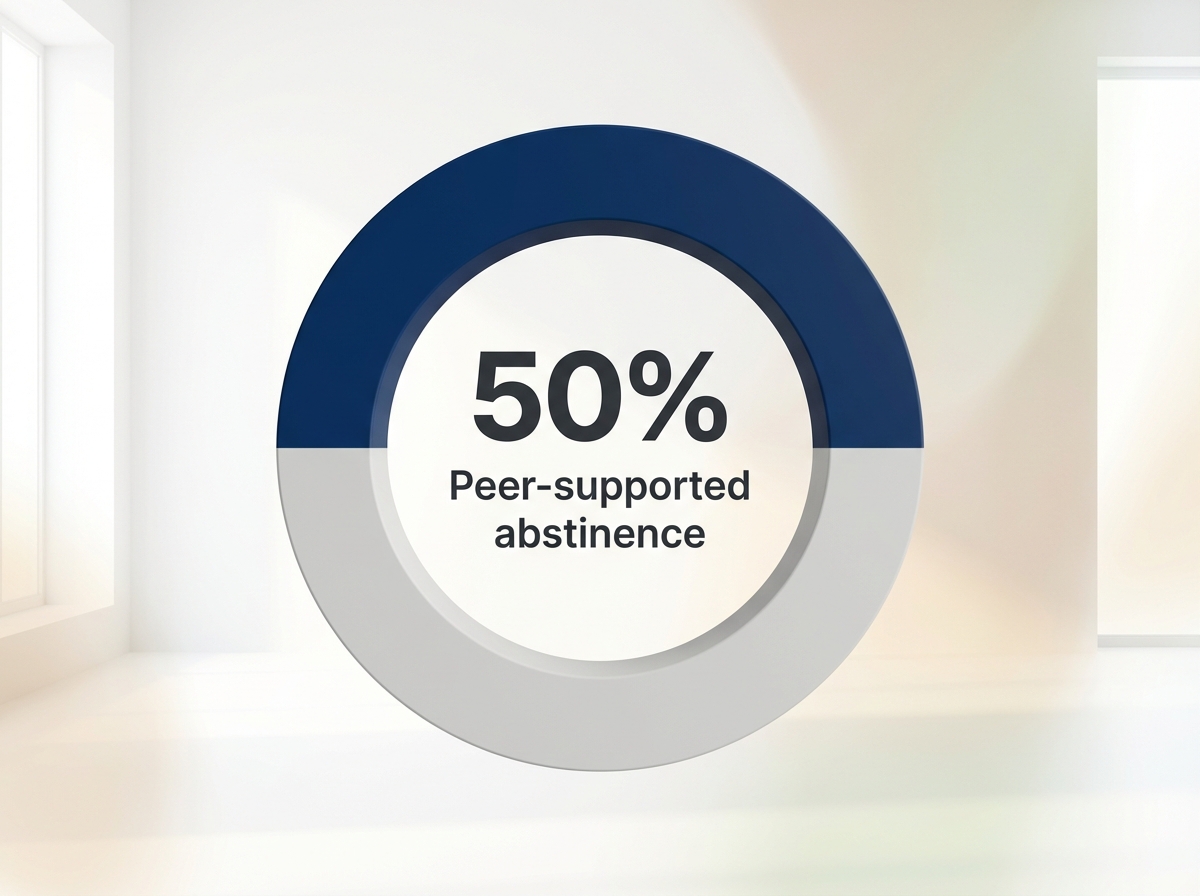
"Research consistently shows that individuals with peer accountability are 95% more likely to achieve their recovery goals compared to those without structured support systems, which is why brotherhood-based programming has become a cornerstone of effective men's rehab facilities."10
Structured peer accountability systems create natural checkpoints throughout recovery. Many programs implement morning check-in circles where each man shares one challenge and one commitment for the day, establishing transparency from the start. When men commit to checking in with accountability partners daily or weekly, they build habits of honesty and transparency that counteract the secrecy that often accompanies addiction. These relationships provide real-time support during moments of temptation, offering immediate connection when cravings strike or difficult emotions surface.
The brotherhood model extends beyond simple check-ins. Men in recovery benefit from shared experiences with others who understand the specific challenges they face—whether navigating relationships, rebuilding careers, or managing concurrent psychological conditions. This peer-to-peer understanding creates psychological safety that encourages vulnerability and authentic growth. Men learn to ask for help, celebrate victories together, and normalize the ups and downs of recovery without shame.
Peer support among men in recovery is grounded in science: when men participate in structured, male-focused groups, long-term abstinence rates improve dramatically due to reduced shame, isolation, and increased self-efficacy10, 2. Studies show that peer-led accountability creates a "brotherhood effect"—fostering belonging and mutual responsibility—that can raise long-term abstinence outcomes by as much as 50% over professional treatment alone2.
This approach works best when peer support is paired with movement-based recovery in environments like Nashville rehab and Knoxville rehab for men, where camaraderie and shared experience are emphasized. Male-specific peer connection addresses the barriers of stoicism and reluctance to express emotion, helping men build trust and resilience through real-world action and support7.
Mutual accountability is a powerful force for men in recovery, directly lowering relapse risk by creating a network of shared responsibility and trust. When men participate in peer-led groups—such as those at Trifecta Healthcare Institute or in Nashville rehab and Knoxville rehab for men—they benefit from daily check-ins, team challenges, and honest feedback, all of which reinforce commitment to sobriety. Research shows that peer support and accountability can boost long-term abstinence rates by up to 50% compared to professional treatment alone, highlighting the unique value of brotherhood-based systems2, 10.
Use this decision framework to help select the peer community and brotherhood system that best fits your recovery needs:
Checklist for Choosing Your Recovery Community:
This approach works best when men in recovery value camaraderie, action, and practical support—key elements offered by Nashville rehab and Knoxville rehab for men programs focused on mutual responsibility. Research shows that these settings can improve long-term abstinence rates by up to 50% when peer support is integrated with professional care2, 10.
Men-only programming creates a safe, supportive atmosphere where men in recovery can authentically engage in healing without the social pressures or distractions sometimes present in mixed-gender groups. Research shows that male-specific environments reduce shame-based isolation and help participants address barriers such as stoicism and reluctance to express emotion7, 4. By fostering camaraderie and mutual accountability, Nashville rehab and Knoxville rehab for men programs allow individuals to focus on practical skill-building and real-world challenges.
Single-gender recovery environments create a unique space where men are more likely to lower their guard and express vulnerability without fear of judgment or social stigma. In these settings, participants can talk openly about challenges, emotions, and setbacks, supported by peers who share similar experiences and cultural expectations. Research demonstrates that men in recovery are significantly more willing to address underlying emotional barriers—such as shame and stoicism—when surrounded by other men who understand those pressures7, 4.
Resource planning is a crucial step for men in recovery aiming to sustain progress after completing a Nashville rehab or Knoxville rehab for men. Begin by mapping out your ongoing support needs: this includes engaging in movement-based programming, attending regular peer accountability groups, and connecting with trauma-informed resources for co-occurring mental health support. Studies show that structured peer support and continued skill-building lead to higher rates of long-term abstinence and program retention10.
Taking the first step toward recovery requires courage, but having a clear roadmap makes the journey less overwhelming. The next 30 days can become a turning point when approached with intentional action and support.
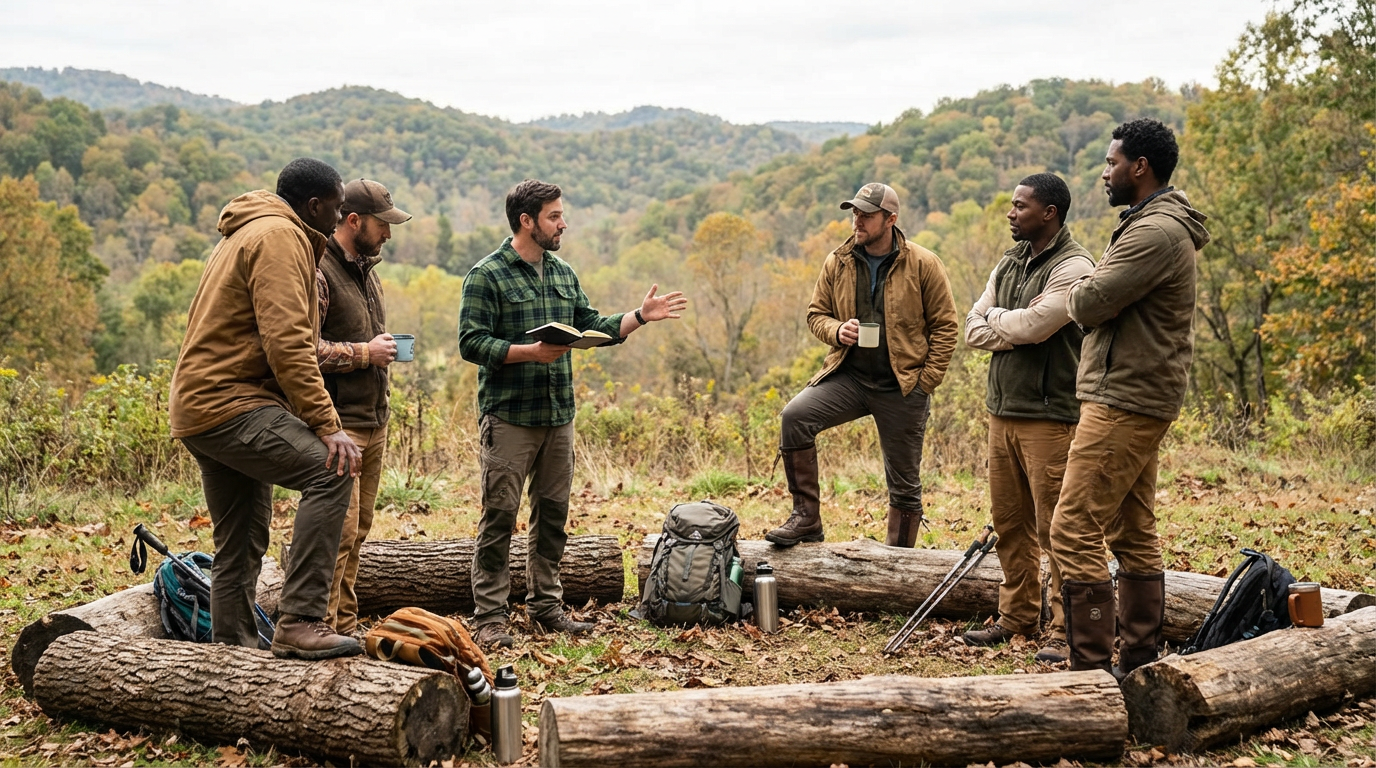
TimelineFocus AreaKey ActionsWeek 1Assessment & StabilizationConfidential assessment, medical detox (if needed), research men-only programs.Week 2Logistics & PreparationArrange work leave, notify family, handle bills/pet care to ensure focus on healing.Week 3Immersion & MovementBegin IOP or residential care. Engage in morning check-ins and initial exercise therapy.Week 4Routine & BrotherhoodEstablish daily accountability partners, solidify fitness routines, set 60-day goals.
When facing a crisis, men in recovery need an immediate, structured action plan that prioritizes both safety and momentum. Start by reaching out to a Nashville rehab or Knoxville rehab for men that can provide same-day assessment and medically supervised detox if needed. Research shows that male-specific programs offering rapid stabilization and movement-based recovery options improve engagement and reduce early relapse risk7, 2.
If you’re unsure where to begin, connect with a peer-supported crisis helpline or local recovery advocate—these resources can quickly direct you to programs that combine physical activity, brotherhood, and trauma-informed care. This approach works best when men are in acute distress, feel isolated, or need urgent support to interrupt substance use.
Medical detox and stabilization are often the first steps for men in recovery who need to safely interrupt substance use and begin healing in a supportive environment. Detox timelines can vary, but most Nashville rehab and Knoxville rehab for men programs offer same-day assessment and rapid admission for those in crisis. Medically supervised detox typically lasts between 3–7 days, with 24/7 monitoring to manage withdrawal symptoms and ensure safety.
During this period, men receive not only medical care but also immediate access to movement-based activities and peer support, laying the groundwork for brotherhood and accountability from day one. Research shows that rapid stabilization in male-specific settings improves engagement and reduces early relapse risk7, 2.
Navigating the landscape of Nashville rehab and Knoxville rehab for men can feel overwhelming during a crisis, but a few practical steps can streamline the process. Begin by identifying programs that offer same-day intake, prioritize movement-based recovery, and foster a strong sense of brotherhood—qualities proven to enhance engagement and reduce early relapse risk for men in recovery7, 2. Look for facilities that provide peer-supported crisis response, trauma-informed care, and opportunities for structured physical activity, such as group exercise or adventure therapy.
Building your recovery foundation as a man involves weaving together movement-based routines, daily peer connection, and practical self-assessment tools. Start by mapping out a consistent schedule that blends group exercise, martial arts, or adventure activities with structured check-ins—core elements at Trifecta Healthcare Institute and trusted Nashville rehab or Knoxville rehab for men programs. Research shows this combination of physical activity and brotherhood significantly improves engagement and reduces relapse risk for men in recovery2.
A structured week-by-week roadmap helps men in recovery establish steady progress and build confidence. In Week 1, focus on daily movement-based activities (such as group walks or martial arts) and connect with your peer accountability partner for regular check-ins. Week 2 introduces skill-building workshops and participation in brotherhood circles, which research shows increases engagement and sense of purpose2. By Week 3, add a personal progress journal and expand your involvement in group challenges, reinforcing mutual support and healthy routines. Week 4 centers on evaluating your recovery foundation—review your progress with peers, adjust your activity schedule, and set new short-term goals.
Consistent progress tracking is essential for men in recovery, helping to identify early warning signs and celebrate milestones. At Trifecta Healthcare Institute and leading Nashville rehab or Knoxville rehab for men programs, participants use weekly self-assessment checklists—rating cravings, mood, motivation, and peer connection—to spot patterns and adjust routines as needed. Incorporating peer feedback and journaling supports honest reflection and builds accountability. Research shows that blending movement-based activities with structured peer support can reduce relapse rates by up to 50% compared to traditional treatment alone2, 10.
Men exploring recovery options often have similar questions about treatment approaches, especially when considering specialized programs. Here are answers to common concerns about men's recovery programming and what to expect from activity-centered treatment models.
Choosing between a men-only rehab and a mixed-gender program depends on your personal comfort, treatment goals, and history. Men in recovery who value camaraderie, accountability, and a safe space to address masculinity-related barriers—such as stoicism and reluctance to show vulnerability—often benefit most from men-only environments. Research indicates that male-specific programs foster trust, honest dialogue, and engagement by reducing shame-based isolation and offering peer support tailored to men’s unique challenges7, 4. Mixed-gender programs may work well if you prefer diverse perspectives or have strong female support systems, but some men find it harder to open up in these settings. If you’re seeking a Nashville rehab or Knoxville rehab for men that emphasizes movement-based recovery and brotherhood, a men-only program is likely to provide the structure and community needed for long-term healing.
Movement-based therapy costs at a Nashville or Knoxville rehab for men can differ widely depending on program intensity, length of stay, and the inclusion of specialized offerings like martial arts, adventure therapy, and trauma-informed peer support. While exact pricing is not published in current research, trends indicate that facilities integrating holistic, movement-focused programming often fall within the broader range for residential or outpatient addiction treatment in Tennessee. Men in recovery should consider that programs blending physical activity, brotherhood-based accountability, and co-occurring mental health support may offer more value in engagement and long-term success, as research highlights up to 50% greater abstinence rates when peer and movement elements are included2, 10. For the most accurate cost information, contact each Nashville rehab or Knoxville rehab for men directly to discuss program specifics, insurance coverage, and financial assistance options.
Exercise begins to support dopamine restoration in men in recovery within just a few weeks, but meaningful neurobiological changes typically require ongoing, moderate-intensity physical activity over several months. Research shows that regular aerobic exercise activates the brain's reward system, increases dopamine signaling, and gradually enhances receptor sensitivity6, 8. Most men notice improvements in mood, motivation, and energy within the first month, while more substantial benefits—like reduced cravings and greater resilience—are achieved with consistent participation in movement-based routines over 8-12 weeks. This timeline aligns with best practices at Nashville rehab and Knoxville rehab for men, where structured exercise and brotherhood accelerate healing.
Trifecta Healthcare Institute provides trauma-informed, co-occurring care for men in recovery when PTSD and substance use disorder are present together, but does not offer primary mental health treatment for PTSD alone. Their movement-based programming, peer support, and brotherhood approach are designed to address both substance use and trauma-related symptoms within a safe, male-focused environment. Embodied trauma-informed care—including physical activity and somatic practices—has been shown to deliver superior outcomes for men with co-occurring PTSD and addiction compared to talk therapy alone5. This approach fits men seeking a Nashville rehab or Knoxville rehab for men that integrates practical action, camaraderie, and skill-building to support holistic healing.
You don’t need to be in peak physical shape to benefit from movement-based recovery at a Nashville rehab or Knoxville rehab for men. Programs like Trifecta Healthcare Institute meet you where you are—activities are adapted to all fitness levels, and the focus is on progress, not performance. Many men in recovery start with gentle movement, such as walking or basic stretching, and gradually build confidence before exploring options like martial arts or adventure therapy. Research highlights that even moderate-intensity activity, when paired with peer support and brotherhood, can help restore dopamine pathways and reduce relapse risk6, 8. The key is consistency and connection, not athletic ability.
Brotherhood-based recovery at places like Trifecta Healthcare Institute goes beyond the structure of traditional 12-step programs by weaving movement-based therapy, peer accountability, and a strong sense of camaraderie into every stage of the healing process. While both approaches rely on peer support, brotherhood-focused programs are built specifically for men in recovery, addressing barriers like stoicism and isolation through physical activity and hands-on connection. Research shows that this model—emphasizing shared challenge, practical skill-building, and trauma-informed support—leads to higher engagement and better long-term abstinence outcomes for men compared to standard talk therapy or one-size-fits-all support groups2, 7.
Most insurance plans—including many employer-sponsored and private health policies—do provide coverage for substance use disorder treatment, which can include movement-based therapies at a Nashville rehab or Knoxville rehab for men. However, the extent of coverage often depends on your individual plan, the level of care (inpatient, outpatient, intensive outpatient), and whether the treatment center is in-network. Men in recovery should contact their insurance provider directly or ask the admissions team at Trifecta Healthcare Institute for a verification of benefits; this step helps clarify what components (such as group exercise, adventure therapy, or trauma-informed peer support) are covered. Research highlights that programs blending physical activity, peer support, and brotherhood offer improved outcomes, making them a valuable investment for insurance-backed recovery2, 10.
Experiencing a relapse after completing a men-only recovery program is not a sign of failure—it’s a common part of the healing process for many men in recovery. The most important step is to reconnect with your support network, such as peers from your Nashville rehab or Knoxville rehab for men, and honestly share what happened. Research shows that mutual accountability and peer connection are key to regaining momentum and reducing shame or isolation following setbacks2, 10. Many programs—including Trifecta Healthcare Institute—offer alumni groups, rapid re-engagement plans, and movement-based routines to help men get back on track.
Yes, many men in recovery are able to keep working while participating in intensive outpatient treatment (IOP) at Nashville rehab programs designed for flexibility. IOP typically involves attending therapy and movement-based group sessions several days a week, often in the mornings or evenings, making it possible to maintain employment with some scheduling adjustments. Trifecta Healthcare Institute and similar Knoxville rehab for men programs understand the importance of fulfilling work responsibilities while engaging in recovery, and staff can help coordinate schedules to fit your needs. Research shows that combining structured movement, brotherhood, and peer support in IOP settings not only supports sobriety but also allows men to remain connected to their daily routines and community2, 10.
Deciding between residential treatment and outpatient care for your son depends on several key factors: the severity of his substance use, presence of co-occurring mental health concerns, his level of motivation, and the safety of his current environment. Residential programs at Nashville rehab or Knoxville rehab for men are best when your son needs 24/7 structure, cannot maintain sobriety at home, or has experienced multiple relapses. Outpatient care may be enough if he has a supportive home, shows commitment to recovery, and needs flexibility for work or school. Research shows that men in recovery with high-risk patterns or limited support benefit most from immersive, brotherhood-driven environments offering movement-based therapy and peer accountability7, 2.
When evaluating staff credentials at a trauma-informed men's rehab, look for licensed clinicians such as LCSWs (Licensed Clinical Social Workers), LPCs (Licensed Professional Counselors), or psychologists with experience in substance use disorder and co-occurring trauma. Specialized training in trauma-informed care—such as certification in EMDR, somatic therapies, or embodied movement modalities—ensures staff can address the unique emotional and neurobiological needs of men in recovery. It’s also valuable to seek programs, like those at Nashville rehab or Knoxville rehab for men, where team members have a background in group facilitation, peer support, and male-specific engagement strategies7, 5.
Cold exposure therapy—such as ice baths or cold showers—can offer significant benefits for men in recovery by rapidly increasing dopamine and norepinephrine levels, which support mood and motivation9. However, safety should always be the priority, especially in early recovery when physical and emotional stability are still being established. At reputable Nashville rehab and Knoxville rehab for men programs, cold exposure is introduced gradually, with close supervision by trained staff to ensure a safe, supportive environment. Men in recovery with heart conditions, uncontrolled blood pressure, or other medical concerns should consult a healthcare provider before starting cold exposure.
Peer support is a cornerstone of lasting healing for men in recovery, but it’s natural to wonder if relying too much on your recovery community could lead to unhealthy dependence. Research shows that mutual accountability and strong brotherhood boost engagement, self-efficacy, and long-term abstinence rates—up to 50% higher when compared to professional treatment alone2, 10. The key is balance: healthy peer connection empowers men to build confidence, take personal responsibility, and gradually expand their support networks beyond the group. If you notice your motivation or well-being depends entirely on group approval, it may be time to work with your counselor on strengthening independence and coping skills.
Recent studies show that brotherhood-focused and peer-supported rehab programs for men lead to significantly higher completion rates compared to traditional, talk-therapy-only models. In fact, programs that integrate movement-based recovery and structured peer accountability—like those at Nashville rehab and Knoxville rehab for men—see up to a 50% improvement in long-term abstinence and retention when compared to standard professional treatment alone2, 10. This approach works best for men in recovery who thrive on camaraderie, real-world challenge, and practical support, as the brotherhood effect keeps participants engaged and motivated through the toughest phases of healing.
Recovery from addiction isn't a solitary journey—it's a transformation that thrives within community. The brotherhood approach recognizes that lasting healing happens when men support each other through shared experiences, accountability, and genuine connection. This model moves beyond traditional treatment by creating an environment where vulnerability becomes strength and peer support becomes the foundation for sustained sobriety.
Exercise-focused programming adds another essential dimension to recovery, addressing the mind-body connection that's often overlooked in conventional approaches. Regular exercise releases natural endorphins, reduces stress, and helps rebuild the discipline and self-confidence that addiction can erode. When combined with evidence-based therapies and integrated psychiatric care, this holistic approach addresses the whole person instead of focusing solely on the addiction.
The integration of these three elements—gender-specific treatment, movement-based healing, and brotherhood community—creates a recovery framework that addresses men's unique needs comprehensively. Clinical excellence provides the foundation, physical activity rebuilds the body and mind, and authentic male connection sustains the transformation. Together, they form a system where each component strengthens the others, creating resilience that extends far beyond the treatment environment.
Whether it's you or someone you love, our team can help you figure out the next step — what treatment looks like, what's covered, or just someone to talk to.
Talk to Our TeamConfidential. No commitment required.



July 30, 2026