



How to Vet and Choose a Rehab for Alcoholics Near Me
Learn how to evaluate a rehab for alcoholics near me by checking licensure, accreditation, therapies, medication use, and long-term care quality.
Read More
Learn how to accurately estimate alcohol rehab cost by understanding insurance, treatment levels, and hidden expenses for effective long-term planning.
Start Your Journey NowWritten and reviewed by the clinical team at Trifecta Healthcare Institute, a men’s-only treatment center in Tennessee specializing in substance use, mental health, and dual diagnosis care.
Understanding the stages of alcohol treatment helps clarify why your alcohol rehab cost can vary so widely. The process often starts with medical detox, which is a short-term, supervised phase designed to manage withdrawal symptoms safely. Detox is crucial for men whose alcohol use has led to physical dependence, as abrupt cessation can create serious health risks.
This phase is typically the most medically intensive, with oversight from physicians and nursing staff, and may require medications to ease discomfort or prevent complications. Once detox is complete, the next step is usually some form of structured outpatient care.
Outpatient programs range from partial hospitalization (PHP) to intensive outpatient programs (IOP) and standard outpatient therapy. PHP involves several hours of therapy and support services each day, but clients return home or to sober living at night. IOP typically provides a more flexible schedule with fewer therapy hours per week.
Standard outpatient care often consists of regular counseling sessions held weekly or biweekly. Compared to inpatient treatment, outpatient models do not include housing costs, which explains much of the price difference between these levels of care.
To make the differences clear, here is a simplified breakdown:
| Level of Care | Typical Duration | Structure & Intensity | Key Cost Factors |
|---|---|---|---|
| Medical Detox | 3–7 days | 24/7 medical monitoring | Medications, staffing |
| PHP | 2–4 weeks | Full-day, 5–7 days/week | Therapy, clinical support |
| IOP | 4–12 weeks | 9–20 hours/week, flexible | Group/individual sessions |
| Outpatient Therapy | Ongoing | 1–3 hours/week | Counseling, follow-up |
Alcohol rehab cost at each level reflects the resources and staffing needed to deliver safe, effective care. Understanding these distinctions sets the stage for evaluating how facility type and program specialization further influence pricing3.
The alcohol rehab cost is shaped not only by the level of care but also by the type of program and facility chosen. Specialized programs—such as those that offer movement-based therapies, trauma-informed care, or peer accountability models—often invest in unique amenities, highly trained staff, or specific therapeutic modalities that influence overall pricing.
For example, programs featuring evidence-based movement therapies like boxing or outdoor adventure activities may require additional equipment, expert instructors, and insurance coverage for physical activities. These elements can increase operational costs compared to standard counseling-focused settings.
Facility variations are another important factor. Residential centers located in metropolitan areas like Nashville or Knoxville often face higher real estate and staffing costs, while rural facilities may offer lower base rates. Some centers provide private suites, chef-prepared meals, or luxury amenities, which can drive monthly costs well above the typical range for standard inpatient programs.
However, research shows the core elements of evidence-based therapy remain consistent across facility types, meaning clinical outcomes are not necessarily tied to the price tag2.
To help professionals assess the impact of these variations, the table below outlines key differences:
| Facility Type | Typical Features | Relative Cost Impact |
|---|---|---|
| Standard Residential | Shared rooms, group therapy | Baseline |
| Specialized/Movement | Outdoor/physical programming | Moderate-High |
| Luxury/Lifestyle | Private suites, premium dining | High |
Understanding these distinctions allows professionals supporting adult sons to match treatment environments to clinical needs and values, while planning for the associated financial realities. The next section will explore how insurance coverage shapes what families ultimately pay out of pocket.
The Affordable Care Act (ACA) and the Mental Health Parity and Addiction Equity Act (MHPAEA) have significantly reshaped the insurance landscape for substance use disorder treatment. Under ACA, all Marketplace health insurance plans must treat substance use disorder care as an essential health benefit.
This means that, from a regulatory standpoint, alcohol rehab cost is supposed to be covered by insurance on the same basis as care for any other medical condition2. MHPAEA reinforces this by requiring that insurers apply the same financial requirements—like copays, coinsurance, and visit limits—to substance use disorder benefits as they do to medical or surgical benefits8.
For parents supporting adult sons in recovery, these legal protections open doors that were previously closed. Expanded coverage has allowed roughly 32 million Americans to access substance use treatment who would not have been able to afford it before ACA implementation2.
However, families still need to understand how much of the total alcohol rehab cost will actually be paid by insurance. Coverage levels vary by plan. For example, ACA Marketplace plans cover an average of 60% to 90% of costs, depending on the plan tier, with Bronze plans covering the least and Platinum the most.
| ACA Plan Tier | Average % Covered by Insurance |
|---|---|
| Bronze | 60% |
| Silver | 70% |
| Gold | 80% |
| Platinum | 90% |
Knowing these laws and tiers helps professionals guide families in estimating their out-of-pocket exposure. The following section will address the practical realities of deductibles, provider networks, and insurance authorizations.
Navigating insurance for alcohol rehab cost involves more than understanding coverage percentages. Most families face up-front deductibles, which must be paid out of pocket before insurance starts contributing. Deductibles can vary greatly by plan and sometimes reset annually, meaning families may owe thousands even with solid insurance coverage.

Copayments and coinsurance—percentages of the total bill—add another layer of responsibility, impacting what is truly paid out of pocket every step of the way.
Provider networks further complicate the process. Insurers typically reimburse a higher percentage for in-network facilities, while out-of-network programs often mean less coverage or none at all. This difference can leave families surprised by unexpected bills, especially if a preferred program is not on the insurer’s approved list.
For professionals supporting adult sons, confirming network status is an essential step to avoid costly surprises. When calling insurers, you can often bypass automated menus by pressing 0 or saying representative to speak directly with an agent about specific billing codes.
Another reality is the prevalence of insurance authorizations. Most insurers require pre-authorization for admission and ongoing utilization reviews to continue care. If a reviewer deems treatment no longer "medically necessary," coverage may be reduced or terminated prematurely, leaving families responsible for the remainder of the cost.
These administrative hurdles can delay timely admission and cause uncertainty about the duration of covered care.2
The table below highlights common out-of-pocket factors:
| Factor | Impact on Family Responsibility |
|---|---|
| Deductible | Must be paid before coverage begins |
| Copayment/Coinsurance | Ongoing share of covered expenses |
| Out-of-Network Care | Often higher or excluded costs |
| Authorization Delays | Risk of denial or sudden loss of coverage |
Understanding these elements provides a clearer picture of the actual financial planning needed for treatment. Next, we’ll examine the hidden costs that extend beyond the program fee.
Between facility size limits, waivers, and state-by-state rules, figuring out your Medicaid or private insurance benefits can feel like its own full-time job. Our admissions team will verify your coverage in minutes and walk you through exactly what's available — no guesswork required.
Verify Insurance Benefits →No commitment required. Confidential & HIPAA-protected.
Medications, transportation, and intake-related expenses are often overlooked when families and professionals consider the true alcohol rehab cost. While insurance may cover much of the core treatment, medications prescribed during or after detox—such as those used to manage withdrawal or support ongoing recovery—can create out-of-pocket expenses if not fully included in the program fee.
Depending on the facility, prescription costs may be billed separately, especially for non-formulary medications or when ongoing medication-assisted treatment is required9.
Transportation is another area that can add meaningful cost, particularly if the treatment center is not local. Some families must arrange private car services, airfare, or even medical transport, all of which are rarely covered by insurance.
Intake or admission fees are typical in many programs and can include charges for initial medical assessments, lab work, and administrative processing. These are often nonrefundable and must be paid up front, even before insurance coverage is confirmed4.
To clarify these categories, the table below outlines common hidden cost factors:
| Hidden Cost Category | Typical Examples |
|---|---|
| Medications | Detox/maintenance prescriptions |
| Transportation | Flights, car service, medical transport |
| Intake Fees | Admission, assessment, labs |
Being aware of these potential expenses allows professionals to help families create a more accurate financial plan. The next section will address the ongoing costs of long-term support beyond the initial episode of care.
Ongoing support is a critical but often underestimated part of the full alcohol rehab cost. After the initial treatment episode, many men benefit from structured aftercare, which can include regular therapy, peer support groups, and case management.
These services help reduce relapse risk and promote accountability as men transition back into professional and community life. While some aftercare is included in the original program fee, families should expect added costs for extended counseling or specialized group sessions if ongoing support is needed4.
Sober living environments represent another major expense. These residences provide a stable, substance-free setting and often foster a sense of brotherhood and routine essential for long-term recovery.
Monthly fees for sober living typically range from $500 to $2,000, translating to $6,000 to $24,000 per year, and are rarely covered by insurance9.
The table below summarizes typical long-term support costs:
| Support Type | Typical Features | Cost Impact |
|---|---|---|
| Aftercare Therapy | Weekly or biweekly sessions | Moderate (variable) |
| Peer Support Groups | Ongoing, often free or low-cost | Low |
| Sober Living | Residential, peer accountability | High (monthly fee) |
Factoring these ongoing expenses into financial planning provides a more accurate and sustainable approach to supporting adult sons in recovery. Next, we’ll look at how these investments compare to the medical and economic costs of untreated alcohol use disorder.
Untreated alcohol use disorder brings a host of hidden costs that often dwarf the initial alcohol rehab cost. Medical expenses for conditions directly tied to alcohol—such as liver disease, pancreatitis, and cardiovascular complications—can quickly escalate.
Research indicates that individuals with alcohol-attributable conditions incur nearly $15,000 in additional healthcare costs per year compared to those without these conditions1. These expenses are rarely limited to hospital bills; they often include repeated emergency visits, long-term medication management, and the need for ongoing specialist care.
Legal consequences also add a significant financial burden. Court fees, attorney costs, and potential loss of driving privileges can disrupt professional and personal life.
Men who come into contact with the legal system due to alcohol-related offenses may face fines, mandatory programs, or even incarceration, all of which can result in both direct costs and lost earning potential.
Finally, lost productivity remains one of the largest economic impacts. Alcohol misuse often leads to absenteeism, presenteeism, and job loss, which ripple through a family’s financial stability.
The cumulative effect of these medical, legal, and productivity losses often outweighs the cost of seeking effective treatment in the first place1. Looking ahead, it’s important to consider how evidence-based treatment can shift this balance and deliver measurable economic value for families and communities.
Investing in evidence-based alcohol rehab yields measurable economic returns that extend far beyond individual recovery. When men complete structured treatment—especially programs grounded in proven therapies and peer support—their likelihood of sustained sobriety, stable employment, and community reintegration increases.
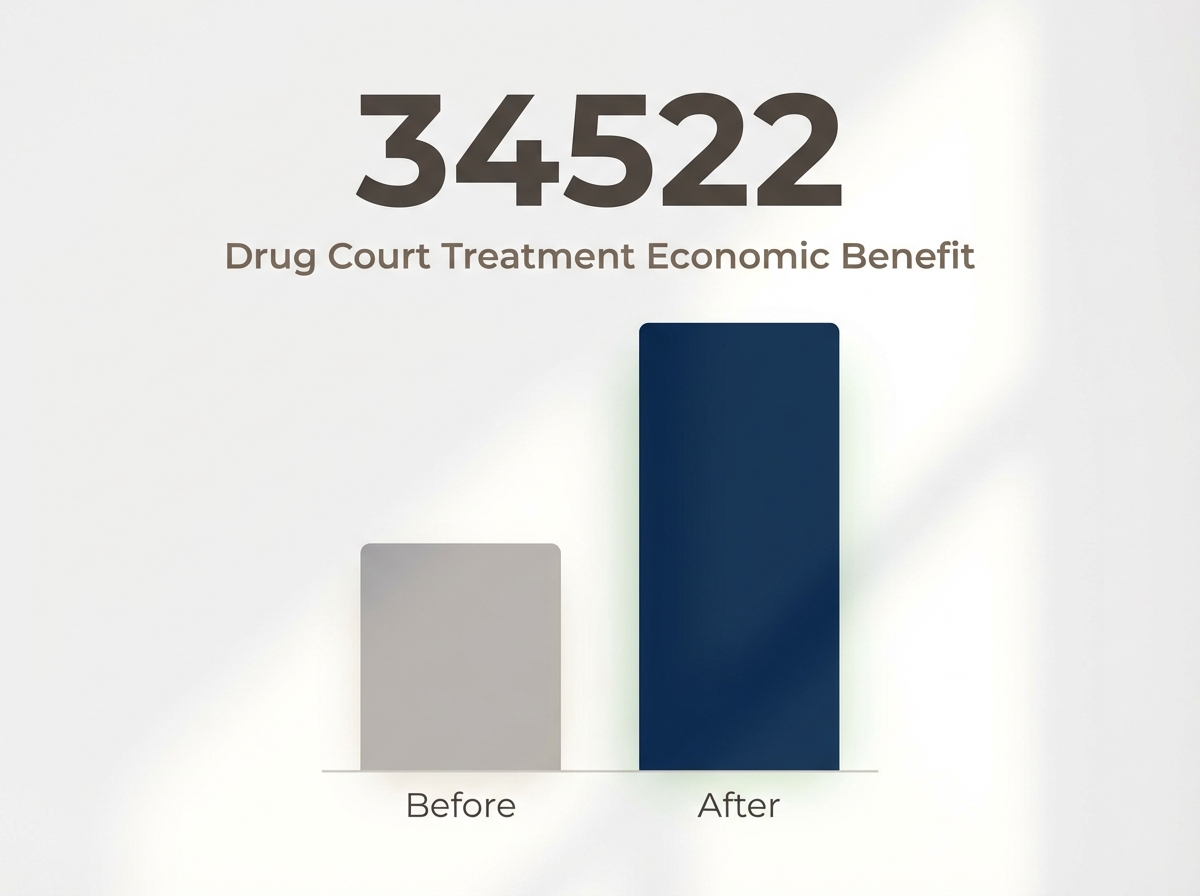
Graduates of drug court programs who complete treatment can generate average net economic benefits exceeding $34,000 per person after accounting for the initial alcohol rehab cost and associated services.5
These benefits accrue not only to families, but also to broader systems. Fewer emergency room visits, hospitalizations, and legal interventions translate to lower public spending.
Employers gain from reduced absenteeism and higher workplace productivity when individuals maintain long-term recovery. For parents of adult sons, this means the upfront investment in structured, evidence-based treatment can ultimately offset or even surpass ongoing costs linked to untreated substance use.
| Economic Impact Area | Return on Investment/Cost Savings |
|---|---|
| Health Care Expenditures | Fewer ER visits, lower hospital costs |
| Criminal Justice System | Reduced recidivism, lower legal expenses |
| Workplace Productivity | Increased attendance, higher job retention |
Understanding this positive economic return reframes the alcohol rehab cost as a strategic investment toward long-term stability. Next, the frequently asked questions section will address common concerns about costs, insurance, and financial planning.
Alcohol rehab cost in Tennessee varies based on urban or rural location, local wages, and facility amenities. In cities like Nashville and Knoxville, higher real estate and staffing expenses can drive prices up compared to smaller towns. Programs in metropolitan areas often offer more specialized services and amenities, which may further increase costs. By contrast, rural centers may have lower operating expenses, sometimes reflected in reduced program fees. However, the quality of clinical care remains consistent across facility types, as core evidence-based therapies do not differ by location 2. Professionals should consider travel, housing, and regional wage differences when advising families about total costs.
If insurance denies or terminates coverage during treatment, families are often left to pay the remainder of the alcohol rehab cost out of pocket. This situation can arise if a provider determines that services are no longer "medically necessary" or if pre-authorization lapses. Many insurers require regular utilization reviews, and any interruption can result in sudden loss of coverage. When this occurs, families may face difficult choices: self-pay for continued care, seek an appeal, or transfer to a different, covered program. Professionals should advise families to understand appeal procedures and keep thorough documentation to support ongoing treatment needs 2.
Insurance coverage for movement-based therapies—such as boxing, jiu-jitsu, or outdoor adventure activities—varies widely depending on the insurance plan and how the therapy is billed. While the Affordable Care Act and MHPAEA require insurers to cover substance use disorder treatment as an essential health benefit, most plans focus on traditional evidence-based therapies like counseling and group sessions. Movement-based approaches may be included if a program integrates them as a core therapeutic component, but insurers often consider these activities "alternative" or "non-standard," resulting in limited or no coverage. Families should review plan documents closely and consult providers about what aspects are considered medically necessary and billable. Out-of-pocket expenses for these therapies may increase the total alcohol rehab cost 2.
Families supporting an adult son through the first year of recovery should budget for a range of ongoing expenses beyond initial treatment. After completing a primary program, recurring costs often include aftercare therapy, sober living fees, and regular medication management if prescribed. Sober living alone may run from $500 to $2,000 per month, and most insurance plans do not cover these housing costs 9. Additional outlays may arise from transportation, peer support group fees, and any specialized programming needed to maintain accountability and engagement. Planning for these recurring components helps families avoid financial surprises and ensures sustained access to the full continuum of care required for long-term recovery.
Men-only programming can influence alcohol rehab cost, but the difference usually stems from the program’s structure and specialization rather than gender exclusivity alone. Facilities focused exclusively on men often design their clinical services, peer support models, and activities (such as movement-based therapies) to address issues specific to male recovery. This may lead to costs similar to, or slightly higher than, standard co-ed programs—especially when unique therapies or added accountability measures are offered. However, research confirms that the main drivers of cost remain the level of care, the types of therapies provided, and the amenities available rather than whether a facility is men-only or co-ed 2. As a result, professionals should evaluate program value based on clinical offerings and fit, not just gender composition.
Financial assistance for alcohol rehab cost extends well beyond traditional insurance. Many facilities work with sliding scale payment options, which adjust fees based on family income or financial need. State and federal programs, such as Medicaid, may cover some or all treatment costs for eligible individuals. In Tennessee, nonprofit organizations and faith-based groups sometimes offer grants or scholarships to support recovery for those who cannot afford care. Crowdfunding platforms and community fundraising have become common ways for families to bridge funding gaps. Additionally, the SAMHSA National Helpline provides free guidance on local resources and financial aid options for substance use treatment 4. These combined strategies can help families access high-quality care even when insurance falls short.
Parents of adult sons understand that sustainable recovery from substance use disorder requires more than clinical intervention—it demands an environment that rebuilds neurochemical balance, fosters genuine accountability, and creates lasting peer networks. The distinction between programs that produce temporary sobriety and those that generate enduring transformation often lies in their approach to physical engagement, community structure, and the integration of evidence-based care with active healing modalities.
What sets Trifecta Healthcare Institute's Nashville and Knoxville locations apart is the deliberate integration of movement-based therapies—boxing, jiu-jitsu, ice baths, and outdoor adventure programming—with trauma-informed clinical care. These aren't recreational additions but neuroscience-backed interventions that address dopamine regulation, stress response systems, and the physiological foundations of addiction.
The brotherhood model creates accountability structures that extend beyond discharge, while the continuum from medical detox through alumni services ensures men receive stage-appropriate support as their recovery evolves. For men with co-occurring mental health conditions, this integrated approach addresses the complex interplay between addiction and underlying trauma in ways that traditional talk therapy alone cannot achieve.
Men seeking a Nashville rehab or Knoxville rehab for men benefit from understanding how Trifecta's distinctive methodology—combining evidence-based therapies like CBT, DBT, and EMDR with biohacking approaches and structured sober living—creates the foundation for neurochemical restoration and sustained recovery. The investment isn't in choosing a facility, but in accessing an approach that builds resilience through active engagement, peer support, and comprehensive care designed specifically for men's healing trajectories.
Whether it's you or someone you love, our team can help you figure out the next step — what treatment looks like, what's covered, or just someone to talk to.
Talk to Our TeamConfidential. No commitment required.



July 30, 2026