



How to Vet and Choose a Rehab for Alcoholics Near Me
Learn how to evaluate a rehab for alcoholics near me by checking licensure, accreditation, therapies, medication use, and long-term care quality.
Read More
Learn how alumni connections in recovery boost long-term sobriety through structured support, accountability, and active community engagement.
Start Your Journey NowWritten and reviewed by the clinical team at Trifecta Healthcare Institute, a men’s-only treatment center in Tennessee specializing in substance use, mental health, and dual diagnosis care.
When evaluating a Knoxville rehab for men, understanding how alumni connections in recovery function is critical for your partner's long-term success. Social recovery capital refers to the network of supportive relationships and community ties that help sustain an individual’s recovery from substance use disorder. This includes meaningful peer bonds, access to recovery-supportive activities, and strong connections to family, friends, or alumni groups.
Tool: Social Recovery Capital Checklist
To assess social recovery capital, partners can use this checklist (Time investment: 10 minutes; Cost: Free):
Research identifies social recovery capital as a key predictor of long-term success in recovery. Higher levels of social recovery capital are strongly associated with reduced risk of relapse, improved mental health, and greater stability in employment and housing.9 In practice, alumni connections in recovery serve as a primary vehicle for building this foundation. For example, individuals who participate in structured alumni communities are more likely to remain engaged in positive routines and less likely to return to substance use.2
This approach works best when partners encourage ongoing involvement in alumni events and facilitate introductions to recovery peers, especially during the transition out of formal treatment. Looking ahead, the next section explores how peer support within these networks creates measurable, evidence-based benefits for sustained recovery.
Tool: Peer Support Impact Assessment
Peer support in recovery refers to structured, ongoing relationships where individuals with lived experience of substance use disorder offer guidance, encouragement, and accountability to peers navigating similar challenges. A practical way to assess peer support’s impact is to track metrics such as relapse rates, treatment retention, and self-reported satisfaction among alumni participants.
"Peer support in recovery transforms isolation into shared strength, providing a living example that long-term healing is possible."
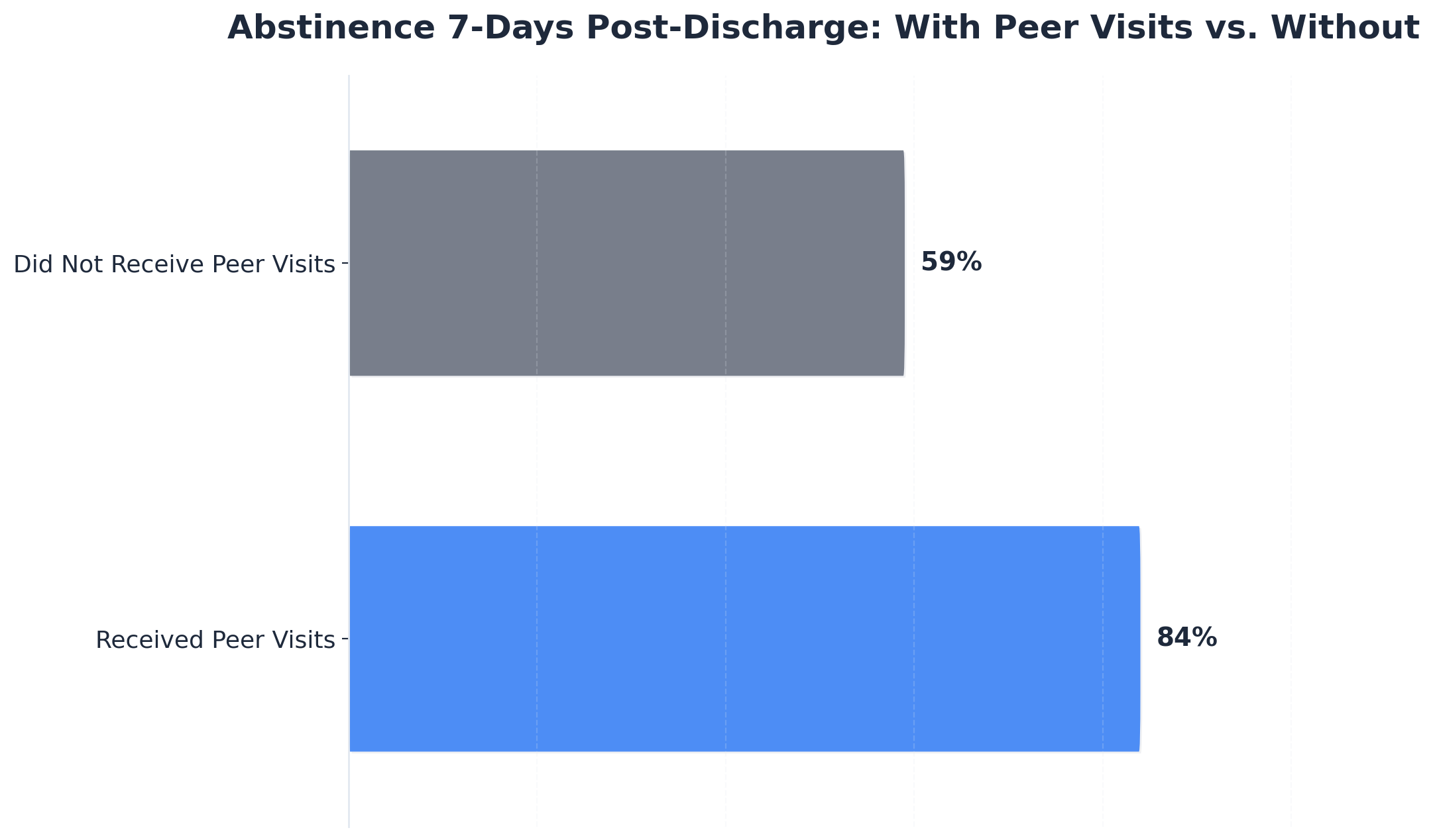
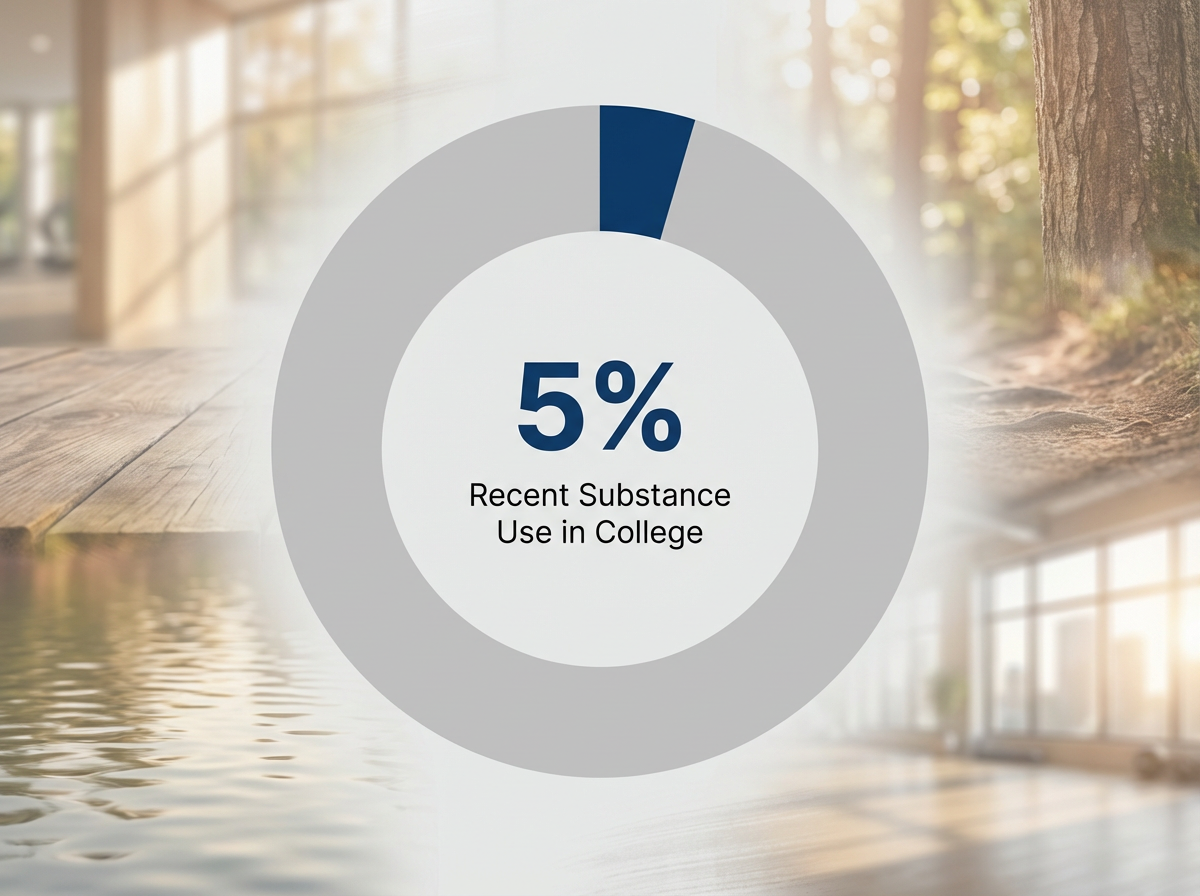
Multiple studies demonstrate that alumni connections in recovery substantially reduce relapse risk. One review found that annual relapse rates for participants in collegiate recovery programs averaged just 8%, with only 5% reporting substance use in the past month—figures far below typical community relapse rates.4 Additionally, individuals who received peer visits after discharge maintained abstinence at much higher rates (84% versus 59%) compared to those without such support.10
Peer support groups also correlate with greater satisfaction and improved engagement, particularly for individuals facing complex psychosocial barriers.5 Consider this method if your partner thrives in environments where shared experiences validate his journey. For partners, encouraging involvement in peer-led alumni activities can help sustain post-treatment progress, especially during transition periods. The next section will explore how the structure of these alumni connections—such as reciprocal accountability and mentorship—further strengthens recovery.
Tool: Reciprocal Accountability Assessment
Reciprocal accountability in recovery describes a model where each member of an alumni group is both responsible for their own progress and actively invested in the well-being of others. Rather than a one-way dynamic—such as a mentor guiding a mentee—reciprocal accountability means every participant gives and receives support.
Research indicates that alumni connections in recovery built on reciprocal accountability foster a stronger sense of community and personal agency. One qualitative study found that shared responsibility for both one’s own and others’ recovery outcomes leads to enhanced engagement, empowerment, and resilience compared to traditional, compliance-based approaches.8
This strategy suits organizations that emphasize brotherhood, communal responsibility, and shared routines—such as group exercise or adventure activities—that naturally reinforce mutual accountability. Next, the discussion will examine how structured mentorship and sponsorship add a formal layer of support to these peer-driven networks.
Tool: Mentorship & Sponsorship Structure Assessment
Structured mentorship and sponsorship are foundational mechanisms within alumni networks that formalize ongoing support for individuals in recovery. In this context, mentorship refers to a peer with lived experience providing guidance and encouragement, while sponsorship—most commonly associated with 12-step traditions—involves a more formal commitment to accountability and mutual growth.
| Feature | Mentorship | Sponsorship |
|---|---|---|
| Structure | Flexible, goal-oriented guidance | Formal, step-based accountability |
| Focus | Life skills, early recovery navigation | 12-step tradition, spiritual growth |
| Time Investment | 1-2 hours weekly | 3-5 hours weekly |
Research shows that individuals who have a sponsor at the end of treatment are 33–50% more likely to report no illicit drug use or related problems during the critical first month post-treatment compared to those without sponsors.3 Similar mentorship models, such as the MAP (Mentorship for Addiction Problems), leverage goal setting and weekly group guidance to address relapse risk and support early recovery, especially in the initial 30–90 days when vulnerability is highest.7
Opt for this framework when your partner’s ongoing progress depends on clear guidance, structured feedback, and accessible, experienced role models. The following section will address how to evaluate the quality and fit of alumni programs for long-term recovery.
When someone you love is working toward recovery, understanding what sustained support actually looks like becomes essential—not as a checklist for facility selection, but as insight into what will help him maintain the progress he's fighting so hard to achieve. The quality of alumni programming reveals much about whether a facility views recovery as a 30, 60, or 90-day event, or as the ongoing journey you both know it truly is.
Strong alumni programs recognize that the transition from structured treatment back to daily life presents some of the most challenging moments in recovery. The men who thrive long-term typically stay connected to regular support—not because they're struggling, but because consistent engagement prevents struggles from escalating. Programs offering weekly or bi-weekly alumni meetings, ongoing group sessions, and structured activities help maintain the therapeutic momentum that begins during primary treatment.
When facilities like Trifecta Healthcare Institute incorporate movement-based alumni activities—group boxing sessions, hiking excursions, outdoor challenges—they're acknowledging that recovery involves the whole person, not just abstinence from substances. This holistic approach often translates to more sustainable outcomes for the men participating and more stability for the families supporting them. The relationships formed during treatment can become lifelines afterward.
Alumni programs that facilitate mentorship connections between recent graduates and men further along in recovery create accountability structures that benefit everyone involved. These peer relationships offer something clinical staff cannot always provide: the lived experience of navigating employment pressures, relationship repairs, and daily stressors without returning to old patterns. Men's drug rehab programs in Nashville and Knoxville that emphasize brotherhood during treatment extend that same philosophy into alumni services, recognizing that lasting recovery often happens in community rather than isolation.
The practical realities of reintegration—returning to work, rebuilding trust in relationships, managing finances, handling conflict—present ongoing challenges that don't resolve when treatment ends. Alumni services addressing these real-world situations through vocational support, life skills reinforcement, and community integration activities demonstrate understanding that recovery requires ongoing support, not just crisis intervention. Programs offering recovery coaching or regular check-in protocols recognize what partners often see firsthand: that small struggles addressed early rarely become major setbacks, while isolation and disconnection create vulnerability.
Accessibility matters deeply for long-term engagement. Alumni programs accommodating working schedules through virtual meeting options, multiple time slots for group sessions, and regional gatherings for those who relocate remove barriers that might otherwise prevent participation. For families in Tennessee, programs with locations in both Nashville and Knoxville may offer more consistent access to alumni resources as life circumstances change. The easier it is for him to stay connected, the more likely that connection becomes a natural part of his routine rather than an additional burden.
How a program responds when alumni face challenges reveals its true commitment to long-term outcomes. Alumni services with clear protocols for men experiencing difficulties—offering immediate access to clinical staff or peer support when warning signs emerge—create environments where reaching out feels safe rather than shameful. Programs treating alumni as valued community members rather than former clients foster the kind of openness that allows small concerns to be addressed before they escalate.
Facilities tracking alumni engagement rates, employment statistics, and long-term sobriety data demonstrate accountability to the outcomes that matter most to families—not just completion of treatment, but sustained recovery over time. This path makes sense for partners who value transparency and want to understand what realistic expectations look like. This openness acknowledges what you already know: recovery is a long-term journey, and the support structures surrounding it significantly impact both the man in recovery and everyone who loves him.
Between facility size limits, waivers, and state-by-state rules, figuring out your Medicaid or private insurance benefits can feel like its own full-time job. Our admissions team will verify your coverage in minutes and walk you through exactly what's available — no guesswork required.
Verify Insurance Benefits →No commitment required. Confidential & HIPAA-protected.
Tool: Virtual Engagement Model Assessment
Virtual and hybrid engagement models have become essential tools in sustaining alumni connections in recovery, particularly for partners supporting loved ones with demanding work schedules, family obligations, or geographic barriers. These models blend online platforms—such as video conferencing, private forums, and app-based check-ins—with periodic in-person gatherings, allowing for maximum flexibility and accessibility.
To evaluate the strength of a program’s virtual engagement, partners can ask: Are there regularly scheduled online meetings? Is technology used to facilitate peer check-ins and rapid support when needed? Are virtual participation rates tracked and reported? For example, if your partner is navigating a busy work week, he might use the /join command in a secure alumni app or press Ctrl + J on his desktop to instantly connect with his brotherhood support group.
Recent research highlights that virtual alumni recovery networks deliver up to 30% higher sustained engagement compared to strictly in-person models, as participants are better able to maintain contact and receive support regardless of location or life circumstances.1 Importantly, technology-based engagement also enables alumni programs to proactively identify members at risk of relapse and intervene early, strengthening long-term outcomes.1
This approach is ideal for organizations and families prioritizing continuity of care and accessibility, especially when in-person attendance is not always feasible. For partners, supporting a hybrid model can help ensure that alumni connections in recovery remain strong and consistent, even as life circumstances evolve. The following section will explore how activity-based community connections further reinforce engagement and a sense of belonging.
Tool: Activity-Based Engagement Audit
Activity-based community connection refers to structured group activities—such as sports, hiking, martial arts, and volunteer events—that form the backbone of many effective alumni programs. These experiences go beyond standard support meetings by fostering camaraderie, shared accomplishment, and a renewed sense of purpose.
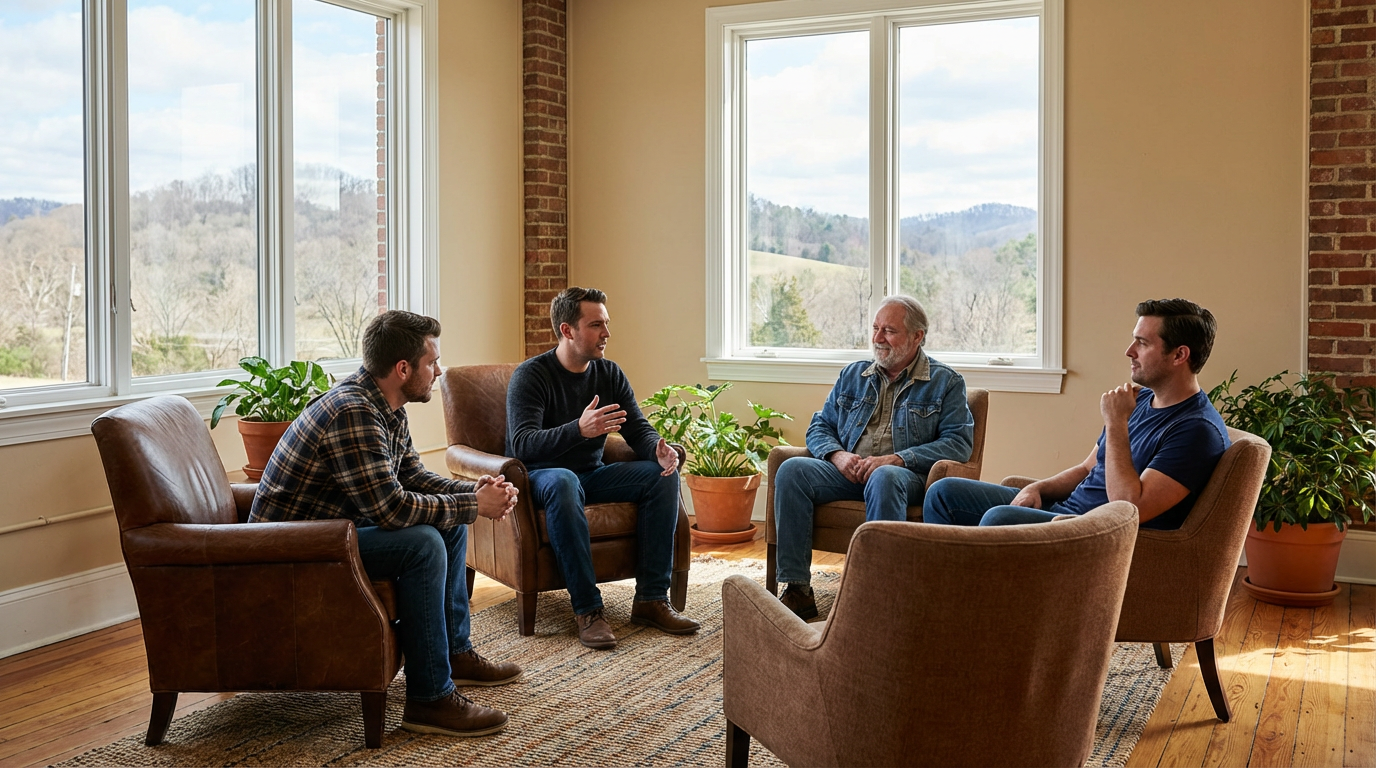
Partners can use an engagement audit to assess the depth of this approach: Are there regular, scheduled activities that appeal to your partner’s interests? Does the program actively encourage participation in physical or service-oriented events? Are activity leaders trained in recovery principles and peer support? At facilities like Trifecta Healthcare Institute, biohacking activities like ice bath therapy and outdoor adventure therapy are integrated to restore neurochemical balance.
Research consistently shows that involvement in meaningful, sober activities is a key factor in lowering relapse risk and sustaining long-term recovery. For example, continuing care programs that incorporate recreational and volunteer opportunities report higher rates of alumni engagement and improved overall life satisfaction.6 Consider this route if your partner thrives in active environments where connection is forged through shared physical challenges and communal achievements, rather than discussion alone.
For worried partners, supporting participation in activity-based alumni events can reinforce healthy routines, build lasting friendships, and help your loved one rediscover joy in substance-free living—all essential components of alumni connections in recovery. Next, the focus shifts to outlining actionable steps for supporting your partner’s first 30 days after primary treatment.
Tool: 30-Day Transition Roadmap
While alumni services provide the long-term foundation for sustained recovery, understanding what happens during the immediate treatment phase helps partners know what to expect and how to support their loved one from day one. The first 30 days set the trajectory for everything that follows—including engagement with those alumni services that become vital months and years later. This initial period establishes the skills, connections, and momentum that determine whether men successfully transition into long-term recovery.
During this critical month, men typically progress through structured PHP or IOP programming, attending therapy sessions daily while building the foundational skills needed for independent recovery. Days are filled with evidence-based treatments like CBT and DBT, combined with movement-based activities that help restore neurochemical balance disrupted by substance use. Trifecta does not offer primary mental healthcare, but rather provides essential co-occurring mental health treatment alongside SUD support.
Partners often notice subtle shifts first—improved sleep patterns, clearer communication, and emerging accountability. Men begin forming the brotherhood connections with peers who understand their struggles, creating bonds that sustain recovery long after treatment ends. Physical activities like boxing and jiu-jitsu provide healthy outlets for stress while rebuilding confidence and discipline.
This month also involves family counseling sessions where both partners learn new communication patterns and address underlying relationship dynamics affected by addiction. Understanding what's happening during these 30 days helps partners provide appropriate support without enabling old patterns. This method works when both partners commit to the process. The goal isn't perfection—it's consistent progress toward sustainable recovery habits that connect directly to the alumni programming and long-term support systems that ensure lasting change.
A healthy recovery program typically sees 25% to 30% of its new admissions come from alumni referrals, with some high-performing organizations reporting rates closer to 50%.2 This level of referral activity indicates that alumni connections in recovery are strong and that former participants trust the program enough to recommend it to others. High alumni referral rates suggest active engagement, ongoing satisfaction, and a vibrant support network—factors linked to lower relapse rates and greater stability for current participants.2 Programs falling below the 20% threshold may need to examine their alumni engagement strategies and seek direct feedback from former clients.
It is best for your partner to connect with alumni support immediately after completing primary treatment—ideally within the first week. Research shows that the first 30 days post-treatment are when individuals are most vulnerable to relapse, and structured alumni connections in recovery, such as mentorship or peer-led check-ins, significantly reduce early return to substance use.7 Programs offering prompt outreach and guided introductions to alumni communities create a smoother transition and boost engagement during this critical window. Encourage your partner to attend their first alumni event or reach out to an assigned peer contact as soon as possible to build momentum and stability in early recovery.
Virtual alumni connections are a valid and effective choice, especially for partners whose loved ones have demanding schedules, mobility limitations, or live far from in-person meeting sites. Recent research demonstrates that virtual alumni recovery networks yield up to 30% higher sustained engagement compared to in-person-only formats, as they allow participants to maintain consistent contact and receive timely support regardless of location.1 This approach works best when the program uses technology proactively—such as video meetings, digital check-ins, or online forums—to foster real accountability and connection. Encourage your partner’s participation in virtual alumni offerings, as these channels can provide the ongoing structure and peer support central to recovery success.
To distinguish genuine peer support from mere marketing events, look for clear signs of ongoing, reciprocal engagement among alumni. Authentic programs offer structured opportunities for peer mentorship, two-way check-ins, and transparent roles—such as defined mentorship pairings and regular group meetings focused on accountability and mutual support. In contrast, marketing-driven events tend to be one-off, social gatherings with little follow-up or peer-driven leadership. Programs that report high rates of alumni engagement, leadership involvement, and measurable impact on relapse rates are more likely to provide true alumni connections in recovery.1, 2 Ask for examples of how peer support is sustained over time and how alumni actively shape the program’s activities.
Supporting your partner’s engagement with alumni connections in recovery means encouraging participation while respecting their autonomy. Offer practical support—such as helping schedule events or providing transportation—but avoid monitoring attendance or pressuring involvement, as over-involvement can undermine self-efficacy and the sense of ownership that research links to sustained recovery success.8 Instead, express interest in their experiences, celebrate milestones, and maintain open communication about how you can best be supportive. This approach works best for partners who prioritize empowerment and trust, allowing the alumni network to provide peer accountability while you serve as a steady, nonjudgmental ally.
Programs that incorporate recovery coaches—trained professionals or peers with specialized skills—may offer distinct advantages over peer-only alumni models. Recovery coaches can help individuals set goals, navigate complex systems, and access additional resources while still fostering authentic peer relationships. Recent studies show that peer-based recovery support services facilitated by trained specialists lead to improved self-efficacy, reduced substance use, and better overall health compared to traditional peer-only models.1 This approach works best for partners whose loved ones face co-occurring mental health challenges or require structured guidance beyond what peer support alone provides. Still, strong alumni connections in recovery remain central to both models, as ongoing engagement and mutual accountability are proven predictors of long-term success.
Relapse, while difficult, is not uncommon—even among those actively engaged in alumni programs. When it happens, a well-structured alumni network strives to respond quickly with support rather than punishment. Most programs offer immediate outreach, peer check-ins, and guided re-entry into ongoing activities, aiming to reduce shame and reconnect your partner with their support system. Research confirms that proactive alumni engagement, particularly after a setback, increases the likelihood of returning to abstinence and rebuilding stability.1, 6 Alumni connections in recovery are designed to provide a safety net, helping your partner re-engage with accountability and compassion rather than isolation.
Whether it's you or someone you love, our team can help you figure out the next step — what treatment looks like, what's covered, or just someone to talk to.
Talk to Our TeamConfidential. No commitment required.



July 30, 2026