



How to Vet and Choose a Rehab for Alcoholics Near Me
Learn how to evaluate a rehab for alcoholics near me by checking licensure, accreditation, therapies, medication use, and long-term care quality.
Read More
Learn how to choose boxing therapy for active man seeking change with trauma-informed care, clinical support, and safe, evidence-based recovery methods.
Start Your Journey NowWritten and reviewed by the clinical team at Trifecta Healthcare Institute, a men’s-only treatment center in Tennessee specializing in substance use, mental health, and dual diagnosis care.
Repairing the brain after substance use disorder requires more than just abstaining—it demands targeted, science-backed interventions that address deep neurobiological damage. Boxing therapy for active man seeking change stands out because it directly stimulates the brain’s natural repair mechanisms. High-intensity movement, such as non-contact boxing, significantly elevates levels of brain-derived neurotrophic factor (BDNF).
This protein is essential for regenerating and repairing neural pathways that are often disrupted by addiction4. Increased BDNF enhances neuroplasticity, helping you restore the memory, focus, and impulse control that chronic substance use often impairs.
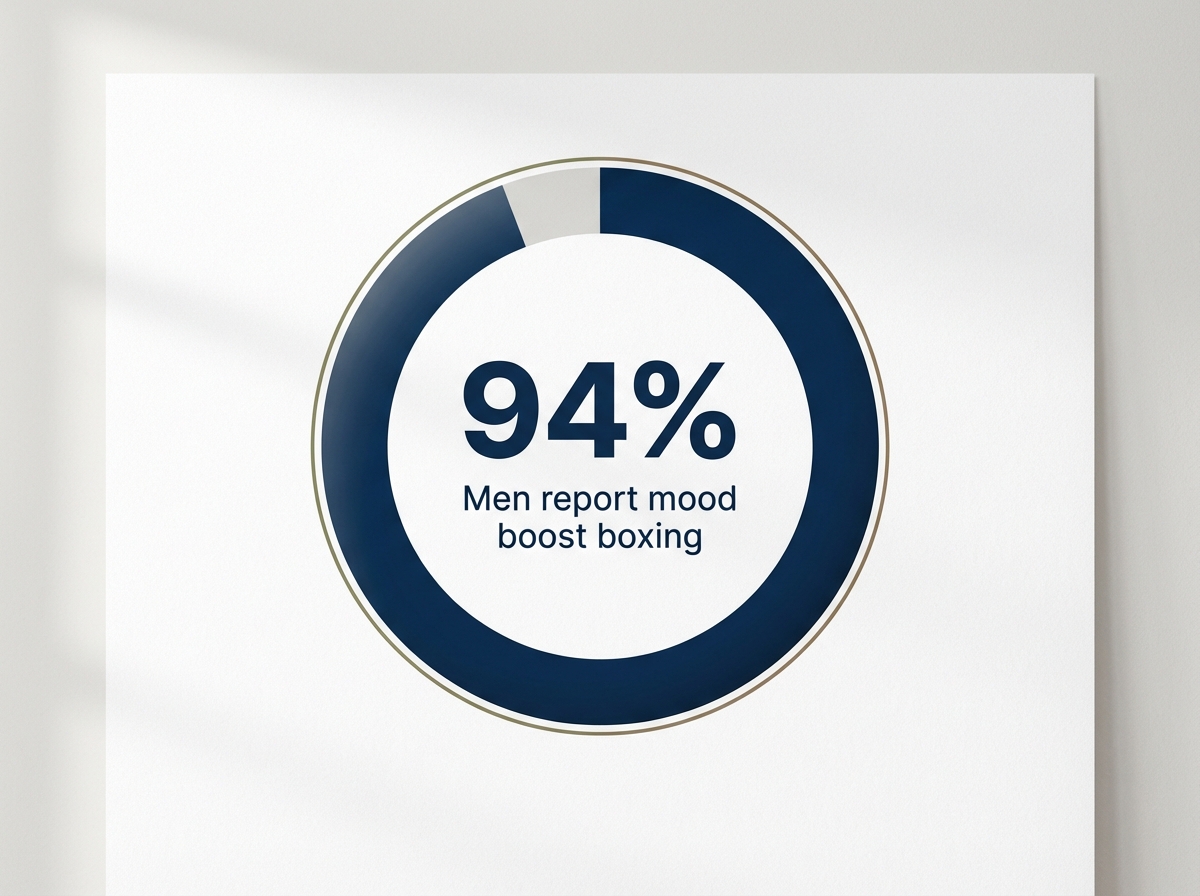
When you engage in the repetitive, structured movements found in boxing therapy, you activate your brain’s reward circuitry. This encourages healthy dopamine release and supports a much more balanced mood regulation3. These changes are not just theoretical—program outcomes show that over 94% of men participating in non-contact boxing therapy report major improvements in mood, a figure that far surpasses results from standard exercise classes1.
For men in recovery, this means a genuine opportunity to rebuild the brain’s stress response system and regain emotional resilience. Movement-based interventions like boxing therapy are also uniquely effective for co-occurring trauma. Aerobic and resistance activities help normalize the hypothalamic-pituitary-adrenal (HPA) axis and reduce inflammatory stress markers5.
"By focusing on the science of neurobiological repair, movement-based therapies provide a foundation for lasting recovery that is both practical and measurable." — Trifecta Healthcare Institute Clinical Team
With a clearer sense of how movement repairs the brain, it’s helpful next to explore the specific mental health benefits that boxing therapy offers beyond physical exercise.
Boxing therapy delivers mental health advantages that extend far beyond what a standard workout can offer. While exercise alone does support mood and stress management, structured boxing therapy leverages a unique blend of physical challenge, therapeutic processing, and peer support. This combination has been shown to drive significant reductions in anxiety, depression, and PTSD symptoms in men working through substance use recovery6.
Boxing therapy helps regulate dopamine and serotonin, which are crucial neurochemicals for mood stabilization and craving reduction during early recovery.
What sets boxing therapy apart is the intentional integration of mindfulness and emotional regulation strategies within the group setting. Sessions are led by clinically trained facilitators, not just fitness coaches, who create a trauma-informed environment where you can safely confront and process difficult feelings. Research confirms that these programs improve anger management and impulse control—core challenges in early recovery—by offering real-time opportunities to practice emotional self-regulation1.
Another key benefit is the camaraderie and mutual accountability that emerge in these group formats. Unlike traditional counseling, boxing therapy encourages you to support and challenge your peers, normalizing recovery struggles and reducing the isolation that often comes with addiction. In comparative studies, men report a much higher sense of belonging and agency in boxing therapy groups than in standard therapy or exercise-only programs2.
Understanding these distinctive mental health benefits sets the stage for evaluating how to identify truly integrated clinical programs in the next step.
Clinical integration determines whether movement-based recovery actually works for you. You are not looking for isolated therapy sessions or disconnected services—you need medical oversight, psychiatric support, and therapeutic interventions coordinating around a unified approach that treats your body and mind as interconnected systems.

The programs that deliver real results understand how neurochemical restoration through physical activity requires clinical teams working in concert, not departments operating in silos. True clinical integration means medical staff, therapists, and psychiatric professionals collaborate on your treatment plan from day one.
When evaluating a program, look for these key indicators of clinical integration:
This coordination becomes essential when you are dealing with co-occurring mental health conditions alongside substance use disorders. Symptoms overlap and require clinical teams who communicate constantly rather than occasionally. Integrated programs ensure prescribers understand what is surfacing in jiu-jitsu sessions, individual counseling, and daily interactions—allowing for treatment modifications that support your neurochemical rebalancing.
Medical detox reveals integration quality immediately. Beginning recovery often involves complex withdrawal symptoms requiring 24/7 monitoring and intervention. Programs with robust medical oversight provide physicians or nurse practitioners on-site, not just on-call arrangements. This immediate access enables rapid response to complications and smoother transitions into therapeutic programming where physical activity becomes central to healing.
Evidence-based therapies like cognitive behavioral therapy, dialectical behavior therapy, and EMDR should connect directly to treatment plans developed by the full clinical team. When therapists work in silos, you receive conflicting messages or duplicate efforts across sessions. Integrated programs create treatment roadmaps where each therapeutic modality builds on others, creating momentum rather than redundancy.
Verification involves direct questions during facility tours or consultations. Ask how often clinical teams meet, who attends those meetings, and how information flows between medical, psychiatric, therapeutic, and movement programming staff. When researching options online, you might use search terms like Nashville rehab or Knoxville rehab for men. Press Enter and look specifically for facilities that demonstrate this integration through concrete protocols, not just marketing language.
Between facility size limits, waivers, and state-by-state rules, figuring out your Medicaid or private insurance benefits can feel like its own full-time job. Our admissions team will verify your coverage in minutes and walk you through exactly what's available — no guesswork required.
Verify Insurance Benefits →No commitment required. Confidential & HIPAA-protected.
Non-contact protocols form the backbone of safe and effective boxing therapy. Unlike traditional boxing, these therapeutic programs eliminate sparring and any risk of head trauma, removing barriers for men who may have past injuries or trauma triggers. Each session is structured around bag work, mitt drills, and movement patterns that build strength and coordination without physical confrontation.
This design is intentionally trauma-informed—addressing the fact that many men in recovery have histories of physical or psychological trauma that could be aggravated by aggressive or unpredictable environments. A trauma-informed approach shapes every aspect of the boxing therapy setting. Clinicians and facilitators receive specialized training to recognize triggers, model emotional regulation, and create a culture of psychological safety.
Group sizes are intentionally kept small to foster trust and provide each participant with a sense of control and predictability. Sessions start with clear expectations and grounding exercises, ensuring that you feel secure before engaging in physical activity. This structure supports you in processing anxiety, anger, or stress in a controlled, supportive manner rather than suppressing or acting out those emotions.
Programs that adhere to these protocols report far lower rates of emotional dysregulation or aggressive incidents, and participants consistently describe feeling safer and more empowered compared to standard gym environments2. These design elements are essential for long-term engagement and positive outcomes, especially for active men rebuilding trust and regulating their nervous systems in early recovery.
The strength of boxing therapy lies in how it is combined with established, evidence-based psychological therapies. This approach does not rely on movement alone; instead, it fuses the unique neurobiological benefits of boxing with proven clinical methods like Cognitive-Behavioral Therapy (CBT), Dialectical Behavior Therapy (DBT), and Eye Movement Desensitization and Reprocessing (EMDR)6, 7, 10.
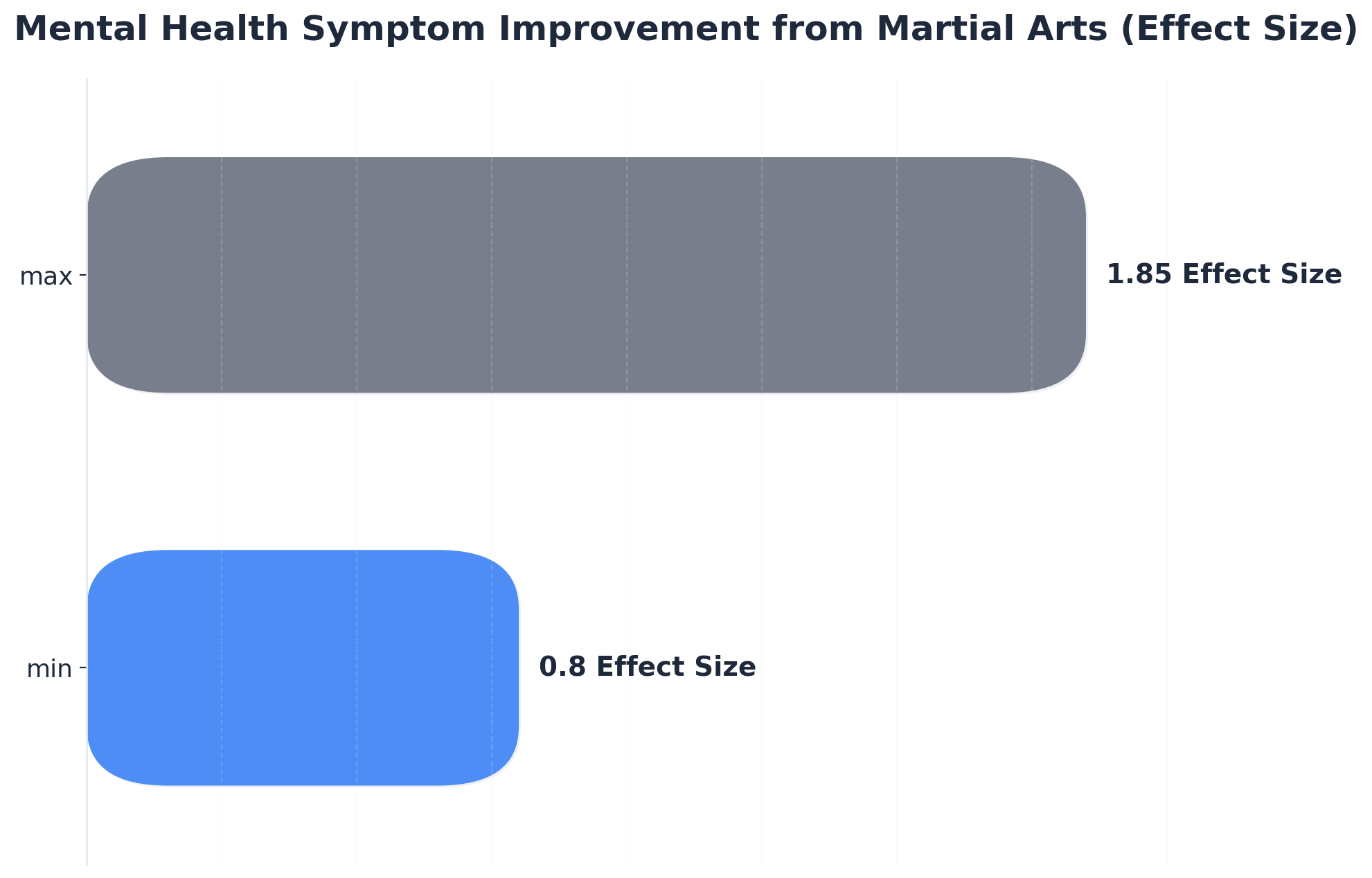
When delivered together, these therapies address both the physiological and psychological sides of recovery, supporting you as you rebuild healthier patterns of thought and behavior. CBT is often integrated to help you identify and challenge the thought patterns that fuel cravings or self-defeating habits. The physical intensity of boxing primes the brain for learning and change, making CBT skills more accessible and easier to practice in real time7.
DBT adds emotional regulation tools, which are especially helpful for managing anger, impulsivity, and overwhelming feelings that can derail recovery progress. EMDR, when included, allows you to safely process trauma that may be linked to substance use, all while grounded in the supportive group structure of therapy. Studies show that combining boxing therapy with these modalities leads to greater reductions in anxiety, depression, and PTSD symptoms compared to talk therapy or exercise alone6.
| Therapy | Primary Benefit |
|---|---|
| CBT | Addresses triggers and negative thoughts |
| DBT | Builds skills for emotion regulation |
| EMDR | Processes trauma and reduces cravings |
The careful blending of physical and psychological therapies creates a recovery environment where active men can truly thrive. Next, it is vital to consider how the peer support environment boosts motivation and accountability.
Beyond clinical programming, the recovery environment itself becomes a powerful therapeutic force through structured peer support. Men-only programs create distinct dynamics around accountability and vulnerability, particularly for those who have struggled to connect authentically in traditional mixed-gender settings.
Effective programs intentionally cultivate peer support through shared experiences rather than passive group attendance. Movement-based activities—boxing, jiu-jitsu, hiking, or outdoor challenges—naturally build camaraderie while teaching communication skills and emotional regulation. These structured interactions create bonds that extend beyond scheduled therapy sessions, forming the foundation for long-term recovery networks that sustain you through challenging moments.
Programs offering a full continuum from medical detox through intensive outpatient programming and sober living allow you to progress through recovery alongside familiar faces. This consistency reduces the anxiety of transitioning between levels of care and preserves the accountability structures that develop during early treatment phases. Maintaining continuity of peer relationships across treatment levels accelerates the development of trust and mutual support.
The physical environment itself shapes peer interactions. Facilities that provide shared living spaces, communal dining, and dedicated areas for informal connection encourage organic relationship-building outside formal therapy. Comprehensive campuses—like those available at treatment centers throughout Tennessee's urban centers in Nashville and Knoxville—facilitate these natural touchpoints more effectively than programs where clients commute for sessions.
Strong programs maintain active alumni communities through regular events, mentorship opportunities, and ongoing support groups. At facilities like Trifecta Healthcare Institute, this extended brotherhood becomes crucial during challenging moments months or years into recovery, providing immediate access to others who understand the journey. Alumni networks transform individual recovery into collective resilience.
Finally, how programs address conflict resolution and interpersonal challenges within the peer community reveals their therapeutic sophistication. Effective treatment centers use these moments as opportunities to teach you how to navigate difficult relationships without reverting to avoidance or addictive behaviors—skills that translate directly to maintaining sobriety in everyday life.
Tennessee's geography creates distinct advantages for movement-based addiction treatment. The state's landscape—from the Great Smoky Mountains' 800+ miles of trails to urban centers like Nashville and Knoxville—provides natural settings that transform physical activity from supplemental programming into core therapeutic intervention.
Men's rehab programs in Tennessee increasingly recognize that movement addresses the neurochemical imbalances underlying substance use disorders, making it an essential component of evidence-based care rather than a recreational add-on. Programs integrating boxing, jiu-jitsu, hiking, and outdoor adventure activities create engagement opportunities that traditional talk therapy alone may not provide.
Tennessee's year-round temperate climate supports consistent outdoor programming—morning trail runs in Percy Warner Park, afternoon basketball sessions, weekend white-water rafting on the Ocoee River. This approach resonates particularly with professionals, veterans, and active men who benefit from structured physical challenges alongside clinical interventions like CBT, DBT, and trauma-informed care.
The structure matters: daily movement sessions bookending therapy appointments, progressive physical goals paralleling recovery milestones, and peer accountability through shared athletic challenges. The men-only environment in a Nashville rehab or Knoxville rehab facility fosters accountability through shared physical experiences.
Morning ice baths that help restore neurochemical balance, afternoon group hikes that build brotherhood, evening jiu-jitsu sessions that develop discipline—these aren't diversions from treatment but integral therapeutic tools. If you are someone who has always processed stress through movement, who thinks clearly after physical exertion, and who builds trust through shared challenges rather than just conversation, this integrated approach addresses both the physical and psychological dimensions of recovery.
The integration of movement-based programming with clinical treatment and peer accountability represents more than a collection of therapeutic modalities—it creates a framework that addresses addiction's impact on multiple systems simultaneously. When physical challenge restores neurochemical balance, clinical interventions process underlying trauma, and brotherhood structures provide ongoing accountability, recovery becomes anchored in tangible daily practices rather than abstract concepts alone.
This three-dimensional approach—clinical precision, peer connection, and embodied healing—shifts the recovery trajectory from symptom management toward comprehensive restoration. The neurological benefits of sustained physical activity compound over time, while the relationships formed through shared challenge create support networks that outlast formal treatment.
For men whose substance use developed alongside sedentary patterns or emotional disconnection, this integrated model offers pathways that feel congruent with how they naturally engage the world. The question worth considering isn't whether movement belongs in addiction treatment, but rather what becomes possible when it's positioned as central rather than supplementary.
Programs throughout Tennessee—including Nashville rehab centers and Knoxville facilities specializing in men's treatment—demonstrate that recovery outcomes strengthen when the body's capacity for healing is engaged alongside psychological and social dimensions. For men ready to pursue recovery through active participation, this framework suggests that sustainable change emerges not from a single intervention, but from the deliberate integration of approaches that address the whole person.
Most men participating in boxing therapy for active man seeking change notice meaningful results within the first few weeks of consistent involvement. Clinical programs typically report that improvements in mood, energy, and stress regulation often begin to appear as early as week two or three, thanks to the rapid neurobiological effects of high-intensity movement. Measurable gains in impulse control and anger management may take a bit longer—usually four to six weeks—when therapy is fully integrated into a structured addiction treatment plan1, 6. Over 94% of men in non-contact boxing therapy programs report major mood improvements within the first month, a rate much higher than with standard fitness classes alone1.
Boxing therapy for active man seeking change is specifically designed to accommodate men with physical limitations or a history of injuries. Unlike traditional boxing, therapeutic programs use non-contact methods, focusing on controlled bag work, shadowboxing, and modified movement patterns that can be adapted to each individual’s needs. Clinical facilitators assess every participant and tailor the intensity and type of exercise to fit their capabilities, ensuring safety and accessibility. Research highlights that men with a wide range of abilities—including those with chronic pain or mobility restrictions—report significant improvements in mood, stress reduction, and emotional regulation when participating in these flexible, trauma-informed programs6.
Yes, boxing therapy for active man seeking change has demonstrated strong effectiveness in helping men address both PTSD and substance use disorders together. Non-contact boxing, when integrated into clinical treatment, supports neurobiological repair and emotional regulation—two key areas impacted by trauma and addiction. Research confirms that structured boxing interventions significantly reduce symptoms of PTSD, anxiety, and depression when delivered in a trauma-informed, group-based setting6. This approach allows men to safely process difficult emotions, manage triggers, and rebuild trust within a supportive peer environment. Combining physical activity with therapies like CBT and EMDR further enhances recovery for those facing co-occurring PTSD and substance use challenges.
Non-contact boxing therapy for active man seeking change is fundamentally different from joining a regular boxing gym during recovery. In a clinical therapy setting, every session is led by licensed facilitators and structured to be trauma-informed, with a focus on emotional safety and peer support. There is no sparring or head contact; instead, sessions use bag work and controlled drills designed to support neurobiological repair and emotional regulation. In contrast, standard boxing gyms prioritize athletic competition and skill development, with little to no clinical oversight or therapeutic structure. Research confirms that men experience significantly greater mental health improvements in non-contact boxing therapy programs than in standard fitness classes or gyms6.
Yes, boxing therapy for active man seeking change is highly effective for men who have never considered themselves athletic or physically active. Non-contact boxing programs are intentionally structured so that no prior sports background or fitness level is required. Sessions focus on simple, repetitive movements that can be scaled for all abilities, allowing men to build confidence and coordination over time. Research shows that even participants with minimal exercise experience experience significant improvements in mood, stress management, and self-esteem when engaged in these group-based programs6. The supportive peer environment and trauma-informed facilitation help men overcome initial anxiety or self-doubt, making the benefits of boxing therapy accessible to everyone, regardless of past athletic experience.
If boxing therapy for active man seeking change triggers aggression or emotional dysregulation, experienced facilitators respond immediately with trauma-informed strategies. Sessions are structured so that signs of overwhelm—such as rising anger, frustration, or emotional flooding—can be addressed in real time. Clinical staff are trained to pause activities, guide participants through grounding techniques, and create space for verbal processing. Group norms emphasize psychological safety, allowing men to express emotions without judgment. Research shows that non-contact, clinically supervised boxing therapy programs have much lower rates of aggressive incidents than standard gym settings, largely because of this proactive, therapeutic approach2.
Insurance coverage for boxing therapy as part of addiction treatment programs varies depending on the provider, the specific insurance plan, and whether the therapy is delivered within an evidence-based, clinically integrated framework. Most major insurance carriers are more likely to cover boxing therapy for active man seeking change when it is included as a structured component of an accredited substance use disorder program, especially if paired with therapies like CBT or DBT. Standalone boxing or fitness classes are generally not covered, but when boxing therapy is embedded in a licensed clinical setting, coverage rates improve significantly6. Professionals are encouraged to verify benefits directly with insurance providers and ensure the program meets medical necessity requirements for behavioral health treatment.
Whether it's you or someone you love, our team can help you figure out the next step — what treatment looks like, what's covered, or just someone to talk to.
Talk to Our TeamConfidential. No commitment required.



July 30, 2026