



How to Vet and Choose a Rehab for Alcoholics Near Me
Learn how to evaluate a rehab for alcoholics near me by checking licensure, accreditation, therapies, medication use, and long-term care quality.
Read More
Find essential criteria for choosing a fentanyl rehab near me, including medical detox, mental health care, and movement-based recovery methods.
Start Your Journey NowWritten and reviewed by the clinical team at Trifecta Healthcare Institute, a men’s-only treatment center in Tennessee specializing in substance use, mental health, and dual diagnosis care.
When you are evaluating a fentanyl rehab near me for a man in crisis, understanding fentanyl’s unique pharmacological profile is the first step. Clinically, fentanyl is 50 to 100 times more potent than morphine. Its high lipid solubility allows it to cross the blood-brain barrier rapidly, producing an intense, short-lived euphoria followed by abrupt withdrawal symptoms. This means individuals using fentanyl may experience faster cycles of intoxication and withdrawal, making stabilization more challenging for clinical teams.8
Another layer of complexity is fentanyl’s frequent presence as an adulterant in other substances. Many clients may not even realize they have been exposed to fentanyl, which complicates symptom presentation and can trigger unexpected withdrawal or overdose scenarios. Facilities should prioritize programs with demonstrated experience in managing these unpredictable clinical presentations, utilizing precise diagnostic codes like ICD-10 F11.20 for opioid dependence to ensure accurate treatment tracking.
"The rapid onset of fentanyl withdrawal requires a paradigm shift in how we approach initial stabilization, demanding highly responsive and flexible medical protocols."
Additionally, fentanyl’s potency demands tailored medication protocols. Standard opioid withdrawal management may be insufficient, and higher or more flexible dosing schedules for medications like buprenorphine or methadone are often necessary to address severe cravings and withdrawal risk.1 The risk of rapid-onset respiratory depression also requires specialized emergency protocols, including adjusted naloxone dosing strategies specific to fentanyl exposure.8
Understanding these pharmacological nuances ensures facilities are equipped to provide more effective stabilization and ongoing care. Next, it’s important to examine why medical detox serves as the non-negotiable foundation for safe fentanyl recovery.
Medical detox is the first and most critical step for individuals beginning recovery from fentanyl use. Due to fentanyl’s high potency and rapid onset of withdrawal, unsupervised detox can lead to severe complications, including life-threatening respiratory distress and overwhelming cravings. Clinically, medical detox provides a controlled environment where acute withdrawal symptoms can be monitored and managed by trained professionals, significantly reducing the risk of medical emergencies.8
Facilities must ensure continuous medical supervision, including protocols for frequent assessment, IV fluids if needed, and immediate access to opioid antagonists like naloxone. As outlined by the American Society of Addiction Medicine, fentanyl withdrawal often requires higher levels of care and more flexible medication regimens compared to other opioids.6 Standard detox approaches may fall short, making personalized medication-assisted detox essential for stabilization and safety.
Research emphasizes that medical detox is most effective when immediately followed by structured psychosocial and pharmacological support, not as a standalone intervention.5 Facilities should demonstrate clear transition plans from detox to ongoing therapy and peer support to reduce relapse risk and promote sustained engagement with care. This integrated approach increases the likelihood of long-term recovery and minimizes the dangers associated with incomplete treatment.
Detox only clears the substance from the body; it does not address the underlying behavioral or co-occurring mental health conditions. Without immediate step-down into a structured program like PHP or IOP, the risk of relapse and subsequent fatal overdose is exceptionally high due to reduced tolerance.
Understanding the necessity of medical detox lays the groundwork for evaluating a facility’s overall quality. The next section will explore how accreditation and licensing standards signal a program’s ability to deliver safe, effective care.
National accreditation through the Joint Commission or CARF remains one of the strongest indicators of a facility’s commitment to clinical quality and safety for fentanyl treatment. Both organizations establish standards that go well beyond minimum state requirements, focusing on areas such as clinical leadership, care planning, staff competence, infection prevention, medication management, and patient safety. For professionals evaluating a program, these benchmarks signal that a facility has undergone rigorous, independent review and demonstrates ongoing compliance with best practices.2, 3
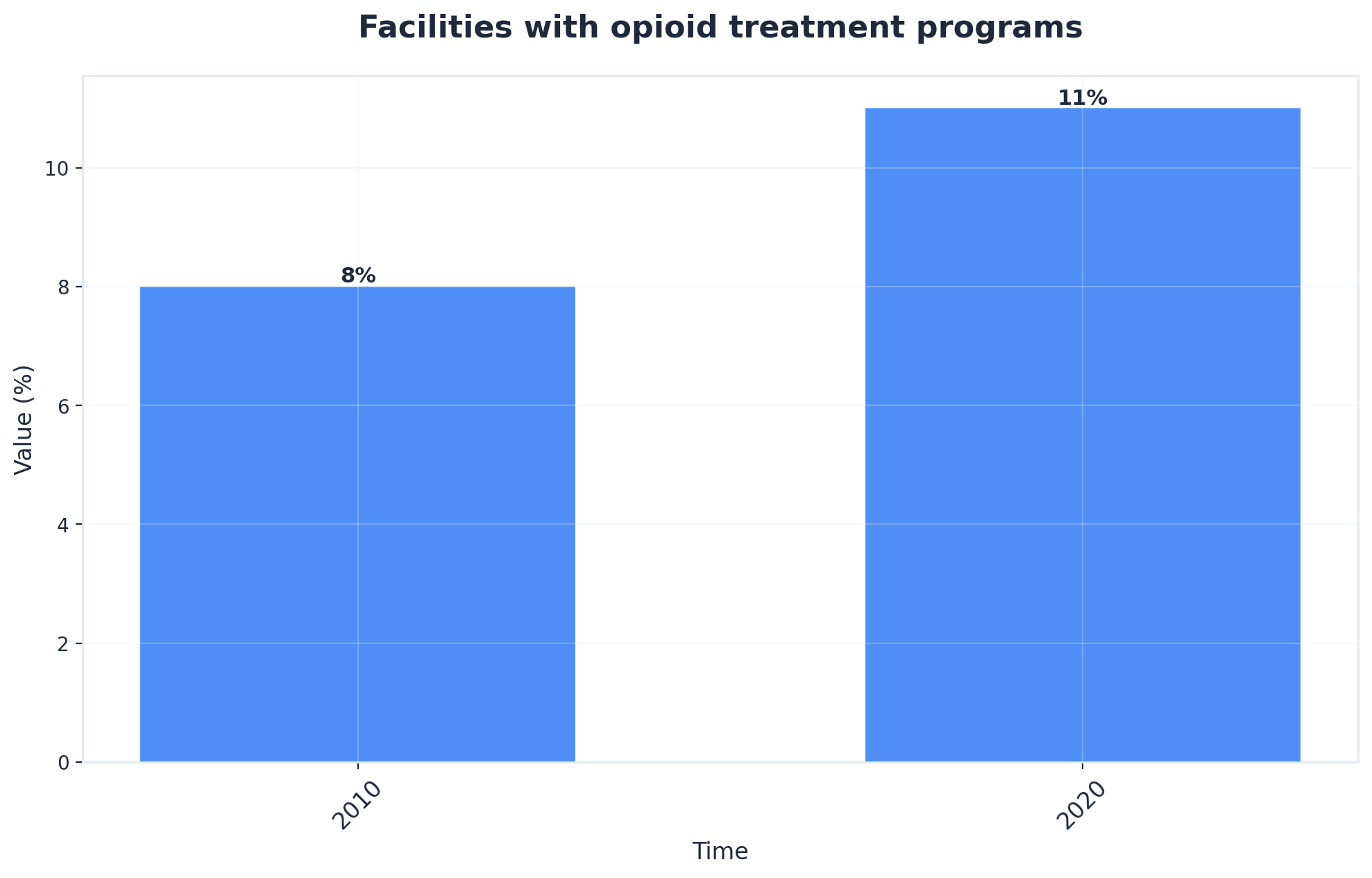
The Joint Commission emphasizes measurable outcomes, integrated care planning, and continuous improvement processes. CARF’s approach centers on person-first programming, outcome measurement, and thorough on-site surveys. Accreditation is not a one-time event; facilities must maintain documentation, staff training, and clinical protocols that adapt to emerging evidence and changing standards. This ongoing accountability is especially relevant given the evolving landscape of fentanyl use and overdose risks.
The table below highlights key focus areas in each accreditation process:
| Accreditor | Focus Areas |
|---|---|
| Joint Commission | Clinical leadership, safety, integrated care, measurable outcomes |
| CARF | Person-centered care, outcome tracking, on-site evaluation |
Understanding these standards can help professionals identify which programs are equipped to deliver safe, effective care for complex fentanyl cases. The next section will examine Tennessee-specific licensing requirements and how they shape local treatment quality.
Tennessee state licensing sets the foundation for legal operation and clinical safety in any facility. The Department of Health requires facilities providing substance use disorder treatment to maintain active licenses specific to the type of care—such as medical detox, residential, or outpatient services. These licenses mandate strict adherence to minimum staffing ratios, ongoing clinical supervision, and the presence of licensed healthcare professionals for key services.
For medical detox and MAT programs, Tennessee law requires physician oversight, protocols for managing withdrawal with controlled substances, and clear documentation of treatment planning. Facilities must also demonstrate capacity for overdose prevention, including on-site naloxone and staff training in its administration—a requirement strengthened in 2024 to address rising fentanyl risks.4
The table below outlines core Tennessee licensing requirements for addiction treatment programs:
| Requirement | Description |
|---|---|
| Licensed clinical staff | Supervision and delivery of treatment |
| Physician oversight | Mandatory for medical detox and MAT |
| Naloxone availability | On-site, with staff trained in overdose response |
| Documented treatment plans | Individualized and regularly updated |
Verifying Tennessee state licensure ensures a facility meets baseline standards for safe, ethical fentanyl treatment. As the next step, examining evidence-based treatment protocols reveals how clinical quality extends beyond regulatory compliance.
Between facility size limits, waivers, and state-by-state rules, figuring out your Medicaid or private insurance benefits can feel like its own full-time job. Our admissions team will verify your coverage in minutes and walk you through exactly what's available — no guesswork required.
Verify Insurance Benefits →No commitment required. Confidential & HIPAA-protected.
Medication-assisted therapy (MAT) is a cornerstone of effective fentanyl treatment, especially given the unique pharmacological challenges posed by this opioid. The ability to integrate MAT protocols—such as buprenorphine, methadone, or naltrexone—signals a facility’s commitment to evidence-based care. The potency of fentanyl often means standard opioid protocols are insufficient, requiring flexible dosing and rapid initiation strategies to manage intense cravings and minimize withdrawal risk.1
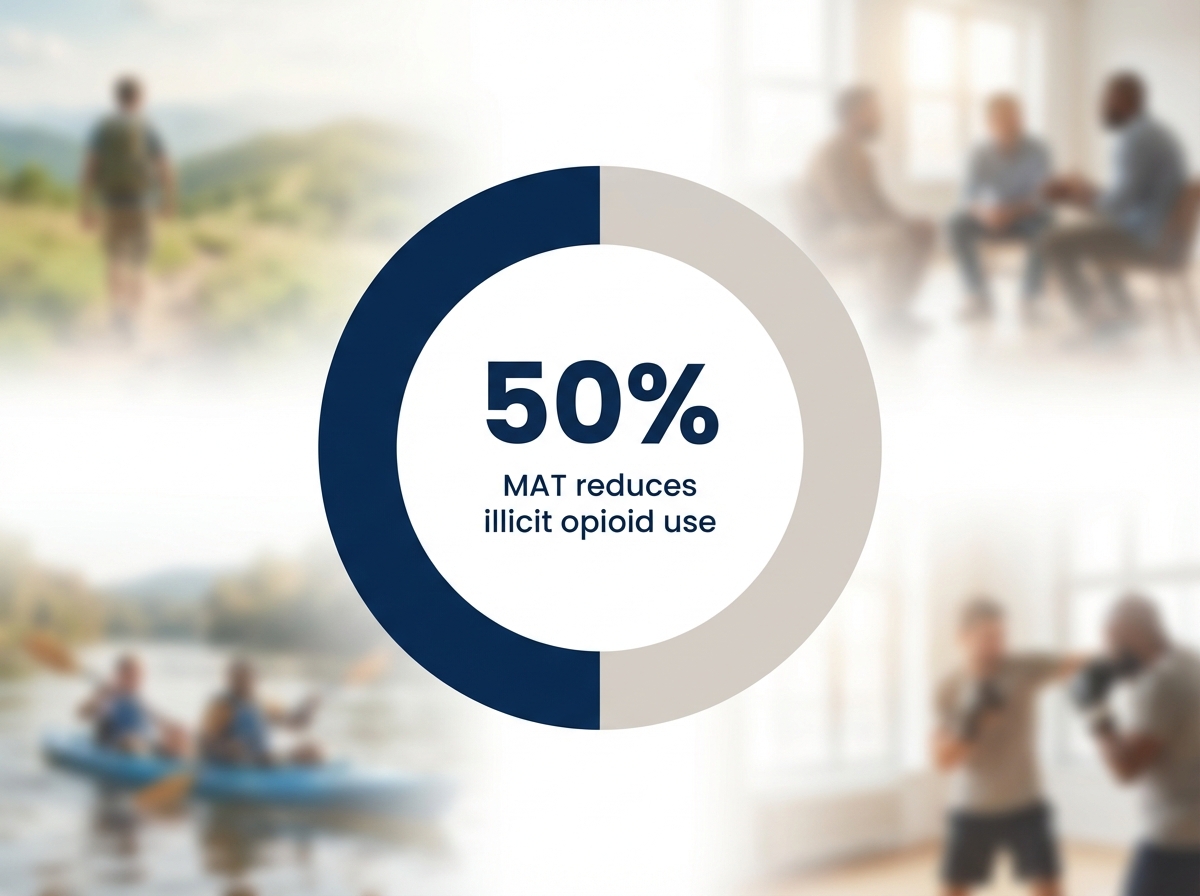
MAT should never function in isolation. The highest-quality programs combine medication management with structured behavioral therapies and peer engagement. Research demonstrates that MAT, when used alongside counseling and psychosocial support, reduces illicit opioid use by about 50% and improves retention in care compared to therapy alone.1 This integration is especially important for men in acute withdrawal, as it supports both neurochemical stabilization and behavioral change.
Facilities offering MAT must provide ongoing physician oversight, regular medication adjustment, and coordinated transitions between levels of care. Programs should also address potential barriers to MAT adherence—such as stigma, access, or co-occurring mental health needs—through patient education and supportive programming. The following table highlights key elements of effective MAT integration:
| MAT Component | Clinical Importance |
|---|---|
| Rapid access | Minimizes withdrawal and overdose risk |
| Flexible dosing | Tailors care for fentanyl’s high potency |
| Ongoing supervision | Ensures safety and long-term engagement |
| Combined therapies | Supports sustained recovery and accountability |
A strong MAT framework lays the groundwork for addressing the broader psychological and psychiatric needs common in fentanyl recovery, which will be discussed in the next section.
Programs addressing fentanyl use must recognize the close link between trauma, mental health, and substance use disorder. Many men entering treatment have lived through significant traumatic experiences—such as combat, injury, or early life adversity—that directly shape substance use patterns and recovery barriers. Trauma-informed care is not a single intervention, but a comprehensive framework that acknowledges how trauma impacts the nervous system, behavior, and relationships. Facilities should integrate trauma awareness into every stage of care, from intake to discharge, ensuring that treatment environments feel physically and emotionally safe for clients.10
Dual diagnosis, or co-occurring disorder care, is equally essential. Research shows that integrated treatment—addressing both substance use and mental health conditions together—leads to 25-40% greater engagement rates and significantly lowers relapse risk compared to treating addiction alone.9 Men with depression, anxiety, or post-traumatic stress often face unique triggers for fentanyl use, and failure to address these alongside substance use can undermine long-term recovery. High-quality programs screen for mental health needs at admission and provide evidence-based therapies such as CBT, DBT, or EMDR in combination with substance use treatment.
A trauma-informed, dual diagnosis model also extends to peer and group programming. Brotherhood-based approaches, movement therapy, and experiential activities can help men build trust, process trauma, and foster accountability in recovery. At a specialized Knoxville rehab for men, integrating these elements ensures that co-occurring mental health needs are supported alongside SUD treatment. The table below highlights the clinical differences between standard SUD care and fully integrated trauma/dual diagnosis models:
| Treatment Model | Key Features |
|---|---|
| Standard SUD Care | Addiction-focused, limited mental health integration |
| Trauma/Dual Diagnosis Care | Mental health screening, trauma-informed, integrated |
By prioritizing trauma-informed and dual diagnosis care, facilities can offer a more supportive foundation for lasting recovery. The next section will examine how program structure and a strong continuum of care sustain these gains over time.
Successful treatment architecture for substance use disorders requires clinical flexibility and structural continuity—elements that directly address the professional man's need for both rigor and adaptability. The challenge isn't simply providing multiple care levels; it's creating an integrated system where movement-based programming and brotherhood accountability function as therapeutic constants across the entire recovery trajectory, regardless of intensity shifts.

Medical detox establishes the foundation through 24/7 supervised withdrawal management, but the therapeutic framework begins immediately. Even during acute stabilization, the brotherhood model introduces peer connection and the movement philosophy that will anchor subsequent phases. This isn't preparation for treatment—it's treatment that acknowledges the neurochemical restoration process starts with the body, not after it.
To effectively guide men through recovery, a comprehensive continuum of care typically includes the following structured phases:
The continuum's clinical value lies in individualized progression flexibility. Men move between intensity levels based on evolving needs and emerging challenges, maintaining therapeutic continuity and brotherhood connections throughout. A premier Nashville rehab integrating movement-based approaches across all care levels demonstrates how consistent therapeutic philosophy—rather than simply sequential programming—creates superior outcomes. The architecture works because it addresses what professional men actually need: clinical rigor, neurobiological restoration, peer accountability, and the flexibility to adapt treatment intensity without abandoning the foundational elements driving their recovery.
The comprehensive continuum—from medical detox through structured programming to alumni support—addresses the reality that professionals in crisis require both immediate medical intervention and sustained rebuilding infrastructure. Medical detox ensures safe withdrawal management, while the progression through partial hospitalization, intensive outpatient, and aftercare creates the structured framework that mirrors the accountability systems familiar from professional life.
Movement-based programming, trauma therapy, and brotherhood-centered peer support complement psychiatric care and medication management, targeting the neurological dysregulation and isolation that often accompany substance use disorders in high-functioning men. This integrated approach recognizes that rebuilding professional credibility and personal relationships requires more than symptom management—it demands restoration of the discipline, purpose, and peer accountability that sustain long-term recovery.
Trifecta Healthcare Institute's Nashville rehab and Knoxville rehab facilities offering this continuum model create pathways back to professional contribution and personal integrity. The combination of evidence-based clinical intervention with structured physical challenge and male-specific peer support establishes the foundation for men to reclaim both career trajectory and relational health—not through fragmented services, but through coordinated care that addresses the full scope of what addiction disrupts and what recovery must restore.
To initiate this process, you can press Ctrl + D to bookmark this guide for future reference when coordinating care for a man in crisis.
Fentanyl medical detox usually lasts between five and ten days, though the exact duration can vary based on the client’s physical health, the level of fentanyl dependence, and the presence of other substances in the system. Most individuals experience the most intense withdrawal symptoms within the first 48 to 72 hours, making constant medical supervision essential during this window. Because fentanyl’s potency leads to rapid and sometimes unpredictable withdrawal, facilities offering fentanyl rehab near me should be prepared for flexible protocols, including extended monitoring if complications arise. National clinical guidelines recommend continuing medical oversight and symptom management until both acute withdrawal and neurochemical stabilization are achieved 6.
When fentanyl is mixed with other substances like xylazine, the risks and treatment needs change significantly. Xylazine is a non-opioid sedative that can cause severe sedation, dangerously low blood pressure, and wounds that do not heal easily. Its presence with fentanyl complicates both withdrawal management and overdose response, as naloxone may not reverse xylazine’s effects. In a clinical context, facilities offering fentanyl rehab near me must be prepared for more intensive monitoring and wound care, as well as protocols that address both opioid and non-opioid toxicity. The CDC updated guidelines in 2024 to reflect the need for specialized care in these mixed-exposure cases 8.
While some individuals may achieve short-term abstinence from fentanyl through non-medication approaches, the evidence consistently shows that medication-assisted therapy (MAT) dramatically improves both safety and long-term outcomes. MAT—using medications like buprenorphine or methadone in combination with therapy—reduces illicit opioid use by about 50% and increases treatment retention compared to counseling alone 1. Programs that exclude MAT often see higher rates of relapse and overdose, especially given fentanyl’s potency and rapid withdrawal cycle. Still, some men prefer or require non-pharmacological pathways, and these can be supported by trauma-informed behavioral therapies, movement-based recovery, and peer accountability. For professionals searching “fentanyl rehab near me,” it’s critical to ensure that programs offer the full range of evidence-based interventions to match client needs.
Facilities use a structured, clinical assessment to determine when a client is ready to step down from partial hospitalization (PHP) to intensive outpatient (IOP). This decision is guided by criteria from the American Society of Addiction Medicine (ASAM), which evaluates factors such as withdrawal stability, medical and psychiatric needs, engagement in group and individual therapy, and readiness for more independence. Progress is measured by consistent attendance, improved coping skills, and active participation in recovery activities. For those seeking fentanyl rehab near me, it’s important to know that a step-down is only recommended when a client is medically stable, showing improved mental health, and able to manage daily responsibilities with less supervision. This approach helps reduce relapse risk and supports sustainable progress in recovery 6.
Insurance verification is a critical step in making treatment for fentanyl use disorder accessible to clients across Tennessee. By confirming coverage early, facilities can help men reduce out-of-pocket costs and avoid unexpected financial barriers that might delay or disrupt care. For professionals coordinating admission to a fentanyl rehab near me, timely insurance checks allow for smoother transitions from crisis to detox, and ensure that the recommended level of care—such as medical detox or residential treatment—will actually be covered. Research shows that insurance acceptance and verification processes are among the top factors influencing whether individuals follow through with admission and complete recommended treatment protocols 7.
Men-only programs can be clinically advantageous for fentanyl recovery, especially when peer accountability and shared lived experiences are central to the treatment model. Research shows that gender-specific groups foster increased trust and honest communication, which is particularly valuable for men processing trauma or addressing patterns of substance use tied to masculinity and isolation. Brotherhood-based approaches may also reduce stigma and support higher engagement rates compared to mixed-gender settings 9. For professionals searching for a fentanyl rehab near me, considering men-only programming can be beneficial when the client’s needs align with environments that emphasize camaraderie, movement-based therapies, and gender-informed support.
Whether it's you or someone you love, our team can help you figure out the next step — what treatment looks like, what's covered, or just someone to talk to.
Talk to Our TeamConfidential. No commitment required.



July 30, 2026