


How to Vet and Choose a Rehab for Alcoholics Near Me
Learn how to evaluate a rehab for alcoholics near me by checking licensure, accreditation, therapies, medication use, and long-term care quality.
Read More
Learn how movement based recovery enhances physical and mental health through tailored activities, peer support, and clinical therapy integration.
Start Your Journey NowWritten and reviewed by the clinical team at Trifecta Healthcare Institute, a men’s-only treatment center in Tennessee specializing in substance use, mental health, and dual diagnosis care.
Implementing a movement based recovery program is a critical evolution for professionals treating men with substance use disorders. As industry peers, you understand that traditional talk therapy alone often fails to engage active men. By integrating physical activity directly into the clinical framework, you provide a tangible, action-oriented pathway to healing that addresses both the body and the brain.
Checklist: Identifying Signs of Dopamine System Dysregulation in Recovery Clients
Chronic substance use disrupts the brain’s dopamine system—a core pathway governing reward, motivation, and pleasure. This dysregulation leaves many men in early recovery facing blunted mood, low drive, and an increased risk for relapse. Physical activity offers a direct neurobiological intervention: regular exercise gradually restores dopamine sensitivity and receptor availability, supporting healthier reward processing10.
Recent neuroimaging studies show that structured movement routines produce dopamine system changes on par with some pharmacological treatments, yet without the same side-effect profile1. For active men, this means that incorporating movement-based programming into daily or weekly schedules can help recalibrate the brain’s natural motivation circuits. Aerobic and resistance activities—such as running, boxing, or circuit training—have demonstrated particular efficacy in reducing cravings and elevating mood, leading to improved treatment adherence4.
This approach works best when signs of dopamine dysfunction are evident, especially in men transitioning out of acute withdrawal. Many professionals find that movement-based protocols accelerate both emotional recovery and sustained engagement, compared to talk-therapy alone. At facilities like Trifecta Healthcare Institute, we see firsthand how combining these physical interventions with co-occurring mental health treatment alongside SUD support creates a more resilient foundation for long-term sobriety.
Assessment Tool: Quick Neuroplasticity Readiness Assessment
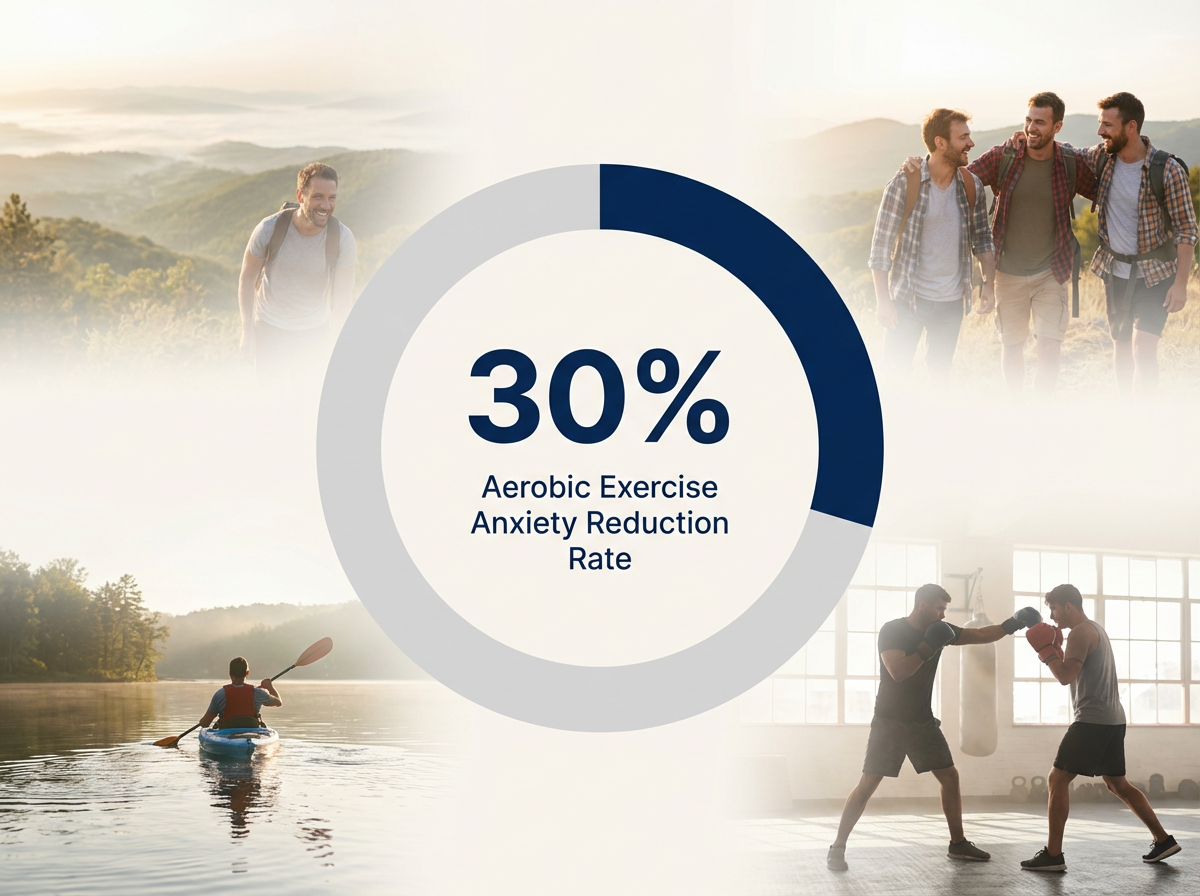
Exercise-induced neuroplasticity describes the brain's ability to adapt and rewire itself in response to physical activity. For men in recovery, this adaptive process is critical: structured exercise strengthens neural pathways governing executive function, impulse control, and reward sensitivity. Studies reveal that movement-based programs can drive sustained improvements in prefrontal cortex function and help downregulate hypersensitive reward circuits—key areas typically impaired by chronic substance use3.
Notably, these changes aren’t just temporary. Research shows that consistent involvement in aerobic, resistance, or martial arts activities leads to long-lasting shifts in brain structure and function, with effects comparable to combined psychotherapy and medication3. This strategy suits organizations that support active men who respond best to hands-on engagement and want to build resilience beyond talk therapy alone. Time investments range from 90 to 150 minutes per week for measurable benefit, with group or individual sessions typically led by credentialed movement specialists.
If you've spent any time evaluating treatment options or operating a facility, you've likely noticed a glaring operational gap: most programs assume clients will heal best sitting still. Traditional addiction treatment centers around sedentary approaches—therapy rooms, lectures, and processing trauma through conversation alone. The clinical frameworks are solid. Modalities like CBT, DBT, and trauma-informed care remain essential to recovery. However, the delivery model overlooks something you probably already know from professional experience: active men process stress and emotion differently when their bodies are engaged.
You've seen this disconnect in your cohorts before. The outlets that helped these men regulate—whether structured exercise, physical work, or active problem-solving—suddenly disappear precisely when their nervous systems need them most. Hours spent in chairs, expected to access deep emotional processing through words alone, often leads to frustration. Their instinct tells them that movement unlocks something conversation can't reach. This isn't resistance to therapy; it's recognizing a fundamental mismatch between how treatment is delivered and how they actually integrate new information.
"Movement isn't just stress relief; it's a direct pathway to the neurological rewiring recovery requires. When you're dealing with trauma or co-occurring mental health conditions, the body often holds what words can't yet express."
The neuroscience backs up what you've observed on the floor. Physical movement activates neural pathways distinct from talk therapy, releasing endorphins and regulating the stress hormones that substance use has disrupted. This means your recovery approach needs somatic components—not as optional supplements to "real" therapy, but as primary tools for accessing the emotional processing traditional methods struggle to reach.
There's another gap many of us recognize: the identity piece. If a man has built his sense of self through action, achievement, or physical competence, programs emphasizing passivity often feel incomplete. They engage superficially, check the boxes, but don't experience the deeper integration that translates to lasting change. It's not about avoiding difficult emotional work—it's about accessing that work through methods that match how they are wired to process experience.
What this means for your operational approach: sustainable healing requires more than understanding the "why" behind substance use. You need to help clients rebuild neural pathways, restore physical health, and develop new emotional regulation skills through methods that engage their whole system. Whether you are running a Nashville rehab or evaluating a Knoxville rehab for men, the industry increasingly recognizes this need. The goal is finding integrated approaches that honor both evidence-based clinical work and the therapeutic power of physical engagement.
Decision Aid: Combat Sports Readiness Checklist
Combat sports and martial arts—including boxing, jiu-jitsu, and Muay Thai—offer more than just a physical outlet for men in recovery. Evidence indicates these disciplines create significant improvements in emotional regulation, impulse control, and stress management, all crucial for sustained sobriety5. Group-based combat training delivers a unique blend of peer accountability and brotherhood, fostering a supportive environment that reinforces commitment to recovery goals.
Neuropsychological research highlights boxing, in particular, for its measurable outcomes in anger management and emotional self-efficacy. Participants demonstrate superior results compared to those in traditional psychoeducation-only groups, with effects maintained at 6-12 month follow-up8. Opt for this framework when working with men who respond to challenge-based interventions and benefit from clear routines and feedback loops.
Resource requirements include certified martial arts instructors, appropriate safety equipment, and clinical oversight to monitor emotional responses—especially in early recovery. Typical programming integrates 2-4 sessions per week, with each session lasting 60-90 minutes. When documenting progress in your EHR, use the Tab key to navigate to the Somatic_Response field, ensuring you capture the physiological baseline before talk therapy begins.
Decision Matrix: Is Adventure Therapy Right for Your Cohort?

| Assessment Criteria | Indicator for Outdoor Programming |
|---|---|
| Engagement Level | Men who become visibly disengaged or restless in indoor clinical settings. |
| Treatment Objectives | Goals heavily feature leadership, teamwork, or self-efficacy building. |
| Historical Success | Traditional modalities have previously failed to sustain motivation or group cohesion. |
| Medical Clearance | Clients are cleared for moderate-to-vigorous physical activity in unpredictable environments. |
Adventure therapy and outdoor programs—such as hiking, ropes courses, and water-based activities—offer a distinct therapeutic mechanism for men in recovery. Unlike gym-based routines, these modalities combine physical challenge, novelty, and immersion in nature to stimulate natural reward pathways and foster resilience. Research shows participants in adventure therapy report 40–60% improvements in self-efficacy and engagement, especially among male populations9.
These experiences help men reconnect with their bodies, develop trust within a supportive peer group, and practice adaptive coping under real-world stressors. This path makes sense for organizations serving men who resist conventional therapy or who thrive when presented with authentic, physical challenges in natural settings. Outdoor programming also supports the principles of movement-based recovery by leveraging environmental novelty and peer accountability—two factors proven to enhance treatment retention and psychological growth9.
Resource requirements include access to safe outdoor locations, certified adventure therapy facilitators, and robust risk management protocols. Typical time investment ranges from half-day excursions to multi-day intensives, depending on your clinical objectives and budget constraints.
Between facility size limits, waivers, and state-by-state rules, figuring out your Medicaid or private insurance benefits can feel like its own full-time job. Our admissions team will verify your coverage in minutes and walk you through exactly what's available — no guesswork required.
Verify Insurance Benefits →No commitment required. Confidential & HIPAA-protected.
Protocol Builder: Timing and Intensity Guide for Early Recovery
Determining when and how intensely to introduce movement-based recovery is crucial in early treatment phases. The first two weeks post-detox are marked by heightened fatigue, dysregulated mood, and fluctuating motivation—periods when overexertion may backfire. Clinical evidence suggests that beginning with gentle, supervised activity during these windows enhances safety and builds foundational engagement, especially for men accustomed to high-output lifestyles4.
As neurobiological stability improves, supervised progression to moderate-intensity sessions supports dopamine restoration and helps reduce cravings, with aerobic and resistance exercise showing 50–60% reductions in craving intensity4. This solution fits teams working with men who want to maintain their physical identity but must avoid injury or emotional overwhelm in early recovery.
Supervision by credentialed staff is essential, and most programs require 90–150 minutes of structured movement weekly for optimal outcomes. Peer-supported group formats also improve adherence and psychological resilience5.
Integration Blueprint: Movement and Therapy Pairing Grid

| Movement Modality | Therapeutic Pairing | Clinical Objective |
|---|---|---|
| Combat Sports (Boxing/Jiu-Jitsu) | Cognitive Behavioral Therapy (CBT) | Process anger and reframe negative thought patterns post-exertion. |
| Outdoor Adventure (Hiking/Ropes) | Dialectical Behavior Therapy (DBT) | Practice distress tolerance and mindfulness in real-world stressors. |
| Moderate Resistance Training | Trauma-Focused Therapy (EMDR) | Regulate the nervous system prior to processing traumatic memories. |
Combining movement-based recovery with established therapeutic modalities delivers measurable advantages for active men in treatment. For example, pairing aerobic exercise or martial arts with cognitive behavioral therapy has been shown to significantly improve mood stability and reduce relapse rates compared to either intervention alone1. The underlying mechanism involves exercise-induced neuroplasticity, which primes the brain for deeper therapeutic processing and better emotional regulation3.
Dialectical behavior therapy skills, when practiced immediately after high-intensity movement, are more likely to be retained and applied in real-world scenarios, particularly among men who struggle with traditional talk-based formats. Consider this method if your organization wants to coordinate movement sessions and therapy groups within the same clinical window—ideally, in a 2- to 3-hour block.
While resource-intensive (requiring both credentialed movement specialists and licensed therapists), the result is enhanced engagement, improved treatment retention, and sustained neurobiological gains across the recovery continuum4.
The challenge outlined above—neurochemical disruption, emotional dysregulation, and the limitations of traditional approaches—demands a comprehensive solution. Building an effective movement-based recovery framework addresses these interconnected issues through intentional structure that balances physical challenge with therapeutic support. This isn't about adding exercise as an afterthought; it's about constructing daily programming where movement activities function as primary therapeutic tools.
The foundation begins with establishing baseline activities—consistent physical engagement that becomes non-negotiable in daily structure. This means identifying 3-5 movement modalities that address different aspects of recovery. Boxing and jiu-jitsu sessions (typically 45-60 minutes, 3-4 times weekly) provide intensity and focus while teaching emotional regulation through controlled aggression. Outdoor activities like hiking or basketball (2-3 times weekly) offer moderate-intensity cardiovascular work that supports neurochemical rebalancing without overwhelming the system.
At facilities like Trifecta Healthcare Institute, biohacking activities such as ice baths are utilized to force a controlled stress response. This deliberate cold exposure triggers a massive release of norepinephrine and dopamine, effectively resetting the nervous system. Practiced daily for 15-30 minutes, it creates physiological calm that makes subsequent therapeutic work much more accessible for men in recovery.
The framework's effectiveness multiplies when movement integrates directly with evidence-based therapies rather than running parallel to them. Consider processing CBT insights during a post-boxing cooldown, when the body's natural endorphin release creates openness to examining thought patterns. Or conducting DBT skills training during hiking sessions, where physical challenges provide immediate opportunities to practice distress tolerance and emotional regulation in real-time.
Trauma-informed approaches like EMDR can be scheduled following moderate-intensity activities when the nervous system is regulated but alert, creating optimal conditions for processing difficult material. Remember, Trifecta does not offer primary mental healthcare—only co-occurring mental health treatment alongside SUD support. This integration means a typical week might look like this:
Monday: Boxing followed by individual CBT session Tuesday: Group DBT during outdoor adventure activity Wednesday: Jiu-jitsu with trauma processing in cooldown Thursday: Moderate hiking with peer accountability check-ins Friday: Ice bath practice followed by EMDR session Weekend: Structured recreational activities with brotherhood supportProgression through recovery stages requires adjusting both intensity and complexity. Early recovery (weeks 1-4) emphasizes establishing routine and nervous system regulation. Mid-recovery (weeks 5-12) introduces greater physical challenges and deeper therapeutic work. Late-stage programming (weeks 13+) builds toward sustainable independence and leadership opportunities within the brotherhood structure.
Peer accountability strengthens every element of this framework. Brotherhood connections formed through shared physical challenges create natural support networks that extend beyond formal treatment sessions. Men hold each other accountable for showing up to morning boxing sessions, push each other through difficult hikes, and process struggles together during cooldowns. The men-only environment allows for the specific dynamics that make this peer accountability effective—direct communication, shared understanding of masculine identity challenges, and the unique bonds formed through physical adversity faced together.
Movement-based recovery offers a fundamentally different processing mechanism than traditional approaches—one that leverages the body's natural capacity for neurochemical regulation and stress management. Rather than simply talking through challenges, this framework creates space for men to physically metabolize difficult emotions while building sustainable coping patterns.
The reality is that building an effective movement-based recovery framework is an ongoing process of operational refinement. What works during early recovery may evolve as healing progresses. The key is developing awareness of which physical activities genuinely help your clients process stress, trauma, and cravings—then intentionally structuring your clinical work around these insights.
If you're considering how to integrate movement into your facility's recovery process, start with these immediate steps: First, identify which physical activities already resonate with your demographic—this might be running, lifting, martial arts, or simply walking. Second, intentionally schedule these activities around therapeutic work, using movement both as preparation for processing and as integration afterward. Third, experiment with intensity levels to discover what your clients' nervous systems need on different days.
Recovery is rarely linear, and building a personalized, facility-wide framework takes time and patience. Trust that by implementing these strategies, you are developing a robust program that will serve your clients long beyond initial treatment. The work you're doing to understand this holistic healing process is building a foundation that extends into every aspect of their lives ahead.
Selecting the right movement modality for an individual begins with a thorough assessment of physical history, current health status, and motivational drivers. For example, men with a background in team sports or high-intensity fitness may be drawn to boxing or martial arts, which offer both physical challenge and peer accountability. Others who show anxiety in group settings or need exposure to novel environments might benefit more from adventure therapy or outdoor programming. This approach is ideal when clinical goals include building self-efficacy, emotional regulation, and sustained engagement, as these have been shown to improve by 40–60% in adventure therapy cohorts 9. Always integrate clinical screening to ensure safety and align programming with the principles of movement based recovery.
Implementing movement-based recovery programming introduces additional costs beyond traditional seated therapy models, primarily due to the need for certified movement instructors, specialized equipment, and facility upgrades for safe activity (such as gym spaces or outdoor gear). While group movement sessions can offset some expenses through shared participation, ongoing staff training and risk management protocols are also necessary. These resource needs make initial investment higher compared to talk-therapy-only offerings; however, research shows that integrating structured physical activity can reduce relapse rates by 30–40%, potentially offsetting costs through improved retention and fewer readmissions 2. This approach works best for facilities seeking long-term value and improved clinical outcomes.
Measurable neurobiological changes from movement interventions can be observed in as little as 2–4 weeks, especially with consistent engagement in structured exercise or group-based activities. Early improvements often include reduced craving intensity, better mood regulation, and enhanced stress response, which correspond to measurable shifts in brain reward pathways and neuroplasticity markers 4. For sustained, long-term neurobiological benefits—such as durable changes in dopamine sensitivity and prefrontal cortex function—research suggests a minimum of 8–12 weeks of regular participation in movement based recovery programming is necessary 3. Progress is typically accelerated when sessions are supervised by credentialed movement or clinical specialists.
Movement-based recovery can be highly effective for clients with co-occurring trauma histories when carefully structured and clinically supervised. Research shows that modalities such as martial arts, boxing, and adventure therapy support emotional regulation, reduce anxiety, and foster trust and group cohesion—key needs for trauma-affected men 59. These approaches work best when trauma screening informs activity selection and intensity, ensuring that physical challenges build confidence without overwhelming the nervous system. Integrating trauma-informed principles—such as consent for physical contact and gradual exposure—maximizes benefits and safety. This method is especially useful when standard talk therapy alone has failed to engage trauma survivors.
Before implementing high-intensity movement protocols, comprehensive screening for medical and psychological contraindications is essential. Medical red flags include uncontrolled cardiovascular conditions, recent orthopedic injuries, or untreated hypertension, which can all increase risk of adverse events during vigorous activity 4. On the psychological side, acute psychiatric instability, recent trauma exposure, or severe anxiety disorders may require gradual introduction of movement-based recovery activities to avoid overwhelming the nervous system 5. This path makes sense for teams working with men in early recovery or with complex health profiles—prioritizing safety and building intensity gradually can prevent setbacks and support sustainable engagement.
Movement-based recovery and medication-assisted treatment (MAT) are highly compatible when integrated within a coordinated clinical framework. Exercise and structured physical activity address neurobiological imbalances that MAT alone may not fully resolve—such as restoring dopamine sensitivity and improving reward processing—while MAT helps stabilize withdrawal symptoms and reduce relapse risk 4. Studies indicate that combining these approaches can accelerate mood improvement, lower craving intensity, and increase treatment retention for men in recovery. This strategy suits cohorts where sustained engagement and whole-person healing are clinical priorities. Collaboration between medical providers and movement specialists ensures safety and optimizes outcomes.
Safely delivering movement-based recovery interventions requires a blend of clinical expertise and specialized movement training. Staff should hold certifications relevant to the activities they facilitate—such as personal trainer, group fitness instructor, or martial arts coach credentials from recognized organizations. For adventure or outdoor programming, certification in wilderness first aid and risk management is essential. Clinical staff must also be trained in trauma-informed care to recognize and respond to clients’ physical and psychological needs during exercise 5. Coordinated supervision by both licensed therapists and credentialed movement specialists ensures interventions meet safety and therapeutic standards for men in active recovery.
Whether it's you or someone you love, our team can help you figure out the next step — what treatment looks like, what's covered, or just someone to talk to.
Talk to Our TeamConfidential. No commitment required.



July 30, 2026