


How to Vet and Choose a Rehab for Alcoholics Near Me
Learn how to evaluate a rehab for alcoholics near me by checking licensure, accreditation, therapies, medication use, and long-term care quality.
Read More
Explore effective, accessible rehab programs in Nashville designed for lasting recovery, serving key neighborhoods with convenient locations and proven results.
Start Your Journey NowWritten and reviewed by the clinical team at Trifecta Healthcare Institute, a men’s-only treatment center in Tennessee specializing in substance use, mental health, and dual diagnosis care.
Just east of the Cumberland River, neighborhoods like Five Points, Germantown, and The Nations are seeing a clear rise in professional men seeking more engaging paths to recovery. In these areas—and across Midtown, Edgehill, and near the iconic Nissan Stadium—the demand for Nashville active rehab is growing rapidly. This shift comes as Tennessee faces a striking treatment gap: more than 800,000 Tennesseans need substance use disorder services, yet only a fraction receive help each year9.
Demand for action-oriented treatment is especially visible among men who want structured programming that goes beyond traditional talk therapy. Local men’s groups report higher interest in programs that blend exercise, boxing, and outdoor adventure—mirroring citywide trends in fitness, biohacking, and professional wellness. For high-performing men, optimizing recovery requires a system that respects their drive and leverages their physical capabilities.
"Being able to hike and train with other guys going through the same struggle changed my view on recovery. It made downtown meetings feel less isolating and gave me a tangible way to process my stress."
Accessibility is a key driver for sustained engagement. With rehab centers convenient to I-40 and walkable from neighborhoods like The Gulch, men can fit recovery into busy work schedules and still enjoy the city’s greenways. Concerns about traffic and parking, especially around West End and the Vanderbilt campus, also shape where active programs are most in demand. Professionals can easily initiate their journey by using the Confidential Intake portal to schedule an assessment around their existing commitments.
Physical activity does far more than simply offer a healthy distraction for men seeking recovery in neighborhoods like Lockeland Springs, Eastwood, or near Centennial Park. Neuroimaging studies reveal that consistent exercise helps restore dopamine balance and activates neuroplasticity—the brain’s ability to rewire itself after periods of substance use2. Understanding the role of Brain-Derived Neurotrophic Factor (BDNF) is critical here; movement naturally increases this protein, accelerating the repair of neural circuits.
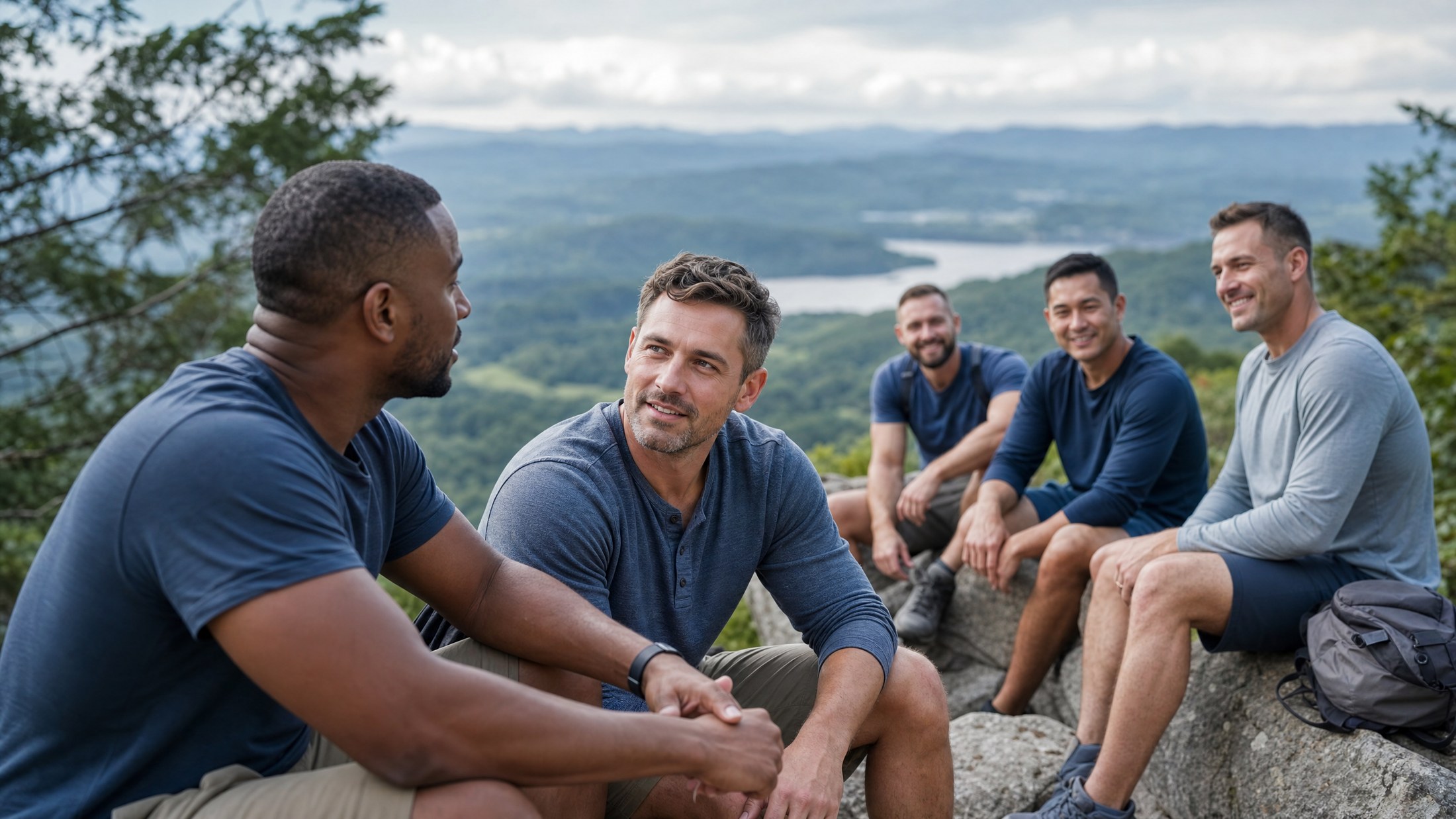
This matters immensely in Nashville active rehab, where the city’s energy and access to greenways, trails, and sports facilities allow for movement-based recovery models that fit seamlessly into daily routines. Participation in structured physical activity—whether that’s boxing in North Nashville, group hikes around Percy Warner Park, or basketball in Bellevue—provides real neurological benefits. Research shows that individuals who attend at least 75% of exercise sessions during treatment achieve significantly higher rates of abstinence and improved mood stability compared to those with lower adherence10.
For men who have spent years cycling through cravings and withdrawal, this tangible boost in brain health and self-regulation is a marked turning point. Local success stories reinforce these findings. One South Inglewood resident described how his commitment to daily jiu-jitsu sessions in nearby East Nashville helped him "finally feel present again, not just in my body but in my mind." Another participant from Wedgewood-Houston credited regular hiking meetups for helping him "reset the mental patterns that always led back to relapse."
Evidence supporting movement-based interventions for substance use disorder is especially relevant to Nashville’s active rehab scene, where local men in districts like Hillsboro Village, Donelson, and around the Bicentennial Mall seek recovery programs that resonate with the city’s culture of physical engagement. Recent clinical studies show that integrating exercise—whether in the form of boxing, martial arts, or guided group hikes—can significantly reduce relapse risk and improve treatment retention rates2.

| Treatment Approach | Primary Modality | Professional Impact | Retention Efficacy |
|---|---|---|---|
| Traditional Outpatient | Talk Therapy Only | Standard / Passive | Baseline |
| Active Rehab | Movement + Clinical | High (Biohacking Focus) | Elevated (+75% Adherence)10 |
For men navigating recovery in places like Bellevue or around the 12 South neighborhood, these findings support what many already experience anecdotally. One recovering professional from East Nashville described overcoming years of cycling through outpatient programs by joining a movement-focused group: “I finally felt connected to something real. Training together at the local gym made it easier to show up—there was no hiding.” Another man in Green Hills highlighted how regular basketball games near Centennial Park helped him manage cravings during high-risk periods.
Citywide, the accessibility of greenways and recreational spaces—often just minutes from major arteries like I-440 or walkable from The Gulch—removes barriers to participation. This is crucial given that neighborhood-specific concerns, such as parking limitations around Midtown or safety after dark in parts of North Nashville, can otherwise deter attendance.
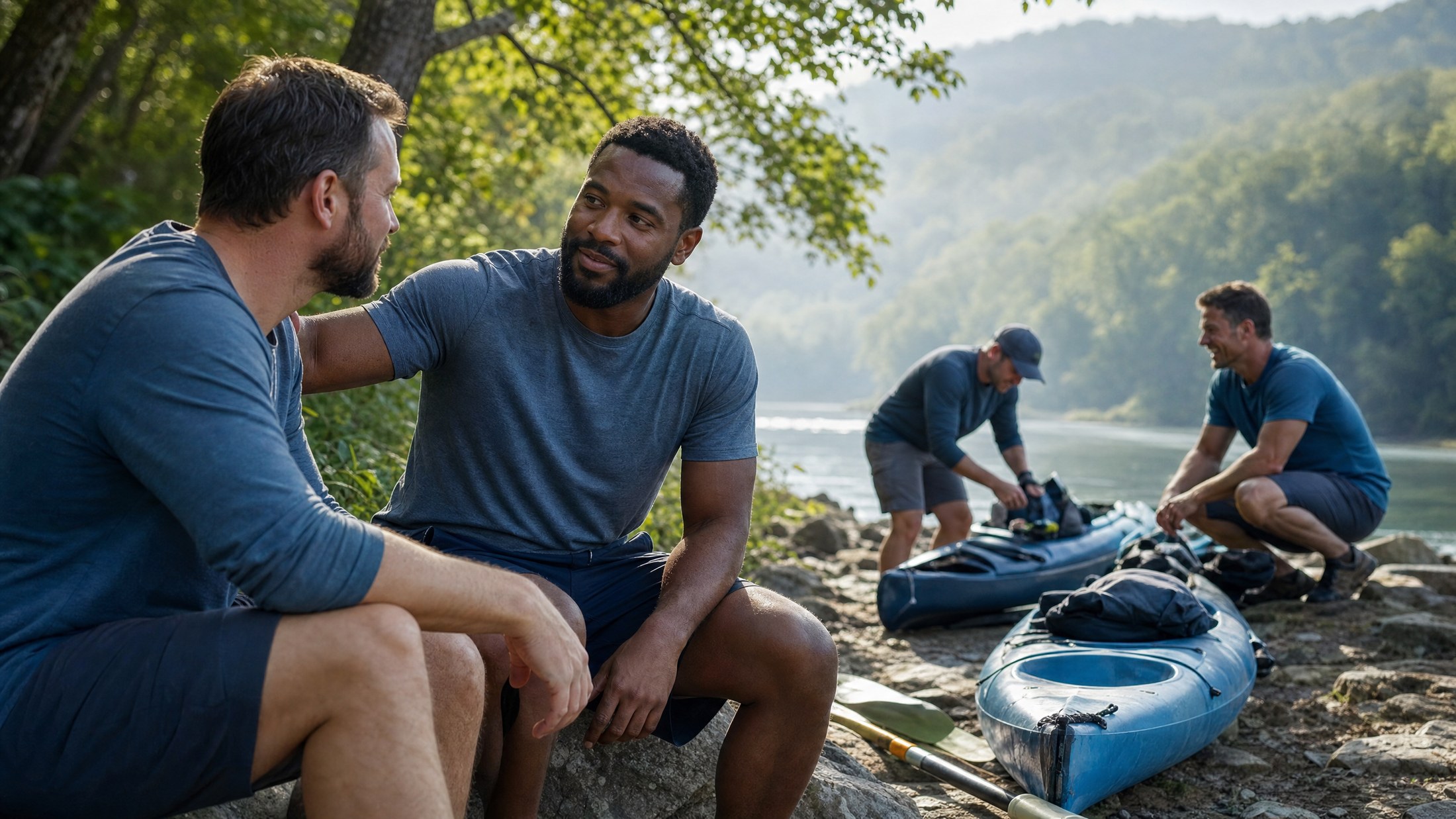
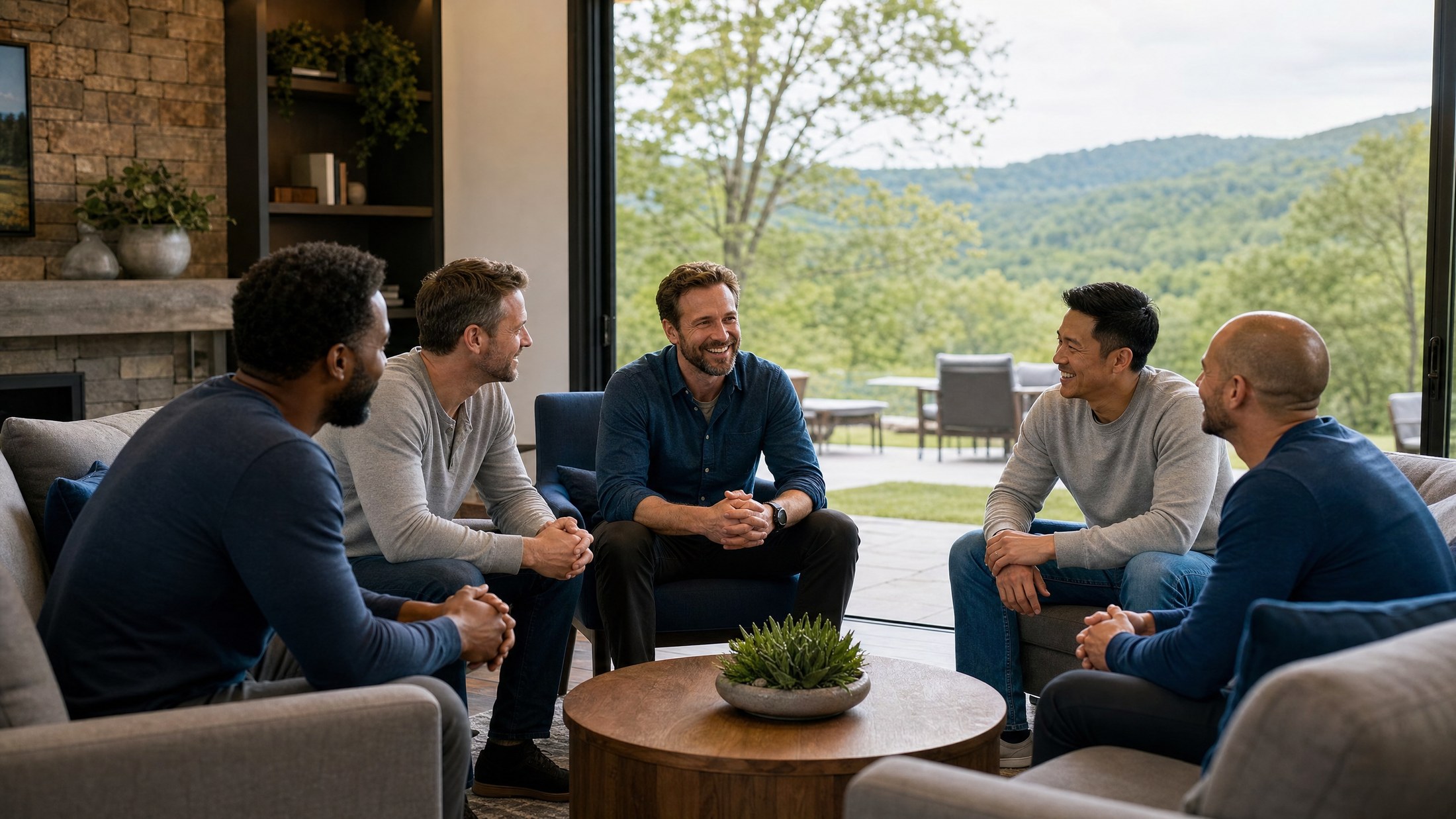
Brotherhood and accountability stand out as defining features of Nashville active rehab, especially in neighborhoods like 12 South, Sylvan Park, and East Nashville. Local men often seek out recovery programs that foster genuine camaraderie—spaces where trust is built through shared effort, whether that’s on the hiking trails of Percy Warner Park or during boxing sessions near The Nations. In these environments, peer relationships become a source of daily motivation and support, holding each participant to a higher standard.
In Nashville, where isolation and stigma can be as much an obstacle as cravings, the brotherhood model offers a powerful antidote. Research underscores that treatment retention is closely linked to positive outcomes, and that programs embedding social support and mutual accountability—such as team-based exercise or group therapy—drive higher engagement and sustained abstinence2.
"It was never about going it alone. The guys in my program became the reason I stayed focused. When work stress spiked, knowing my brothers were expecting me at the gym kept me from slipping."
Concerns unique to the city, like parking constraints around The Gulch or late-night safety in parts of Downtown, are often solved collectively. Participants coordinate carpools or meet at central spots like Shelby Park, making consistency more achievable. Another local shared, "Having a crew from Germantown made the logistics easier, and we always looked out for each other." This brotherhood not only boosts accountability but also creates the emotional safety needed for men to address core issues.
Combining behavioral therapies with physical training has become a defining feature of Nashville active rehab, particularly in neighborhoods like Green Hills, The Nations, and Sylvan Park. Men in these areas are increasingly drawn to programs that blend evidence-based modalities with structured movement, including boxing, jiu-jitsu, and hiking sessions along the city’s greenways.
It is important to note that Trifecta Healthcare Institute does not offer primary mental healthcare. We specialize exclusively in co-occurring mental health treatment provided alongside comprehensive SUD support. Our integrated clinical approach includes:
Research indicates that integrating these approaches leads to higher treatment retention and improved outcomes. For example, a study on DBT found that patients who received the therapy in combination with other interventions had a 64% retention rate, more than double that of treatment-as-usual groups7. When physical training is added, men report greater motivation, mood stability, and self-efficacy—key outcomes for lasting recovery2.
Local men have seen these benefits firsthand. One participant from Edgehill described how combining weekly CBT groups with morning boxing near the Gulch helped him "finally believe lasting change was possible." Neighborhood-specific concerns, such as parking access near The Nations or traffic around Music Row, are addressed by scheduling flexible training times and offering group carpools.
Trauma-informed care is taking root in Nashville active rehab settings, particularly in neighborhoods like Germantown, Wedgewood-Houston, and near Shelby Park. Here, clinicians and recovery specialists recognize that unresolved trauma often drives substance use and relapse. Active engagement—such as group martial arts on the East Bank or hiking therapy in Percy Warner Park—offers men a safe outlet to process trauma while building resilience and trust within a peer-driven environment.
Recent research highlights that trauma-informed models, when combined with movement-based interventions, help reduce substance use and PTSD symptoms more effectively than traditional approaches alone4. In practice, this means integrating trauma screening, psychoeducation, and emotional regulation strategies into physical activity sessions. For example, group boxing near West End is paired with skills-building discussions, while jiu-jitsu classes in The Nations incorporate mindfulness and grounding techniques.
"Working through trauma wasn’t something I could do sitting in a chair. On the trail with my group, I finally felt safe enough to talk about what happened."
City-specific obstacles—like limited evening parking around Downtown or safety concerns after dark—are addressed through coordinated group sessions and daytime scheduling. This ensures men from Edgehill to East Nashville can consistently access trauma-informed care in a way that meets both their emotional and logistical needs.
Men across Middle Tennessee shouldn't have to choose between quality treatment and staying connected to their communities, families, and the outdoor spaces that support their recovery journey. The Nashville location brings evidence-based addiction treatment directly to men throughout the region—eliminating the barrier of distance that too often prevents men from accessing the brotherhood-based, movement-focused programming that makes sustainable recovery possible.

Whether arriving from downtown Nashville's urban core, the professional communities of Brentwood and Franklin, or the growing neighborhoods of Murfreesboro and Mount Juliet, men find the same comprehensive Nashville rehab services that integrate boxing therapy, jiu-jitsu, and outdoor adventure activities with trauma-informed clinical care. This regional accessibility means men can engage fully in intensive treatment while maintaining connection to their home communities.
Local access isn't just about convenience—it's about creating sustainable recovery infrastructure. Men participating in partial hospitalization or intensive outpatient programs can continue their treatment while gradually reintegrating into their communities, testing new coping skills in familiar environments, and building the local brotherhood connections that extend far beyond discharge.
Sample Daily Professional IOP Schedule: 07:00 AM - Brotherhood Check-in & Ice Bath Protocol 08:30 AM - Clinical Group Therapy (Co-occurring Focus) 10:30 AM - Movement Therapy (Jiu-Jitsu / Boxing) 12:00 PM - Professional Integration & Lunch
From medical detox through alumni services, the Nashville facility serves men throughout Middle Tennessee with programming designed not just for initial sobriety, but for the active, engaged life that follows. This foundation of accessible, movement-based care creates the opportunity every man in active addiction deserves: the chance to begin recovery today, without waiting or traveling far from the community where his new life will unfold.
Between facility size limits, waivers, and state-by-state rules, figuring out your Medicaid or private insurance benefits can feel like its own full-time job. Our admissions team will verify your coverage in minutes and walk you through exactly what's available — no guesswork required.
Verify Insurance Benefits →No commitment required. Confidential & HIPAA-protected.
Recovery begins with recognizing that change is possible and choosing to pursue it. For men across Tennessee who've been managing substance use disorders while maintaining demanding careers or family responsibilities, the gap between acknowledgment and action can feel insurmountable. The transition from knowing something needs to change to actually making that change requires courage, but it doesn't require perfection. It requires one concrete action: making a phone call, blocking out calendar time for an assessment, or telling one trusted person the truth.

Movement-based recovery programming offers an accessible entry point for men who learn and heal through action rather than conversation alone. Physical activities like boxing, jiu-jitsu, and outdoor adventure therapy provide tangible ways to process trauma and rebuild confidence while addressing underlying substance use patterns. This approach recognizes that healing happens through doing, not just discussing—that the body can lead where words sometimes fail.
Men exploring Nashville rehab options often find that the city's movement-based programs align with their need for active engagement, while those considering Knoxville alcohol rehab programs appreciate the integration of outdoor activities with evidence-based treatment. Men-only programming creates accountability through brotherhood, while therapies including CBT, DBT, and EMDR address both substance use and co-occurring mental health conditions. The path forward starts with one decision: to invest in lasting change rather than temporary fixes. The question isn't whether change is possible—it's whether today is the day to begin.
Consistent attendance in physical activity sessions during Nashville active rehab is strongly linked to better long-term recovery outcomes. Research shows that individuals who participate in at least 75% of scheduled exercise sessions experience significantly higher rates of abstinence and improved mood stability, compared to those with lower attendance10. This effect is particularly notable in Nashville neighborhoods where structured group activities—like boxing in The Nations or hiking in Percy Warner Park—help men stay engaged and accountable. High adherence to movement-based programming not only boosts treatment retention but also builds self-efficacy and resilience, two key factors in sustaining recovery2.
Men-only programming is often more effective than mixed-gender treatment settings because it fosters an environment of mutual understanding and peer accountability tailored to the unique needs and experiences of men in recovery. In Nashville active rehab, this approach helps break down barriers to vulnerability, as participants often feel safer discussing sensitive topics like trauma or anger without the added pressure of mixed company. Research supports that treatment retention and outcomes improve when social support and group cohesion are high—key strengths of men-only groups2. Peer dynamics in all-male settings, especially in neighborhoods like Midtown or The Nations, promote honesty, camaraderie, and a culture where accountability is valued.
Yes, co-occurring mental health conditions can be effectively treated alongside substance use disorders in Nashville active rehab settings. Integrated approaches—combining behavioral therapies like CBT or DBT with movement-based interventions—allow men to address depression, anxiety, or trauma while working on recovery. This dual-focus model is especially important given that over 21 million U.S. adults have both a mental illness and a substance use disorder, and those with mental illness are at higher risk of developing SUDs5. In practice, men in neighborhoods like Midtown or Germantown benefit from seamless access to both types of care within a single, action-oriented program.
For most men participating in Nashville active rehab, research indicates that a minimum of 90 days in structured treatment is associated with the best long-term outcomes2. This timeframe gives individuals enough opportunity to stabilize physically, practice new coping skills, and build supportive routines within their neighborhood—whether based in Midtown, Germantown, or Sylvan Park. Longer stays, especially when transitioning through partial hospitalization, intensive outpatient, and sober living, further improve retention and reduce relapse risk. Optimal duration can vary based on personal progress, but remaining engaged for at least three months significantly increases the likelihood of sustained recovery2.
Active rehab facilities in Nashville are easily accessible from a wide range of neighborhoods, making it practical for men to engage in structured recovery programs. East Nashville, Sylvan Park, Germantown, and The Nations all offer convenient options, with many centers located near major routes like I-40 and I-24. Midtown and West End provide access for professionals working near Vanderbilt or Music Row, while Bellevue and Donelson benefit from proximity to parks and greenways. Concerns about late-night safety or parking—common in Downtown and The Gulch—are often addressed by group carpools and flexible session times. This citywide accessibility helps boost treatment retention and engagement in Nashville active rehab2.
Structured sober living provides a crucial bridge for men in Nashville active rehab transitioning from intensive treatment back to daily life. Recovery housing models, such as those available in neighborhoods like East Nashville, Germantown, and Bellevue, have been shown to cut substance use rates in half compared to usual care, while also boosting employment and reducing criminal charges8. These environments offer peer accountability, consistent routines, and support networks—all key for maintaining progress after partial hospitalization or intensive outpatient care. Residents benefit from practical resources and community connections tailored to Nashville’s unique recovery landscape, increasing the likelihood of sustained abstinence and personal growth.
Neuroplasticity is the brain’s remarkable ability to form new neural connections, a process that is crucial in recovery from substance use disorders. In Nashville active rehab, movement-based interventions—such as boxing in The Nations or hiking around Percy Warner Park—stimulate neuroplasticity, helping to repair circuits damaged by prolonged substance use. Research using brain imaging has shown that sustained abstinence and regular physical activity can restore dopamine system function and support the development of healthier behavioral patterns2. This enhanced brain flexibility allows men in recovery to relearn coping skills and build resilience, making lasting change possible even after years of addiction.
Whether it's you or someone you love, our team can help you figure out the next step — what treatment looks like, what's covered, or just someone to talk to.
Talk to Our TeamConfidential. No commitment required.

July 30, 2026