


How to Vet and Choose a Rehab for Alcoholics Near Me
Learn how to evaluate a rehab for alcoholics near me by checking licensure, accreditation, therapies, medication use, and long-term care quality.
Read More
Learn how recovery training combines movement, peer support, and skill-building to help men heal from substance use and mental health challenges.
Start Your Journey NowWritten and reviewed by the clinical team at Trifecta Healthcare Institute, a men’s-only treatment center in Tennessee specializing in substance use, mental health, and dual diagnosis care.
Recovery as a skill-building process means treating healing like learning a new sport or instrument. You don’t just wake up one day with all the tools you need. Instead, you practice and develop new habits, routines, and ways of thinking. When professionals ask what is recovery training, they’re really talking about a structured approach that helps people actively build the skills to manage substance use and co-occurring mental health challenges.
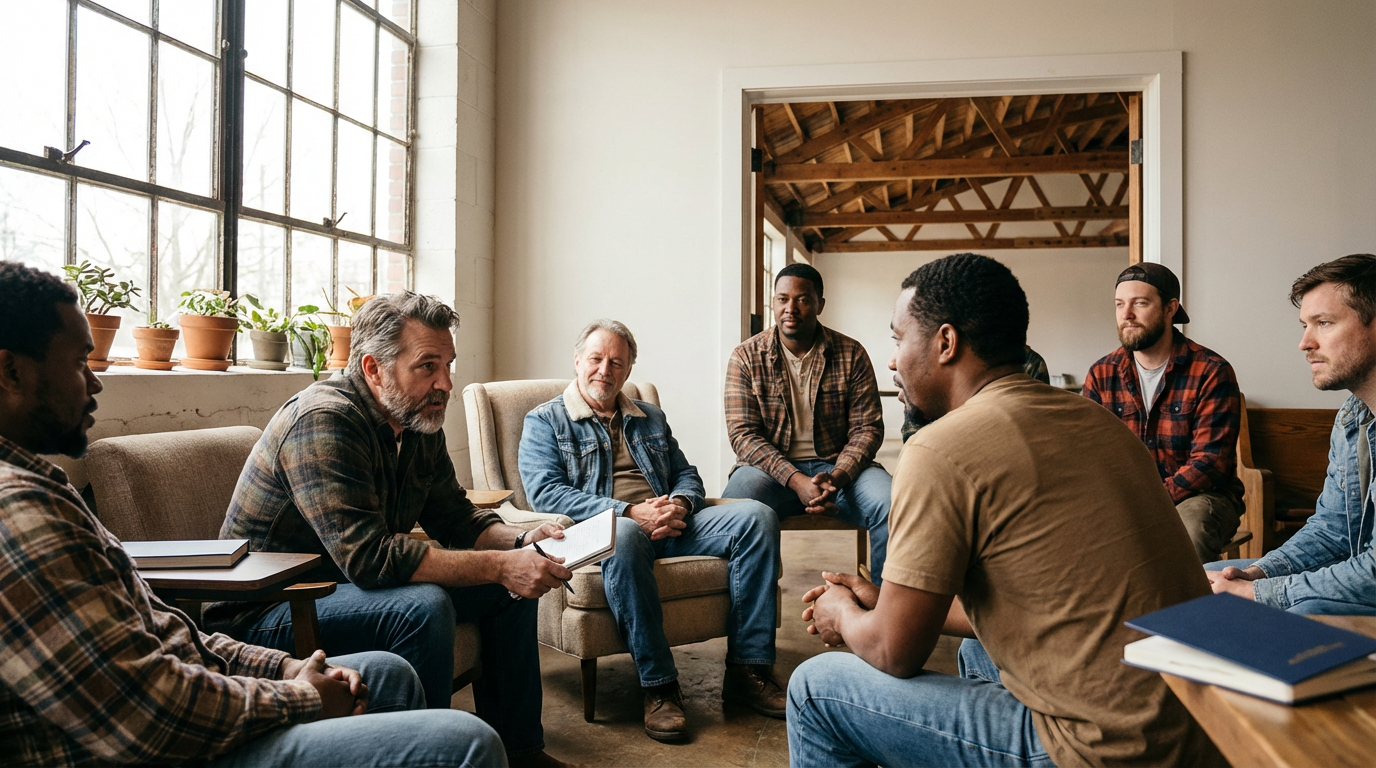
Think of it like training for a marathon: you start small, build strength and confidence over time, and celebrate milestones along the way. Recovery training uses techniques like cognitive-behavioral skill development, life skills coaching, and movement-based exercises to help men change behaviors and handle stress in healthier ways.
"Recovery is not just about stopping unwanted behaviors. It’s about replacing old habits with new, constructive ones—like learning to communicate openly, use coping strategies, or engage in positive activities."
This active process boosts self-efficacy, which is a person’s belief in their ability to succeed. In one study, after a life skills intervention, 73.3% of participants reported high self-efficacy, compared to just 22.2% before training began6. Programs at a Nashville rehab or Knoxville rehab for men are designed to make these skills stick through real-world practice and repetition.
Understanding the science behind these methods means looking at how the brain changes during healing. Our brains are built to adapt—this ability is called neuroplasticity. Imagine your brain like a network of hiking trails: old habits create well-worn paths, but with practice, you can build new, healthier trails.
Recovery training uses this science, helping men create positive routines that literally rewire how they think, react, and handle stress. Research shows that movement, skill-based practice, and social connection all boost neuroplasticity. Activities like learning new coping skills or participating in group exercise stimulate the brain’s reward system and encourage the growth of new connections between brain cells5.
Over time, these new pathways make it easier to choose healthy behaviors instead of falling back into old patterns linked to substance use or mental health struggles. For professionals, the key takeaway is that effective recovery training is not just about information, but about hands-on experience that drives real brain change. Programs that mix cognitive activities with physical movement and peer support help men strengthen their decision-making and self-control at a biological level5.
Cognitive-behavioral skill development is a key part of the recovery process. Think of it as learning a set of mental tools that help men spot, challenge, and change unhelpful thoughts and behaviors. Just like an athlete studies game film to improve performance, individuals in recovery practice recognizing triggers, managing cravings, and responding with healthier choices.
These skills are taught step-by-step. First, men learn to notice patterns—like negative self-talk or automatic reactions to stress. Next, they practice replacing those old habits with more constructive ones, such as pausing before reacting or using problem-solving strategies.
| Old Thought Pattern | Cognitive Reframing Strategy | New Constructive Thought |
|---|---|---|
| "I always mess up." | Identify absolute language and challenge it. | "I’m learning and growing, even if I stumble." |
| "I can't handle this stress." | Pause, breathe, and assess resources. | "This is hard, but I have tools to manage it." |
Programs use real-life exercises and group discussions to make these skills second nature. Over time, this training doesn’t just improve coping. It also builds confidence and self-efficacy—the belief that you can handle challenges. In fact, research shows that after completing a structured life-skills program, the percentage of participants with high self-efficacy jumped from 22.2% to 73.3%6.
Movement-based therapeutic interventions are a core element of recovery, offering men active ways to build resilience and regulate emotions. Instead of relying only on talk therapy, these programs use physical activities to help rewire the brain and body’s response to stress.
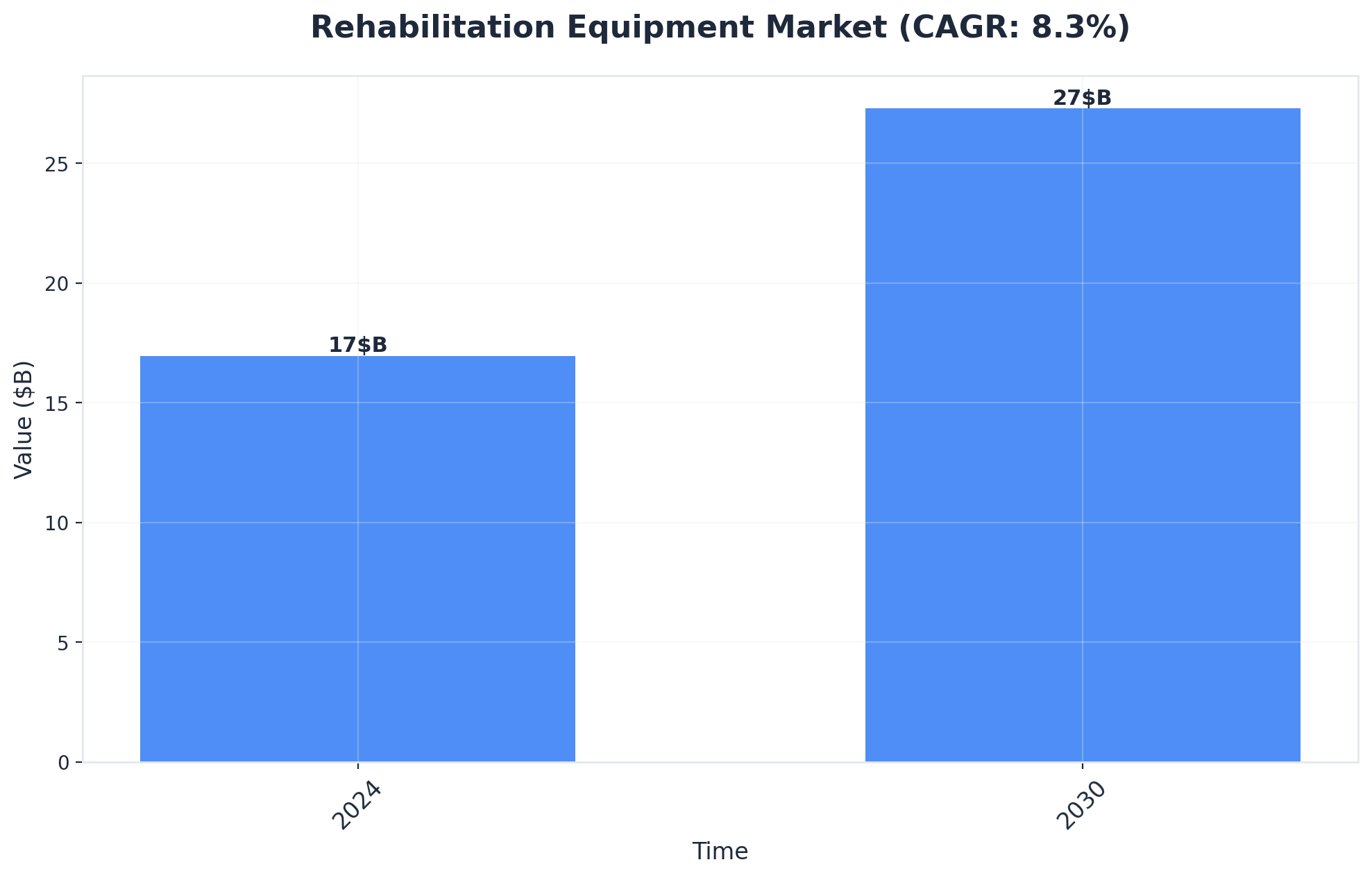
Imagine learning to ride a bike: you can read about balance, but real skill comes from practice. Similarly, movement-based therapies give participants a hands-on way to practice coping and self-regulation in real time. At Trifecta Healthcare Institute, we integrate several movement-based therapies:
Research shows that exercise and physical challenges help the brain form new connections, boost mood, and reduce cravings—key factors in recovery and co-occurring mental health support1. For example, group hiking or martial arts sessions not only increase endorphins but also foster peer connection and accountability, which are essential for long-term healing1.
These interventions are especially valuable for men who excel with action-oriented learning or feel stuck in traditional therapy. By channeling energy into movement, participants build confidence and find new routines that support recovery.
Structured practice works a lot like learning to play an instrument or mastering a new sport. When someone repeats a specific action—such as responding calmly to stress or choosing positive activities—those actions become stronger “paths” in the brain.
Scientists call this neuroplasticity, which means the brain can form new connections throughout life. Imagine your brain as a field of grass: every time you walk the same route, you create a visible trail. Practicing healthy responses over and over works the same way, making the new habits easier to follow and more automatic over time.
Research shows that active, hands-on repetition is what helps these new neural pathways grow and last5. In practical terms, daily routines like journaling, movement therapy, or group skill-building exercises reinforce these trails. Think of it like using the Ctrl + S shortcut on a keyboard to save your work; repetition "saves" these new behaviors into your brain's automatic memory.
For professionals working with men in programs like a Nashville rehab or Knoxville rehab for men, emphasizing practice—not just knowledge—builds real confidence in making healthy choices. Structured practice isn’t a one-time event; it’s a daily investment in rewiring the brain for resilience and self-control5.
Peer support and accountability systems are essential features of recovery, especially for men’s programs. These systems act like a safety net and a launchpad at the same time. Imagine climbing a mountain: having a team means someone is there to catch you if you slip, and also to urge you forward when the path gets steep.
In recovery training, this means men work together in groups where they share challenges, celebrate wins, and keep each other motivated. Research highlights that individuals who engage in programs with strong peer and community support have better outcomes and are more likely to maintain long-term recovery7.
Accountability partners—often called “brothers” or peers—help reinforce daily routines, encourage honest conversations, and provide reminders to stick with new habits. This sense of brotherhood and shared experience reduces isolation and increases confidence, which is key for self-efficacy. When setbacks happen, the group helps members get back on track without shame, focusing on progress, not perfection.
These systems make the journey more than just a solo effort. They create a culture where men are both supported and challenged to grow. This group-based model helps anchor new behaviors in daily life, turning short-term effort into long-term change7.
When professionals evaluate programs, they often look for proof that these methods truly help men achieve lasting change. Evidence shows that structured recovery training—especially when it includes skill-building, movement-based therapy, and peer support—leads to better outcomes and is financially practical for organizations and communities alike.
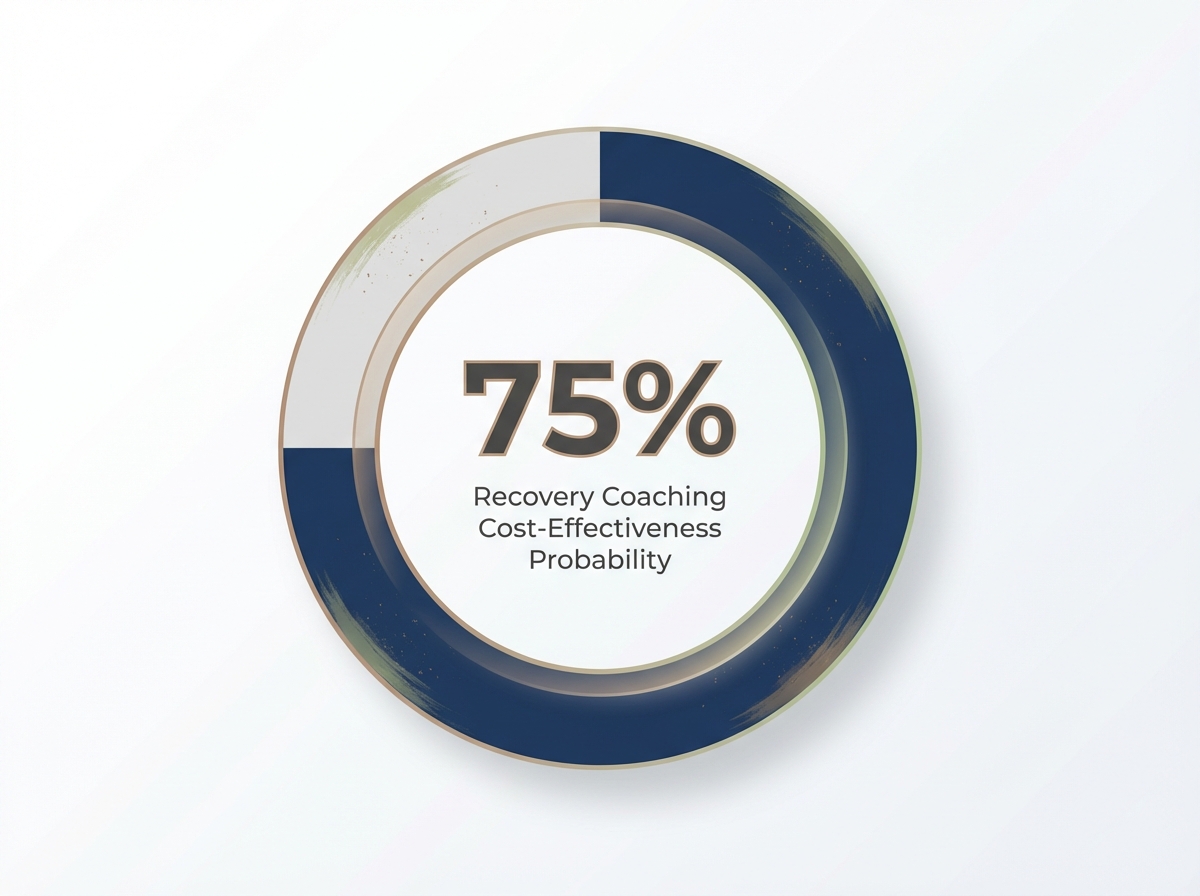
For example, research demonstrates that recovery coaching and follow-up training after formal treatment significantly improve long-term abstinence and quality of life. Economic modeling found that post-treatment recovery coaching is highly cost-effective.
Cost Analysis Comparison: - Post-treatment recovery coaching: ~$5,900 per quality-adjusted life year gained. - Additional person achieving recovery: ~$10,500. - Single relapse-related return to residential care: ~$17,200.These numbers highlight how investing in recovery training delivers more than just clinical results—it saves money and reduces the cycle of relapse for both individuals and systems. There is a 75% probability that these programs are cost-effective compared to repeated residential treatment or emergency interventions8. Programs rooted in evidence-based practices provide measurable, sustainable improvements in self-efficacy, employment, and social functioning8.
For professionals considering how to implement these strategies, long-term sustainability is about weaving new skills and routines into daily life—so recovery becomes part of who you are, not just something you do for a while. Imagine a musician who practices until playing an instrument feels natural. In the same way, men who integrate recovery tools are more likely to maintain their progress over time.
Research shows that true recovery is not a single event but a continuous process of change, where individuals build on what they’ve learned and adapt as new challenges arise9. Lasting results come when these skills are reinforced through daily routines: morning exercise, regular group meetings, and setting aside time for reflection or stress reduction.
This structure helps recovery become automatic, making it easier to handle setbacks and stay on track through life’s ups and downs. Integrated recovery training also means connecting with community resources and support systems beyond the program itself.
For example, alumni groups, ongoing coaching, and family involvement can all help sustain gains and prevent relapse7. When these supports are woven into the fabric of a person’s everyday routine, the changes made through recovery training are much more likely to stick for the long haul.
Between facility size limits, waivers, and state-by-state rules, figuring out your Medicaid or private insurance benefits can feel like its own full-time job. Our admissions team will verify your coverage in minutes and walk you through exactly what's available — no guesswork required.
Verify Insurance Benefits →No commitment required. Confidential & HIPAA-protected.
Recovery training is not exactly the same as traditional rehabilitation therapy. While both aim to support healing from substance use and mental health challenges, what is recovery training focuses on building practical skills and routines for daily life. Traditional rehabilitation often centers on clinical treatment and talk therapy, whereas recovery training uses active methods—like movement, peer support, and skills practice—to help men develop new habits and self-confidence. Research shows that recovery training emphasizes ongoing change and skill-building, creating lasting improvements in self-efficacy and daily functioning 6. Both approaches can work together, but recovery training is more action-oriented and hands-on.
The timeline for seeing results from recovery training programs varies for each person, but many men notice positive changes within the first few weeks of active participation. Progress often shows up first as improved mood, better coping with stress, or stronger self-confidence—small steps that build into bigger gains over time. Research on life skills training found a shift from low to high self-efficacy after just one structured program, showing that practical skills training can deliver measurable improvements in a matter of weeks to months 6. However, lasting results depend on consistent practice and engagement, so ongoing participation is key for maintaining momentum.
Yes, recovery training can address co-occurring mental health conditions alongside substance use disorders. The approach is designed to help men build practical coping skills, manage stress, and develop healthier routines—all of which support mental health as well as recovery from substances. What is recovery training often includes cognitive-behavioral techniques, movement-based therapies, and peer support, which research shows are effective in improving both substance use outcomes and emotional well-being 3. By treating the whole person and integrating mental health support into daily routines, recovery training helps men make sustainable changes that benefit both areas.
Family involvement is a key factor in the effectiveness of what is recovery training. When families participate—by joining educational sessions, offering encouragement, or practicing new routines at home—they help reinforce the skills men learn in recovery programs. This is similar to having a supportive pit crew for a racecar driver; the driver can focus on the track, knowing there’s backup in the garage. Research shows that family engagement leads to better outcomes, stronger motivation, and fewer relapses, as it provides emotional support and helps maintain accountability 7. Programs that include families create a more stable environment, making positive changes more likely to last.
Movement-based recovery programs can be just as effective as traditional talk therapy, especially for men who benefit from learning through action and physical engagement. Research indicates that exercise-based therapies help reduce cravings, improve mood, and support changes in the brain linked to long-term recovery 1. While talk therapy focuses on processing thoughts and emotions through conversation, movement-based approaches use activities like martial arts, hiking, or team sports to practice coping skills in real-world situations. Both methods encourage skill-building and self-efficacy, but movement-based recovery training offers an alternative for those who may feel stuck with only talk therapy or prefer active, hands-on learning.
After completing a formal recovery training program, men typically transition into ongoing support systems designed to help maintain the progress they’ve made. This next phase often includes alumni groups, continued peer meetings, recovery coaching, or community-based activities to reinforce new routines and skills developed during training. Research shows that structured follow-up, such as recovery coaching, greatly improves long-term outcomes and decreases the risk of relapse 8. Think of it like graduating from a training camp: the foundation is set, but regular practice and connection with peers keep those skills sharp. Ongoing engagement ensures that recovery becomes a lasting part of everyday life.
Recovery from substance use disorders requires more than willpower—it demands a comprehensive approach that addresses the physical, mental, and emotional dimensions of healing. Movement-based programming offers men a powerful pathway forward, combining evidence-based therapies with active engagement that restores both body and mind.
From boxing and jiu-jitsu to outdoor adventures and biohacking techniques, these modalities provide tangible tools for managing stress, rebuilding neural pathways, and establishing sustainable recovery practices. The integration of physical activity into treatment creates accountability structures and peer support networks that extend well beyond initial program completion.
Men who engage in movement therapy often discover renewed purpose, improved emotional regulation, and practical skills for navigating life's challenges without substances. At Trifecta Healthcare Institute's Nashville and Knoxville locations, our movement-based programming consistently demonstrates that lasting change happens when men feel empowered as active participants in their healing journey rather than passive recipients of care.
Through our brotherhood approach—combining neuroscience-backed physical activities with evidence-based therapies—we've helped men across Tennessee transform recovery from an abstract concept into a daily practice grounded in measurable progress and authentic connection. Whether someone connects with our Nashville rehab programs or Knoxville treatment centers, the focus remains the same: action-oriented recovery that rebuilds both body and mind.
Whether it's you or someone you love, our team can help you figure out the next step — what treatment looks like, what's covered, or just someone to talk to.
Talk to Our TeamConfidential. No commitment required.



July 30, 2026