



How to Vet and Choose a Rehab for Alcoholics Near Me
Learn how to evaluate a rehab for alcoholics near me by checking licensure, accreditation, therapies, medication use, and long-term care quality.
Read More
Learn how to assess alcoholism in men using key criteria and discover effective recovery methods that boost remission through peer support and therapy.
Start Your Journey NowWritten and reviewed by the clinical team at Trifecta Healthcare Institute, a men’s-only treatment center in Tennessee specializing in substance use, mental health, and dual diagnosis care.
Alcoholism, clinically known as alcohol use disorder (AUD), manifests differently in men compared to women, both physiologically and behaviorally. Alcoholism in men is a pervasive issue, with nearly 12% of men in the United States meeting diagnostic criteria for AUD at some point in their lives. Understanding these gender-specific differences is essential for recognizing when professional intervention becomes necessary.
Men often face unique sociocultural pressures that contribute to alcohol misuse. Traditional expectations around masculinity can discourage emotional vulnerability, leading some men to self-medicate stress, anxiety, or depression with alcohol instead of seeking support. Workplace demands, relationship challenges, and unresolved trauma frequently become catalysts for developing unhealthy drinking habits that escalate over time.
The progression from casual drinking to dependency rarely happens overnight. What begins as social drinking or stress relief can gradually shift into tolerance building, where increasingly larger amounts of alcohol are needed to achieve the same effects. Men experiencing this progression may not recognize the warning signs until the behavior has significantly impacted their health, relationships, or professional responsibilities.
Biological factors also play a role in how alcoholism develops in men. While men generally metabolize alcohol more efficiently than women initially, chronic heavy drinking causes severe damage to the liver, heart, and brain over time. The physical consequences of long-term alcohol abuse can be devastating, affecting everything from cognitive function to immune system health.
"Recovery from alcohol dependency requires comprehensive treatment that addresses both the physical addiction and underlying emotional factors. Men seeking Nashville rehabilitation or Knoxville treatment facilities will find that programs incorporating exercise and movement alongside genuine connection with peers create sustainable pathways to healing."
Recognizing that alcoholism is a treatable condition—not a moral failing—represents the first step toward reclaiming health and rebuilding a fulfilling life.
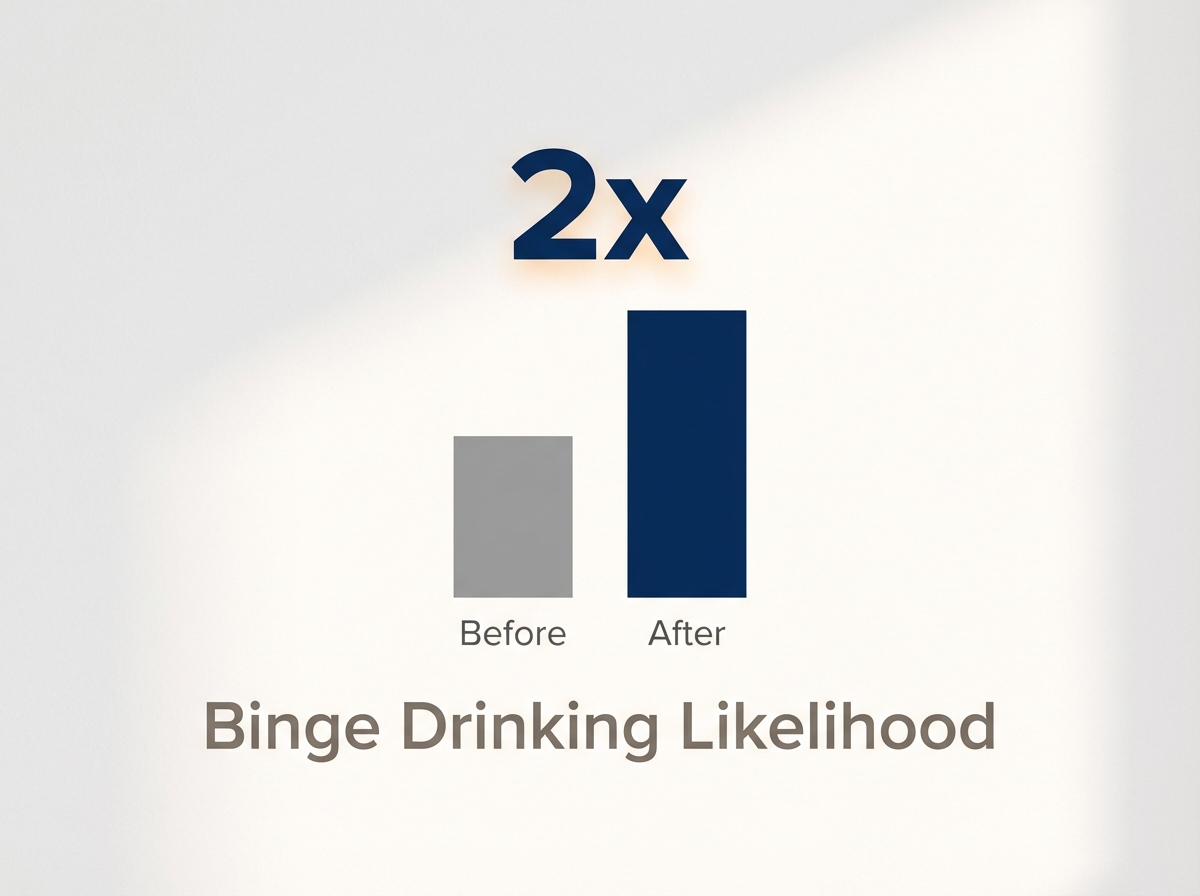
When examining gender-specific patterns of alcohol use disorder (AUD), it becomes clear that men experience both higher rates of diagnosis and distinct behavioral patterns compared to women. Men are not only twice as likely to engage in binge drinking, but they also tend to develop alcoholism at a younger age and often present with more severe behavioral consequences, such as legal or occupational problems, when seeking care2, 5.
These patterns mean that alcoholism in men frequently goes unrecognized until functional impairment or social conflict becomes pronounced. Early identification of such gendered warning signs can help men—and those who care about them—seek timely support, particularly in specialized environments like a Nashville rehab or Knoxville rehab for men.
Alcoholism in men remains a significant public health concern, with men accounting for 61.7% of all alcohol use disorder (AUD) diagnoses in the United States1. This high prevalence is not evenly distributed: Native Hawaiian/Pacific Islander, white, and Asian men experience the highest rates of past-year AUD at 15.9%, 12.7%, and 10.8% respectively, highlighting disparities that may influence both screening and support strategies1.

Core risk factors for hazardous drinking in men include:
The likelihood of binge drinking and related alcohol-related consequences is particularly elevated in young adult men ages 18–25, yet the risk for severe health outcomes persists into midlife and beyond2. Recognizing these patterns in regional settings, such as when considering a Knoxville rehab for men, can prompt earlier intervention and tailored care.
Biological and social influences shape how alcoholism in men emerges and persists, often making early detection complex. On the biological side, genetics play a substantial role, with heritability of alcohol use disorder estimated between 45% and 65%4. Hormonal factors also contribute; chronic heavy drinking in men can lead to reduced testosterone levels, impacting mood, sexual health, and energy—symptoms that may be overlooked when considering hazardous drinking patterns8.
Social influences are equally powerful. Peer pressure, workplace drinking norms, and masculine identity expectations often encourage riskier behaviors and discourage help-seeking. Research shows men are less likely than women to disclose problematic drinking due to stigma and concerns about appearing weak9. Recognizing these intertwined biological and social factors helps Nashville rehab teams and Knoxville rehab for men design movement-based recovery programs that address both the underlying causes and the lived experience of alcohol-related consequences.
Understanding when alcoholism in men meets the threshold for a clinical diagnosis starts with the DSM-5 criteria—a set of 11 clear warning signs recognized by healthcare professionals across the U.S. To be diagnosed with alcohol use disorder (AUD), a man must experience at least two of these symptoms within a 12-month period.
These signs range from repeated unsuccessful attempts to cut down, to continued drinking despite negative effects at work or home, and the development of tolerance and withdrawal symptoms3. This framework helps providers at places like a Nashville rehab or Knoxville rehab for men tailor movement-based recovery plans and address not just the drinking itself, but the underlying behavioral and social factors tied to hazardous drinking.
The DSM-5 outlines 11 warning signs that help clinicians identify alcohol use disorder (AUD) in men. These criteria include:
In men, these symptoms often show up as hazardous drinking patterns, workplace or family conflict, and withdrawal from activities that once brought joy3. Recognizing even a few of these behaviors is a key step in identifying alcoholism in men and seeking timely intervention through supportive environments such as a Nashville rehab or Knoxville rehab for men.
The DSM-5 categorizes alcohol use disorder in men as mild, moderate, or severe, based on how many criteria are met within a year.
| Severity Level | Criteria Met | Typical Impact |
|---|---|---|
| Mild | 2–3 Symptoms | Noticeable hazardous drinking; some social friction. |
| Moderate | 4–5 Symptoms | Escalating consequences; difficulty managing daily life. |
| Severe | 6+ Symptoms | Disruptive withdrawal; significant health/relationship damage. |
Research shows that early intervention at the mild or moderate stage of alcoholism in men leads to much higher remission rates—around 60-70%—compared to those who delay seeking help until the disorder becomes severe5. Providers at Nashville rehab or Knoxville rehab for men use this severity scale to create personalized, movement-based recovery plans that foster accountability and brotherhood.
Recognizing the early warning signs of alcohol dependency can be the difference between timely intervention and years of struggling with addiction. Among male populations, these indicators often manifest differently than they do in women, making awareness particularly crucial for those seeking help at facilities offering specialized care.
One of the most telling early signs involves drinking patterns that shift from social to solitary. When a person begins consuming alcohol alone, hiding their drinking, or feeling defensive when others mention their alcohol use, these behaviors often signal a developing problem. Many men rationalize this change as stress relief or unwinding after work, but the pattern itself warrants attention.
Physical tolerance represents another significant warning sign. Needing progressively larger amounts of alcohol to achieve the same effect indicates the body has adapted to regular consumption. This biological shift frequently accompanies withdrawal symptoms—such as shakiness, irritability, or anxiety—when drinking stops or decreases.
Behavioral changes provide additional clues. Missing work commitments, neglecting responsibilities at home, or abandoning hobbies and activities that once brought joy all suggest alcohol has become a priority over other life areas. Financial strain from alcohol purchases, coupled with relationship conflicts centered on drinking habits, further indicate a problem requiring professional attention.
Memory lapses or blackouts, even occasional ones, should never be dismissed as normal drinking consequences. These episodes reveal that alcohol consumption has reached levels affecting brain function. Similarly, unsuccessful attempts to cut back or quit drinking—making promises to reduce consumption but repeatedly failing to follow through—demonstrate that the person has lost control over their relationship with alcohol.
Behavioral and social changes are often the earliest and most noticeable warning signs of alcoholism in men. These patterns can include declining work performance, strained relationships with family or friends, and increased withdrawal from activities that once brought enjoyment. Men may start missing deadlines, showing up late, or losing motivation at work—a trend closely tied to hazardous drinking and functional impairment5.
At home, arguments or emotional distance may grow, and social isolation can become more pronounced. It’s also common for risky behaviors, such as driving under the influence or impulsive decision-making, to emerge as alcohol-related consequences intensify. Recognizing these shifts is crucial, as research shows men are less likely to openly discuss their struggles due to stigma, increasing the risk of these behaviors escalating before support is sought9.
A decline in work performance is often one of the earliest and clearest indicators of alcoholism in men. This may appear as chronic lateness, missed deadlines, or a noticeable drop in productivity—all closely associated with hazardous drinking and functional impairment5. Supervisors or colleagues might observe frequent absences, reduced focus, or increased errors, even in men who previously excelled in their roles.
These changes sometimes lead to disciplinary actions or job loss, deepening stress and potentially fueling further alcohol use. For employers and families in Tennessee, recognizing these warning signs can prompt a caring conversation or encourage seeking support from a Nashville rehab or Knoxville rehab for men. Programs like those at Trifecta Healthcare Institute address these occupational challenges through movement-based recovery and a brotherhood model, helping men rebuild confidence and reconnect with their goals.
Family conflict and isolation often signal that alcoholism in men is taking a deeper toll at home. Arguments with partners or children, increased irritability, and a tendency to withdraw from family gatherings are all closely linked with hazardous drinking and developing alcohol-related consequences. Research shows that men with alcohol use disorder are more likely to become emotionally distant or avoid communication, leading to strained relationships and, in some cases, outright estrangement from loved ones5.
These social repercussions can create a cycle—conflict and isolation may drive further drinking, while ongoing alcohol use intensifies family stress. In Tennessee, programs like Trifecta Healthcare Institute's Nashville rehab and Knoxville rehab for men are designed to break this cycle with movement-based recovery and a brotherhood model, supporting men in reconnecting with family and rebuilding trust.
Risky behavior patterns are a common but easily overlooked sign of alcoholism in men, often surfacing before more obvious health or social problems arise. These behaviors may include driving under the influence, getting into physical altercations, impulsive spending, or taking unnecessary risks at work or in public.
Studies show men with hazardous drinking patterns are significantly more likely to experience legal trouble and accidents, with men accounting for about 70% of all alcohol-related deaths in the United States—many of which are due to risky actions and preventable injuries2. Escalating risky choices tend to accompany binge drinking and alcohol-related consequences, making early recognition vital for intervention.
Physical and mental health indicators are crucial early clues of alcoholism in men, sometimes appearing before social consequences are obvious. Men may experience persistent fatigue, gastrointestinal issues, changes in appetite, or unexplained aches—symptoms closely tied to hazardous drinking and increased risk for liver or cardiovascular problems2.
Mental health warning signs often include heightened anxiety, mood swings, or new depression, which research shows are co-occurring in up to 40% of men with alcohol use disorder5. These shifts can signal both alcohol-related consequences and the start of more severe medical complications. Recognizing these physical and psychological changes is essential for timely action, particularly in Tennessee where programs like Trifecta Healthcare Institute’s Nashville rehab and Knoxville rehab for men provide movement-based recovery that supports whole-person healing and brotherhood.
Medical complications from alcoholism in men often surface in the form of persistent fatigue, gastrointestinal distress (such as frequent nausea or abdominal pain), and unexplained weight changes—symptoms closely linked to hazardous drinking and binge drinking patterns2. Men are particularly susceptible to liver damage, including fatty liver, hepatitis, and cirrhosis, with research showing that men account for about 70% of all alcohol-related deaths in the United States, many due to organ failure and cardiovascular events2, 10.
Early-stage alcohol-related consequences can also include elevated blood pressure, irregular heartbeat, and increased risk for infections, which may be mistaken for unrelated health concerns. Identifying these warning signs is key: the earlier men receive targeted support—such as movement-based recovery and brotherhood at a Nashville rehab or Knoxville rehab for men—the greater the opportunity to halt progression to severe disease.
Co-occurring mental health conditions are common in men with alcohol use disorder, often presenting as anxiety, depression, or trauma-related symptoms alongside hazardous drinking. Research demonstrates that up to 40% of men experiencing alcoholism in men will also meet the criteria for a mood or anxiety disorder, yet only a quarter receive treatment that addresses both issues together5.
These co-occurring disorders may show up early as mood swings, persistent sadness, panic attacks, or difficulty managing stress—a combination that can make recognizing the root cause more complex. Programs at Nashville rehab and Knoxville rehab for men, especially those like Trifecta Healthcare Institute, prioritize integrated care: while not offering primary mental healthcare, they address co-occurring symptoms through movement-based recovery and a brotherhood-focused approach.
Hormonal and sexual dysfunction frequently develop as early warning signs of alcoholism in men, yet these symptoms are often overlooked or mistaken for unrelated health concerns. Chronic hazardous drinking can directly lower testosterone levels by 20–40%, leading to issues such as reduced libido, erectile dysfunction, decreased muscle mass, fatigue, and even infertility8.
In fact, about 75% of men with advanced alcoholic liver disease show signs of hypogonadism (low testosterone) and testicular atrophy8. These physical changes can contribute to mood disturbances and diminished self-esteem, reinforcing the cycle of alcohol-related consequences and withdrawal. For men in Tennessee, recognizing these changes is crucial—not only for physical wellbeing but also for emotional and relational health.
Between facility size limits, waivers, and state-by-state rules, figuring out your Medicaid or private insurance benefits can feel like its own full-time job. Our admissions team will verify your coverage in minutes and walk you through exactly what's available — no guesswork required.
Verify Insurance Benefits →No commitment required. Confidential & HIPAA-protected.
After recognizing these warning signs discussed above, the next step involves honest self-assessment. Many men find themselves caught between acknowledging a problem exists and taking meaningful action toward recovery. Understanding what those signs mean for personal circumstances requires moving beyond observation into self-reflection.
Consider these questions as part of a personal assessment: Has drinking created consequences in relationships, work performance, or physical health? Do mornings begin with immediate thoughts about alcohol? Have loved ones expressed concern about drinking habits multiple times? When attempts to cut back or stop have occurred, did they last more than a few weeks?
The answers to these questions often reveal patterns that casual consumption never creates. Social drinking doesn't typically result in damaged relationships or job warnings. Moderate alcohol use doesn't usually lead to failed promises or mounting financial pressure. When alcohol begins dictating daily decisions instead of fitting into life as one small component, the balance has shifted.
For men exploring options like Nashville treatment centers or Knoxville facilities specializing in men's recovery, understanding the difference between wanting to change and being ready to change matters significantly. Readiness doesn't require hitting rock bottom—that's a dangerous myth that keeps many from seeking help until crisis strikes. Instead, readiness means acknowledging that current drinking patterns aren't sustainable and that professional support could make the difference between repeated attempts and lasting recovery.
Treatment programs focused on co-occurring psychological challenges alongside alcohol use disorder address the reality that these issues rarely exist in isolation. Anxiety, depression, trauma, and dependency often intertwine, requiring integrated care that addresses the whole person instead of treating symptoms separately. Exercise-centered programming and peer support create frameworks where men can rebuild bodily wellness, emotional resilience, and authentic connections simultaneously—elements that prove essential for long-term healing beyond initial sobriety.
Evaluating your drinking patterns is a powerful first step in determining if you may be experiencing early signs of alcoholism in men. Begin with a structured self-assessment: are you drinking more frequently, missing work or family obligations, or noticing changes in your mood or physical health? Research shows that men who identify hazardous drinking patterns early—such as escalating binge drinking or withdrawal from social activities—are far more likely to achieve long-term recovery, especially when intervention occurs at the mild or moderate stage5.
This solution fits men seeking clarity about their habits before reaching crisis, allowing for honest reflection without stigma. Incorporating movement-based routines and peer accountability, like those offered at a Nashville rehab or Knoxville rehab for men, can further support this process. Use the next set of diagnostic questions and assessment tools to guide your self-evaluation and decide if additional support is right for you.
To evaluate whether your drinking patterns may signal early alcoholism in men, start with these focused diagnostic questions:
Research shows that men who honestly answer "yes" to two or more of these questions may be experiencing hazardous drinking patterns and should consider further assessment for alcohol use disorder3, 5. This approach works best when paired with honest reflection and encouragement from a supportive peer group, such as those found in movement-based recovery and brotherhood-focused programs at a Nashville rehab or Knoxville rehab for men.
The Severity Assessment Tool provides a straightforward way for men to gauge where their drinking habits fall on the alcohol use disorder (AUD) spectrum. Begin by tallying the number of DSM-5 criteria you meet within the past 12 months: 2-3 symptoms suggest mild AUD, 4-5 indicate moderate, and 6 or more reflect severe AUD3.
This method works when you want a clear, evidence-based check on whether hazardous drinking or binge drinking has escalated into more serious alcohol-related consequences. Early recognition is key—research shows men who intervene at the mild or moderate stage of alcoholism in men achieve 60-70% remission rates versus lower success at severe stages5. For men in Tennessee, using this tool alongside brotherhood and movement-based recovery at a Nashville rehab or Knoxville rehab for men can empower honest self-reflection and informed next steps.
Identifying co-occurring issues is a crucial part of understanding your drinking patterns, especially since nearly 40% of men experiencing alcoholism in men also face mood or anxiety disorders5. These additional concerns can show up as persistent sadness, heightened anxiety, difficulty concentrating, or sudden changes in sleep and appetite.
Addressing hazardous drinking without recognizing these alcohol-related consequences and mental health symptoms may limit progress, since untreated co-occurring issues often increase the risk of relapse. This approach works best for men who notice emotional struggles alongside their drinking—such as social withdrawal or trauma history—and want to pursue whole-person recovery. At Trifecta Healthcare Institute’s Nashville rehab and Knoxville rehab for men, movement-based recovery and brotherhood models are designed to help men navigate both substance use and mental health challenges together.
Recognizing when professional help is needed is a crucial turning point for men navigating alcoholism in men. If self-assessment reveals persistent hazardous drinking, repeated failed attempts at cutting back, or escalating alcohol-related consequences—such as withdrawal from loved ones, mounting legal issues, or worsening physical or mental health—these are strong indicators that outside support may be necessary3, 5.
This path makes sense for men who notice that hazardous drinking patterns continue despite their best efforts or when co-occurring depression or anxiety begin to interfere with daily life. Research consistently shows that men who seek care at the mild or moderate stages of alcohol use disorder achieve 60–70% remission rates, while waiting until symptoms become severe reduces the likelihood of successful recovery5. Programs like Trifecta Healthcare Institute’s Nashville rehab and Knoxville rehab for men offer movement-based recovery and a brotherhood model, providing structure and encouragement that many men find empowering.
Determining the right level of care for alcoholism in men starts with a review of symptom severity, safety concerns, and co-occurring issues. Use this decision tool:
Men with a history of hazardous drinking and co-occurring mental health symptoms should consider programs that offer integrated support, like Trifecta Healthcare Institute, which addresses both substance use and co-occurring mental health challenges (though not primary mental healthcare).
Many men facing alcoholism in men encounter barriers that make reaching out for help feel overwhelming. Common challenges include fear of stigma, concerns about being perceived as weak, worry over job security, and uncertainty about what recovery will look like9. Practical obstacles such as inflexible work schedules, lack of transportation, or financial pressures can also delay seeking support.
This solution fits men who recognize they need help but feel stuck due to these personal or logistical hurdles. Research shows that men often respond best to programs emphasizing camaraderie, action, and visible progress, like the movement-based recovery and brotherhood model at Trifecta Healthcare Institute’s Nashville rehab and Knoxville rehab for men9. Reducing stigma through open conversation, involving trusted peers or family members, and choosing outcome-focused treatment environments can make the process less daunting.
Recovery from alcohol use disorder begins with a single intentional step, and the next 30 days can set the foundation for lasting sobriety. Whether you're exploring outpatient options in Nashville or considering residential treatment in Knoxville, having a clear action plan helps transform uncertainty into momentum.

Start by scheduling professional alcohol assessments within the first week. Contact treatment centers that specialize in alcohol use disorder and request a CAGE or AUDIT screening with an addiction specialist. Most facilities offer free consultations where you can discuss your drinking patterns, ask questions about medical supervision for potential withdrawal symptoms, and determine whether you need detoxification services before beginning treatment. This is the time to be honest about your consumption levels—daily amount, frequency, and duration of heavy drinking—as this information determines the safest treatment approach.
During week two, focus on building your support network and addressing alcohol-specific logistics. Identify trusted family members or friends who can participate in your recovery process and understand your drinking triggers. Document your personal triggers—whether that's social situations, stress from work, specific locations like bars, or times of day when cravings intensify. If you're considering programs that incorporate exercise and wellness programming, ask about family involvement opportunities. This is also the time to address practical concerns like work arrangements, insurance verification, and removing alcohol from your home environment.
By week three, make your commitment concrete. If outpatient treatment aligns with your needs, begin attending sessions while maintaining your daily responsibilities. For those entering residential care, complete admission paperwork and prepare for your arrival. Many Knoxville treatment programs recommend bringing personal items that provide comfort while leaving behind anything that might hinder progress. Arrange for someone to manage any alcohol-related social obligations you'll need to decline during early recovery.
The final week is about mental preparation and tying up loose ends. Mental preparation for leaving alcohol behind might include: writing a letter to your future self about why you're choosing sobriety, identifying three alternative coping strategies for situations where you previously drank, and visualizing yourself successfully navigating your first alcohol-free social event. Communicate with employers or educational institutions as needed, arrange for any ongoing obligations, and mentally commit to the journey ahead. Remember that seeking treatment for alcohol use disorder, especially when co-occurring psychological concerns exist, demonstrates strength instead of weakness. The brotherhood and community you'll find in treatment can become one of your greatest assets in building a life beyond alcohol dependence.
Immediate action makes a meaningful difference for men addressing alcoholism in men, especially when changes are approached with encouragement and a clear plan. Start by committing to a week of honest self-evaluation—tracking patterns of binge drinking, hazardous drinking, or withdrawal from responsibilities using a simple checklist. Research shows that taking this first step early, before the disorder becomes severe, boosts remission rates to 60–70% for men5.
Next, reach out to a trusted friend, family member, or a peer group; building a support network is vital, as men often experience greater success when surrounded by brotherhood and accountability9. By the third and fourth weeks, begin implementing movement-based routines or structured activities—joining a Nashville rehab or Knoxville rehab for men can provide both professional guidance and a sense of camaraderie.
Week 1 begins with a practical checklist for honest self-evaluation, a foundational step for any man beginning to address alcoholism in men. Each day, jot down when and how much you drink, what triggers the urge, and any moments of binge drinking, hazardous drinking, or withdrawal from key responsibilities. Pay attention to changes in mood, energy, or motivation—these insights often shed light on early alcohol-related consequences and set the stage for meaningful change.
Research demonstrates that men who track their behaviors and reflect honestly in this first week are far more likely to recognize the need for support before the disorder becomes severe, resulting in remission rates as high as 60–70% when early intervention is prioritized5. This approach works best for men who benefit from practical tools and structure, such as those found at a Nashville rehab or Knoxville rehab for men, and lays a strong foundation for movement-based recovery and brotherhood.
Week 2 centers on building a strong support system—a proven step for men addressing alcoholism in men. Start by reaching out to at least one trusted friend, family member, or peer, and share your goals for reducing hazardous drinking or changing binge drinking patterns. Research shows men are much more likely to achieve long-term recovery when they have social accountability and encouragement, especially in programs that emphasize brotherhood and action-focused support9.
Consider joining a peer group, connecting with other men at a Nashville rehab or Knoxville rehab for men, or participating in activities that foster camaraderie and movement-based healing. This approach is ideal for men who may feel isolated or uncertain, as studies confirm that being part of a supportive network dramatically improves engagement and motivation to follow through with positive changes9.
Weeks 3 and 4 are about transforming honest reflection and new connections into meaningful action for men facing alcoholism in men. Begin by choosing one or two movement-based routines, such as daily walks, exercise classes, or team activities—these not only reduce stress but also help break patterns of hazardous drinking and isolation. Research shows men are more likely to stay engaged when routines involve camaraderie and visible progress, a core element of Trifecta Healthcare Institute’s brotherhood approach9.
Set clear, achievable goals for these weeks, like attending a support group at a Nashville rehab or Knoxville rehab for men, or reaching out to a peer for weekly accountability. If cravings or urges to drink intensify, use strategies such as scheduling alternative activities during high-risk times, practicing mindfulness, or seeking immediate support from your network. Taking these concrete steps—rooted in action and connection—can dramatically increase the likelihood of sustained change, especially when combined with professional guidance.
Implementation pathways for addressing alcoholism in men should reflect each person’s starting point, daily obligations, and unique challenges. To guide action, use this decision tree:
| Situation | Recommended Pathway | Key Benefit |
|---|---|---|
| Severe Withdrawal / Crisis | Medical Detox | Immediate safety and medical stabilization. |
| Working Professional | Intensive Outpatient (IOP) | Structured care without leaving your job. |
| Trauma History | Integrated Care | Addresses root causes alongside addiction. |
If a man is experiencing severe withdrawal, medical instability, or crisis, immediate supervised detox at a specialized Nashville rehab or Knoxville rehab for men is needed—these environments provide safety, movement-based recovery, and immediate brotherhood support5. For men who are professionals or have ongoing work and family responsibilities but notice escalating hazardous drinking, intensive outpatient programs (IOP) allow for structured treatment while maintaining daily life.
For men in crisis due to alcoholism in men—such as those experiencing severe withdrawal, confusion, or medical instability—immediate supervised detox is the safest and most effective starting point. This solution fits men whose hazardous drinking has escalated to the point of physical dependence, where stopping suddenly without medical support can lead to dangerous complications like seizures or heart problems5.
At a specialized Nashville rehab or Knoxville rehab for men, detox services provide round-the-clock monitoring, medication to ease withdrawal, and rapid access to medical care. Movement-based recovery and a brotherhood approach are integrated from day one, helping men feel supported and less isolated as they begin the healing process. Research shows that men who enter detox under expert supervision are more likely to transition successfully into longer-term recovery, reducing the risk of relapse and severe health events5.
For professionals balancing career, family, and recovery, intensive outpatient programs (IOP) offer a structured yet flexible path forward when facing alcoholism in men. This method works when men notice escalating hazardous drinking or binge drinking patterns but still need to maintain work and daily responsibilities. IOPs at Nashville rehab or Knoxville rehab for men typically involve several sessions per week—often in the evenings—so men can access movement-based recovery, group therapy, and brotherhood support without stepping away from their livelihoods.
Research highlights that early engagement in structured care leads to 60–70% remission rates in men with mild to moderate alcohol use disorder, far exceeding outcomes for those who wait until symptoms become severe5. Programs like Trifecta Healthcare Institute are designed to address not only alcohol-related consequences but also the unique stressors professionals face, including stigma, high performance demands, and the need for confidentiality9.
For men facing alcoholism in men with a history of trauma—such as childhood adversity, combat experience, or significant loss—an integrated care pathway is essential. Programs at Nashville rehab or Knoxville rehab for men that blend movement-based recovery and brotherhood while addressing co-occurring symptoms provide the greatest benefit, even though Trifecta Healthcare Institute does not offer primary mental healthcare.
Research shows that nearly 40% of men with alcohol use disorder will also meet criteria for mood or anxiety disorders, and trauma can intensify both hazardous drinking and alcohol-related consequences if left unaddressed5. This strategy suits men who want to heal in a supportive environment where physical activity, group connection, and trauma-informed counseling are cornerstones. At Trifecta, co-occurring needs are met with peer encouragement, structure, and activities designed to rebuild trust and resilience.
Finding a treatment program that prioritizes evidence-based practices can make the difference between short-term sobriety and lasting recovery from alcohol use disorder. Research-backed approaches like cognitive behavioral therapy, medication-assisted treatment, and trauma-informed care have demonstrated measurable success in helping men achieve long-term healing from alcoholism.
When evaluating Nashville rehabilitation programs or Knoxville treatment centers designed specifically for male clients, it's essential to ask about the specific therapies and methodologies they employ. Quality treatment centers integrate multiple evidence-based modalities tailored to each person's unique needs, instead of relying on a one-size-fits-all approach. Programs that combine clinical excellence with holistic elements like movement-based programming often produce the most sustainable outcomes for men addressing their relationship with alcohol.
The most effective treatment also addresses co-occurring psychological conditions alongside alcohol use disorder. Many men struggling with alcoholism also experience anxiety, depression, or trauma-related challenges that require simultaneous attention. Programs offering integrated care recognize that treating only the alcohol dependency without addressing underlying emotional and psychological concerns leaves recovery incomplete.
Beyond clinical interventions, evidence increasingly supports the importance of community and connection in the healing process. Research shows that men who build strong support networks and develop meaningful relationships during treatment maintain sobriety at significantly higher rates. A brotherhood approach to healing creates accountability, reduces the isolation that often accompanies male alcoholism, and provides the encouragement needed during difficult moments.
Physical wellness also plays a crucial role in scientifically supported treatment for alcohol use disorder. Studies demonstrate that regular exercise and kinetic therapy reduce alcohol cravings, improve mood regulation, and strengthen overall emotional well-being. Programs incorporating structured fitness components help men reconnect with their bodies and build healthy coping mechanisms that extend far beyond treatment.
Men ready to address their relationship with alcohol can begin by contacting specialized treatment centers that understand the gender-specific factors contributing to alcoholism in men—including workplace pressures, cultural expectations around masculinity, and the reluctance to seek help discussed throughout this article. Scheduling a confidential assessment, reaching out to a trusted healthcare provider, or connecting with programs offering evidence-based, male-focused treatment represents the first step toward lasting recovery. Alcoholism in men is highly treatable with the right evidence-based approach, comprehensive support, and compassionate care that addresses the whole person—mind, body, and spirit.
Choosing the right treatment program involves understanding what makes each approach unique. Below are answers to common questions men ask when exploring alcohol recovery options in Tennessee.
Alcohol withdrawal can be medically serious, particularly for those with prolonged heavy drinking patterns. Symptoms range from anxiety and tremors to potentially life-threatening seizures and delirium tremens. Medically supervised detox provides 24/7 monitoring, medication to manage symptoms safely, and immediate intervention if complications arise. This supervised approach significantly reduces risks and increases comfort during the withdrawal process.
Previous unsuccessful attempts don't predict future failure—they often indicate the need for professional support and structured treatment. Many men who struggled with solo attempts find success in comprehensive programs that address underlying causes, provide medical support during withdrawal, teach practical coping strategies, and build accountability through peer connections. Each attempt provides valuable information about triggers and vulnerabilities that inform more effective treatment approaches.
Navigating social drinking environments requires both practical strategies and internal confidence. Effective approaches include having a prepared response when offered drinks, bringing a sober support person, arriving late and leaving early during the transition period, and choosing alcohol-free alternatives that keep your hands occupied. Many men find that gradually building a social life centered on activities beyond drinking—such as fitness groups, hobby communities, or recovery-focused gatherings—reduces pressure and creates new connection opportunities.
For most people with alcohol use disorder, controlled or moderate drinking remains an unrealistic goal. The neurological changes that develop with alcohol dependency make it extremely difficult to maintain consistent limits once drinking resumes. Sustainable recovery typically requires complete abstinence. While this may feel limiting initially, most men in long-term recovery report that life without alcohol becomes fuller, more authentic, and far more rewarding than they imagined possible.
Movement-centered programming integrates exercise and active pursuits as a core therapeutic tool instead of a supplementary amenity. This approach recognizes that healing from alcohol addiction involves reconnecting mind and body through structured workouts, outdoor activities, and group challenges that build accountability and brotherhood while addressing the physical restoration needed after prolonged alcohol use.
Men are less likely to seek help for alcohol use disorder due to a combination of cultural, psychological, and practical barriers. Research shows that fear of being perceived as weak, concerns about losing control, family shame, and worries about job security are major reasons men hesitate to engage in treatment9. For many experiencing alcoholism in men, traditional expectations around masculinity discourage open conversation about emotional struggles or hazardous drinking. Men also tend to prefer practical, action-oriented solutions over emotion-focused approaches, making it harder to reach out when help is needed9. In Tennessee, programs like Trifecta Healthcare Institute’s Nashville rehab and Knoxville rehab for men use movement-based recovery and a brotherhood model to reduce stigma and foster acceptance, providing an environment where men feel comfortable pursuing long-term healing.
Physical activity is a powerful tool in recovery from alcohol use disorder, especially for men. Incorporating movement into daily routines helps reduce cravings, manage stress, and repair some of the physical and mental health impacts of alcoholism in men. Research shows that exercise can boost mood, support hormonal balance, and improve sleep—all areas commonly affected by hazardous drinking and binge drinking patterns8, 9. At Trifecta Healthcare Institute, movement-based recovery is central to the healing process: group workouts, outdoor activities, and team challenges foster camaraderie and a sense of brotherhood, making it easier for men to connect and stay engaged.
If you’re wondering whether your partner or son needs professional help for drinking or could simply cut back on their own, start by observing for persistent patterns of hazardous drinking, repeated failed attempts to limit use, and negative impacts on daily life. Key warning signs include missing work or family obligations, withdrawal from social activities, escalating mood swings or health complaints, and continuing to drink despite clear consequences—signals that often indicate alcoholism in men rather than casual or social use3, 5. Research shows that when these symptoms are present, self-directed efforts to cut back are rarely successful for long, especially if binge drinking or alcohol-related consequences have already strained relationships or work performance5.
Success rates for men who enter treatment for alcohol use disorder vary depending on the timing and intensity of intervention. Research shows that when men seek help at the mild or moderate stage of alcoholism in men—meaning earlier recognition and action—60-70% achieve sustained remission, especially when care includes both behavioral support and peer accountability5. Outcomes are even more encouraging in environments that emphasize movement-based recovery and brotherhood, such as those found at a Nashville rehab or Knoxville rehab for men, where camaraderie and structure help maintain motivation. For men who wait until symptoms become severe before entering treatment, remission rates fall to around 40-50%5.
Alcohol use disorder and co-occurring conditions like depression or anxiety can—and often should—be treated together in an integrated program. Research shows nearly 40% of men experiencing alcoholism in men also meet criteria for mood or anxiety disorders, and addressing both at once leads to better recovery outcomes than treating each issue separately5. At Trifecta Healthcare Institute’s Nashville rehab and Knoxville rehab for men, treatment is designed to support co-occurring mental health symptoms through movement-based recovery and a brotherhood approach, even though primary mental healthcare is not provided. This approach is ideal for men who want whole-person healing, as brotherhood and physical activity can help reduce hazardous drinking and support emotional wellbeing.
If a man relapses after completing an alcohol treatment program, it does not mean failure—relapse is a common part of the recovery journey for many experiencing alcoholism in men. Research indicates that men often face unique triggers such as stress, social pressures, or untreated co-occurring mental health symptoms, which can lead to a return to hazardous drinking or binge drinking patterns5. The most important next step is to reach out for support quickly. Programs at a Nashville rehab or Knoxville rehab for men, like those at Trifecta Healthcare Institute, are designed to provide a welcoming environment where men can reconnect with movement-based recovery and peer accountability, building on the foundation of brotherhood rather than shame.
Alcohol use disorder can have a profound impact on testosterone levels and sexual health in men. Chronic hazardous drinking is linked to a reduction in testosterone levels by 20–40%, which may cause symptoms such as decreased libido, erectile dysfunction, fatigue, and loss of muscle mass. In more advanced stages, about 75% of men with alcoholic liver disease develop hypogonadism (low testosterone) and testicular atrophy, further affecting fertility and mood8. These hormonal disruptions often go unrecognized, but they can contribute to both physical and emotional challenges, reinforcing the cycle of alcoholism in men and alcohol-related consequences.
Alcohol use disorder significantly raises suicide risk in men, with research showing that men experiencing alcoholism in men are 6 to 10 times more likely to attempt or complete suicide than those without the disorder7. This increased vulnerability is linked to a combination of factors: hazardous drinking can worsen depression, intensify feelings of hopelessness, and impair decision-making, especially during periods of intoxication or withdrawal. Acute alcohol intoxication is present in about 30-40% of male suicide attempts, and in many cases, alcohol use disorder is present prior to a suicide event7.
Yes, it is possible for a man experiencing alcoholism in men to recover while maintaining full-time employment—especially when choosing the right level of support. Intensive outpatient programs (IOP), such as those offered at a Nashville rehab or Knoxville rehab for men, are specifically designed for individuals who need structured treatment but must continue working or caring for a family. These programs typically offer evening or flexible session schedules and focus on movement-based recovery, accountability, and the brotherhood approach that Trifecta Healthcare Institute emphasizes. Research shows that men with mild to moderate alcohol use disorder who engage in structured outpatient care achieve remission rates of 60–70%5.
Choosing between residential treatment and intensive outpatient programs (IOP) for alcoholism in men depends on several factors: the severity of symptoms, safety concerns, and daily responsibilities. Residential treatment is recommended if a man is experiencing severe alcohol use disorder—such as meeting six or more DSM-5 criteria, having repeated relapses, or facing medical instability—as it provides 24/7 support, medical supervision, and a brotherhood-focused environment for healing3, 5. IOP, on the other hand, suits men with mild to moderate hazardous drinking who can maintain work or family duties and do not require round-the-clock care.
Men-only rehab programs offer several unique benefits for those seeking recovery from alcoholism in men. These settings provide a safe space where men can openly discuss issues like hazardous drinking, masculine identity, and social pressures—topics that may feel uncomfortable in mixed-gender groups. Research indicates that men often feel less stigma, greater camaraderie, and improved peer accountability when surrounded by others with similar experiences and backgrounds9. The brotherhood approach at Nashville rehab or Knoxville rehab for men, such as at Trifecta Healthcare Institute, fosters trust and honest communication, which are especially important for addressing functional impairment, binge drinking, and alcohol-related consequences.
Alcohol detox for men typically lasts between 3 to 7 days, though the exact duration depends on the severity of alcoholism in men, overall health, and history of hazardous drinking. Withdrawal symptoms can begin as early as 6 hours after the last drink, peaking at 24 to 72 hours, and may include anxiety, sweating, tremors, nausea, and—in severe cases—hallucinations or seizures5. Detox can be dangerous without medical supervision, especially for men with long-standing alcohol dependence or co-occurring health conditions. Men are more likely to experience severe withdrawal and complications such as delirium tremens, making supervised detox at a Nashville rehab or Knoxville rehab for men the safest option5.
When searching for a Nashville or Knoxville rehab for men with co-occurring trauma and PTSD, prioritize programs that offer integrated care tailored to both substance use and trauma-related symptoms. Look for a facility that provides trauma-informed counseling, peer support, and movement-based recovery activities—these components are especially effective in supporting men with alcoholism in men who also face PTSD or a history of adversity. Programs emphasizing brotherhood and group accountability, like those at Trifecta Healthcare Institute, help foster trust and resilience while addressing hazardous drinking and trauma side by side5, 9.
The cost of alcohol use disorder treatment for men can vary widely depending on the type of care—ranging from outpatient counseling to residential rehab programs. For many experiencing alcoholism in men, insurance plays a significant role in making treatment accessible. Most private health insurance plans, as well as Medicaid and Medicare, now cover medically necessary treatment for substance use disorders, including many services provided at a Nashville rehab or Knoxville rehab for men5. Coverage typically includes initial assessment, outpatient or intensive outpatient programs, and—in some cases—inpatient or detox services.
Whether it's you or someone you love, our team can help you figure out the next step — what treatment looks like, what's covered, or just someone to talk to.
Talk to Our TeamConfidential. No commitment required.



July 30, 2026