



How to Vet and Choose a Rehab for Alcoholics Near Me
Learn how to evaluate a rehab for alcoholics near me by checking licensure, accreditation, therapies, medication use, and long-term care quality.
Read More
Explore how combining cognitive techniques with physical activity and peer support helps active men overcome challenges at Trifecta Healthcare Institute.
Start Your Journey NowWritten and reviewed by the clinical team at Trifecta Healthcare Institute, a men’s-only treatment center in Tennessee specializing in substance use, mental health, and dual diagnosis care.
Cognitive restructuring is the backbone of CBT therapy for active man seeking change, particularly in recovery environments where practical, immediate shifts are valued. At its core, cognitive restructuring helps individuals recognize automatic thoughts that fuel negative emotions and self-destructive behaviors. These automatic thoughts often appear quickly and without conscious control, shaping responses to stress, failure, or triggers associated with substance use.
The process starts by teaching men to observe their own thought patterns, especially those tied to shame, guilt, or hopelessness—common emotional states in the context of substance use and co-occurring mental health conditions. Once these patterns are identified, cognitive restructuring provides structured tools to challenge and reframe them. For example, if a man believes, "I always mess things up," cognitive restructuring would guide him to examine the evidence for and against this belief, consider alternative explanations, and replace it with a more balanced thought such as, "I’ve faced setbacks, but I’m learning and improving."
"This approach isn’t about forced positivity; it’s about building realistic, empowering self-talk that supports action and growth."
Research shows that these shifts in thinking directly impact emotional regulation and decision-making by changing activity in brain regions linked to self-control and impulse management. For professionals in active recovery, cognitive restructuring translates into practical strategies that can be practiced daily—in meetings, during exercise, or in moments of stress. This foundational skill prepares men to engage more effectively in the behavioral and peer-driven aspects of recovery. The next section will explore how these cognitive shifts are put into motion through behavioral activation.4
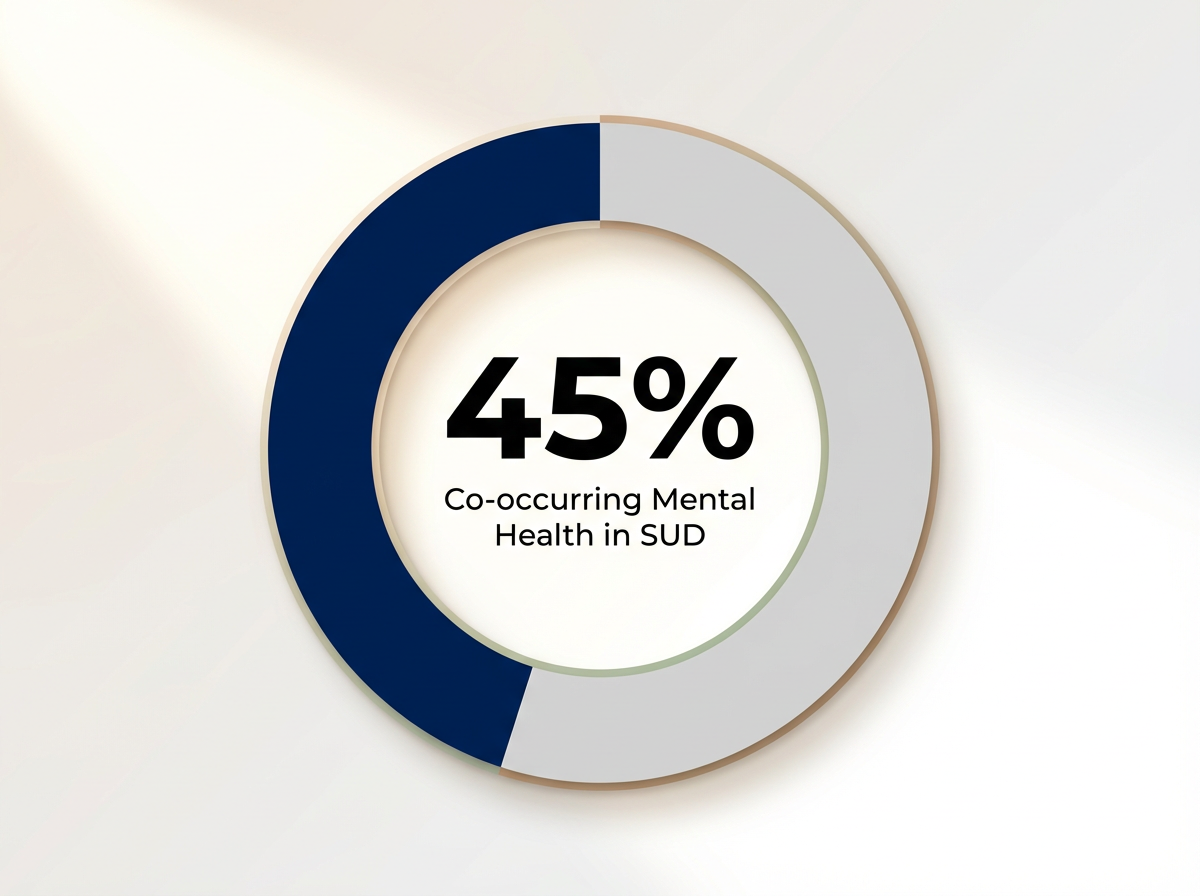
Behavioral activation is where the principles of cognitive behavioral therapy move from internal reflection to concrete action. This approach centers on helping men identify and engage in meaningful activities that counteract patterns of avoidance and withdrawal so common in substance use and co-occurring mental health conditions. For professionals who thrive on productivity and tangible progress, behavioral activation offers a framework for building momentum, even during periods of low motivation or emotional distress.
The process begins with pinpointing daily routines or situations where avoidance—such as skipping workouts, missing meetings, or isolating from peers—reinforces negative cycles. Working with a therapist, men set specific, manageable goals that align with their values and recovery objectives. These goals might include joining a jiu-jitsu class, participating in a group hike, or scheduling regular accountability check-ins. The key is consistency and measurable progress.
To track this progress, many men use digital journals or habit trackers. Simply log your daily achievement and press Enter to maintain a visual record of your consistency. A helpful mental model to code into your daily routine is:
Research shows that structured behavioral interventions reduce relapse risk by breaking the link between negative mood states and unhealthy coping behaviors. Behavioral activation also leverages the neurochemical benefits of movement and social engagement. Physical activity naturally boosts dopamine and endorphin levels, supporting the brain’s recovery from substance use while improving mood and focus. For men in active recovery, this makes behavioral activation not just a coping skill, but a driver of biological and emotional healing.2,8
The foundation of cognitive behavioral therapy begins with awareness—recognizing the automatic thoughts that shape emotional responses and behavioral patterns. You already understand that substance use disorders and co-occurring mental health conditions create thought patterns that operate beneath conscious awareness, driving cravings, triggering emotional distress, and reinforcing destructive cycles. The question isn't whether these patterns exist—it's how to surface them effectively.
Physical exertion creates natural opportunities for thought observation that traditional talk therapy often misses. During boxing sessions or hiking excursions, performance-related thoughts emerge that mirror broader cognitive patterns. A man who tells himself "I'll never get this right" while learning jiu-jitsu techniques will recognize that same defeatist thinking appearing in recovery contexts. This body-mind connection accelerates pattern identification because physical activity bypasses intellectual resistance—the thoughts surface organically under exertion.
The identification process requires consistent practice through structured therapeutic exercises that help men notice the connection between situations, thoughts, emotions, and behaviors. During individual therapy sessions, therapists work collaboratively to track these patterns, typically using thought records or journaling techniques that capture real-time mental activity. Common cognitive distortions frequently surface:
These patterns often develop as coping mechanisms, sometimes rooted in trauma or prolonged substance use that has altered neural pathways and emotional regulation systems. Group therapy settings amplify this awareness through peer feedback and shared experiences. Men discover they're not alone in their thought patterns, which reduces shame and builds motivation for change.
This brotherhood approach creates accountability while normalizing the cognitive work required for sustainable recovery. The goal isn't perfection in thought identification—it's building sufficient awareness to recognize patterns as they emerge, creating space for intervention before automatic thoughts drive unwanted behaviors. Once these patterns become visible, the next step involves systematically challenging the beliefs that sustain them.

Once thought patterns become visible, the next phase involves systematically examining and restructuring the beliefs that fuel destructive behaviors. This cognitive restructuring process forms the backbone of evidence-based approaches like CBT and DBT, helping men recognize the distortions between their perceptions and reality. Maladaptive beliefs often operate as absolute statements: "I always fail," "Nobody understands me," or "I can't handle stress without substances."
These rigid thought patterns create self-fulfilling prophecies that reinforce addictive cycles. When a man completes his first full boxing round despite believing he lacks discipline, or summits a challenging trail after telling himself he can't finish hard things, these physical accomplishments provide undeniable evidence that contradicts the limiting narratives. The challenge lies in testing beliefs against actual evidence—both cognitive and experiential—identifying the distortions at work, and developing more balanced perspectives that reflect reality rather than fear or shame.
Deep Dive: The Socratic Questioning Method
Effective belief challenging involves asking pointed questions: What evidence supports this thought? What evidence contradicts it? Am I catastrophizing or engaging in all-or-nothing thinking? Would I judge someone else this harshly for the same situation? This Socratic questioning method helps create distance between the individual and the thought, revealing beliefs as interpretations rather than facts.
In group settings, other men often recognize distorted thinking patterns more readily than the person experiencing them, offering direct challenges grounded in shared experience and mutual accountability rather than clinical distance. For men in recovery, this process often uncovers deeply rooted beliefs about masculinity, vulnerability, and self-worth that have contributed to substance use as a coping mechanism.
Nashville rehab programs that integrate movement-based recovery—such as jiu-jitsu sessions that require trusting training partners or ice bath protocols that demand mental resilience—create environments where men must confront beliefs about their capabilities in real time. Similarly, Knoxville rehab for men that incorporates outdoor adventure activities provides repeated opportunities to challenge narratives of inadequacy. When a man who believes "I can't be trusted" successfully supports a peer through a difficult ropes course element, or someone convinced "I always quit" completes a demanding white-water rafting expedition alongside his brothers, the experiential evidence becomes impossible to dismiss.
It is important to note that Trifecta Healthcare Institute specializes in treating substance use disorders alongside co-occurring mental health conditions. While Trifecta does not offer primary mental healthcare, integrating these supports ensures a comprehensive approach to addiction recovery. The goal isn't positive thinking or denial of real challenges. Instead, it's developing cognitive flexibility—the ability to consider alternative explanations, recognize thinking traps, and respond to situations based on current reality rather than historical patterns.
Movement is not just an add-on in therapy—it is a core mechanism for neurochemical rebalancing. Years of substance use and chronic stress can disrupt natural dopamine and endorphin pathways, leaving many men feeling flat, restless, or unable to experience pleasure in daily life. Physical activity, especially when integrated intentionally within a recovery framework, helps restore these vital systems.
Research shows that structured exercise protocols—such as high-intensity interval training, martial arts, or hiking—produce measurable increases in dopamine and endorphins, supporting emotional stability and reducing cravings. This effect is especially relevant for professionals who are used to pushing their limits physically and mentally. When exercise is paired with CBT strategies, it offers more than just a distraction from urges. It actively repairs the brain’s reward circuitry, which has often been hijacked by substance use.8
Men in recovery report that regular movement sessions help stabilize mood, improve sleep, and foster a sense of accomplishment—all critical for reinforcing long-term behavior change. In fact, combined exercise and CBT protocols have been shown to outperform talk therapy alone for relapse prevention in substance use disorder treatment. A practical approach involves tracking mood and energy levels before and after movement sessions, using a simple table to visualize changes:8
This data-driven feedback loop can help professionals refine their routines and optimize their recovery outcomes. The next section will explore how brotherhood accountability systems reinforce these gains and sustain motivation over time.
Brotherhood accountability systems are a defining feature of action-oriented recovery, particularly for professionals who thrive in environments built on camaraderie and mutual challenge. These systems are not just about social support—they create structured opportunities for men to take ownership of their recovery through shared goals, honest feedback, and regular check-ins.
In practice, peer accountability can take many forms: small groups tracking progress on physical and emotional objectives, partners pairing up for daily movement sessions, or teams debriefing after high-stress situations to process setbacks and celebrate wins. Research shows that men benefit from action-oriented, peer-driven models where accountability is direct and transparent, leading to higher engagement and better long-term outcomes compared to solo approaches.10
For example, group-based CBT interventions that weave movement with structured feedback loops result in significantly lower relapse rates and greater consistency in recovery routines. The table below highlights how different elements of brotherhood accountability reinforce key areas of change:3
This environment of mutual responsibility encourages men to push through resistance, address challenges head-on, and build trust—both with others and with themselves. When accountability becomes a daily habit, progress is measured not just in abstinence, but in personal growth and restored confidence. The final step explores how these tools can be adapted for action-oriented recovery across Tennessee’s unique treatment landscape.
Between facility size limits, waivers, and state-by-state rules, figuring out your Medicaid or private insurance benefits can feel like its own full-time job. Our admissions team will verify your coverage in minutes and walk you through exactly what's available — no guesswork required.
Verify Insurance Benefits →No commitment required. Confidential & HIPAA-protected.
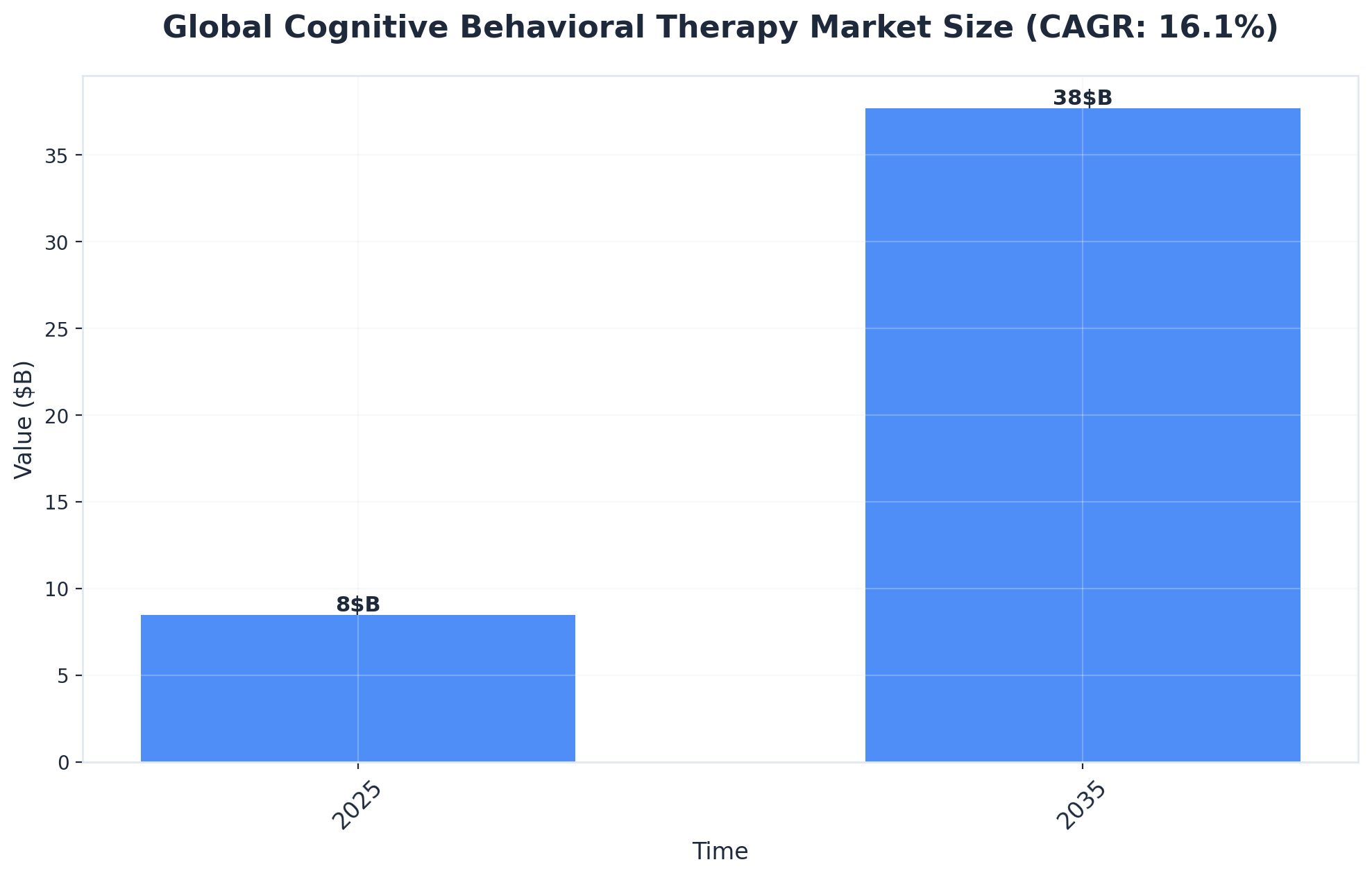
This cognitive-physical integration represents the third essential component of sustainable recovery. After identifying automatic thoughts and challenging core beliefs, men need concrete methods for embedding new neural patterns through physical action. The body becomes not just a vessel for change but an active participant in rewiring thought processes that drive addictive behavior.
Consider how this works in practice: A man who has identified his automatic thought "I can't handle stress without substances" and challenged the underlying belief through cognitive restructuring still faces the moment when stress arrives. Nashville rehab programs that integrate boxing or jiu-jitsu provide immediate physical channels for processing that stress response. The act of controlled physical exertion—throwing combinations on a heavy bag, executing a submission escape—creates tangible evidence that contradicts the old belief. The body learns what the mind has begun to understand: stress can be metabolized through action rather than numbed through substances.
This explains why movement-based approaches in Knoxville rehab for men and throughout Tennessee prove particularly effective for individuals whose professional backgrounds emphasize measurable results. Hiking a challenging trail, completing a ropes course, or enduring an ice bath session provides concrete data points that reinforce cognitive shifts. Each physical accomplishment becomes evidence in an ongoing internal argument against the beliefs that sustained addiction.
The integration of outdoor adventure activities with individual therapy and group support creates multiple reinforcing feedback loops—cognitive insights inform physical challenges, while physical achievements validate cognitive restructuring. For men addressing both substance use disorders and co-occurring mental health conditions, this multi-channel approach ensures that recovery work penetrates beyond intellectual understanding into embodied, long-lasting change.
When you or someone you love are ready to begin healing—mind, body, and spirit—connect with Trifecta Healthcare Institute. We help men thrive in and out of treatment.
Most men participating in CBT therapy for active man seeking change start noticing measurable shifts within four to eight weeks of consistent engagement. Early improvements often include better emotional regulation, more control over cravings, and increased willingness to use coping strategies during stressful moments. Research indicates that structured CBT interventions—especially those paired with movement and peer accountability—can reduce relapse risk and strengthen motivation for ongoing recovery in as little as six sessions, though lasting change usually takes ongoing practice. For men in substance use recovery, the timeline for results depends on individual readiness, the intensity of sessions, and how actively new skills are put into action.3
CBT therapy for active man seeking change can be highly effective when addressing both substance use disorder and trauma-related conditions. Research shows that integrated treatment—where CBT addresses substance use patterns and trauma symptoms together—yields better outcomes than treating each issue separately. Trauma-focused CBT techniques help men process difficult memories, manage triggers, and reduce the risk of relapse by targeting both the emotional and behavioral roots of their challenges. For professionals in recovery, this dual approach brings structure and action to healing, supporting sustainable progress even in complex cases.6,7
If cognitive restructuring techniques do not click right away during early recovery, it is not a sign of failure or a poor fit. Many men find that in the first weeks of CBT therapy for active man seeking change, emotional intensity or lingering stress makes it difficult to challenge automatic thoughts effectively. This is common, especially for those with longstanding patterns of avoidance or deeply rooted self-criticism. Research indicates that behavioral activation and movement-based strategies can act as a bridge, allowing men to build momentum through action before revisiting cognitive work. Adjusting the focus to physical routines, peer accountability, or group-based activities often helps men gain confidence and shift perspective, making cognitive restructuring more accessible as recovery progresses.4
Men-specific CBT programming takes into account the unique ways men respond to action-oriented, peer-driven recovery methods. Unlike traditional mixed-gender approaches, these programs often emphasize movement-based interventions, direct accountability, and practical goal setting. For many men, especially professionals seeking change, this structure feels more engaging and aligns with their preference for tangible results and mutual challenge. Research shows that men are more likely to benefit from environments where measurable progress and peer support are central, leading to better engagement and lower relapse rates compared to mixed-gender models. In CBT therapy for active man seeking change, gender-focused strategies support agency, competence, and long-term growth.10
For men with co-occurring substance use and mental health conditions, combining CBT therapy for active man seeking change with medication management is often more effective than relying on either approach alone. Research confirms that integrated treatment—where psychological strategies and medications address both conditions simultaneously—leads to better symptom control, lower relapse rates, and improved functional outcomes. Medication can stabilize mood, reduce anxiety, or manage cravings, helping men engage more fully in the action-oriented and movement-based aspects of CBT. This dual approach is especially useful for professionals balancing demanding responsibilities, as it targets both biological and behavioral drivers of recovery. Collaboration between prescribers and therapists ensures that interventions remain coordinated and tailored to each man's evolving needs.6
Peer accountability is central to maintaining CBT skills after formal treatment ends, especially for men committed to an active, action-oriented recovery. When men continue meeting in peer groups, partner up for movement routines, or check in with accountability partners, they reinforce the habits and cognitive tools built during treatment. Research shows that these ongoing, structured peer connections boost engagement and reduce relapse risk by providing real-time feedback, support, and challenge—key factors for sustaining long-term change. For professionals, staying connected to a brotherhood of peers keeps CBT strategies relevant and practical, enabling ongoing growth even outside formal sessions.10
Whether it's you or someone you love, our team can help you figure out the next step — what treatment looks like, what's covered, or just someone to talk to.
Talk to Our TeamConfidential. No commitment required.



July 30, 2026