



How to Vet and Choose a Rehab for Alcoholics Near Me
Learn how to evaluate a rehab for alcoholics near me by checking licensure, accreditation, therapies, medication use, and long-term care quality.
Read More
Explore effective strategies and support options tailored to drug addiction in men, focusing on assessment, peer accountability, and holistic recovery.
Start Your Journey NowWritten and reviewed by the clinical team at Trifecta Healthcare Institute, a men’s-only treatment center in Tennessee specializing in substance use, mental health, and dual diagnosis care.
Men face unique challenges when it comes to addiction, shaped by a complex interplay of biological, social, and cultural factors. Research consistently shows that men are more likely than women to use almost all types of illicit drugs, and they are also more likely to visit emergency rooms or die from overdoses. Understanding the specific patterns of drug addiction in men is crucial for anyone seeking effective treatment options, whether searching for Nashville rehab programs or exploring recovery resources elsewhere.
One significant factor influencing male addiction patterns is the way society conditions men to handle stress and emotional pain. Traditional masculine norms often discourage men from expressing vulnerability or seeking help, leading many to self-medicate with alcohol or drugs instead. This creates a dangerous cycle where substances become the primary coping mechanism for dealing with work pressure, relationship challenges, or unresolved trauma.
"Men struggling with addiction are more likely to engage in polysubstance use—combining multiple substances—which significantly increases health risks and complicates the recovery process."
The substances men gravitate toward also follow distinct patterns. While alcohol remains the most commonly misused substance across all demographics, men show higher rates of marijuana, cocaine, and prescription opioid misuse compared to women. Environmental factors play a crucial role as well. Men in certain professions with high-stress environments or cultures that normalize heavy drinking may face increased risk.
Recognizing these patterns isn't about placing blame—it's about understanding the context that shapes addiction. For those considering treatment at a Knoxville rehab for men or similar specialized programs, acknowledging these unique challenges represents an important first step toward lasting recovery and building the supportive brotherhood that makes sustained healing possible.
Men face a significantly higher risk of overdose mortality than women, a reality that is consistently reflected in both national and Tennessee-specific data. In Davidson County, which includes Nashville, males accounted for 71% of suspected drug overdose deaths so far in 2024, and this trend echoes across the state and country5. Several factors drive this disparity: men are more likely to engage in high-risk substance use patterns, delay seeking help, and encounter potent substances like fentanyl in the illicit drug supply3.
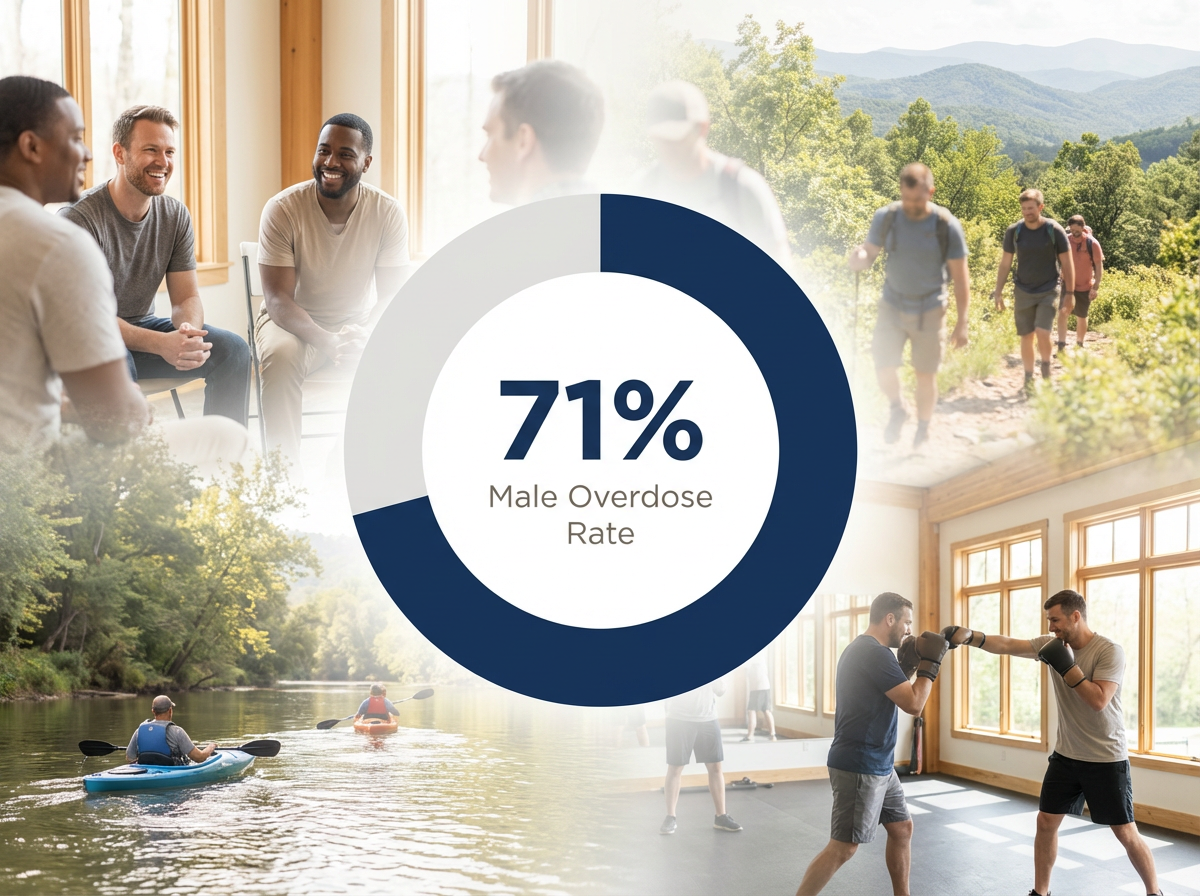
These patterns of drug addiction in men are compounded by social pressures to self-manage distress and by greater exposure to occupational stress, both of which can increase the likelihood of a fatal overdose4. Understanding these risks is essential for programs like Trifecta Healthcare Institute, which prioritize movement-based recovery and a supportive brotherhood to help men break isolation and pursue sustained healing.
Check for gender-specific warning signs with this quick assessment: Has a man in your life experienced a recent overdose, lost a friend to overdose, or shown risky substance use patterns? These are red flags for higher risk. Nationally, men face an overdose death rate of 45.6 per 100,000—more than double that of women.
| Metric | Men | Women |
|---|---|---|
| National Death Rate (per 100k) | 45.6 | 19.6 |
| Daily Use for Stress Relief | 29% | 22% |
| Increased Use Due to Job Pressure | 51% | 41% |
This stark disparity is shaped by factors like higher rates of daily substance use for stress relief and increased substance use due to job pressures—patterns that intensify the impact of drug addiction in men9. Understanding these differences helps programs such as Trifecta Healthcare Institute create movement-based, brotherhood-driven recovery environments that address the unique needs of men.
Fentanyl has dramatically increased the risk of fatal overdose among men, especially in regions like Nashville and Knoxville where the drug supply has shifted rapidly. Urine drug testing data reveal that fentanyl concentrations have grown 8.3 times higher from 2013 to 2023, making accidental overdose more likely even for experienced substance users6.
In Davidson County, fentanyl was detected in over 71% of overdose deaths in 2024—further compounding the dangers already present with drug addiction in men5. For male-focused programs such as Trifecta Healthcare Institute, these trends highlight the need for swift, movement-based interventions and a strong brotherhood to help men navigate the heightened risks posed by potent synthetic opioids.
Many men experiencing substance use also struggle with co-occurring mental health disorders, which means facing both challenges at once. A quick self-check: Have you or a loved one noticed ongoing depression, anxiety, or sleep issues alongside drug use? If so, an integrated approach is essential.
National data show that 56% of adults in substance use treatment with co-occurring mental disorders are men, yet only 41% of those men received any mental health care in the past year—significantly less than their female peers4. This gap can worsen drug addiction in men, as untreated mental health concerns often drive continued substance use. Programs like Trifecta Healthcare Institute in Nashville and Knoxville address these complexities through movement-based recovery and a brotherhood model, promoting emotional openness and resilience.
Use this quick tool: Ask if you or a loved one have ever experienced both persistent mental health symptoms (like depression, anxiety, or trouble sleeping) and ongoing substance use. If the answer is yes to both, this may indicate a dual diagnosis—a term for when substance use disorder and a mental health condition occur together.
Among adults in treatment for substance use disorder, 56% with co-occurring mental health issues are men, yet only 41% of these men accessed any mental health care in the past year4. This gap highlights how common dual diagnosis is in drug addiction in men and why integrated care is vital. In Tennessee, programs like Trifecta Healthcare Institute design movement-based recovery plans and foster brotherhood to address both aspects of dual diagnosis, helping men build emotional resilience in recovery environments tailored just for them.
Workplace stress assessment tool: Ask yourself or a loved one—Has job pressure, long hours, or fear of career setbacks led to increased substance use? If the answer is yes, workplace stress may be a driving factor. Research reveals that 51% of men report increasing substance use due to job pressures, compared to 41% of women, and 29% of men use substances daily for stress relief9.
These patterns are especially visible in Tennessee’s urban hubs, where the demands of fast-paced industries can intensify drug addiction in men. When left unaddressed, work-related anxiety and burnout raise the risk for both substance misuse and co-occurring mental health conditions. Trifecta Healthcare Institute’s Nashville and Knoxville rehab for men meets these challenges through movement-based recovery and strong peer accountability, helping men build tools to manage work stress in a supportive brotherhood.
Having understood how addiction develops and the patterns that sustain it, the next challenge involves honest personal recognition—acknowledging when substance use has transitioned from controllable to compulsive. Many men rationalize their consumption by comparing themselves to others ("I only drink on weekends" or "I can still hold down my job"), creating mental exemptions that delay necessary intervention. This self-assessment framework provides concrete questions to cut through common justifications.
This honest self-reflection marks the beginning of a transformative journey. Facilities offering structured programs specifically designed for men provide the supportive environment needed for lasting change—incorporating physical activity, peer support, and comprehensive treatment that addresses both addiction and concurrent psychological conditions.
Use this practical checklist to spot early signs of substance use challenges in men: Have you noticed increased secrecy, frequent mood swings, declining work performance, or tension in family relationships? These questions are tailored to the most common ways drug addiction in men shows up, focusing on both physical changes and shifts in daily behavior.
Research finds that men, especially those in Tennessee, often minimize symptoms and are less likely to seek support when warning signs appear4, 8. In the context of Nashville rehab or Knoxville rehab for men, identifying these patterns as soon as possible can make all the difference. If multiple items on this checklist resonate, consider reaching out for a professional assessment.
Physical and behavioral warning signs often reveal the early impact of substance use challenges in men. Watch for changes such as sudden weight loss or gain, frequent fatigue, unexplained injuries, or neglect of personal hygiene—these physical indicators commonly surface before men seek support. On the behavioral side, increased irritability, withdrawal from friends or family, risky actions, and avoidance of responsibilities may signal underlying drug addiction in men.
Research shows that men frequently minimize or overlook these symptoms, making it especially important for loved ones and professionals to identify these patterns early4, 8. In Tennessee, these warning signs are frequently observed in those entering Nashville rehab or Knoxville rehab for men, highlighting the need for proactive screening and compassionate, movement-based recovery environments.
When assessing drug addiction in men, it's vital to consider how substance use can strain both work life and family relationships. Men in Tennessee report that 51% have increased their substance use due to job-related pressures, while 29% use substances daily for stress relief—figures that highlight how work stress and addiction often go hand-in-hand9.
At home, addiction may lead to missed family events, emotional withdrawal, or conflict with loved ones. These disruptions can erode trust and create isolation, further deepening reliance on substances. In Nashville rehab and Knoxville rehab for men, programs like Trifecta Healthcare Institute emphasize movement-based recovery and a brotherhood approach to rebuild healthy routines and restore meaningful connections.
When evaluating drug addiction in men, it’s essential to recognize the unique barriers that often prevent men from seeking help. Men are less likely to reach out for professional support, with stigma, shame, and traditional masculinity norms playing a powerful role in discouraging open conversations about substance use or mental health8.
These gender-specific barriers mean that many men delay treatment until challenges become severe, making early intervention more difficult. In Tennessee, where rates of substance use and overdose are high among males, programs like Trifecta Healthcare Institute address these obstacles through a movement-based recovery and brotherhood-centered approach—creating safe spaces for men to share struggles and build trust.
To understand why drug addiction in men often remains hidden, use this reflection checklist: Have you or someone you care about ever felt judged, weak, or "less of a man" for considering help? In Tennessee and across the U.S., public stigma and masculinity norms are powerful barriers that keep many men from seeking support.
Men who feel pressure to appear strong or self-reliant are much less likely to reach out for addiction or mental health care, with research confirming that shame and fear of judgment prevent many from taking the first step8. These cultural expectations can lead men to deny or downplay their struggles, fueling isolation and delaying recovery. Nashville rehab and Knoxville rehab for men, like those at Trifecta Healthcare Institute, intentionally foster a brotherhood environment—emphasizing trust, vulnerability, and nonjudgmental peer support—to break through these barriers.
Self-reflection tool: Ask yourself or a loved one, "When was the last time I named or shared a difficult feeling with someone I trust?" Emotional suppression patterns—avoiding, minimizing, or masking feelings—are especially common in drug addiction in men, often leading to increased isolation and delayed recovery4.
Research highlights that many men focus on tangible symptoms like fatigue or sleep trouble, rarely discussing emotions such as sadness, fear, or shame4. This reluctance can make it harder to recognize when help is needed, both for men themselves and those around them. In Tennessee, movement-based recovery programs and peer-driven brotherhood at Nashville rehab or Knoxville rehab for men help break this cycle by normalizing vulnerability and building emotional awareness.
Between facility size limits, waivers, and state-by-state rules, figuring out your Medicaid or private insurance benefits can feel like its own full-time job. Our admissions team will verify your coverage in minutes and walk you through exactly what's available — no guesswork required.
Verify Insurance Benefits →No commitment required. Confidential & HIPAA-protected.
Once you've recognized the need for treatment, the next step involves selecting an approach that matches your specific situation. Choosing the right treatment path requires honest evaluation of several key factors organized around three primary considerations: the clinical severity of your condition, your life circumstances and obligations, and the treatment philosophy that resonates with your recovery goals.
Treatment facilities offering integrated care recognize that addiction rarely exists in isolation. Depression, anxiety, trauma, and other psychological conditions often require simultaneous attention. When evaluating facilities, ask specifically: "Do you have licensed psychiatric professionals on staff who can diagnose and treat co-occurring mental health conditions?" and "How do you coordinate addiction treatment with psychiatric care?"
Comprehensive psychiatric support means access to psychiatrists, medication management, and therapeutic treatment for mental health conditions, whereas basic emotional support addresses feelings and behaviors as they relate to substance use without formal mental health diagnosis or treatment.
Use this decision-making tool: List your top treatment priorities (e.g., mental health support, hands-on skills, peer accountability), then compare these against the most proven treatment modalities. For drug addiction in men, evidence consistently highlights the value of combining cognitive-behavioral therapy (CBT), trauma-informed care, medication-assisted treatment (MAT), and structured peer-support models4.
Research shows that men are more likely to engage and succeed in programs that offer practical strategies, action-based therapies, and a sense of brotherhood rather than relying solely on traditional talk therapy4, 7. In Tennessee, Trifecta Healthcare Institute’s movement-based recovery and peer-driven accountability specifically address these needs, making Nashville rehab and Knoxville rehab for men a strong fit for those seeking a holistic, evidence-based approach.
Start with this reflection: Do you or your loved one learn best through active problem-solving, understanding the links between thoughts and actions, or addressing painful past events directly? If so, cognitive behavioral therapy (CBT) and trauma-informed care may offer an especially strong fit. CBT helps men identify unhelpful thinking patterns and replace them with healthier coping strategies, an approach proven effective for reducing relapse and building emotional skills in men facing drug addiction4.
Trauma-focused therapies are also vital, as many men with substance use disorders have histories of difficult or traumatic experiences. These therapies equip men to process unresolved pain, lower anxiety, and reduce the power of triggers—key for those whose substance use began as a way to self-manage distress. In Tennessee, programs like Trifecta Healthcare Institute integrate CBT and trauma care within a movement-based, brotherhood model, giving men practical tools and a supportive community to pursue long-term recovery.
Try this decision tool: Ask whether structured physical activity, teamwork, or learning through doing would help you or a loved one stay engaged in recovery. Movement-based recovery programming is especially effective for drug addiction in men—studies find that regular exercise reduces depression and anxiety symptoms, improves cognitive function, and supports brain healing, all of which are critical for those in recovery7.
In Tennessee, programs like Trifecta Healthcare Institute incorporate group exercise, adventure activities, and body-based therapies into daily routines. This active approach builds resilience, relieves stress, and fosters brotherhood—key elements since men are 29% more likely than women to use substances daily for stress relief and 51% report increased use due to job pressures9. Movement-based recovery offers a clear path for men who benefit from hands-on skill-building and peer accountability alongside traditional talk therapy.
Start your decision process with this quick checklist: Do you or your loved one need medical monitoring to safely manage withdrawal, a highly structured daily schedule, or the ability to maintain work and family obligations while receiving care? Treatment for drug addiction in men is delivered across several levels of care, each designed to meet different needs and life circumstances.
| Level of Care | Best Suited For | Key Benefit |
|---|---|---|
| Residential Treatment | Severe dependency, unstable home life, history of relapse. | 24/7 structure and removal from triggers. |
| Intensive Outpatient (IOP) | Moderate dependency, stable home, need to work/parent. | Balances intensive therapy with daily life. |
| Outpatient Detox | Moderate withdrawal risk, strong support system. | Medical safety without overnight stays. |
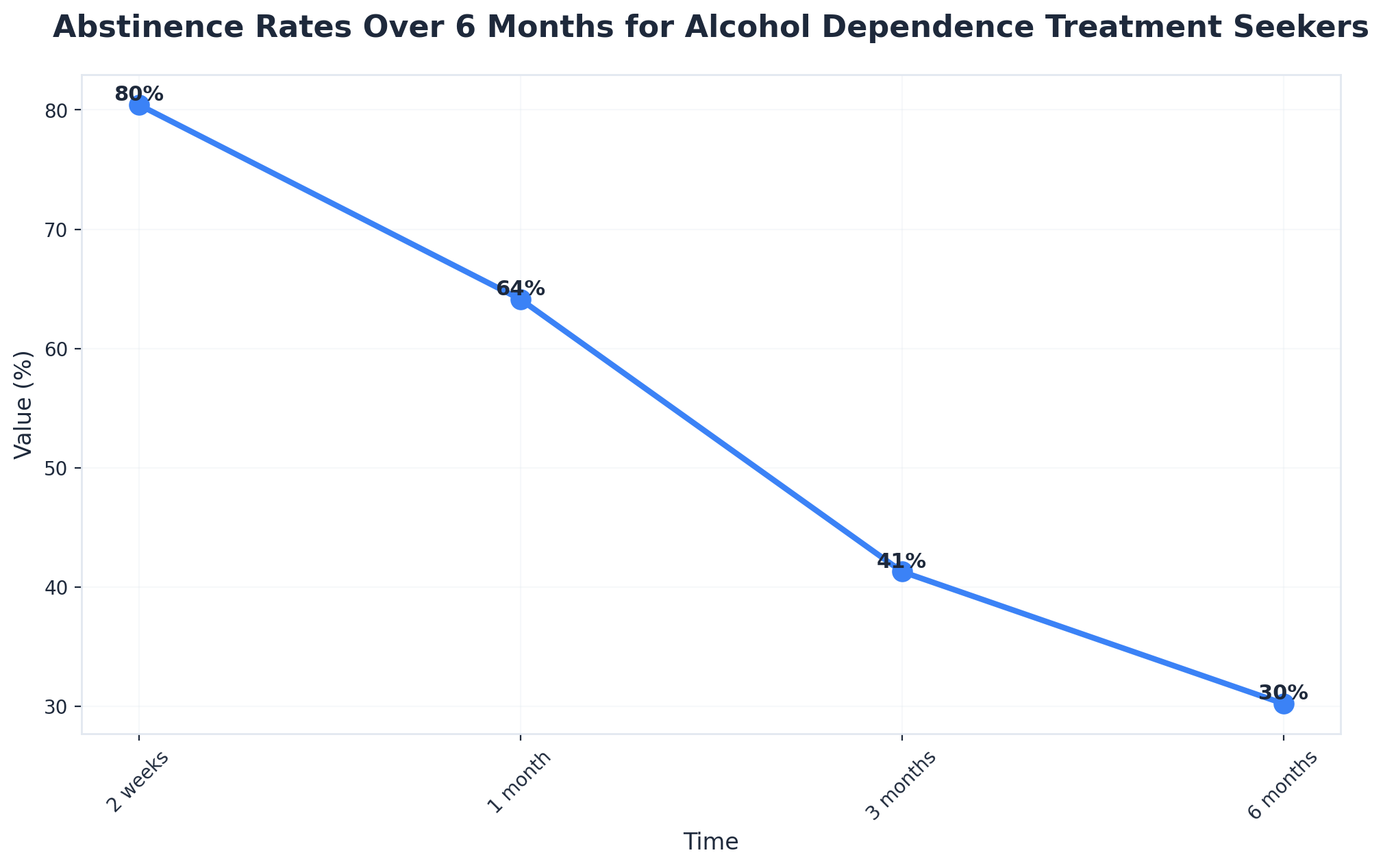
Research shows that for some men, outpatient programs result in almost three times higher odds of maintaining abstinence at six months compared to inpatient care10. This solution fits men seeking flexibility to stay engaged in family or work during recovery, while those with complex withdrawal symptoms or unstable home environments may benefit from short-term residential or detox-focused settings. At Nashville rehab or Knoxville rehab for men, Trifecta Healthcare Institute provides movement-based recovery programming and a brotherhood-centered structure at every level.
Begin your decision process with this checklist: Does withdrawal management require daily medical monitoring, but you or your loved one need to keep working or supporting family? Outpatient medical detox programs, increasingly offered at Nashville rehab and Knoxville rehab for men, provide essential medical supervision without the need for overnight stays.
For drug addiction in men, these options are especially valuable, as research shows outpatient care can result in nearly three times higher odds of maintaining abstinence at six months compared to inpatient settings10. Outpatient detox typically involves scheduled clinic visits for assessment, medication, and support, while allowing men to return home each day. This method works best for those with stable home environments and moderate withdrawal risk, and for men who benefit from maintaining daily routines.
Use this decision tool: Ask whether you or your loved one would feel safer, more open, and better understood in an all-male group or prefer the diversity of a mixed-gender setting. For drug addiction in men, research confirms that gender-sensitive environments—like men-only programs—can reduce stigma and foster honest conversations about challenges that men often hesitate to share elsewhere4, 8.
Many men report that brotherhood-based recovery, as found at Trifecta Healthcare Institute’s Nashville and Knoxville rehab for men, helps build trust and accountability, especially when overcoming barriers tied to masculinity norms and emotional suppression. While mixed-gender programs offer valuable perspectives and social skills practice, men-only settings are often ideal for those seeking a supportive, movement-based space tailored to male communication styles and recovery needs.
Recovery begins with a single decision, but sustainable change requires intentional action. The first 30 days after choosing treatment set the foundation for enduring healing, and having a clear roadmap makes all the difference.

The next 30 days aren't about perfection. They're about momentum. Each phone call made, each honest conversation, each practical detail addressed moves you closer to the life you deserve. Treatment works when you're ready to do the work, and that readiness starts right now.
Kick off your first week with a simple checklist: 1) Schedule a confidential assessment with a Nashville rehab or Knoxville rehab for men, 2) Gather your insurance details, and 3) Identify your top goals for recovery—like building accountability or improving mental wellness alongside addressing substance use. Early outreach is vital, as research shows men are less likely to seek help on their own and often delay action due to stigma or uncertainty4, 8.
At Trifecta Healthcare Institute, the focus is on movement-based recovery and fostering brotherhood, making it easier for men to open up and engage from day one. Whether you’re seeking support for drug addiction in men or co-occurring mental health concerns, this first step sets the stage for a strong, personalized start.
Begin by using this practical outreach checklist: 1) Call or fill out the confidential online form for a Nashville rehab or Knoxville rehab for men, 2) Request a same-day or next-day assessment, and 3) Ask about movement-based recovery and brotherhood-focused support options. Men often delay reaching out for help due to stigma or uncertainty, so taking this first action—even if you’re unsure about the next steps—can be a powerful move toward healing8.
Staff at Trifecta Healthcare Institute are trained to respond with warmth and understanding, making it easier for men facing drug addiction to discuss their concerns openly and without judgment. Programs in Tennessee are designed to welcome men at any stage, including those with co-occurring mental health challenges, and offer a supportive brotherhood from the initial call onward.
Prepare for this step with a two-part checklist: 1) Gather your insurance card and policy details, and 2) Request a benefits verification from your chosen Nashville rehab or Knoxville rehab for men. Insurance coverage for substance use disorder and co-occurring mental health treatment is required by federal parity laws, but men often face delays or confusion during the process—especially those new to recovery or unfamiliar with healthcare systems4.
Staff at Trifecta Healthcare Institute support you in clarifying benefits, explaining any out-of-pocket costs, and helping you explore financial aid or payment plans if needed. Addressing financial questions early can help reduce anxiety and keep you focused on healing, accountability, and brotherhood within movement-based recovery.
Weeks two through four mark the heart of the initial treatment journey, where men begin active participation in their chosen Nashville rehab or Knoxville rehab for men program. Use this practical roadmap: 1) Attend all scheduled treatment sessions, 2) Engage in movement-based activities, and 3) Connect with peer support groups or your recovery team each day.
Research indicates that men are more likely to succeed when accountability, structure, and physical activity are built into the recovery process4, 7. During this phase, the focus shifts to stabilization, learning new coping skills, and building healthy routines that support both substance use recovery and co-occurring mental health needs. Trifecta Healthcare Institute emphasizes brotherhood, action, and real-world skill-building—an approach that addresses the unique barriers often seen with drug addiction in men.
Start the stabilization phase by following this checklist: 1) Attend daily or scheduled detox check-ins with your Nashville rehab or Knoxville rehab for men, 2) Track your physical symptoms and communicate openly with your care team, and 3) Engage in movement-based activities as your energy allows. Detox is the process of safely removing substances from the body and managing withdrawal—a key first step for many men confronting drug addiction in men.
Research shows that men are more likely to delay seeking help, making early stabilization especially important to prevent medical complications and reduce relapse risk4. During this phase, staff at Trifecta Healthcare Institute provide close monitoring, practical action steps, and encouragement through brotherhood and peer support, helping men rebuild trust in their bodies and routines. Physical activity, even gentle movement, is shown to reduce anxiety and support healthy brain chemistry, making it a vital part of recovery in Tennessee’s movement-based programs7.
Build your recovery brotherhood with this accountability checklist: 1) Join daily or weekly peer groups at your Nashville rehab or Knoxville rehab for men, 2) Pair with an accountability partner to check in on goals, and 3) Share your progress and setbacks openly with your group. Research shows that men are more likely to engage in and benefit from recovery when surrounded by a strong sense of community and mutual support4, 8.
These brotherhood-driven environments address common barriers in drug addiction in men, such as isolation, emotional suppression, and reluctance to ask for help. Trifecta Healthcare Institute centers movement-based recovery and peer accountability, creating space for men to support one another as they rebuild trust and healthy routines. In Tennessee, programs that prioritize connection and real-world skill-building are especially effective in sustaining momentum and promoting long-term healing for men facing substance use and co-occurring mental health challenges.
Recovery from addiction represents more than simply stopping drug or alcohol use—it's about rebuilding a life worth living. For men who have struggled in silence, minimized their challenges, or delayed seeking help due to stigma or pride, the journey toward lasting sobriety begins with a single courageous decision: acknowledging the need for support and taking action.
The path outlined in this article—understanding the patterns that signal dependency, conducting honest self-assessment, evaluating treatment options, and committing to a structured action plan—creates the foundation for meaningful, lasting change. Each step builds upon the previous one, moving from awareness to decision to concrete action. This progression isn't just theoretical; it's the roadmap that countless men have followed to reclaim their lives from addiction.
Comprehensive treatment addresses every dimension of recovery: physical health, emotional well-being, and the underlying issues that contributed to dependency in the first place. Whether through evidence-based therapies, peer support systems, or holistic approaches that reconnect individuals with their bodies and rebuild confidence, effective programs recognize that addiction affects the whole person—and recovery must engage the whole person. For those researching Nashville rehab or Knoxville rehab options, finding a program that treats concurrent psychological conditions like depression, anxiety, or trauma alongside addiction proves critical for sustainable outcomes.
The courage required to seek help cannot be overstated, but neither can the hope that recovery offers. Men who take this step discover not just sobriety, but renewed purpose, rebuilt relationships, and the skills to navigate life's challenges without turning to drugs or alcohol. With the right support system and commitment to the process, lasting recovery becomes not just possible, but probable.
If you're ready to take the next step, begin with the 30-day action plan outlined in this article. Schedule that initial assessment, research treatment options, and reach out to facilities that align with your needs. Reclaiming your life starts today—with one decision, one phone call, one step forward.
As men begin exploring treatment options, several practical questions naturally arise—questions that deserve straightforward answers. The following addresses the most common concerns we hear from men and their families when considering specialized recovery programs in Tennessee.
Deciding between residential and intensive outpatient (IOP) treatment depends on your current symptoms, support system, and daily responsibilities. Residential care is best for men who need a highly structured environment, 24/7 support, or have experienced repeated relapses, severe withdrawal, or unstable living conditions. IOP works well for those with a safe home, strong motivation, and the ability to attend regular therapy sessions while keeping work or family commitments. Research shows that for some men, outpatient care leads to nearly three times higher odds of abstinence at six months than inpatient treatment, especially when programs integrate movement-based recovery and brotherhood support10. At Nashville rehab or Knoxville rehab for men, specialists help you assess which path fits your needs and how each can address the unique challenges of drug addiction in men.
Costs for Nashville rehab for men can vary widely depending on the type and length of program, but most insurance plans are required by federal law to cover substance use disorder and co-occurring mental health treatment at levels comparable to other medical care4. While exact pricing isn't published in the research, facilities like Trifecta Healthcare Institute assist with insurance verification and help clarify any out-of-pocket expenses up front. Many men may find that insurance covers the majority of treatment costs, though deductibles or co-pays may still apply. If you’re new to recovery or have concerns about affordability, staff are available to guide you through financial planning and payment options. Prioritizing movement-based recovery and a brotherhood approach, Nashville rehab for men ensures financial questions never stand in the way of addressing drug addiction in men and building a foundation for lasting wellness.
Yes, many men are able to continue working while participating in an intensive outpatient program (IOP) in Knoxville. These programs are designed with flexible scheduling—often offering morning, afternoon, or evening group sessions—so you can maintain your job and meet work responsibilities while receiving focused support for drug addiction in men. Research shows that outpatient care, when paired with accountability and movement-based recovery, can lead to nearly three times higher odds of abstinence at six months compared to inpatient care10. At Knoxville rehab for men, Trifecta Healthcare Institute structures IOP so you can attend therapy, participate in brotherhood activities, and build new coping skills around your work schedule. This approach suits men who have a safe and stable home environment but need dedicated treatment and peer support to address substance use and co-occurring mental health needs.
During medical detox, men receive close monitoring and support as substances are safely cleared from the body. This phase addresses withdrawal symptoms—such as anxiety, sleep changes, or physical discomfort—using medical supervision and, when appropriate, medications to ease the process. At Nashville rehab or Knoxville rehab for men, detox typically lasts between 3 to 7 days, but the exact timeline depends on the substance used, overall health, and history of drug addiction in men4. Staff at Trifecta Healthcare Institute emphasize compassionate care, movement-based activities as energy allows, and the presence of a supportive brotherhood to help men stay engaged and encouraged. Detox is only the first step; ongoing treatment is needed to build lasting wellness and address co-occurring mental health needs.
Men are more likely to die from overdoses than women due to a combination of biological, behavioral, and societal factors that shape the landscape of drug addiction in men. Nationally, men experience overdose death rates more than double those of women—45.6 per 100,000 compared to 19.6 per 100,000—with local data showing males make up 71% of suspected overdose deaths in areas like Nashville2, 5. Men often engage in higher-risk substance use, are more likely to encounter potent drugs such as fentanyl, and frequently delay seeking help due to stigma or pressure to self-manage stress3, 4. Workplace stress and emotional suppression can further increase risk, as can the tendency to use substances daily for relief. Trifecta Healthcare Institute’s movement-based recovery and brotherhood approach helps address these male-specific risks, providing a path to healing that’s grounded in support, action, and connection.
Movement-based recovery programming addresses drug addiction in men by pairing physical activity with peer connection and skill-building, creating an environment where men can heal both mind and body. Regular exercise and group activities have been shown to reduce symptoms of depression and anxiety, support healthy brain chemistry, and lower the risk of relapse—all key elements for men in recovery7. For many, movement provides a practical, action-oriented outlet for managing stress and rebuilding confidence, which is especially important given that men are 29% more likely than women to use substances daily for stress relief9. At Trifecta Healthcare Institute’s Nashville and Knoxville rehab for men, movement-based recovery is woven into daily routines alongside brotherhood-focused support, helping to break isolation and encourage accountability. This approach works best for those who feel energized by hands-on activity and value camaraderie as a foundation for lasting change.
Relapse is a common part of the recovery journey for many men, and it does not mean that lasting change is out of reach. National data show that less than half of men complete treatment on their first attempt, but evidence-based programs that combine movement-based recovery, brotherhood, and practical skill-building greatly improve engagement and outcomes4. If you’ve experienced relapse, you’re not alone—and your recovery can still succeed with the right support. In Tennessee, programs like Trifecta Healthcare Institute’s Nashville rehab and Knoxville rehab for men are designed to address the unique barriers men face in overcoming drug addiction in men, including stigma, workplace stress, and emotional suppression. Returning to treatment, especially in a setting that prioritizes action, community, and accountability, often leads to renewed hope and stronger results. Every step forward counts, and with support tailored to men’s needs, recovery is always possible.
Trifecta Healthcare Institute specializes in supporting men with substance use disorders (SUD) and co-occurring mental health conditions, such as depression or PTSD, but does not offer primary mental health care. This means that while Trifecta does not treat mental health diagnoses alone, its Nashville rehab and Knoxville rehab for men provide integrated care when challenges like depression, anxiety, or trauma exist alongside drug addiction in men. Research shows that 56% of adults in SUD treatment with co-occurring mental disorders are men, yet only 41% of these men received mental health care in the past year—highlighting the need for programs that address both components together4. At Trifecta, movement-based recovery and a strong sense of brotherhood help men build emotional resilience, manage stress, and find hope while working through addiction and mental health challenges as part of a comprehensive recovery plan.
A men-only treatment environment—like those at Trifecta Healthcare Institute’s Nashville rehab and Knoxville rehab for men—offers unique benefits for individuals addressing drug addiction in men. Research shows that men are often more comfortable sharing openly, building trust, and holding each other accountable in peer groups made up exclusively of other men4, 8. This brotherhood approach helps reduce stigma, fosters honest conversations, and supports emotional growth, especially for those who have struggled with vulnerability or felt judged in mixed-gender settings. Gender-specific programs are tailored to male communication styles and focus on action-based, movement-oriented recovery, which many men find more engaging and effective for sustained healing4. While mixed-gender programs provide diverse perspectives, men-only environments are ideal for those seeking community, camaraderie, and a safe space to address barriers unique to drug addiction in men.
When preparing to talk to your employer about taking time off for substance use treatment, start by reviewing your rights under the Family and Medical Leave Act (FMLA) and your company’s leave policies. It can help to approach the conversation with a clear plan: 1) Request a private meeting with your HR representative or supervisor; 2) Share only what you’re comfortable with, focusing on your need for medical leave to address health and wellness; 3) Ask about short-term disability or employee assistance programs (EAPs) if available. In Tennessee, many men delay seeking support due to fear of stigma or negative career impact, especially when facing drug addiction in men—yet research shows that open, honest requests for medical leave are increasingly protected and respected8. Programs like Trifecta Healthcare Institute’s Nashville and Knoxville rehab for men can provide documentation needed for your employer, and their staff are experienced in helping men maintain privacy and dignity throughout the process. Remember, prioritizing your health is a sign of strength and responsibility, and supportive employers recognize the value of long-term recovery.
Medication-assisted treatment (MAT) is an evidence-based approach that combines approved medications—such as buprenorphine, methadone, or naltrexone—with counseling and recovery support to address drug addiction in men. MAT helps reduce cravings, minimize withdrawal symptoms, and lower the risk of relapse, especially for opioid and alcohol use disorders4. This method works well for men who have struggled to maintain sobriety through counseling alone or who face intense physical cravings that disrupt daily life. At programs like Trifecta Healthcare Institute’s Nashville rehab or Knoxville rehab for men, MAT is delivered alongside movement-based recovery and a strong brotherhood model, helping men rebuild confidence and accountability as part of a supportive community. If you’re considering MAT, talk with your care team about your substance use history, health status, and treatment goals to decide if this solution fits your unique needs and can help you build a foundation for long-term healing.
The complete treatment process for drug addiction in men can vary based on individual needs, but most journeys include several key stages. Medical detox typically lasts 3 to 7 days, focusing on safely managing withdrawal symptoms with medical and peer support4. Following detox, active treatment—such as residential or intensive outpatient programming—usually extends from 4 to 12 weeks, with some men choosing longer stays for stability and skill-building. After primary treatment, ongoing aftercare (which may involve weekly peer groups, movement-based activities, and counseling) often continues for six months or more to support sustained wellness. Research shows that men experience greater long-term success when treatment is paired with brotherhood-driven accountability and practical, action-oriented routines, as found at Nashville rehab and Knoxville rehab for men4, 7. This phased approach addresses not only substance use but also underlying co-occurring mental health needs, helping men build momentum and maintain recovery as they transition back into work, family, and community life.
When comparing Nashville or Knoxville rehab facilities, start with a checklist: Does the program offer movement-based recovery, strong peer support, and evidence-based therapies tailored for men? Facilities like Trifecta Healthcare Institute emphasize brotherhood, action-oriented treatment, and accountability—key factors shown to boost engagement and long-term recovery for drug addiction in men4, 7. Look for programs that address both substance use and co-occurring mental health needs, offer flexible levels of care, and foster a welcoming environment where men can be open about their challenges. Prioritize those that provide practical skill-building, clear communication about insurance, and a staff trained in male-specific barriers to help-seeking. This approach is ideal for men seeking a supportive, movement-focused path to healing in Tennessee.
Yes, family members can play a meaningful role in your treatment and recovery process when addressing drug addiction in men. At Nashville rehab and Knoxville rehab for men, programs like Trifecta Healthcare Institute encourage family involvement through scheduled education sessions, communication workshops, and family-inclusive support meetings. Research highlights that peer and family support can improve engagement and strengthen accountability, both of which are linked to better long-term outcomes for men in recovery4. While your personal privacy and healing come first, inviting loved ones to participate—when you feel ready—can help rebuild trust, address relationship challenges, and create a stronger foundation for sustained recovery. Family participation is especially valuable in brotherhood-focused, movement-based programs, where connection and shared growth are core parts of healing from substance use and co-occurring mental health challenges.
Aftercare support is a cornerstone of sustained recovery for men finishing primary treatment for drug addiction in men. At Nashville rehab and Knoxville rehab for men, aftercare options typically include ongoing peer support groups, regular check-ins with a recovery coach, access to movement-based activities, and alumni events designed to foster continued brotherhood and accountability. Research shows that men are more likely to maintain progress and prevent relapse when they stay connected to a supportive community and have access to practical, action-oriented resources4, 7. Programs like Trifecta Healthcare Institute create aftercare plans tailored to each man’s needs, often blending in-person and virtual support, family engagement, and wellness workshops. This ongoing structure is especially effective for men navigating life transitions or workplace stress, providing the encouragement and connection needed for long-term wellness.
Whether it's you or someone you love, our team can help you figure out the next step — what treatment looks like, what's covered, or just someone to talk to.
Talk to Our TeamConfidential. No commitment required.



July 30, 2026