



How to Vet and Choose a Rehab for Alcoholics Near Me
Learn how to evaluate a rehab for alcoholics near me by checking licensure, accreditation, therapies, medication use, and long-term care quality.
Read More
Explore tailored rehab options in Nashville offering discreet, convenient care for men facing urgent alcohol challenges with Trifecta Healthcare Institute.
Start Your Journey NowWritten and reviewed by the clinical team at Trifecta Healthcare Institute, a men’s-only treatment center in Tennessee specializing in substance use, mental health, and dual diagnosis care.
Just blocks away from the bustling entertainment corridors of Broadway and Nissan Stadium, the professional landscape of Tennessee faces a silent epidemic. For executives and industry leaders, finding a highly effective Nashville alcohol rehab for man in crisis is a critical business imperative. Tennessee’s alcohol use disorder (AUD) rates among men are significantly above the national average, shaping the operational landscape for local enterprises and healthcare networks alike. Recent figures show that approximately 18% of adult males in Tennessee meet the criteria for substance use disorder, nearly double the national rate of 9%.13
In neighborhoods like East Nashville, Germantown, and Green Hills, the social visibility of alcohol-related crises is heightened by proximity to nightlife districts. However, the true cost is often hidden in lost productivity and compromised leadership. Men in the Nashville metro area are 2.7 times more likely to die from alcohol-related causes than women, a stark gender disparity that demands focused, medically supervised intervention.12
This elevated risk is compounded by local logistical factors: high-density entertainment zones in The Gulch, parking and transportation hurdles near Midtown, and increased exposure to high-stress professional environments. These contextual realities often create barriers to timely crisis response. Furthermore, about 68-80% of men presenting for AUD treatment in Tennessee have at least one additional mental health diagnosis. Trifecta Healthcare Institute addresses this by providing co-occurring mental health treatment alongside SUD support—though it does not offer primary mental healthcare. Peer-support models and movement-based interventions have shown improved retention and outcomes for men in crisis, especially when tailored to the unique stressors present across Nashville’s diverse neighborhoods.2,5

Nashville's treatment infrastructure for men in alcohol crisis reflects both the complexity and the urgency of local demand. Facilities are strategically spread throughout the city, with key access points near major transportation routes like I-40 and I-65, and close to neighborhoods such as Bellevue, 12 South, Sylvan Park, and West End. Many programs intentionally locate near landmarks like Vanderbilt University Medical Center or Centennial Park, ensuring that men from Midtown, The Nations, and Edgehill can access services without significant travel barriers or career disruption.
The city’s continuum of care is robust, spanning from medically supervised detoxification—the standard of care for moderate-to-severe alcohol use disorder, shown to reduce mortality risk by 89% in high-risk populations—to partial hospitalization, intensive outpatient, and structured sober living. Nashville’s unique topography means that traffic congestion, especially around Broadway and The Gulch, can impact timely access to crisis services. Consequently, centralized intake locations and telehealth assessments have become increasingly common to expedite the admissions process.2
Local providers are attentive to neighborhood disparities in safety and transportation. For example, men in North Nashville and Antioch may face greater challenges with public transit and parking, which can delay entry into care. Success stories highlight the impact of accessible, movement-based programs.
"Proximity to the Shelby Bottoms Greenway made daily engagement in outdoor group therapy possible, while walkable access to medical detox in Midtown was pivotal to restoring my professional and personal life."
— East Nashville Alumni
This multifaceted infrastructure sets the groundwork for understanding why medical detox is the foundation of any effective recovery strategy.
For men in crisis across Nashville—from the honky-tonks of Broadway to the quieter streets of Inglewood—unsupervised alcohol withdrawal is not only unsafe but can be fatal. The risks intensify in neighborhoods like The Nations and North Nashville, where access to emergency medical care may face delays due to traffic on Charlotte Avenue or limited parking near local ERs. Alcohol withdrawal syndrome can present with severe symptoms, including seizures and delirium tremens (DTs), which carry a mortality risk as high as 20% without immediate medical intervention.2
Even in well-resourced areas such as Green Hills or West End, the unpredictable onset of complications underscores why no man in crisis should attempt detox alone. Evidence shows that medically supervised detox reduces mortality risk by 89% compared to unsupervised withdrawal, making it the clear standard of care for moderate-to-severe cases. Nashville’s treatment centers near Vanderbilt University Medical Center and along the I-65 corridor have responded to this reality by prioritizing rapid-access medical detox, especially for men with co-occurring conditions or prior withdrawal episodes.2
When a crisis hits, professionals are advised to bypass unverified online advice and immediately initiate emergency protocols. For instance, utilizing the national crisis line by dialing 988 or executing a facility's Rapid-Intake-Protocol can expedite admission. A recent recovery story from a Midtown resident highlights this urgency: after experiencing hallucinations and uncontrolled shaking, he was stabilized within hours at a local facility—an outcome only possible due to immediate, professional intervention. Similarly, a participant from East Nashville credits accessible, medically monitored detox for preventing a life-threatening cardiac event during his first 48 hours of withdrawal.

After medical detox, medication management becomes a cornerstone for men navigating early recovery in Nashville. In areas such as Donelson, Bellevue, and the rapidly growing Antioch corridor, clinicians are seeing a rise in the use of FDA-approved medications like naltrexone and acamprosate. These medications stabilize neurochemistry, reduce cravings, and support men returning to high-stakes work environments or family life in neighborhoods stretching from Sylvan Park to East Nashville.
This approach is particularly vital in communities near high-traffic corridors (I-40, I-24), where the stress of reintegration and exposure to triggers can undermine progress if not medically supported. Studies indicate that combining medication management with evidence-based behavioral therapies leads to up to a 55% abstinence rate at 12-month follow-up—markedly higher than therapy alone.8
Providers across Nashville, from the West End medical district to the residential pockets of Germantown, report that structured medication protocols help men remain engaged in programming and mitigate the risk of relapse during the vulnerable post-detox window. Local success stories reinforce this: a resident from Edgehill credits medication management with preventing a return to crisis after a high-risk corporate event near Music Row, while a Green Hills client found that regular medication check-ins at a centrally located clinic provided enough stability to re-engage in his career.
These experiences echo citywide data showing that integrated medication and therapy approaches are especially effective for men with dual diagnoses or histories of trauma. As the need for tailored support grows, attention turns to the next pillar of recovery—evidence-based therapy models designed specifically for men.5
Between facility size limits, waivers, and state-by-state rules, figuring out your Medicaid or private insurance benefits can feel like its own full-time job. Our admissions team will verify your coverage in minutes and walk you through exactly what's available — no guesswork required.
Verify Insurance Benefits →No commitment required. Confidential & HIPAA-protected.
Within Nashville’s diverse neighborhoods—spanning Sylvan Park, East Nashville, Bellevue, and Donelson—evidence-based behavioral therapies form the backbone of effective alcohol rehab for men in crisis. Cognitive Behavioral Therapy (CBT) and Dialectical Behavior Therapy (DBT), frequently delivered in clinics near landmarks like Centennial Park or close to the 12 South corridor, are widely recognized for their role in teaching men to identify triggers and reshape maladaptive thought patterns.
These approaches are considered especially effective when coupled with trauma integration, given that trauma exposure precedes substance use in 80% of cases among treatment-seeking men. A distinct feature in the Nashville context is the high prevalence of dual diagnoses. About 68-80% of men entering local alcohol rehab present with at least one co-occurring mental health disorder, reinforcing the need for integrated care models that address both substance use and psychological trauma.3,5
It is important to note that facilities like Trifecta Healthcare Institute specialize in treating these co-occurring conditions alongside substance use disorders, rather than offering primary mental healthcare as a standalone service. Trauma-focused therapies such as EMDR (Eye Movement Desensitization and Reprocessing) have gained traction in treatment programs across Midtown and Germantown, supporting men who have experienced violence, loss, or severe occupational burnout—often compounded by the social pressures of high-visibility areas near Broadway or The Gulch.
The impact of these methods is tangible. A recent client from The Nations credited trauma-informed CBT with restoring his sense of safety and professional confidence after witnessing a traumatic event, while an East Nashville resident found DBT skills essential for managing emotional volatility during early sobriety. These stories reflect the greater retention and recovery rates linked to integrated, evidence-based programming.3,5
In Nashville, movement-based recovery programming has become a defining feature of effective alcohol rehab for men in crisis, particularly in neighborhoods such as East Nashville, The Nations, Bellevue, and 12 South. These areas, known for their walkability and access to parks like Shelby Bottoms and Centennial Park, provide natural venues for incorporating physical activity into treatment plans. For many men, engagement in activities like boxing, jiu-jitsu, hiking, and ice bath sessions is not just a supplement to therapy but a core recovery strategy that reflects the city’s active culture and restores neurochemical balance.
Trifecta Healthcare Institute utilizes specific biohacking techniques to accelerate neurochemical recovery:
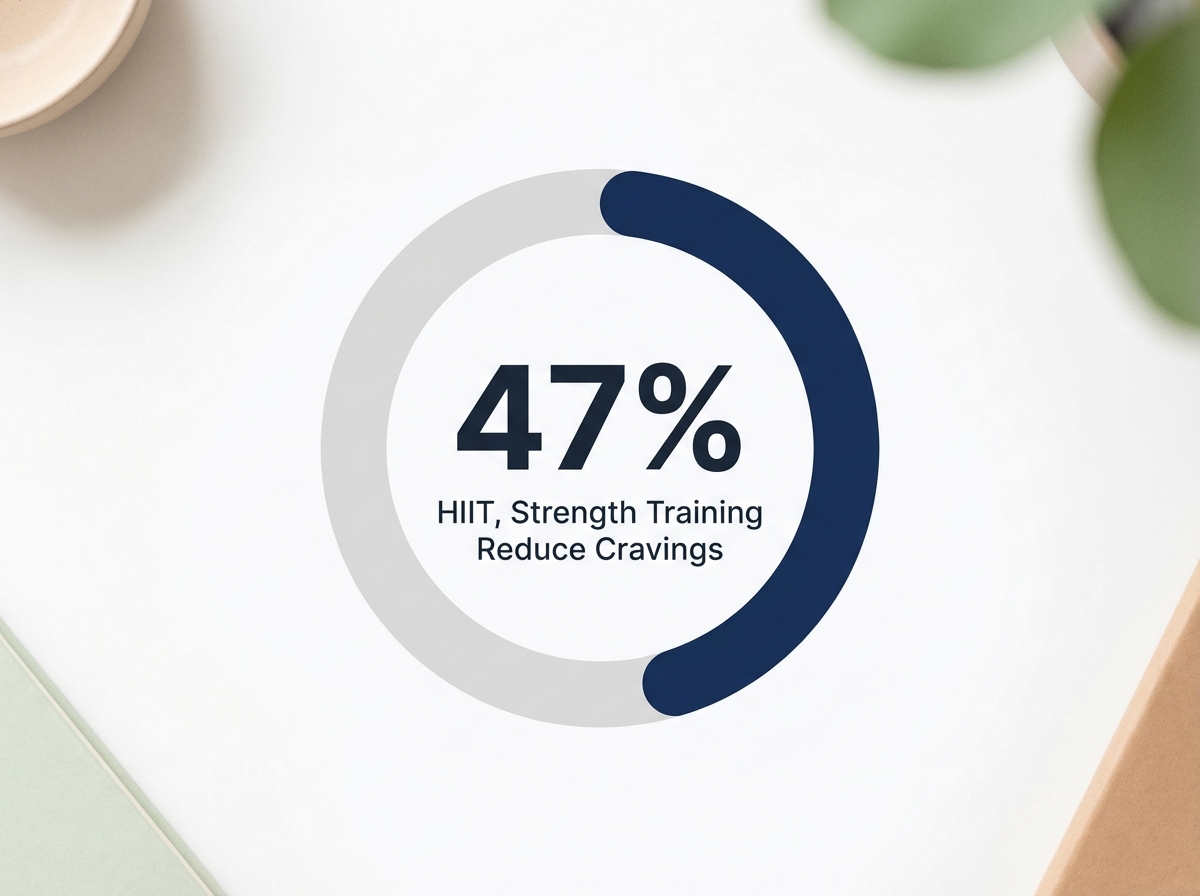
Research indicates that movement-based interventions can improve treatment retention rates by 40-60% when delivered alongside evidence-based psychotherapy—a finding particularly relevant in a city where sticking with structured programming is often challenged by work stress, nightlife exposure, and logistical barriers such as traffic on I-65 or limited parking near West End. High-intensity interval training (HIIT) and strength routines, frequently offered in neighborhood gyms from Midtown to Donelson, have been shown to reduce alcohol cravings by 47% and improve mood markers equivalent to standard antidepressant medication.2,5
Local testimonials reinforce these outcomes. A Sylvan Park resident described how regular group hikes on the Warner Parks trails helped rebuild both his physical health and sense of brotherhood, while a Midtown professional credited boxing classes near the Vanderbilt campus with providing a healthy, disciplined outlet for executive stress. These firsthand accounts echo Nashville’s broader trend: movement-based recovery programming is a vital part of restoring a man's physical and mental fortitude.2,7
In Nashville, men-specific rehab programs have embraced the brotherhood model—a peer-driven approach that thrives in tight-knit communities like The Nations, East Nashville, Germantown, and 12 South. These neighborhoods, often characterized by their walkability, coffee shops, and proximity to local landmarks such as the Bicentennial Mall and Five Points, foster a sense of connection that is central to effective peer accountability and long-term recovery.
Local facilities are accessible from major routes like I-40 and are designed to be welcoming for men coming from Midtown, Donelson, and the areas near the Vanderbilt campus. Peer accountability is more than just group therapy; it is a strategic alignment of men committed to mutual success. In Nashville, brotherhood models emphasize structured daily check-ins, shared movement activities, and communal goal-setting.
Research indicates that these male-only, peer-led recovery models achieve 45% higher 12-month abstinence rates than traditional mixed-gender group therapy. This is especially relevant in a city where men face intense social and professional pressures, and where the risk of isolation or relapse can be heightened by nightlife exposure and transportation barriers.3
Local stories highlight the impact of this approach: one Sylvan Park executive described how daily morning runs with a group near Centennial Park kept him focused during early sobriety, while another from East Nashville credited his peer circle for stepping in after a difficult corporate merger—helping him avoid a return to crisis. These outcomes demonstrate why a brotherhood approach is a foundational pillar for long-term healing.3
In Nashville, insurance coverage and access play a defining role in determining how quickly a man in crisis can engage with alcohol rehab services. Local men from neighborhoods like Madison, Antioch, Sylvan Park, and Edgehill often cite insurance verification and preauthorization as primary hurdles—especially for those seeking urgent entry into medical detox or structured outpatient care.
Facilities near major corridors such as I-24 and I-65 are often chosen for their accessibility and proximity to both residential clusters and employment centers, reducing the transport burden for men commuting from Donelson or The Nations. Tennessee has responded to statewide demand by expanding Medicaid coverage: TennCare now includes up to 90 days of residential treatment, medical detoxification, and intensive outpatient programming for substance use disorder, with no prior authorization cap.9
This shift has reduced delays in neighborhoods with high rates of alcohol-related crisis, such as East Nashville and Midtown, where access to immediate care is essential for safety and continuity. Commercial insurance policies in the city increasingly recognize dual diagnosis treatment as medically necessary, but gaps remain, particularly for movement-based or adventure therapy components—coverage still varies widely depending on provider and plan.9,6
Local testimonials highlight the real-world impact: a recent Green Hills client described how rapid TennCare approval enabled same-day admission to detox, while a Midtown resident reported out-of-pocket costs for movement therapy due to limited private coverage. These experiences underscore why efficient insurance navigation remains central to minimizing downtime and maximizing care.
Recovery from substance use disorder requires more than clinical intervention—it demands a fundamental shift in how men approach healing, connection, and personal growth. The integration of movement-based therapies, evidence-based treatment modalities, and structured peer support creates pathways to sustainable recovery that traditional approaches often miss. When men engage with boxing, jiu-jitsu, outdoor adventures, and neuroscience-backed interventions alongside proven therapies like CBT, DBT, and EMDR, they access recovery tools that address both neurochemical restoration and psychological healing.
The brotherhood model demonstrates that accountability, shared experience, and mutual support amplify treatment outcomes across diverse clinical populations. Men who participate in comprehensive programs—from medical detox through alumni services—develop resilience that extends beyond symptom management to genuine life transformation. Treatment centers throughout Tennessee, including specialized men's programs like Trifecta Healthcare Institute in Nashville and Knoxville, increasingly recognize that combining trauma-informed care, co-occurring mental health support, and active engagement strategies provides the foundation for long-term sobriety. Recovery becomes not just about stopping substance use, but about building a life worth protecting through movement, connection, and purpose-driven healing that addresses the whole person.
When you or someone you love are ready to begin healing—mind, body, and spirit—connect with Trifecta Healthcare Institute. We help men thrive in and out of treatment.
Medically supervised detox for alcohol use disorder in Nashville typically lasts 5 to 7 days, though the precise duration depends on the severity of alcohol dependence, co-occurring medical or psychiatric conditions, and the presence of withdrawal complications. Providers in neighborhoods like Midtown, Donelson, and near the Vanderbilt University Medical Center report that most men stabilize within this timeframe, but some require up to 10 days of monitoring to manage severe symptoms or dual diagnoses. The process is highly individualized—men with a history of complicated withdrawal or additional medical needs may need extended care before transitioning to the next phase of Nashville alcohol rehab for man in crisis.2,5
Men's alcohol rehab programs in Nashville serve a wide geographic area, connecting clients from neighborhoods such as East Nashville, The Nations, Midtown, Bellevue, Sylvan Park, and Donelson. Facilities are often located near major landmarks like Centennial Park or the Vanderbilt campus, offering easy access for men living or working near I-40, I-65, and the 12 South corridor. This broad reach ensures that support is never far from high-need areas, including Germantown and Antioch, where rates of alcohol-related crises remain elevated. Men frequently cite the convenience of accessing group sessions at walkable, community-oriented locations. Programs also provide transportation solutions for those in neighborhoods with limited public transit or parking, helping ensure no man is left behind in crisis recovery.2,12
Yes, Tennessee Medicaid—known as TennCare—covers residential alcohol treatment for men, including those seeking services at a Nashville alcohol rehab for man in crisis. TennCare’s expanded benefits now allow up to 90 days of residential treatment, medical detoxification, and intensive outpatient programming for substance use disorder, with no prior authorization cap required. This policy is especially significant in Nashville neighborhoods like East Nashville, Midtown, and Antioch where immediate access to crisis care can be life-saving. Coverage extends to dual diagnosis support but may vary for movement-based therapies, so professionals should verify plan specifics before admission.9
Yes, family members can participate in treatment programming remotely for men in a Nashville alcohol rehab for man in crisis. Most local programs offer virtual family therapy sessions and remote educational workshops, allowing loved ones from areas like Green Hills, Bellevue, and even outside Nashville to engage without travel barriers. In fact, virtual family involvement has grown by 60% in Tennessee since 2022, directly improving engagement rates and helping men re-integrate into their communities more smoothly. Research shows that this kind of family participation increases treatment completion rates by 34% and reduces relapse risk by 26% in the first year post-treatment.1
Men-only treatment programs are more effective than co-ed programming for several reasons. Male-specific approaches foster a sense of brotherhood and peer accountability, which is especially important in high-pressure environments like Nashville's Midtown or The Nations. Research shows that brotherhood-based, male-only peer support models achieve 45% higher 12-month abstinence rates compared to traditional mixed-gender groups. These programs allow men to openly address gender-specific issues—including trauma, stigma, and emotional regulation—without fear of judgment. This focused environment aligns with what works best in every successful Nashville alcohol rehab for man in crisis, providing structure and camaraderie that encourage honest engagement and sustained recovery.3
Access to crisis treatment in a Nashville alcohol rehab for man in crisis is often rapid, with most programs able to begin intake assessments within hours of initial contact, especially in high-need neighborhoods like Midtown, East Nashville, and The Nations. Centralized intake locations near major landmarks—such as the Vanderbilt University Medical Center corridor—help minimize wait times and logistical barriers. For men with TennCare or commercial insurance, same-day admission to detox or stabilization services is routinely achievable, particularly when paperwork and preauthorization are streamlined. Local providers report that 24/7 hotlines and telehealth assessments have further accelerated entry into care, ensuring that men in urgent crisis are not left waiting. In recent years, policy changes and expanded Medicaid benefits have directly increased the speed and accessibility of admissions citywide.9
After completing intensive outpatient programming at a Nashville alcohol rehab for man in crisis, most men transition to structured aftercare services tailored to their needs and neighborhood context. These options may include step-down outpatient therapy, peer-led alumni groups, or sober living environments in areas like Bellevue, Germantown, or East Nashville. Continued access to movement-based activities and brotherhood support is encouraged, as research shows ongoing peer engagement and physical activity significantly reduce relapse risk and improve long-term outcomes. Many programs also help with job placement and life skills, supporting reintegration into the Midtown or The Nations community. Alumni are connected to weekly support meetings and citywide recovery resources to sustain progress beyond formal treatment.2,7
Whether it's you or someone you love, our team can help you figure out the next step — what treatment looks like, what's covered, or just someone to talk to.
Talk to Our TeamConfidential. No commitment required.



July 30, 2026