



How to Vet and Choose a Rehab for Alcoholics Near Me
Learn how to evaluate a rehab for alcoholics near me by checking licensure, accreditation, therapies, medication use, and long-term care quality.
Read More
Nashville Alumni Recovery Support: A Local Guide by Trifecta Healthcare Institute to find meetings, resources, and community for lasting sobriety.
Start Your Journey NowWritten and reviewed by the clinical team at Trifecta Healthcare Institute, a men’s-only treatment center in Tennessee specializing in substance use, mental health, and dual diagnosis care.
For parents and professionals evaluating long-term care for their adult sons, the transition from clinical treatment back into daily life is a critical juncture. Effective Nashville alumni recovery support is deeply woven into the city’s unique neighborhoods, from the creative energy of East Nashville to the upscale streets of Green Hills. Residents in The Gulch, Sylvan Park, and Donelson often cite the convenience of local meeting spots—just minutes from the John Seigenthaler Pedestrian Bridge or easily accessible via I-440—as crucial to staying engaged long after formal treatment ends. Nashville’s recovery landscape is shaped by its neighborhood culture: walkable coffee shops in 12 South, the busy corridors near Vanderbilt, and the green spaces around Shelby Park all serve as gathering points for alumni building a transformative brotherhood.
This hyper-local approach matters for sustained recovery and professional reintegration. Structured alumni programs rooted in local communities yield a 40–60% improvement in long-term abstinence rates, providing the accountability necessary for men to thrive.1
"The support of a nearby peer group in Sylvan Park was instrumental in helping me transition back to my career while maintaining strict accountability. Attending weekly events near Centennial Park fostered a brotherhood that kept me motivated when the professional pressures mounted."
— Local Alumnus Testimonial
Parking and traffic are practical concerns—especially around Midtown and Hillsboro Village—but alumni programs adapt by offering flexible meeting times and venues, both in-person and online, to fit Nashville’s distinct rhythms. The next section explores why alumni support is especially critical in the context of Nashville’s ongoing substance use crisis.
Nashville’s substance use crisis is acutely visible in neighborhoods from Bordeaux to Antioch, with ripple effects across the city’s social fabric. In 2022, Nashville reported 754 drug overdose deaths—an alarming number that not only outpaces other Tennessee metro areas but also reflects the growing prevalence of fentanyl, which was involved in 77% of those fatalities. Davidson County’s overdose death rate now stands at approximately 100 deaths per 100,000 residents, highlighting the urgency of coordinated, long-term support.1,2
The impact is pronounced among men and working-age adults, especially in areas near Downtown, Madison, and Inglewood. Rising rates of polysubstance use and stimulant-related fatalities have added complexity to the treatment landscape. These realities underscore why ongoing alumni engagement is not a luxury, but a necessity for sustained recovery in Nashville.1,2
Neighborhood-based approaches—meeting alumni where they live and work, whether near Five Points or Bellevue—offer both accessibility and a sense of belonging. Local alumni have shared how peer-driven check-ins and accountability groups helped them navigate the pressures of returning to jobs in the Gulch or managing family responsibilities in Hermitage. With 6.5% of the local population affected by substance use disorder, the need for robust, regionally tailored alumni support has never been greater.1,2
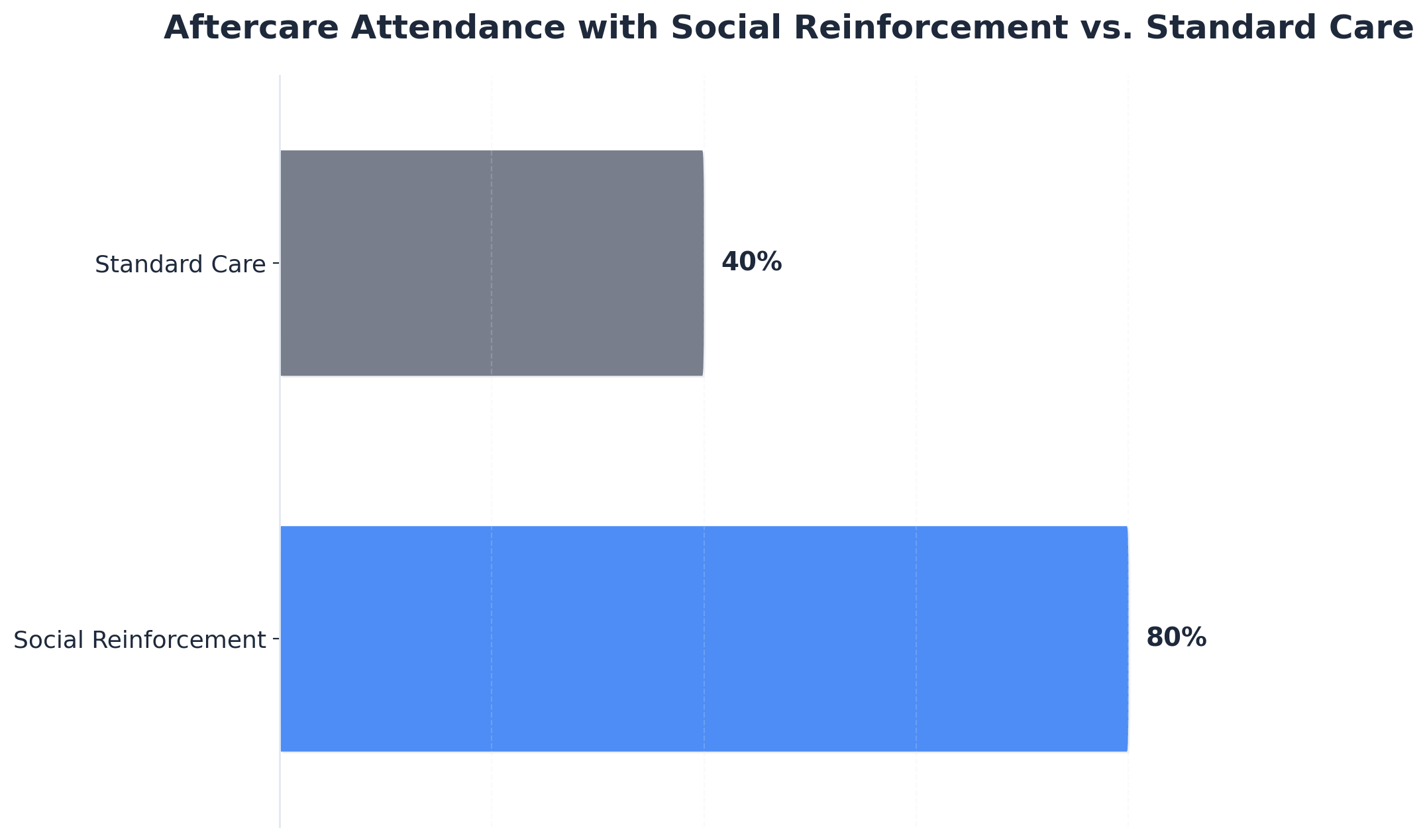
A growing body of evidence underscores the necessity of structured support for individuals transitioning out of formal substance use treatment programs in Nashville. Ongoing alumni engagement—whether through peer mentorship, scheduled check-ins, or neighborhood-based gatherings—consistently yields better outcomes than isolated treatment episodes. At Trifecta Healthcare Institute, we emphasize that while we do not offer primary mental healthcare, our co-occurring mental health treatment alongside SUD support provides a comprehensive foundation. Patients who participate in continuing care with a social reinforcement component are twice as likely to remain engaged in aftercare for at least two months (80% vs. 40%) and demonstrate higher rates of abstinence at six-month follow-up.4
Peer mentorship models, such as the Mentorship for Addiction Problems (MAP) program, have shown that mentored individuals experience fewer substance use days during active treatment (1.9 vs. 5.6 days) and maintain these improvements during follow-up. This results in an overall retention rate of 86.2%—a notable benchmark for any local initiative.2
The advantages extend beyond abstinence alone. Residents from areas like 12 South and Donelson have reported that weekly alumni meetings not only help them maintain sobriety but also provide essential accountability and community. National studies link active alumni participation to a 40–60% improvement in long-term outcomes. These structured supports are especially critical given Nashville's high overdose rates and the diverse needs of men seeking both stability and brotherhood after treatment.1
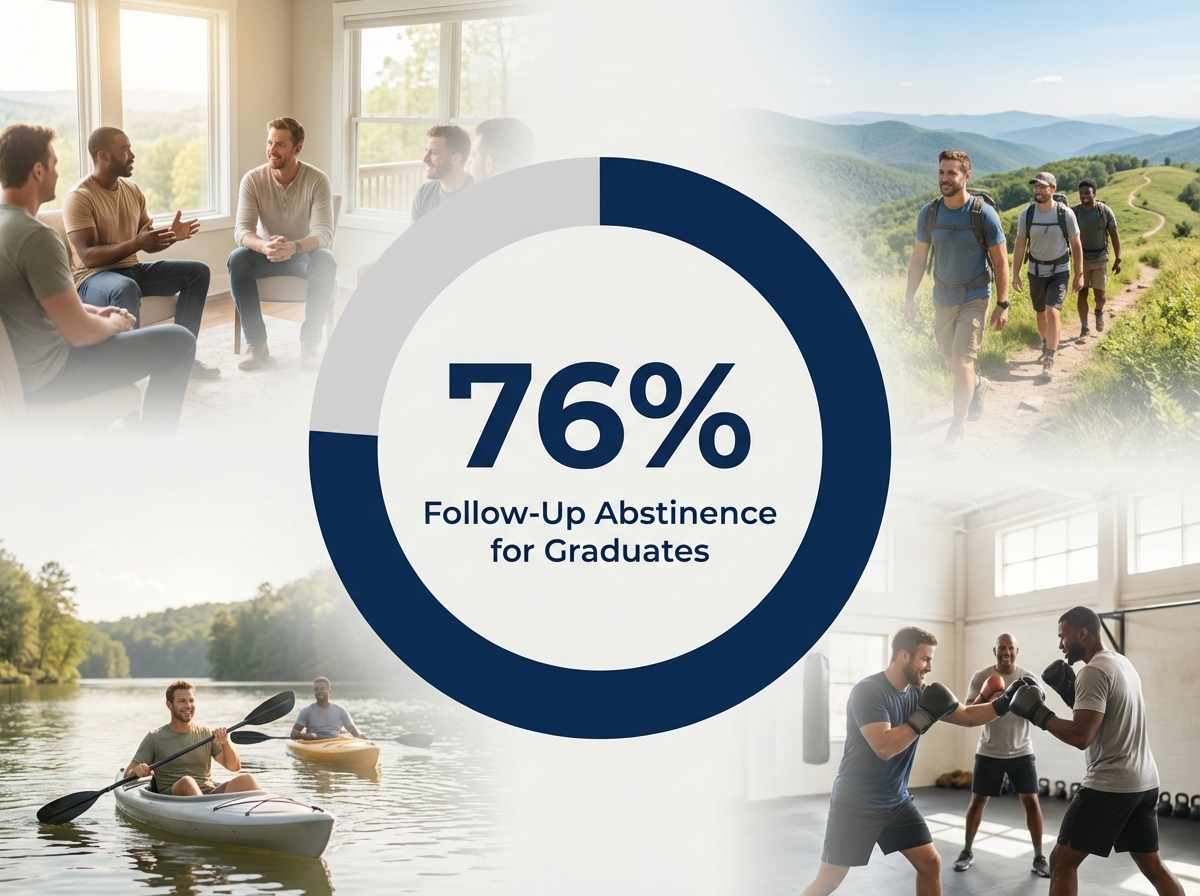
Recovery capital—the sum of social, personal, and community resources available to a person—has become one of the most reliable predictors of long-term success in substance use recovery, surpassing demographic factors or even the specific treatment model used. In Nashville, the unique fabric of local neighborhoods like Sylvan Park, The Gulch, and Donelson provides fertile ground for building and sustaining this capital. Alumni programs designed around these communities amplify social ties and peer accountability, creating networks where men are more likely to encounter fellow alumni at local coffee shops or wellness spaces than in isolated, clinical settings.4,6
A critical aspect of effective aftercare is its focus on reshaping social networks. Research shows that individuals whose primary circles consist of abstinent peers or others in recovery achieve significantly better three-year outcomes than those whose networks include active substance users. This effect is tangible in places like East Nashville and 12 South, where alumni-led hiking groups or basketball meetups at Shelby Park foster genuine connections and shared purpose. Local testimonials reinforce this: a Green Hills alumnus credits weekly accountability walks on the Radnor Lake trails for deepening friendships that replaced old, risky associations, while another from West End describes how group jiu-jitsu sessions near Centennial Park made it easier to seek help in moments of vulnerability.1,5
These social and activity-based bonds do more than boost morale. Movement-based and brotherhood-focused programming have a measurable neurobiological impact, promoting oxytocin release and restoring dopamine pathways in men, which are critical for emotional stability and resilience.1,3
Between facility size limits, waivers, and state-by-state rules, figuring out your Medicaid or private insurance benefits can feel like its own full-time job. Our admissions team will verify your coverage in minutes and walk you through exactly what's available — no guesswork required.
Verify Insurance Benefits →No commitment required. Confidential & HIPAA-protected.
Peer mentorship and brotherhood models are cornerstones of effective aftercare, particularly for men navigating early and sustained recovery. In neighborhoods like 12 South, The Nations, and Donelson, alumni often describe how structured peer relationships—whether through formal mentorship pairings or organically within brotherhood groups—provide a sense of belonging that clinical services alone cannot match. The mentorship approach, as seen in evidence-based programs, reduces substance use days during active treatment and drives an impressive 86.2% retention rate among participants.2
The brotherhood model goes further by fostering a culture of mutual accountability, where men are encouraged to support each other both in moments of challenge and in celebrating milestones. In Nashville, this is frequently experienced in weekly check-ins at community spaces near Centennial Park or casual gatherings in East Nashville coffee shops, all easily accessible via major routes like I-440. One alumnus from Sylvan Park credits his mentor with helping him navigate the transition back to professional life, while another from Green Hills highlights the unique trust built during group discussions at local wellness centers.
Research shows that programs rooted in peer mentorship and brotherhood frameworks can lead to a 40–60% improvement in long-term abstinence rates, particularly when alumni remain actively engaged in the first year of recovery. This approach not only addresses the clinical dimensions of substance use disorder but also meets the city’s need for connection, accountability, and sustainable healing.1
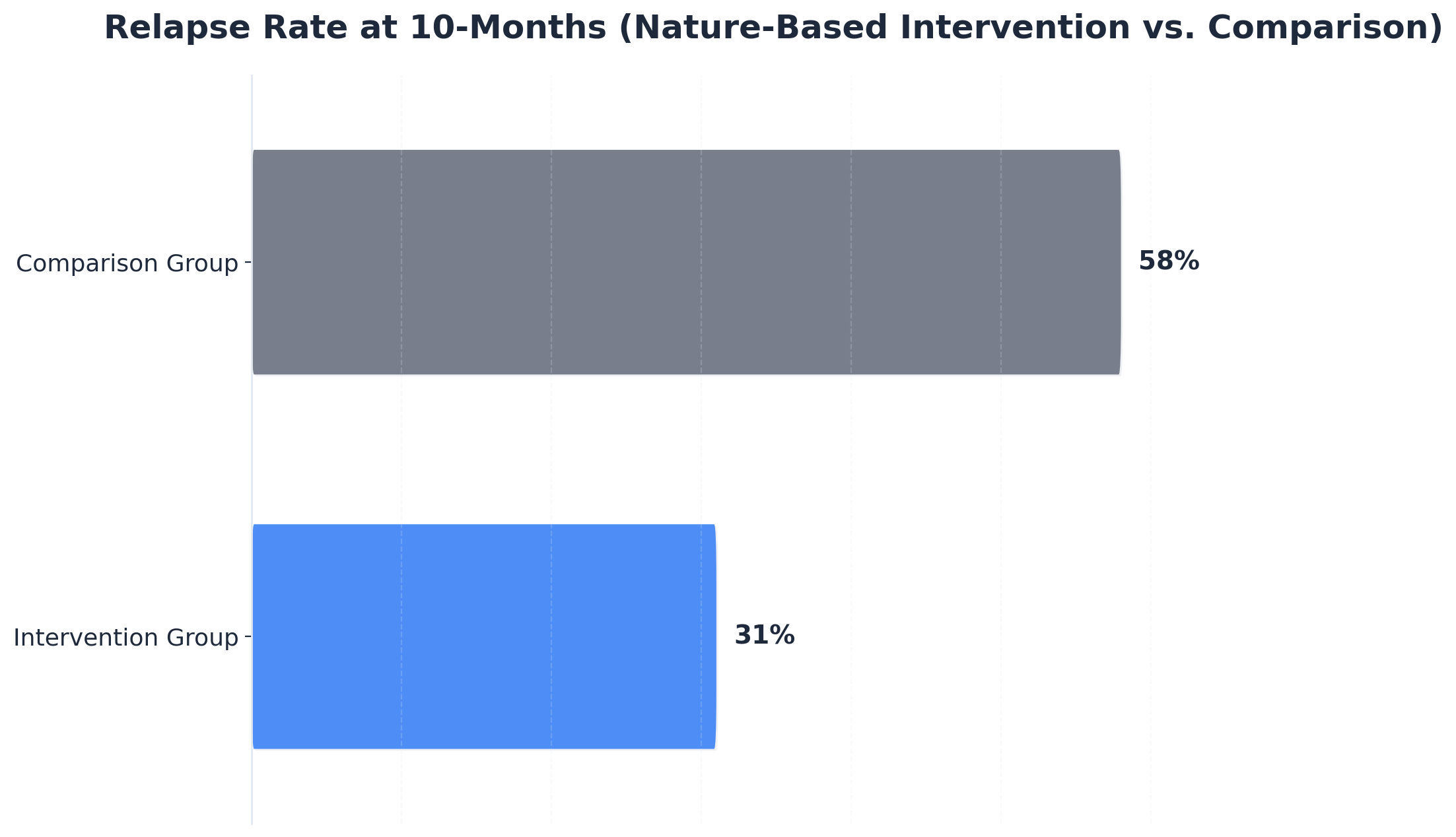
Fig 1: Movement-based therapies stimulate neurobiological healing and foster brotherhood.
Movement-based and action-oriented activities are a defining feature of Trifecta Healthcare Institute's approach, resonating deeply with men across neighborhoods like East Nashville, The Gulch, and 12 South. In Nashville’s recovery community, boxing classes near the Five Points area, group hikes around Percy Warner Park, and jiu-jitsu sessions at local gyms have become more than just exercise—they are trusted spaces where alumni reconnect, process challenges together, and reinforce accountability. Neighborhood parks such as Shelby Park and the greenways in Sylvan Park offer regular meetups for basketball and outdoor workouts, giving alumni practical options that are both accessible and relatable.
Physical exertion + Brotherhood Support = Oxytocin Release & Dopamine Restoration
Evidence shows that combining movement with peer-driven support leads to profound neurobiological benefits. Engaging in physical activity within a brotherhood context stimulates oxytocin release and helps repair dopamine pathways disrupted by substance use, supporting emotional regulation and resilience. Men in Nashville frequently emphasize that these shared experiences build a stronger sense of purpose and make it easier to open up, especially when talk therapy alone doesn’t suffice.1,3
Local alumni stories reinforce these findings. A resident from The Nations described how early-morning ice bath sessions along the Cumberland River provided stability during stressful times, while another from Donelson cited basketball games at Shelby Park as critical to maintaining connection and motivation. These activities are not only enjoyable but also enhance recovery capital, translating to measurable improvements in long-term abstinence and well-being.1
For parents watching their adult sons struggle with addiction, the question isn't just about getting them into treatment—it's about what happens after. Long-term recovery requires more than clinical intervention; it demands a foundation of accountability, structure, and community support that extends well beyond initial treatment. Sustainable recovery emerges from the partnership between evidence-based clinical expertise and the kind of peer connection that only comes from men who understand the journey firsthand. In Middle Tennessee, programs that integrate this brotherhood model with movement-based therapies create the conditions where young men don't just get sober—they build the resilience and life skills that make recovery sustainable when they return to the real world.
A premier Nashville rehab or Knoxville rehab for men focuses on specific recovery needs, creating environments where accountability becomes second nature. Through structured sober living, alumni services, and continued access to recovery coaching, men build the resilience necessary to navigate life's challenges without reverting to substance use. Movement-based programming—from boxing therapy to outdoor adventure activities—reinforces the neurochemical balance established during treatment while maintaining physical and mental wellness.
The brotherhood model proves particularly effective for long-term outcomes. Men who complete intensive treatment maintain connections through peer support groups and community integration activities, creating a network that understands their journey firsthand. This ongoing support system, combined with life skills training and vocational support, equips men with practical tools for sustained recovery beyond the clinical setting.
When you or someone you love are ready to begin healing—mind, body, and spirit—connect with Trifecta Healthcare Institute. We help men thrive in and out of treatment.
During the first year of recovery, attending alumni meetings at least weekly is strongly recommended for men in Nashville, especially for those residing in active neighborhoods like East Nashville, The Gulch, and Donelson. Research indicates that participation in structured alumni programming—at a frequency of at least monthly or biweekly, with optimal outcomes seen at 80% attendance—yields a 40–60% improvement in long-term abstinence rates compared to less frequent engagement. Consistent attendance helps reinforce accountability, strengthen peer connections, and provide stability as alumni navigate the unique pressures of Nashville’s work and social environments. Regular involvement in Nashville alumni recovery support programs has proven particularly valuable for building sustained recovery momentum.1
Family members can often play a supportive role in Nashville alumni recovery support programming, with many local groups encouraging participation in select events or family-focused sessions. In neighborhoods like Green Hills and Donelson, peer-led alumni meetings may include designated evenings for parents, partners, or siblings to join in, fostering connection and shared accountability. Research highlights that family involvement during the recovery process can promote positive outcomes and help sustain long-term abstinence, particularly for young adults and emerging professionals. While the core of alumni programming typically centers on peer and brotherhood models, integrating family within structured boundaries creates additional layers of encouragement and community.9
Alumni meetings across Nashville’s neighborhoods—including Green Hills, The Nations, and East Nashville—are designed with accessibility in mind. Many venues are located near major routes like I-440 and I-65, making them convenient for those driving from different parts of the city. For alumni using public transportation, the WeGo bus system connects key areas such as Donelson, Midtown, and Germantown, providing reliable options even for evening events. In areas where parking or traffic might be challenging, like Midtown or near the Vanderbilt campus, alumni programs often prioritize venues with ample parking and proximity to transit. Some groups also offer virtual or hybrid formats to further reduce transportation barriers, supporting broad participation in Nashville alumni recovery support.1
Men-only alumni programs in Nashville are distinct from co-ed recovery support groups because they intentionally foster brotherhood, peer mentorship, and action-oriented activities tailored to the unique needs of men. These programs emphasize accountability, shared vulnerability, and movement-based approaches—like boxing or hiking meetups in neighborhoods such as The Nations and East Nashville—that many men find more comfortable than traditional talk therapy. Research shows that male-centered, brotherhood-focused programming boosts engagement and triggers neurobiological benefits, including oxytocin release and dopamine restoration, which support emotional regulation and long-term recovery. Nashville alumni recovery support initiatives designed for men build trust and camaraderie, often resulting in 40–60% higher sustained abstinence rates than standard models.1,3
Yes, many Nashville alumni recovery support programs offer activities and schedules designed specifically for professionals managing work commitments. Meetings in neighborhoods like Midtown, Green Hills, and The Gulch are often held before or after standard business hours, with options for early-morning or lunchtime gatherings near office hubs. Hybrid and virtual formats are increasingly common, making it easier for alumni in demanding fields to stay connected without sacrificing work obligations. Local testimonials highlight the value of evening hiking groups in Sylvan Park and weekend accountability check-ins in Donelson for busy professionals. These tailored approaches support long-term abstinence and engagement for working men.1
If someone experiences a relapse while engaged in Nashville alumni recovery support programming, the response is rooted in nonjudgmental accountability and rapid reintegration. Alumni groups in neighborhoods like Donelson and Green Hills emphasize immediate peer outreach, encouraging members to attend the next available meeting and connect with their mentor or accountability partner. Research shows that continued participation in structured alumni programs after a setback can dramatically improve long-term abstinence rates, with 40–60% better outcomes when individuals remain engaged. Relapse is viewed not as failure but as an opportunity for renewed connection and support, often involving extra check-ins, group discussions, and, if needed, referrals for higher levels of care. This approach helps men in Nashville neighborhoods regain stability and return to their recovery path.1
Virtual alumni meetings in Nashville offer vital flexibility for men balancing work or living outside core neighborhoods like East Nashville or Green Hills. Research indicates that while virtual formats increase accessibility and help maintain engagement—especially when transportation or parking in areas like Midtown is challenging—in-person gatherings foster deeper peer connections and accountability, which are linked to a 40–60% improvement in long-term abstinence rates. Many local alumni report using virtual meetings as a supplement rather than a replacement for in-person events, valuing the brotherhood and energy unique to face-to-face sessions. Hybrid options are becoming standard in Nashville alumni recovery support, allowing consistent participation and sustained recovery momentum.1
Whether it's you or someone you love, our team can help you figure out the next step — what treatment looks like, what's covered, or just someone to talk to.
Talk to Our TeamConfidential. No commitment required.

July 30, 2026