



How to Vet and Choose a Rehab for Alcoholics Near Me
Learn how to evaluate a rehab for alcoholics near me by checking licensure, accreditation, therapies, medication use, and long-term care quality.
Read More
Learn how to build patience in recovery with proven strategies like movement therapy and peer support to overcome plateaus with Trifecta Healthcare Institute.
Start Your Journey NowWritten and reviewed by the clinical team at Trifecta Healthcare Institute, a men’s-only treatment center in Tennessee specializing in substance use, mental health, and dual diagnosis care.
Understanding the timeline of brain healing is crucial, which is why practicing patience in recovery is a foundational element of any sustainable healing process. The prefrontal cortex—the area of the brain that governs impulse control, planning, and decision-making—is heavily disrupted by chronic substance use. Recovery professionals emphasize that this region typically requires 12 to 24 months to regain full function after abstinence begins.3
To help track your progress, use this quick self-assessment tool. Ask yourself the following questions:
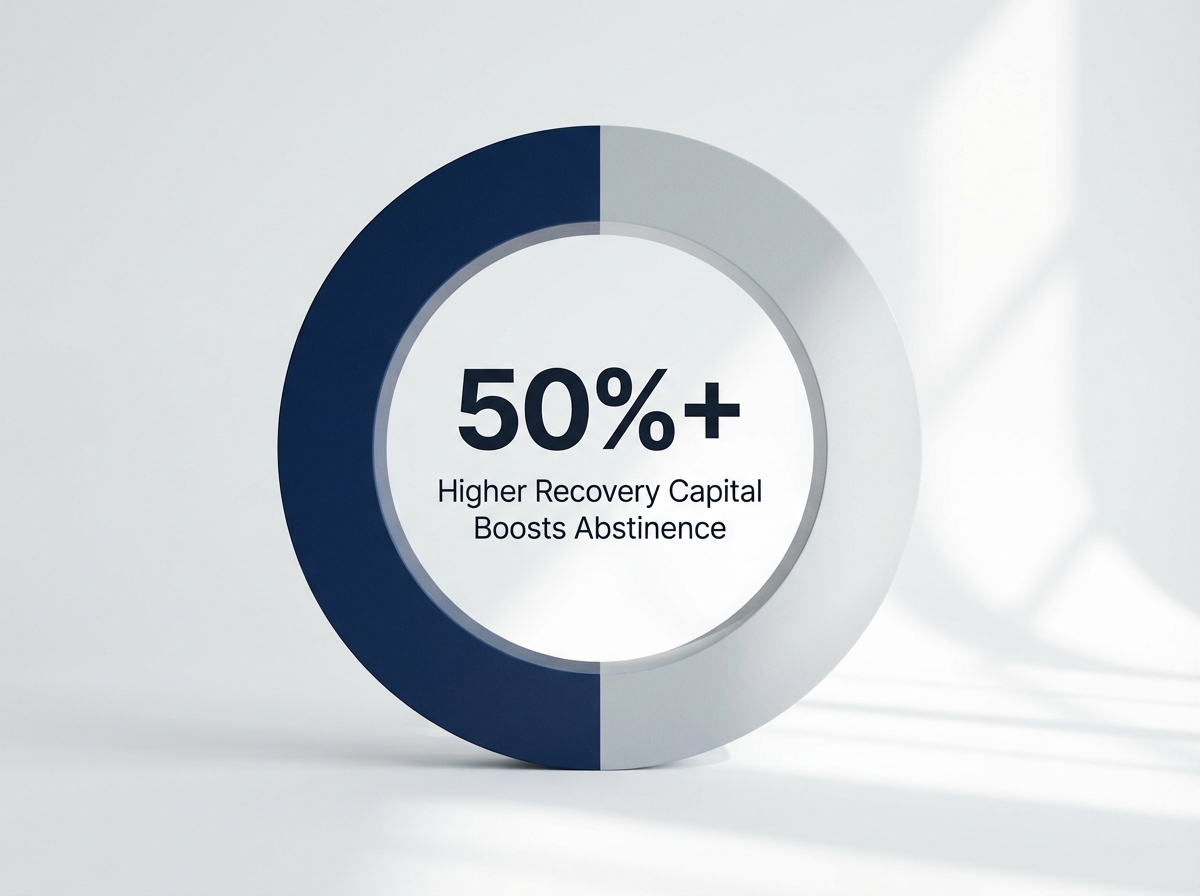
If you answer yes to even one of these questions, you are likely experiencing early prefrontal cortex healing. Recovery capital—resources such as peer support and structured activities—directly supports this process. In fact, individuals report 50% or greater improvements in sustained abstinence when these elements are actively present in their lives.4
"Recovery is not a race; it is the deliberate rewiring of the brain through consistent, movement-based action and brotherhood."
— The Trifecta Healthcare Institute Clinical Philosophy
Opt for this framework when you thrive with process-oriented goals and value incremental growth over quick fixes. For professionals or veterans used to immediate results, reframing brain healing as a gradual, month-over-month improvement can help manage expectations and reduce frustration. Understanding the extended timeline for prefrontal cortex recovery allows men to recalibrate what success looks like in early and mid-stage recovery.
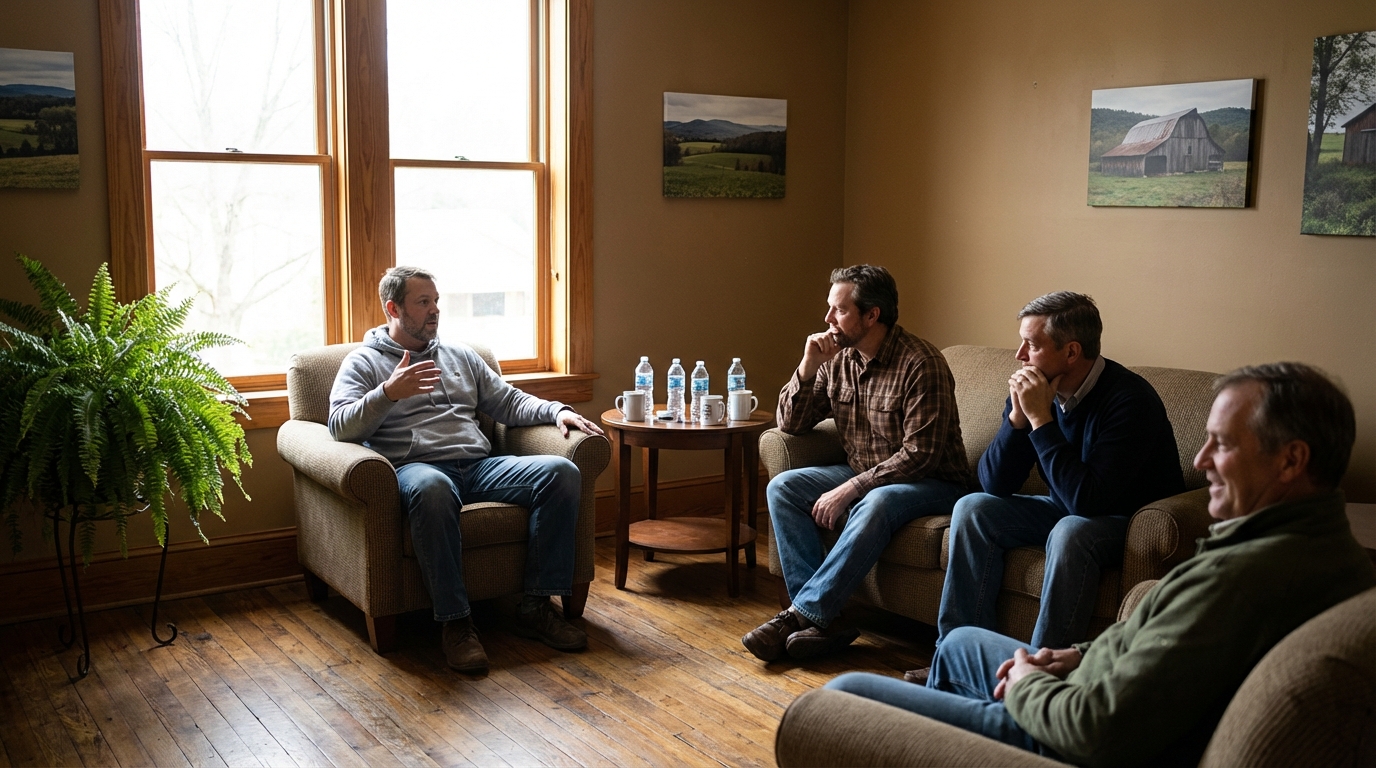
A practical assessment tool for men navigating early recovery is the Dopamine Restoration Phases Checklist. Dopamine is a brain chemical that regulates motivation, reward, and mood. Chronic substance use drastically disrupts this system, requiring anywhere from 6 to 24 months for baseline dopamine function to normalize.9
During early withdrawal and post-acute withdrawal, it's common to feel emotionally flat or to struggle with low drive. These are signs of neurobiological adjustment, not personal failure. This path makes sense for professionals and veterans accustomed to high achievement, as it reframes "plateaus" as expected stages in brain chemistry repair rather than evidence of stalled recovery.
Men who approach this process as a skill to practice—especially during months of low pleasure or motivation—report greater satisfaction in structured, movement-based programs. Grasping these dopamine restoration phases helps set realistic expectations before moving on to assess how recovery capital and support systems can accelerate neurobiological and psychological healing.
Recovery capital represents the sum of internal and external resources available to support sustained sobriety. After experiencing a setback, men in recovery benefit from reassessing these resources—not to measure failure, but to identify which supports held strong and which need reinforcement. Internal recovery capital includes emotional regulation skills, coping mechanisms, physical health, and motivation for change.
External recovery capital encompasses social networks, stable housing, employment stability, and access to healthcare. This systematic evaluation reveals where recovery infrastructure proved resilient and where vulnerabilities emerged during difficulty. The reassessment process begins with an honest inventory of what worked. Internal resources that remained intact during challenging periods—stress management techniques that prevented complete collapse, physical routines that maintained structure, professional skills that preserved identity beyond addiction—represent proven assets worth strengthening.
Building robust recovery capital requires tangible investments. Intensive Outpatient Programs (IOP) typically require 9-15 hours per week. Out-of-pocket costs can range from $200 to $500 per day depending on insurance coverage, while specialized biohacking therapies like guided ice baths or movement therapy sessions may add $50-$100 per session. Time invested in a structured brotherhood environment pays dividends in long-term relapse prevention.
Men who maintained some level of physical activity during setbacks often discover this consistency provided crucial stability. Problem-solving abilities and discipline developed through careers or athletics become particularly valuable when consciously redirected toward recovery challenges rather than left dormant. External support networks require equally thorough evaluation after difficulty. Relationships that remained supportive despite setbacks constitute genuine recovery capital.
Friendships that withstood honesty about struggles, family connections that offered accountability without enabling, and professional relationships that survived transparency—these connections deserve intentional cultivation. Geographic stability matters as well; men who maintained housing and community ties during difficult periods possess advantages over those whose setbacks disrupted living situations or severed local support networks entirely. Men often discover previously unrecognized gaps in their support systems through this reassessment.
Perhaps friendships that seemed supportive actually revolved around shared drinking patterns. Work environments that appeared manageable actually normalized heavy drinking as stress relief. These revelations don't indicate recovery failure; they highlight areas requiring intentional development. Structured sober living environments address housing instability that becomes apparent only after testing. Brotherhood-based programming creates peer networks rooted in accountability rather than enabling behaviors.
Alumni services and peer support groups extend community connections beyond initial treatment phases, providing infrastructure that prevents isolation during challenging periods. The reassessment also clarifies obstacles that remained unaddressed. Co-occurring mental health conditions that received insufficient attention during initial treatment require integrated approaches rather than addressing addiction in isolation. Unresolved trauma that resurfaces during stress may require therapeutic intervention through EMDR or trauma-informed care.
Legal complications, custody issues, or employment instability create external pressures that need proactive management strategies rather than reactive crisis responses. This approach is ideal for men with strong internal capital but weak social networks who benefit from intensive group therapy and community integration activities that build sustainable connections. Those with supportive families but underdeveloped coping skills require focused work on CBT and DBT techniques that create reliable stress management tools.
The goal isn't achieving perfection before moving forward—it's understanding the current position clearly enough to chart a more effective path than the previous attempt provided. Whether you are seeking a Nashville rehab or a Knoxville rehab for men, finding a facility that emphasizes co-occurring mental health support alongside SUD treatment is vital for long-term success.
Between facility size limits, waivers, and state-by-state rules, figuring out your Medicaid or private insurance benefits can feel like its own full-time job. Our admissions team will verify your coverage in minutes and walk you through exactly what's available — no guesswork required.
Verify Insurance Benefits →No commitment required. Confidential & HIPAA-protected.
High-intensity movement—such as boxing, jiu-jitsu, interval running, or circuit training—offers a powerful neurochemical reset for men navigating plateaus in recovery. To determine if this strategy matches your needs, use this quick assessment:
If you answered yes to at least two, incorporating high-intensity sessions 2–4 times per week may help break through neurobiological stagnation. Research indicates that vigorous physical activity directly boosts dopamine, serotonin, and brain-derived neurotrophic factor (BDNF)—all critical for mood regulation and cognitive healing after substance use. Men participating in these activities report 35–50% faster emotional regulation improvement compared to those relying on traditional talk therapy alone.7
This approach works best when early recovery progress plateaus and standard routines no longer yield noticeable changes. For professionals or veterans used to high-performance environments, high-intensity movement mimics familiar adrenaline and achievement cycles, restoring a sense of agency and accomplishment. The time commitment is manageable: most men see benefits with two to three 45–60 minute sessions weekly, requiring only basic gym equipment or group class access.
When patience in recovery is being tested by emotional numbness or stalled motivation—especially if action-oriented challenges have historically driven positive change—leaning into movement therapy is highly effective. Next, explore how peer-driven physical challenges amplify accountability and sustain momentum during tough phases.
Peer accountability transforms movement-based recovery from a solitary effort into a collective challenge. To identify whether this strategy fits your needs, consider this checklist:
If these resonate, integrating peer-driven physical challenges—such as team-based boxing drills, jiu-jitsu sparring, or outdoor endurance events—can provide the structure and motivation needed to sustain momentum during plateaus. Research demonstrates that peer accountability increases 24-month abstinence rates by 30-45% compared to individual therapy alone.6
Consider this method if you thrive in environments where camaraderie, healthy rivalry, and mutual support are the norm. Professionals and veterans, in particular, often report that group-based challenges replicate the sense of brotherhood and shared mission that drives long-term engagement. Peer-driven physical challenge leverages group energy, making it easier to persist through slow periods and transforming setbacks into opportunities for shared growth.8
The resource commitment is moderate—most men find that 2-3 weekly sessions with a consistent group deliver the strongest benefits, requiring a time investment of 3-5 hours per week in structured activities. Having explored peer-driven accountability, the next section will guide you in reframing setbacks as essential skill-building events rather than signs of failure.
The self-assessment process described earlier reveals more than just patterns—it identifies exactly where skill development is needed. Every man in recovery faces moments when progress stalls or old patterns resurface. These instances aren't failures—they're data points revealing specific gaps in your recovery toolkit.
When a man finds himself white-knuckling through a family dinner, that's not a character flaw—it's a signal that his distress tolerance skills need development. When you're lying awake at 2am with racing thoughts about work deadlines, and the urge to use feels overwhelming, that moment identifies where emotional regulation skills require strengthening. When a social situation at a networking event feels suffocating and you want to leave immediately, it highlights an opportunity to build boundary-setting abilities.
The difference between men who build lasting recovery and those who cycle through treatment programs often comes down to how they interpret these challenging moments. Traditional approaches to setbacks often emphasize avoidance: stay away from triggers, eliminate stressors, remove temptations. While protective strategies matter early in recovery, long-term success requires building capacity to navigate real-world challenges.
This is where movement-based recovery programming demonstrates particular value. Physical activities like boxing or jiu-jitsu naturally create controlled adversity—moments of discomfort, frustration, or difficulty that mirror the emotional challenges of recovery. The moment when you're exhausted in round three of sparring and every instinct screams to quit mirrors the 3pm craving when you want to leave work early and isolate—both require the same fundamental skill: staying present through discomfort.
Learning to regulate your breathing when someone has you in a difficult position on the mats, finding calm amid physical pressure, translates directly to managing the physiological stress response when cravings hit during daily life. The neuroscience supports this reframing. Each time you encounter a trigger and choose a healthy response instead of returning to addictive behaviors, you're literally rewiring neural pathways.
Your brain strengthens the connections associated with adaptive coping while weakening old associations between stress and chemical dependency. This process requires repetition and practice, just like developing any other skill. Men who view difficult moments as training opportunities rather than personal failures tend to develop resilience faster and maintain recovery longer.
This strategy suits professionals who are accustomed to performance standards and measurable progress. Rather than viewing a rough week as evidence of inadequacy, you can analyze it like reviewing game footage:
This analytical approach removes shame from the equation while maintaining accountability for continued growth. Programs offering structured sober living environments provide ideal settings for this skill-building approach. Daily routines create consistent opportunities to practice new behaviors, while peer support from other men in recovery offers immediate feedback and encouragement. Each day becomes a training ground for the life you're building beyond treatment.
The first month after a setback typically determines whether men rebuild momentum or slip into familiar patterns. Rather than vague promises to "do better," effective recovery follows structured, daily action that rebuilds both confidence and neurochemical balance. Most men who successfully navigate this period establish non-negotiable physical commitments early.
When tracking your progress in a digital journal, you might use tags like #Neuroplasticity or use the keyboard shortcut Ctrl + S to save your daily reflections. For clinical professionals, understanding the diagnostic codes (like F11.20 for Opioid dependence) is secondary to treating the man behind the diagnosis.
Three 30-minute sessions per week—boxing, jiu-jitsu, or intense hiking—create the kind of complete presence that pushes past mental resistance. These aren't simply wellness activities; they function as therapeutic interventions that help restore dopamine pathways disrupted by substance use. Accountability structures provide essential support during this rebuilding phase.
Men who identify two trusted individuals who understand the recovery process—and commit to weekly check-ins—create external reinforcement when internal motivation naturally fluctuates. This brotherhood-based support becomes particularly valuable during the second and third weeks, when initial momentum often gives way to doubt and fatigue. Tracking tangible metrics offers clarity that feelings alone cannot provide: hours slept, workouts completed, therapy sessions attended, cravings managed without relapse.
Men who document their first 30 days consistently identify triggers earlier and adjust strategies before minor slips become major setbacks. The data reveals patterns that emotions obscure. This 30-day framework connects directly to the recovery capital assessment and setback analysis outlined earlier. The assessment reveals which resources need strengthening—whether that's physical health, social connections, or emotional regulation skills.
Consider this route if you are ready to identify the specific vulnerabilities that require attention. The structured first month provides the practical framework for addressing both systematically. Recovery isn't about achieving perfection; it's about building consistent forward movement informed by honest self-awareness, even when progress feels incremental.
For men seeking this kind of structured, movement-based approach to recovery in Tennessee, programs that integrate physical activity with evidence-based treatment—like those offered at Nashville and Knoxville facilities specializing in men's addiction treatment—provide the comprehensive support this rebuilding process requires. Trifecta Healthcare Institute offers this exact brotherhood philosophy, combining co-occurring mental health treatment alongside SUD support to ensure you have the tools needed for long-term healing.
When you or someone you love are ready to begin healing—mind, body, and spirit—connect with Trifecta Healthcare Institute. We help men thrive in and out of treatment.
It is typical for men in early recovery to feel emotionally flat (anhedonia) or unmotivated for several months, especially within the first 1–6 months of abstinence. This phase reflects the time needed for dopamine system recalibration after chronic substance use, not a personal failing or lack of commitment. Most individuals notice gradual improvements in mood and motivation between months 6–12 as brain chemistry begins to normalize, but full emotional recovery can extend up to 24 months, depending on factors like substance type and duration of use. Practicing patience in recovery and engaging in structured movement or peer-supported activities can help ease this transition and reinforce hope during the slower periods.9
Normal recovery plateaus typically involve periods where progress feels stagnant, but foundational routines—such as group attendance, movement-based activities, and engagement with peer support—remain consistent. These plateaus often reflect the brain’s ongoing neurobiological healing and are common even with steady effort. In contrast, warning signs that a treatment approach may need adjustment include persistent emotional decline, loss of motivation to participate, increasing isolation, or repeated lapses despite full participation. Research shows that plateaus lasting several weeks are expected, but marked regression or disengagement may signal that a change in strategy or additional support is warranted. Practicing patience in recovery means distinguishing between temporary slowdowns and genuine barriers to progress.10
Physical activity does far more than just distract from cravings or negative emotions during recovery. Research demonstrates that regular movement—especially high-intensity or skill-based activities like boxing or jiu-jitsu—accelerates neurochemical recovery by boosting dopamine, serotonin, and brain-derived neurotrophic factor (BDNF) levels, all of which are depleted by chronic substance use. Men participating in structured movement programs report 35–50% faster improvements in mood regulation and emotional stability compared to those relying only on talk therapy. Practicing patience in recovery while integrating physical activity is an evidence-based way to promote faster neurobiological healing, not just a temporary diversion.7
Recovery timelines vary significantly depending on the substance used. Stimulants (like cocaine or methamphetamine) and opioids often require longer periods—sometimes 18 to 24 months—for full neurobiological recovery, particularly in terms of decision-making and impulse control. In contrast, alcohol and cannabis may show measurable brain function improvements within 6 to 12 months, but complete healing of reward pathways still typically extends past a year. These differences are shaped by how each substance affects dopamine systems and the prefrontal cortex. Practicing patience in recovery is especially important when expectations are influenced by comparisons between substance types.1,3
Men-specific recovery programs consistently demonstrate higher engagement and retention rates compared to mixed-gender approaches. Research shows that men benefit from action-oriented environments that emphasize peer accountability, tangible progress, and movement-based activities—leading to 40–60% greater sustained participation and improved outcomes. These programs foster a sense of brotherhood, normalize vulnerability among male peers, and create space for open discussion of men’s unique challenges in recovery. This approach works best when patience in recovery is tested by a need for camaraderie and structured competition, which many men find motivating. Mixed-gender settings, by contrast, may not address these motivational and relational needs as effectively.8
Medication management can play a supportive—but not standalone—role during neurobiological recovery. Certain medications, such as those for opioid or alcohol use disorder, help stabilize brain chemistry and reduce cravings as neural pathways slowly heal. These tools are especially relevant when patience in recovery is tested by persistent withdrawal symptoms or overwhelming urges. However, medications should be integrated with behavioral and movement-based interventions, not used in isolation. Research shows that combining medication with structured therapy and peer support yields better emotional regulation and long-term abstinence than medication alone. This integrated strategy is most effective for men experiencing severe or protracted withdrawal, helping them maintain engagement while neurobiological systems gradually recalibrate.1
Transitioning from intensive programming (such as partial hospitalization or intensive outpatient) to less structured support is best considered when several factors align: consistent abstinence, strong recovery capital (robust peer connections and engagement in meaningful activities), and demonstrated ability to manage stress and setbacks independently. Research shows that individuals who remain in structured care for at least 12 months—and only step down after building reliable routines—achieve better long-term outcomes and lower relapse rates. This method works when patience in recovery has resulted in stable progress, not simply the absence of crisis. Men who continue participating in peer-driven or movement-based activities after stepping down sustain motivation and accountability during this next phase.4
Whether it's you or someone you love, our team can help you figure out the next step — what treatment looks like, what's covered, or just someone to talk to.
Talk to Our TeamConfidential. No commitment required.



July 30, 2026