



How to Vet and Choose a Rehab for Alcoholics Near Me
Learn how to evaluate a rehab for alcoholics near me by checking licensure, accreditation, therapies, medication use, and long-term care quality.
Read More
Learn how PHP recovery programs offer clinical support while keeping you active in work and life through therapy at Trifecta Healthcare Institute.
Start Your Journey NowWritten and reviewed by the clinical team at Trifecta Healthcare Institute, a men’s-only treatment center in Tennessee specializing in substance use, mental health, and dual diagnosis care.
When you are balancing a demanding career with the need for intensive healing, PHP recovery programs offer a highly effective middle ground. Partial Hospitalization Programs (PHPs) are designed to deliver high-level clinical care while enabling you to maintain vital commitments, such as work and family life. Unlike inpatient models that require full residential stays, these programs schedule intensive therapy in blocks—typically five to six hours daily, up to five days per week—so you can return home or to a sober living environment each evening.
This structure respects your need for privacy, daily agency, and continuity in employment, which has been shown to directly improve long-term recovery outcomes for working adults. Recent adaptations within PHPs include flexible attendance options, supporting the 62–68% engagement retention rates observed when treatment aligns with work schedules and incorporates peer accountability.1,4
The American Society of Addiction Medicine now emphasizes aligning clinical intensity with real-world complexity, rather than forcing a rigid protocol. This is especially critical for men balancing treatment and career responsibilities. Understanding how this structure prioritizes your autonomy lays the foundation for identifying when this level of care best fits your clinical and professional needs.1
PHP recovery programs become the right fit when your clinical needs surpass the support provided by standard outpatient or intensive outpatient programs (IOPs), yet full hospitalization is unnecessary. This approach works best when you require more than weekly therapy, but your life circumstances—such as ongoing employment or family roles—make inpatient care impractical.
The American Society of Addiction Medicine recommends PHP placement for individuals who present with complex substance use patterns, co-occurring disorders, or recent destabilization that does not require detoxification or constant monitoring. Research demonstrates that PHPs tailored to professionals result in 62–68% engagement retention, which directly correlates to stronger recovery and vocational outcomes. As you weigh PHP against other options, understanding how integrated treatment for co-occurring conditions is delivered will help clarify your next step.1
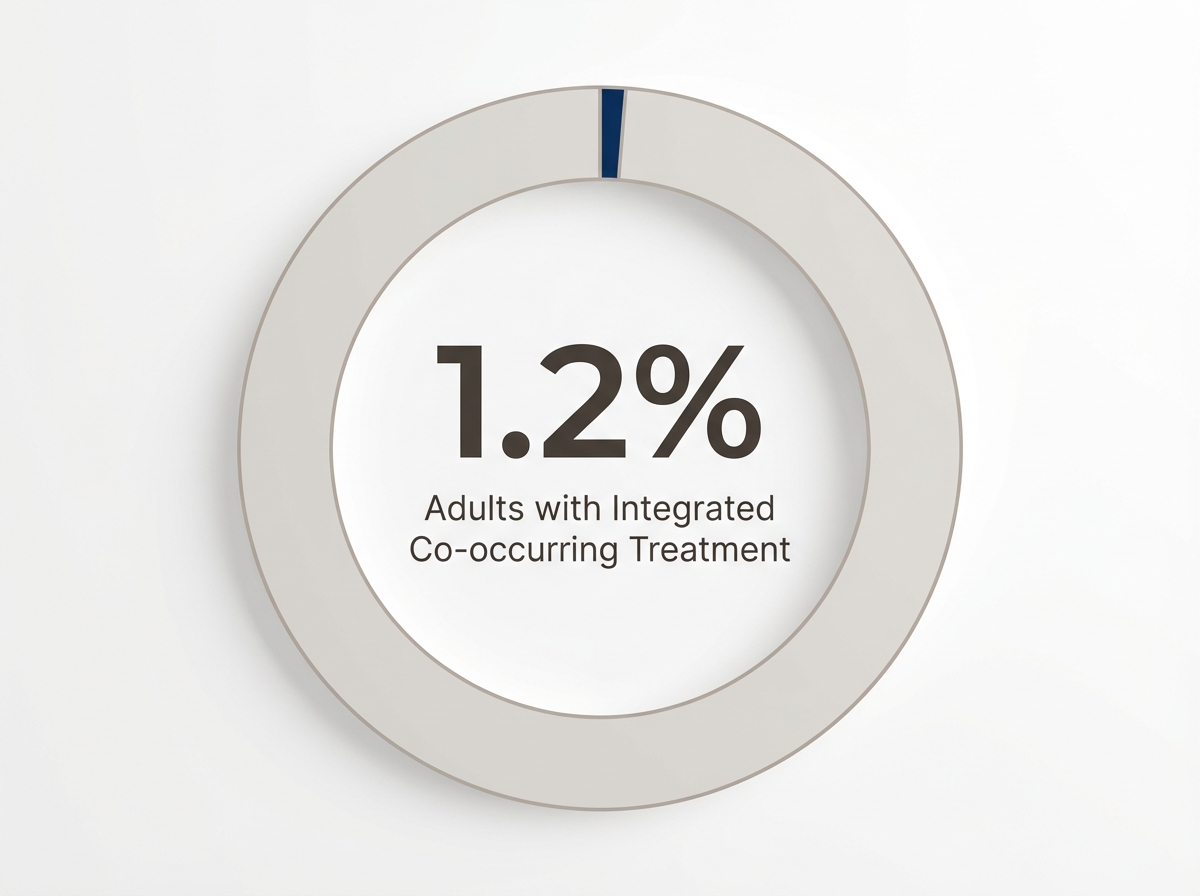
Sequential treatment refers to the practice of addressing substance use and mental health conditions one after the other, rather than simultaneously. For professionals managing high-stakes roles, this piecemeal approach often results in fragmented care and stalled progress. Only 1.2% of adults with co-occurring substance use and mental health disorders receive integrated treatment, despite 7.7 million Americans experiencing both conditions annually.3
"When substance use and mental health symptoms are addressed in separate settings by different providers, gaps in communication frequently result in missed clinical cues and treatment setbacks."
Clinical research consistently finds that integrated approaches—like those within PHP recovery programs—yield 40–60% better retention and functional outcomes compared to sequential care. Consider this method if your clinical picture is complex, when time is at a premium, or when fragmented support has failed to produce sustainable results. It is important to note that facilities like Trifecta Healthcare Institute do not offer primary mental healthcare; rather, they provide robust co-occurring mental health treatment alongside primary SUD support to ensure a holistic recovery.6
Core Evidence-Based Modalities in PHP
PHP recovery programs consistently rely on a portfolio of evidence-based interventions to address both substance use disorder and co-occurring mental health conditions. CBT and DBT remain foundational for teaching coping skills, restructuring thought patterns, and reducing relapse risk. Trauma-informed modalities, such as EMDR, are increasingly standard, reflecting the reality that 60–80% of individuals with substance use disorders report significant trauma histories.8
Medication-assisted treatment may also be included in PHP settings, tailored to your specific needs and clinical recommendations. Peer-based accountability groups, as part of the daily clinical schedule, predict a 40–60% increase in treatment retention and improved long-term outcomes compared to models relying only on individual therapy. This strategy suits organizations that match program design to the complexity of clients’ clinical and professional lives, especially for men balancing high-responsibility roles.2,9
Physical activity plays a direct role in restoring the brain’s reward pathways, which are often disrupted by substance use disorder. Regular movement—including practices like boxing, hiking, or jiu-jitsu—stimulates the release of dopamine and endorphins, neurochemicals that regulate motivation and pleasure. Sometimes, hitting Ctrl + Alt + Del on your body's stress response requires a physical intervention, like an ice bath, to truly reset your system.
Clinical studies now demonstrate that movement-based therapies activate neuroplasticity (the brain’s ability to rewire and heal itself), specifically in regions related to reward processing and emotional regulation. For men in high-pressure professional roles, this biological reset translates to measurable improvements in motivation, stress management, and engagement with recovery tasks.5
Opt for this framework when your recovery capital depends on reclaiming focus, drive, and resilience—qualities directly linked to healthy neurochemical function. Movement also supports group cohesion and peer accountability, which are critical predictors of long-term outcomes in PHP recovery programs.9
Implementing structured movement within PHP recovery programs requires a deliberate, evidence-guided approach. Clinical integration means physical activity is not merely offered but prescribed, tracked, and therapeutically debriefed, often in collaboration with licensed clinicians and movement professionals.
// Conceptual Framework for Movement Integration if Programs that build movement into the daily or weekly treatment plan report higher engagement and improved neurochemical outcomes, specifically for men balancing recovery with career demands. Peer-supported movement interventions predict a 40–60% increase in treatment adherence compared to settings relying solely on talk therapy.5,9
A well-designed schedule blends intensity (such as boxing or jiu-jitsu) with restorative practices (like ice baths or guided breathwork), allowing you to access both resilience and regulation. This structured approach ensures PHP recovery programs deliver measurable clinical and psychosocial benefits.

Employment is increasingly recognized as one of the most significant protective factors in substance use disorder recovery. For professionals, stable work not only ensures financial security but also reinforces self-efficacy and social connection—key components of your overall recovery capital.
Studies consistently show that individuals who retain or regain employment during treatment are two to three times more likely to complete programs and sustain recovery over time compared to their unemployed peers. In clinical contexts, PHP recovery programs that integrate vocational support and coordinate with employers or professional boards tend to yield markedly better functional outcomes.10
This path makes sense for professionals whose recovery is closely tied to their sense of purpose and responsibility. Recent guidelines from leading addiction organizations emphasize that maintaining or restoring employment should be a central goal of PHP-level care, rather than a peripheral consideration.1
Establishing a robust peer accountability system within PHP recovery programs is a proven strategy for sustaining motivation, building trust, and reinforcing positive behavioral changes. In professional environments, peer-driven models move beyond basic group therapy—incorporating structured mentorship, ongoing alumni involvement, and transparent progress tracking.
Recent research shows that when peer support is systematically embedded, treatment retention and long-term recovery outcomes improve by 40–60% compared to programs relying solely on clinical staff interventions. This approach is ideal for men who thrive on collaborative problem-solving and value the shared experience of a brotherhood navigating similar professional pressures.9
For organizations, designing these systems requires investment in facilitator training, alumni engagement platforms, and outcome measurement tools. Time commitment typically ranges from one to three hours per week for structured peer-led activities. A strong peer accountability network complements vocational support, deepening recovery capital and setting the groundwork for long-term success.
Between facility size limits, waivers, and state-by-state rules, figuring out your Medicaid or private insurance benefits can feel like its own full-time job. Our admissions team will verify your coverage in minutes and walk you through exactly what's available — no guesswork required.
Verify Insurance Benefits →No commitment required. Confidential & HIPAA-protected.

The first month of partial hospitalization programming at Trifecta Healthcare Institute establishes the foundation professionals need to reclaim both sobriety and their career trajectory. For men accustomed to managing complex responsibilities, finding a Nashville rehab or a Knoxville rehab for men offers a critical balance: intensive clinical intervention delivered within a structure that accommodates essential professional commitments.
Six-hour daily sessions run five days per week, creating space for critical client calls, urgent emails, or scheduled meetings while ensuring the therapeutic intensity early recovery demands. Morning sessions focus on evidence-based modalities—CBT, DBT, and trauma-informed care—that address both substance use and co-occurring mental health conditions. Afternoons transition seamlessly into movement-based programming designed to restore neurochemical systems disrupted by addiction.
Trifecta's men-only PHP programming in Tennessee provides something traditional partial hospitalization often misses: a brotherhood of peers who understand the unique pressures professionals face. In group sessions, men connect with others navigating similar challenges—maintaining discretion, managing career expectations, and rebuilding trust with colleagues and family. This shared experience creates accountability that extends beyond clinical hours, establishing the peer support network that sustains recovery long after formal treatment concludes.
Physical activity becomes a therapeutic cornerstone during this phase, not as recreation but as a neuroscience-backed intervention. Boxing sessions channel stress and frustration into productive outlets. Jiu-jitsu builds discipline and presence. Ice bath therapy resets compromised stress response systems. These movement-based modalities reduce cravings, improve mood regulation, and rebuild the confidence addiction erodes—outcomes that translate directly into improved professional functioning and decision-making capacity.
This initial month establishes patterns that define sustainable recovery: structured daily rhythms, peer accountability within a brotherhood framework, integrated wellness practices, and clinical support that addresses the whole person. For professionals entering PHP at Trifecta Healthcare Institute, these 30 days create more than sobriety—they build the resilient foundation required to excel in both recovery and career over the long-term.
When you or someone you love are ready to begin healing—mind, body, and spirit—connect with Trifecta Healthcare Institute. We help men thrive in and out of treatment.
Choosing between Partial Hospitalization Programs (PHP) and intensive outpatient treatment depends on clinical complexity, daily structure needs, and your current level of stability. PHP recovery programs are indicated when you require 12–20+ hours per week of structured therapy and integrated support for co-occurring mental health issues, but do not need 24/7 supervision. Intensive outpatient programs (IOPs) typically offer 9–12 hours weekly and are suited for those with stable living situations and milder symptoms. This approach works best when your professional role demands both privacy and flexibility, and your symptoms require daily clinical engagement but not full hospitalization. If uncertainty remains, a multidimensional assessment by a licensed provider—using ASAM criteria—will clarify which level of care aligns with your goals and responsibilities.1
PHP recovery programs are typically covered by most major insurance plans, though the exact out-of-pocket cost varies widely depending on your policy, deductible, and network status. National surveys indicate that 4.7% of adults with a substance use disorder accessed specialty treatment in 2023, with insurance coverage often cited as a critical factor influencing participation. While self-pay rates for PHP can be significant, many professionals access care through employer-sponsored or private insurance, which may cover all or part of clinical services. Prioritize confirming pre-authorization requirements and network status to minimize unexpected expenses and streamline admission.3
Yes, professionals can maintain client confidentiality and protect their licensure while participating in PHP recovery programs. These programs are legally bound by HIPAA and 42 CFR Part 2 regulations, ensuring all clinical information—including participation and progress—remains private unless you provide explicit written consent. Many PHPs also offer documentation that satisfies licensing boards’ requirements for protected leave or accommodations, without disclosing clinical details to employers or third parties. This approach works best when programs are familiar with the needs of licensed professionals and proactively coordinate with credentialing bodies to preserve anonymity and compliance. Always verify a program’s confidentiality policies before enrollment.4
The transition from a Partial Hospitalization Program (PHP) to standard outpatient care is highly individualized, but most professionals can expect the process to take between two and six weeks. This shift is guided by ongoing clinical assessment, including symptom stability, engagement in therapy, and readiness to manage increased autonomy. PHP recovery programs use multidimensional criteria—such as the ASAM Criteria—to determine when a participant is ready for reduced clinical intensity, ensuring the step-down occurs safely and with appropriate supports in place. This approach works best when the transition plan includes coordinated care, peer accountability, and continued access to trauma-informed therapy, minimizing the risk of setbacks during the adjustment period.1
If you experience a setback—such as a lapse or increased symptoms—during PHP treatment, immediate clinical support and a personalized reassessment are standard protocol. PHP recovery programs are designed for flexibility; the clinical team will revisit your care plan, increase session intensity if needed, and integrate additional supports like trauma-informed therapy or peer accountability groups. Research indicates that programs emphasizing rapid response and peer support improve retention by 40–60%, reducing the likelihood that a setback leads to program discontinuation or hospitalization. This method works when professionals need agile, discreet adjustments to maintain both recovery and ongoing life responsibilities.9
Yes, medication-assisted treatment (MAT) options are available within most PHP recovery programs when clinically indicated. MAT refers to the use of FDA-approved medications—such as buprenorphine, naltrexone, or methadone—combined with behavioral therapies to address substance use disorders. These medications help reduce cravings, manage withdrawal symptoms, and support sustained engagement in therapy. The decision to integrate MAT is always based on individual assessment and coordinated with ongoing clinical and peer-based interventions. National guidelines highlight that combining pharmacological and psychotherapeutic approaches within PHP frameworks improves retention and functional outcomes for professionals seeking discreet, high-quality care.2
Tennessee PHP recovery programs and residential treatment both deliver structured, evidence-based care, but their outcomes differ based on participant needs and context. PHP models allow men to maintain work, family, and community ties—factors now recognized as essential to long-term recovery capital and employment outcomes. Recent studies show that PHPs with peer accountability and flexible scheduling achieve 62–68% engagement retention, rivaling or exceeding many residential models for professionals balancing ongoing responsibilities. This approach works best when clinical needs are significant but 24/7 supervision is not required. Residential treatment, by contrast, offers full immersion and round-the-clock support, which may be necessary for acute stabilization or when home environments are unsafe. Both pathways emphasize trauma-informed and integrated care, but PHP recovery programs suit those seeking high-quality outcomes without pausing their lives.1,4
Whether it's you or someone you love, our team can help you figure out the next step — what treatment looks like, what's covered, or just someone to talk to.
Talk to Our TeamConfidential. No commitment required.



July 30, 2026