

How to Vet and Choose a Rehab for Alcoholics Near Me
Learn how to evaluate a rehab for alcoholics near me by checking licensure, accreditation, therapies, medication use, and long-term care quality.
Read More
Explore examples of active recovery that boost emotional health and build strong peer support for long-term healing at Trifecta Healthcare Institute.
Start Your Journey NowWritten and reviewed by the clinical team at Trifecta Healthcare Institute, a men’s-only treatment center in Tennessee specializing in substance use, mental health, and dual diagnosis care.
Traditional recovery models often rely heavily on sitting in therapy rooms and talking through problems. However, when exploring examples of active recovery, it becomes clear that physical activity functions as a neurological intervention. This approach directly addresses the chemical imbalances underlying substance use disorders and co-occurring mental health conditions—a mechanism many men instinctively understand but haven't seen systematically integrated into treatment protocols.
When men engage in structured physical activities like boxing, Brazilian jiu-jitsu, or outdoor adventure therapy, they trigger the release of endorphins and dopamine. These are the exact neurotransmitters that substances artificially stimulated, creating a natural pathway to restore neurochemical balance without relying on external chemicals.1
"Movement doesn't replace clinically-proven therapies like CBT or EMDR—it amplifies them, creating a holistic approach that engages both body and mind in the healing process."
Research consistently shows that regular physical activity reduces cravings, improves mood regulation, and strengthens the prefrontal cortex's ability to manage impulses. These outcomes complement and enhance traditional therapeutic interventions at facilities like a Knoxville rehab for men.
Traditional TherapyMovement-Based RecoveryCombined ImpactCognitive processingNeurochemical restorationWhole-brain healingVerbal expressionPhysical masteryImproved self-efficacyClinical settingDynamic environmentsReal-world resilience
Beyond the neuroscience, movement-based programming offers immediate, tangible feedback. Landing a clean combination on the heavy bag or completing a challenging hike provides concrete evidence of progress. When men in recovery have spent months feeling out of control, this sense of mastery becomes foundational to rebuilding self-trust. The following modalities demonstrate how specific movement-based interventions translate these principles into practical recovery tools.

Beyond professionally structured adventure activities, peer-led physical challenges create powerful moments of accountability and connection through participant autonomy. Men in recovery often organize early morning runs, weekend hiking groups, or impromptu basketball games. This builds structure through shared commitment rather than external mandates.
This self-directed approach develops leadership competencies while reinforcing the brotherhood philosophy central to sustainable recovery at Trifecta Healthcare Institute. Participants rotate leadership roles and take ownership of group activities, activating intrinsic motivation pathways that differ significantly from instructor-directed activities.4
The peer-driven model complements evidence-based therapies like CBT and DBT by translating therapeutic concepts into lived experience through action. Movement becomes the language through which participants communicate support and maintain accountability. Whether training for a 5K or mastering a new skill together, these shared physical goals create bonds that form the foundation for long-term recovery networks.
Recovery takes root when men find pathways that align with their natural drive for action and progress. Men's rehab programs increasingly recognize that sustainable healing emerges through movement, not just conversation. Physical activity creates neurochemical shifts that support long-term recovery, rebuilding the brain's reward systems damaged by addiction.7
Men seeking alternatives to traditional approaches discover that boxing therapy, hiking, and structured outdoor challenges provide tangible markers of progress. Each physical milestone reinforces capability and self-worth—essential components of lasting change. The brotherhood model amplifies these benefits, as peer accountability transforms individual effort into collective momentum.
The nine movement-based modalities—boxing, jiu-jitsu, hiking, basketball, ice baths, outdoor adventure activities, ropes courses, white-water rafting, and Top Golf—function as complementary components within a unified therapeutic framework. Each addresses distinct aspects of recovery: boxing and jiu-jitsu build discipline and emotional regulation, hiking and outdoor adventures reconnect men with natural environments that reduce stress, basketball and ropes courses develop teamwork and trust, while ice baths and challenging physical activities restore neurochemical balance disrupted by substance use.
Treatment professionals evaluating movement-based approaches should consider how physical modalities integrate with evidence-based therapies like CBT, DBT, and trauma-informed care. The effectiveness lies not in replacing traditional interventions but in creating multiple entry points for engagement. Men who resist talk therapy often respond to physical challenge, while those progressing through cognitive work benefit from embodied experiences that reinforce new patterns.
As addiction treatment continues evolving beyond purely cognitive models, movement therapy represents a return to understanding recovery as a whole-person process. For men particularly, approaches that honor the connection between physical capability and psychological resilience create sustainable pathways to long-term healing—transforming recovery from something men endure into something they actively build through purposeful action.
Boxing transforms raw emotion into controlled power. When working through substance use disorders and co-occurring mental health conditions, the heavy bag becomes more than equipment—it's a tool for processing anger, frustration, and stress that might otherwise derail recovery. Each combination demands complete presence: footwork, breathing, timing, and technique merge into a single focused moment that leaves no room for intrusive thoughts or cravings.
The neuroscience behind boxing therapy reveals why this approach works so effectively. Intense physical exertion triggers endorphin release while simultaneously reducing cortisol levels, helping restore the neurochemical balance disrupted by prolonged dependency.10
The repetitive nature of drilling combinations creates new neural pathways, replacing destructive patterns with disciplined routines. Men discover they can channel overwhelming feelings into purposeful action instead of numbing them.
Beyond the biochemical benefits, boxing builds the mental toughness essential for long-term recovery. Learning to push through physical discomfort translates directly to pushing through emotional discomfort without reaching for substances. Men in Nashville or Knoxville seeking active alternatives to traditional talk therapy will find boxing offers a tangible way to measure progress.
This martial art introduces a different dimension to movement-based recovery: the practice of controlled vulnerability. On the mat, men learn to navigate physical challenges that mirror the emotional complexities of healing from addiction and trauma. The sport demands presence—a single distracted moment can shift an entire position—which naturally trains the mind away from rumination and toward immediate awareness.10
How Jiu-Jitsu Supports Trauma Recovery
Jiu-Jitsu requires physical contact and boundary-setting in a safe, structured environment. This helps individuals process trauma somatically, rebuilding a sense of safety and agency within their own bodies.
What makes this grappling discipline particularly effective in treatment settings is its emphasis on technique over force. Men who've spent years relying on aggression or avoidance discover that neither approach works on the mat. Success requires patience, strategy, and the willingness to tap out when caught in a submission.
The physical contact inherent in Brazilian jiu-jitsu also addresses isolation that often accompanies addiction. Training partners must trust each other—to apply submissions safely, to respect boundaries, to support learning. Men working through co-occurring mental health conditions at a Nashville rehab find this structured trust-building creates a template for healthier relationships outside treatment.
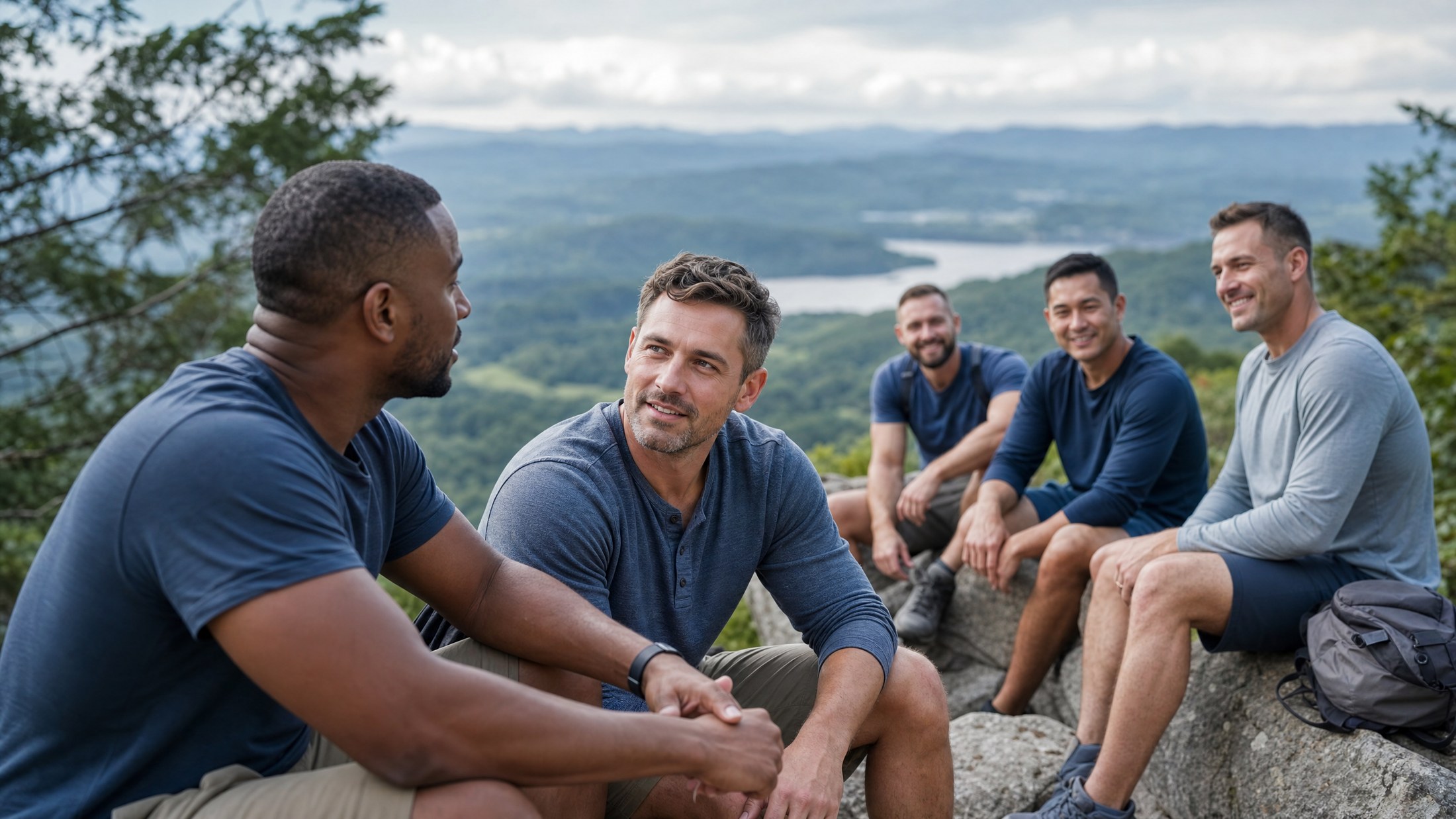
Hiking creates conditions for neurological recovery that clinical settings alone cannot replicate. For men addressing substance use disorders and co-occurring mental health conditions, trail-based therapy provides a structured environment where physiological regulation occurs alongside psychological processing. This happens without the performative pressure of traditional office-based sessions.
Research in environmental psychology demonstrates that natural environments reduce cortisol levels and lower sympathetic nervous system activity. The rhythmic movement of walking, combined with exposure to green spaces, activates the parasympathetic nervous system—the body's natural calming mechanism.3
Hiking therapy integrates seamlessly into clinically validated treatment frameworks. During trail sessions, men process trauma, practice mindfulness techniques, and develop coping strategies while their bodies naturally recalibrate stress responses.
Varied terrain demands focus and presence—qualities that translate directly to recovery work. Participants learn to navigate uncertainty, manage discomfort, and build confidence through tangible accomplishment. Each summit reached becomes evidence of capability, countering the narrative of powerlessness that often accompanies addiction.
Basketball, volleyball, soccer—team-based activities create something traditional therapy sessions often can't replicate: immediate, unavoidable accountability. When someone commits to showing up for a basketball team or volleyball squad, they're not just accountable to themselves. They're accountable to others who are counting on them to fill a position, execute plays, and contribute to collective success.
This dynamic mirrors the brotherhood model central to men's recovery programming at Trifecta Healthcare Institute. In individual therapy, it's possible to hide behind defenses or intellectualize problems. On the court or field, there's nowhere to hide. Performance becomes a real-time feedback mechanism for mental and emotional state.9
Team sports also rebuild trust—both in others and in oneself. Many men entering treatment have burned bridges and broken commitments. Consistently showing up for teammates, executing plays, and supporting others through challenges creates tangible evidence of reliability.
The competitive element matters too. It channels energy that might otherwise fuel destructive behaviors into constructive outlets, teaching men to manage intensity without substances while building camaraderie that extends beyond the activity itself.
Cold water immersion has emerged as a powerful tool in addiction recovery, backed by neuroscience research showing its impact on dopamine regulation and stress resilience. When participants step into an ice bath, their bodies trigger a controlled stress response that floods the system with neurochemicals.
This process releases high levels of dopamine and norepinephrine, creating a natural high that helps rewire neural pathways damaged by chemical dependency.6
Among individuals recovering from substance use disorders, this biohacking approach offers something traditional therapies cannot: immediate, tangible proof that the body can produce profound neurochemical shifts without drugs or alcohol. The practice builds mental fortitude through voluntary discomfort.
Protocol: 1. Enter water (39-45°F) 2. Execute Box Breathing (4s in, 4s hold, 4s out, 4s hold) 3. Maintain immersion for 2-3 minutes 4. Focus on autonomic regulation
Ice bath therapy works particularly well within men-only treatment environments where peer support amplifies the experience. When participants face the cold together, they create shared moments of vulnerability and triumph that strengthen the brotherhood dynamic essential to long-term recovery.
Between facility size limits, waivers, and state-by-state rules, figuring out your Medicaid or private insurance benefits can feel like its own full-time job. Our admissions team will verify your coverage in minutes and walk you through exactly what's available — no guesswork required.
Verify Insurance Benefits →No commitment required. Confidential & HIPAA-protected.
Outdoor adventure programming introduces calculated risk and environmental challenge as therapeutic tools. Ropes courses require men to navigate physical obstacles at height, creating opportunities to confront fear responses, practice trust, and build confidence through progressive skill development.
The physical demand combined with problem-solving under pressure mirrors real-world recovery challenges in a controlled setting. White-water rafting adds team coordination to the equation. Navigating rapids requires communication, synchronized effort, and collective decision-making.2
These skills translate directly to building support networks and maintaining accountability in recovery. The shared intensity of outdoor challenges creates bonding experiences that strengthen the brotherhood approach central to men-only programming.
These activities serve dual purposes: they provide natural dopamine and endorphin release while building psychological resilience. The outdoor adventure component complements clinically proven therapies by offering experiential learning that reinforces concepts explored in CBT and trauma-informed care sessions.
Group fitness classes distinguish themselves from team sports through structured progression systems and individualized coaching within a collective environment. Circuit training, CrossFit-style workouts, and high-intensity interval sessions follow deliberate programming that scales difficulty over weeks and months.
Unlike the spontaneous dynamics of team sports, these classes emphasize technical mastery, personal performance metrics, and one-on-one coaching feedback—all while maintaining the motivational energy of training alongside others.5
This progressive mastery approach creates direct parallels to recovery milestones. Learning to execute a proper deadlift before adding weight mirrors the process of establishing emotional regulation skills before facing high-stress situations. Achieving a new personal record in a workout translates to recognizing increased capacity for handling triggers.
Within movement-based recovery programming, group fitness becomes a laboratory for practicing vulnerability and experiencing measurable progress. These sessions teach that strength isn't just physical capacity; it's the discipline to show up consistently and the humility to ask for form corrections when technique breaks down.
Recreational sports serve a distinct purpose in the recovery continuum—they reintroduce the concept of play without performance pressure, helping men rediscover joy in movement outside competitive or therapeutic contexts.
TopGolf sessions exemplify this approach by combining precision, strategy, and camaraderie in a low-stakes environment where laughter and connection take priority over winning. The game's structure mirrors the goal-setting work happening in therapy, making abstract concepts tangible through physical achievement while removing the intensity that competitive sports demand.3
What distinguishes recreational activities from team sports or structured fitness programming is their emphasis on experiential learning through enjoyment rather than skill development or physical challenge. TopGolf creates opportunities for men to practice vulnerability in a relaxed setting, celebrate incremental progress without judgment, and normalize setbacks through shared experience.
The activity requires just enough focus to pull participants into present-moment awareness without triggering performance anxiety or competitive stress. These low-pressure recreational experiences complement intensive therapies like CBT and EMDR by demonstrating that recovery extends beyond clinical sessions into everyday moments of connection.
When you or someone you love are ready to begin healing—mind, body, and spirit—connect with Trifecta Healthcare Institute. We help men thrive in and out of treatment.
These nine modalities were chosen based on rigorous evidence showing that movement-based, peer-supported activities directly address both neurobiological and social needs in men’s substance use recovery. Researchers prioritized activities proven to restore dopamine and reward pathways, foster peer accountability, and increase treatment completion rates—key success factors for men seeking action-oriented recovery. Each example of active recovery was selected for its ability to blend physical challenge with brotherhood, drawing on group-based models that lead to 2–3 times higher engagement and 43% lower relapse rates compared to traditional talk therapy alone.8
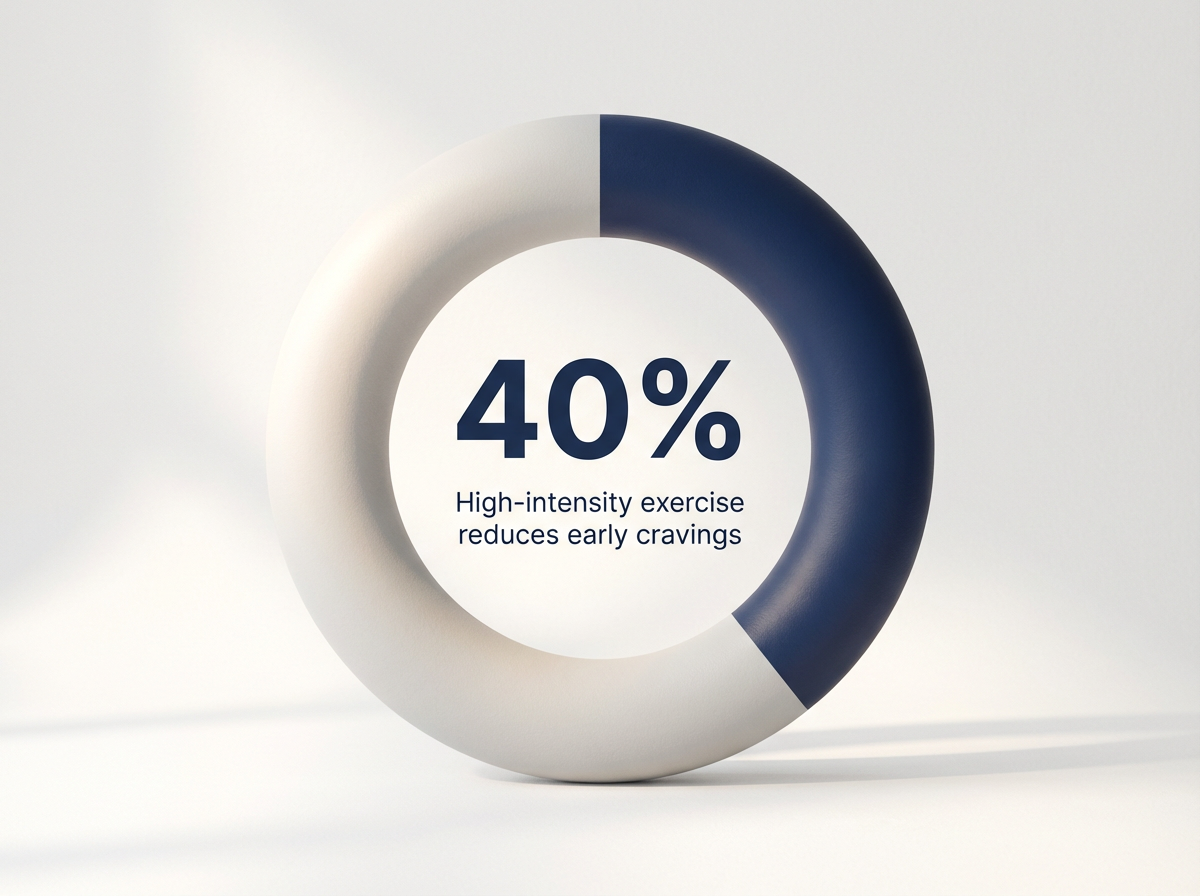
Boxing is especially effective in early recovery because it channels intense energy into structured movement, providing a safe outlet for aggression and stress. This high-intensity activity rapidly activates dopamine and endorphin pathways—key neurochemicals often depleted in substance use disorders—helping to reduce cravings by up to 40% and restore motivation. The focus and discipline required in boxing also support emotional regulation and impulse control, crucial during the vulnerable early phase of recovery. Group boxing sessions add a layer of peer accountability and camaraderie, reinforcing the brotherhood dynamic that drives higher engagement and lower relapse rates for men.1,10
Movement-based recovery is a powerful complement to traditional therapy, but it is not meant to replace evidence-based clinical approaches entirely. Physical activities like boxing, hiking, and team sports restore neurochemical balance and foster peer accountability, both of which are critical for sustained recovery. However, the research consistently shows that outcomes are best when movement-based interventions are integrated with proven therapies such as cognitive behavioral therapy or medication-assisted treatment for substance use disorder. Combining examples of active recovery with traditional methods addresses both the biological and psychological aspects of addiction, leading to higher completion rates and lower relapse risk.1,8
Yoga and meditation, while valuable for recovery, are not highlighted among these examples of active recovery because they typically lack the structured, high-intensity, and peer-driven elements shown to produce the strongest results for men seeking change. Research indicates that group-based, physically demanding activities—such as boxing, team sports, and outdoor challenges—activate neurochemical pathways and promote brotherhood-based accountability, both of which contribute to significantly higher engagement and long-term recovery rates compared to individual or low-intensity practices. For men in movement-based programs, action-oriented, shared physical challenges deliver unique benefits that yoga or meditation do not match in these settings.4,8
Men engaging in high-intensity physical activity during recovery often begin to experience neurochemical benefits almost immediately. Within a single session, exercise stimulates dopamine and endorphin release—neurochemicals that are typically depleted by substance use—helping reduce cravings and elevate mood. Research shows that these effects can result in craving reductions of up to 40% in early recovery phases, with noticeable improvements in motivation and stress tolerance emerging within days to weeks of consistent participation. Continued involvement in examples of active recovery sustains and deepens these neurobiological gains, supporting both short- and long-term healing.1,6
Brotherhood-based peer accountability is fundamentally different from standard group therapy because it centers on shared physical challenges and mutual responsibility, rather than just verbal support. In brotherhood models, men engage in activities where showing up and following through directly impact the group’s success, fostering a deep sense of trust and belonging. This approach has been shown to increase 12-month recovery sustainability by 47% compared to traditional group therapy, which often lacks the action-oriented, team-based elements that drive engagement among men. The result is a culture of reliability and camaraderie that extends beyond the treatment setting.4
Movement-based approaches are generally not appropriate during the acute medical detoxification phase. The focus during detox is on stabilizing the body, managing withdrawal symptoms, and ensuring medical safety, which often limits participation in structured physical activities. Clinical guidelines recommend that examples of active recovery—such as boxing, hiking, or team sports—be introduced only after a person is medically cleared and stable. Once acute withdrawal is managed, integrating movement-based modalities can accelerate neurochemical restoration and support recovery engagement. Always consult medical staff before introducing physical activity during or immediately after detox to ensure patient safety.1,5
Whether it's you or someone you love, our team can help you figure out the next step — what treatment looks like, what's covered, or just someone to talk to.
Talk to Our TeamConfidential. No commitment required.


July 30, 2026