



How to Vet and Choose a Rehab for Alcoholics Near Me
Learn how to evaluate a rehab for alcoholics near me by checking licensure, accreditation, therapies, medication use, and long-term care quality.
Read More
Explore accessible halfway houses in Nashville with tailored support, structured living, and community reintegration options at Trifecta Healthcare Institute.
Start Your Journey NowWritten and reviewed by the clinical team at Trifecta Healthcare Institute, a men’s-only treatment center in Tennessee specializing in substance use, mental health, and dual diagnosis care.
Just blocks from the neon glow of Lower Broadway, Nashville’s recovery housing infrastructure plays an essential role for professionals coordinating care for men transitioning from intensive treatment to independent living. For those seeking halfway houses in Nashville, neighborhoods like East Nashville, Green Hills, Bellevue, Germantown, and the Nations offer a range of environments, from peer-run homes to clinically supervised residences. Many of these are conveniently located near major routes like I-40 and I-24, making them accessible for residents working in the city core or attending outpatient services near the Vanderbilt campus.
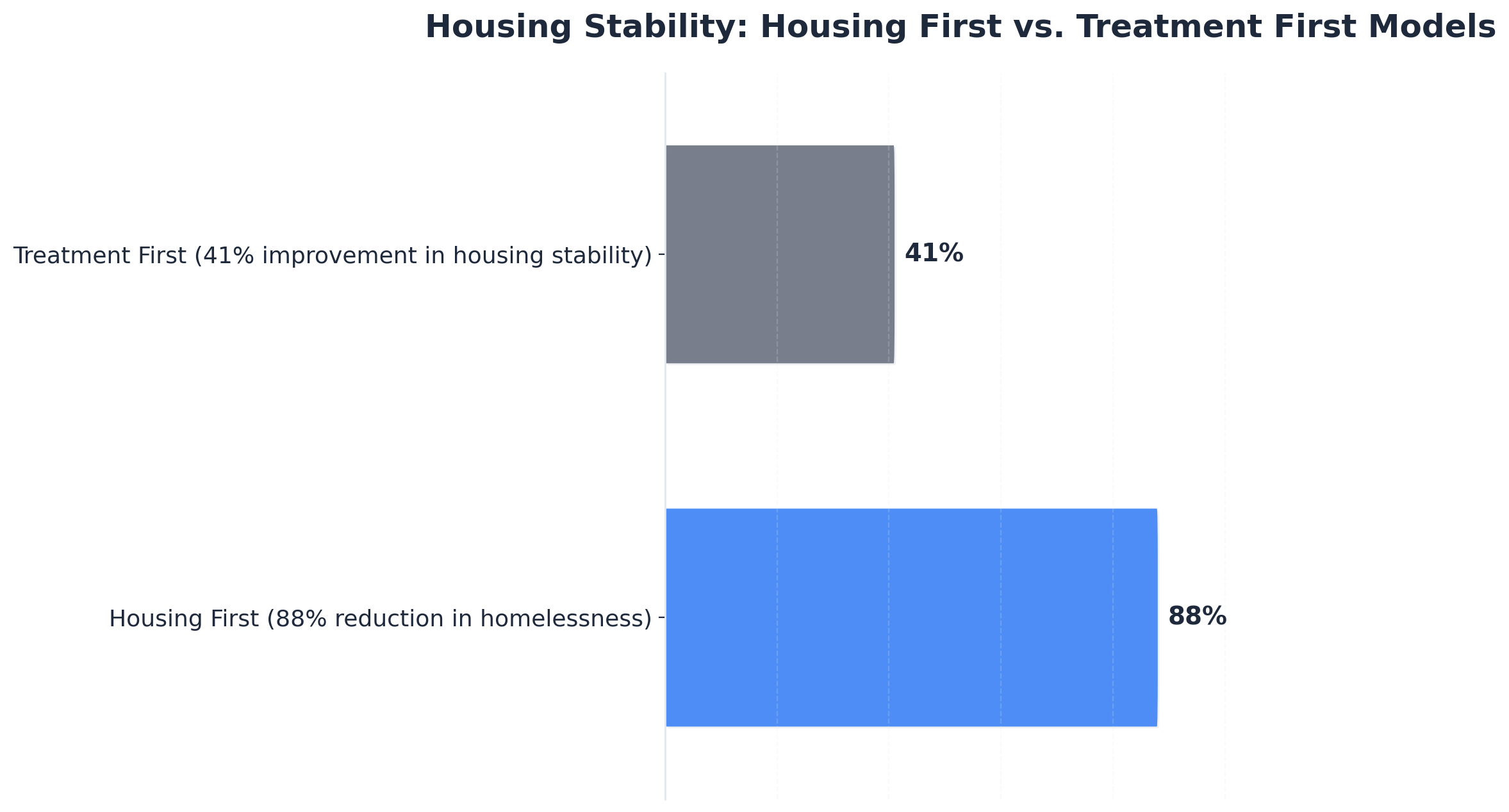
Nashville’s demand for recovery residences has grown in direct response to the city’s rising overdose rates. Males accounted for 68% of suspected drug overdose deaths in Davidson County in 2024, with the 45-54 age group the most affected at 27%. The city’s infrastructure now includes both traditional abstinence-based homes and newer low-barrier, Housing First models, which have shown an 88% reduction in homelessness compared to treatment-first approaches.5,11
Local accessibility and safety remain top concerns for residents and referring professionals alike. Zoning remains a complex challenge, but recent expansions—like the 48-unit Dream Streets transitional housing near Charlotte Park—demonstrate ongoing growth and adaptation within the sector.4
"Having a stable, supportive place to return to after work made all the difference in my early recovery. The structure provided the exact accountability I needed to rebuild my life."
— Resident, 12 South Neighborhood
This diverse infrastructure sets the stage for understanding Nashville’s certification standards and the regulatory framework guiding recovery housing, ensuring that men with substance use disorders receive the highest standard of care.
Across neighborhoods like Inglewood, Donelson, West End, and Berry Hill—each with its own character and local resources—halfway houses in Nashville must meet rigorous standards set by the National Alliance for Recovery Residences (NARR). NARR’s National Standard 3.0, adopted statewide, evaluates homes on 31 criteria spanning administration, physical environment, recovery support, and good neighbor policies. This helps professionals and residents distinguish quality environments from less structured options.1
Tennessee’s certification pathway is managed through the Tennessee Alliance for Recovery Residences (TN-ARR), and has become essential since the SAFE Act’s 2022 implementation. Under this law, licensed treatment facilities risk losing their license if they refer clients to non-accredited homes—an incentive that has driven widespread adoption of NARR standards locally. The process includes a one-time training fee and annual dues, with homes in areas like Hillsboro Village and Antioch now regularly seeking certification to meet increased demand and regulatory scrutiny.7,13
These standards don’t just address operational quality; they also set expectations for neighborhood relations, safety, and resident rights. These are crucial factors for programs operating near high-traffic corridors like Charlotte Avenue or close to the Vanderbilt and Belmont campuses. The result is a more accountable, transparent system that both supports resident safety and builds trust with referring providers and local communities.

Just a short drive from Centennial Park, the realities of Nashville’s overdose crisis are visible across neighborhoods like Madison, Bordeaux, Hermitage, and Edgehill. In 2024, Nashville-Davidson County reported 513 suspected drug overdose deaths, with men representing 68% of these losses and the 45-54 age group most affected at 27%—a trend that’s echoed in East Nashville and along busy corridors near the Gulch.5
This local data underscores why halfway houses in Nashville are often concentrated near medical centers, public transit like WeGo, and community hubs for rapid access to support services. Professionals note that polysubstance use now drives much of the city’s mortality, especially in areas bordering West End and North Nashville. The primary drivers include:
"After my overdose in Antioch, I knew I needed structure. Having access to a recovery home near my job in Midtown made attending therapy and work possible," one resident shared. Another from Germantown emphasized the importance of walkable, safe neighborhoods for early recovery.
Safety and accessibility remain top priorities, as residents and providers alike navigate traffic congestion near I-65 and limited parking around key treatment corridors. Understanding the patterns and demographics of Nashville’s overdose crisis is vital for designing responsive, neighborhood-rooted solutions.
State leadership has responded to Nashville’s substance use crisis with targeted funding and legislative action that directly impact recovery housing options in neighborhoods like Antioch, Bellevue, and North Nashville. The Creating Homes Initiative (CHI), a long-standing program, has leveraged more than $1.4 billion to create over 37,000 new housing opportunities across Tennessee, including significant investments in Davidson County.4
Federal State Opioid Response (SOR) funding has played a critical role. Tennessee received over $61.9 million for fiscal years 2023-2024, with funds earmarked for expanding access to recovery supports—including halfway houses in Nashville. In 2024, the launch of CHI 2.0 introduced Regional Substance Use Housing Facilitators, increasing resources for populations most at risk near areas such as Bordeaux and along Dickerson Pike.6
These investments have enabled the recent opening of transitional residences, like the 48-unit Dream Streets facility near Charlotte Park, further increasing capacity and accessibility for men needing structured support while remaining close to employment opportunities and public transit.4
Local providers continue to navigate challenges related to zoning and neighborhood integration, particularly in high-demand corridors near the Gulch and Midtown. Funding stability and flexible grant programs remain vital for sustaining recovery housing, especially as demand grows in rapidly changing neighborhoods such as East Nashville and Sylvan Park.
In the Hillsboro Village area, not far from Elmington Park, the diversity of halfway houses in Nashville mirrors the city’s adoption of the National Alliance for Recovery Residences (NARR) four-level framework. This model, used across city neighborhoods such as Edgehill, Donelson, the Nations, and Germantown, recognizes that recovery housing is not one-size-fits-all. Each level offers a distinct blend of structure, peer support, and clinical integration, shaped by local demand and regulatory standards.
Nashville’s embrace of this tiered system enables men to move through increasingly less supervised settings as they gain stability, meeting the needs of both professionals and residents. A recent survey of local providers highlighted how this flexibility has improved outcomes: residents in Level II and III homes reported higher satisfaction and longer engagement in recovery services.1
In Nashville neighborhoods like West End, Donelson, and the Nations—each within easy reach of major hospitals or outpatient clinics along I-40 and I-65—halfway houses in Nashville play a crucial role in bridging structured clinical care with community-based living. The city’s certified recovery residences frequently coordinate with local providers for seamless transitions from detox or partial hospitalization to supportive housing, ensuring men don’t “fall through the cracks” after discharge.1
Many halfway houses are strategically located for access to outpatient therapy, medication management, and peer support centers, such as those near Berry Hill or Midtown. In these environments, residents can attend individual and group sessions, with some homes offering on-site recovery coaching or facilitating transportation to local mental health services. Local success stories illustrate the impact: a resident from East Nashville described how consistent support from both his recovery house and a nearby therapy clinic helped him maintain stability while returning to work.
Neighborhood-specific concerns—like parking availability in Germantown or walkability in 12 South—are actively addressed by house managers to support residents’ participation in appointments and recovery activities. These collaborative arrangements reinforce the continuum of care and help ensure that men in Nashville receive ongoing, wraparound support throughout their recovery journey.1
Just west of the river near Charlotte Park, Nashville’s investment in recovery housing has reshaped options for men across neighborhoods such as Bellevue, East Nashville, Donelson, and Germantown. The opening of the 48-unit Dream Streets facility in 2024 exemplifies the city’s ongoing response to rising local need, particularly as overdose rates remain high among men aged 45-54 in Davidson County.5
When professionals assist clients in navigating local zoning portals or grant applications, they often use keyboard shortcuts like Ctrl + F to locate specific district codes or utilize standard API requests for compliance tracking.
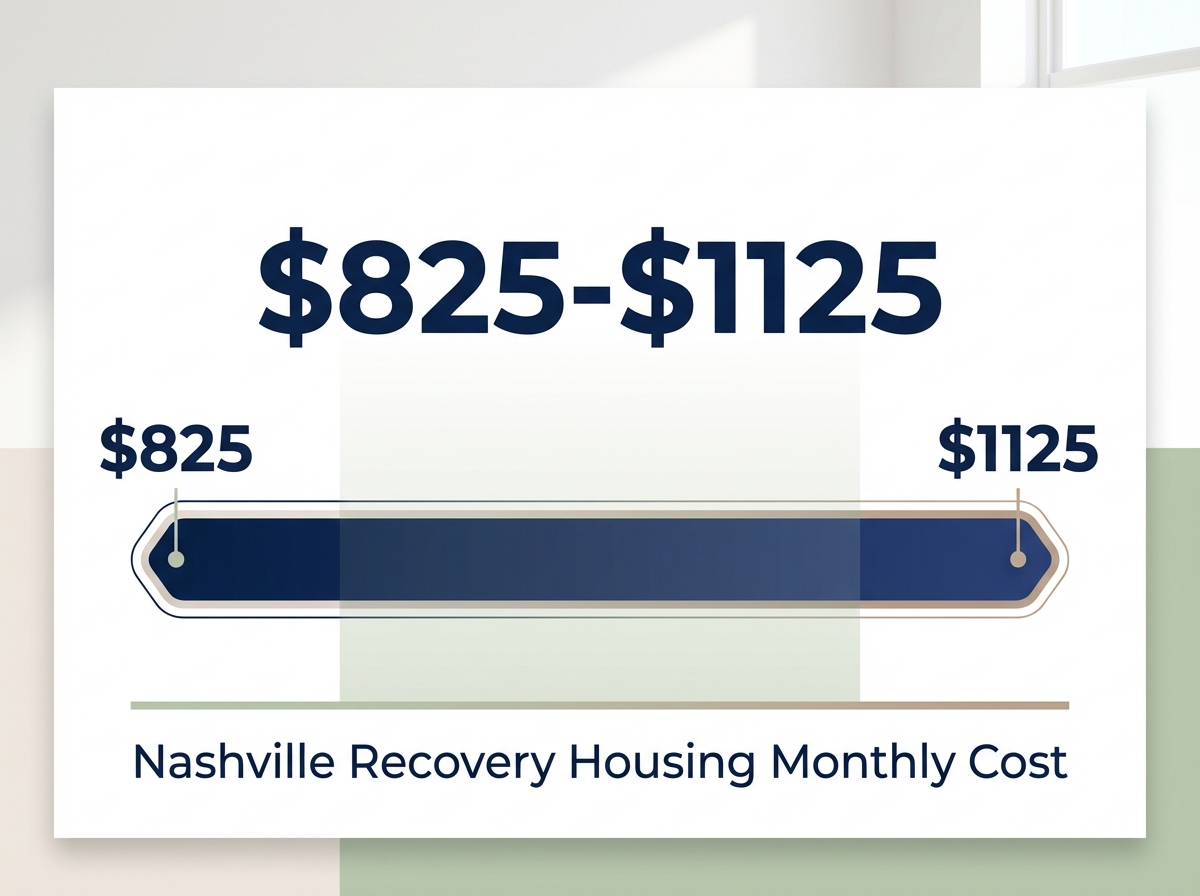
Monthly fees at local recovery residences typically range from $825 to $1,125, with costs influenced by certification status, amenities, and location. Zoning and parking remain persistent challenges, particularly in dense areas like Midtown and near the Gulch, but accessible locations along I-40 and close to WeGo transit routes help reduce barriers for residents commuting to jobs or outpatient care.8
Evidence from Nashville and national studies consistently shows that halfway houses in Nashville yield strong, measurable outcomes when residents remain for six to eighteen months. Data indicates that individuals who stay within this timeframe experience greater improvements across several key metrics compared to shorter stays:10
Neighborhoods like East Nashville, 12 South, and Edgehill see especially positive results when residents are supported through local programming and peer accountability. A recent resident from Donelson shared, “Living in a structured house for a year gave me the stability I needed to rebuild relationships and secure steady work.”
The combination of peer support, accessible clinical services, and a safe environment—often near transit lines or major employers—contributes to higher retention and reduced risk of relapse. Research also highlights that optimal outcomes are tied to flexible, person-centered approaches that allow for individualized lengths of stay based on the resident’s progress.10
Between facility size limits, waivers, and state-by-state rules, figuring out your Medicaid or private insurance benefits can feel like its own full-time job. Our admissions team will verify your coverage in minutes and walk you through exactly what's available — no guesswork required.
Verify Insurance Benefits →No commitment required. Confidential & HIPAA-protected.
Professionals in the addiction treatment sector understand that environment shapes outcomes—and the most effective structured recovery frameworks do more than simply remove triggers. At Trifecta Healthcare Institute's Nashville and Knoxville locations, structured environments for men integrate neuroscience-backed movement programming with evidence-based clinical protocols. This creates a recovery ecosystem where physical discipline and therapeutic rigor reinforce each other. This isn't a traditional Nashville rehab; it's a brotherhood-centered approach where boxing sessions, jiu-jitsu training, and ice bath protocols function as clinical interventions, activating neurochemical pathways that talk therapy alone cannot reach.
The structure extends beyond scheduled CBT, DBT, and EMDR sessions to include daily movement-based programming that restores dopamine regulation and stress response systems. Men progress through measurable milestones—from medical detox through PHP and IOP—within a framework that treats physical activity as a therapeutic modality, not an amenity. Ice baths trigger norepinephrine release and vagal tone improvement; combat sports build distress tolerance and emotional regulation; outdoor challenges create the adversity-based growth that translates directly to sustained sobriety. While Trifecta does not offer primary mental healthcare, this Knoxville rehab for men model specializes in treating substance use disorders alongside co-occurring mental health conditions, recognizing that recovery requires rewiring both mind and body.
The brotherhood philosophy transforms peer accountability into a clinical asset. Men addressing trauma, relationship patterns, and identity reconstruction do deeper work when surrounded by others who understand the weight of those challenges without explanation. Trifecta's Nashville drug rehab programs leverage this dynamic intentionally. Group therapy, peer support circles, and shared physical challenges create collective momentum where individual motivation falters. Men don't just complete treatment; they build the relational infrastructure and neurobiological resilience that sustains long-term recovery beyond discharge.
When you or someone you love are ready to begin healing—mind, body, and spirit—connect with Trifecta Healthcare Institute. We help men thrive in and out of treatment.
Tennessee’s SAFE Act, effective since July 1, 2022, brought significant changes to referrals for halfway houses in Nashville. Under this law, licensed treatment providers can lose their license if they refer clients to recovery residences that are not accredited by recognized bodies, such as those meeting National Alliance for Recovery Residences (NARR) standards. This has prompted a citywide push for certification among homes in neighborhoods like Donelson, Antioch, and Hillsboro Village. As a result, professionals must verify a home’s accreditation status before making referrals, ensuring residents access environments that meet higher safety and quality standards. This regulation has increased accountability and improved the consistency of recovery housing referrals across Nashville.7
Recovery residences are distributed across a wide range of Nashville neighborhoods, reflecting the city’s approach to meeting local demand and ensuring access for men in diverse communities. Areas such as East Nashville, Bellevue, Donelson, Germantown, and the Nations each host halfway houses in Nashville, with many located near public transit, employment centers, or medical facilities to support recovery and reintegration. While some neighborhoods—like Midtown and Charlotte Park—offer higher concentrations due to proximity to treatment programs and transit corridors, providers have expanded into walkable communities like 12 South and Inglewood to address both accessibility and safety concerns. This neighborhood-based model helps men maintain ties to supportive environments throughout the city.4
If someone relapses while living in a Nashville recovery residence, responses are guided by the home’s policies and the National Alliance for Recovery Residences (NARR) standards, which emphasize safety, accountability, and support. In most halfway houses in Nashville—including those in areas like Germantown and East Nashville—relapse triggers an immediate, non-punitive review. The resident may be given access to clinical assessment, referrals for higher levels of care, or a temporary hold on residency while safety and risk are evaluated. Peer support and connection to local outpatient providers are often prioritized, aiming to help the individual re-engage in their recovery plan. Each case is handled with compassion and a focus on long-term recovery.1
Individuals seeking entry into halfway houses in Nashville can typically access recovery housing directly, especially in neighborhoods like Bellevue, East Nashville, and the Nations. Many certified residences accept self-referrals and allow applications without a formal treatment facility referral, though some homes may prioritize or require a recent discharge from inpatient or outpatient programs depending on their service model. Direct access is particularly valued by local professionals for residents transitioning from detox, as it supports continuity and flexibility in care. However, for homes certified under NARR or TN-ARR standards, an intake assessment is common to ensure a good fit and uphold safety. Always confirm each home’s specific intake process before referring.1
Nashville’s peer support centers—located in neighborhoods like Bordeaux, Madison, and near the Nations—act as critical community hubs connecting men with halfway houses in Nashville. These centers are staffed by people with lived experience and offer recovery meetings, mentorship, and practical support such as transportation referrals or job readiness workshops. When a resident of a recovery home in East Nashville or Bellevue needs additional peer-led programming, staff can coordinate directly with local centers to facilitate group participation or one-on-one recovery coaching. This collaboration strengthens the recovery network, ensures smoother transitions between levels of care, and helps residents build supportive relationships beyond their residence.3
To move into a certified recovery residence in Nashville, applicants for halfway houses in Nashville generally need to provide proof of identity (such as a government-issued photo ID), recent documentation of substance use disorder treatment or detox (when required by the home), and may undergo a brief intake interview or assessment to ensure the environment is a good fit. Certified homes—especially those accredited by the Tennessee Alliance for Recovery Residences (TN-ARR) and following NARR standards—frequently request verification of sobriety, emergency contact information, and sometimes documentation of legal status or court mandates if applicable. Always check with each residence for any neighborhood-specific requirements, as intake criteria and documentation can vary.1
Whether it's you or someone you love, our team can help you figure out the next step — what treatment looks like, what's covered, or just someone to talk to.
Talk to Our TeamConfidential. No commitment required.



July 30, 2026