
Benzodiazepine Addiction Treatment for Men in Tennessee
Safe Tapering. Dual Diagnosis Care. A Program That Meets You Where You Are.
Most men who come to us for benzodiazepine addiction treatment didn't set out to become addicted.
They were prescribed Xanax for anxiety, Klonopin for panic attacks, Ativan after a surgery. They took it as directed. And over time — through no moral failing, no reckless decision — their brain adapted, their tolerance built, and stopping became something they couldn't do on their own.
Benzodiazepine Addiction Treatment in Nashville & Knoxville
Trifecta Healthcare Institute provides specialized benzodiazepine addiction treatment for men across Tennessee, with locations in Spring Hill (Nashville area) and Knoxville. Our program is built around medically supervised tapering, evidence-based therapy, and integrated care for the anxiety, trauma, and co-occurring conditions that are almost always part of the benzo picture.
If you've been trying to get off benzos alone — or if you're afraid of what stopping might do to you — call us. That fear is valid, and we know how to help.

.jpg)
Understanding Benzodiazepine Dependence vs. Addiction
Understanding Benzodiazepine Dependence vs. Addiction
Physical Dependence to Benzodiazepines
Physical dependence develops when the body adapts to the presence of a substance and requires it to function normally.
With benzodiazepines, this can happen within weeks of regular use — even at prescribed doses, even when taken exactly as directed. Dependence is a physiological process. It is not a character flaw.
Addiction to Benzodiazepines
Addiction — clinically called substance use disorder — involves loss of control over use, continued use despite significant consequences, and compulsive drug-seeking behavior.
Laying the Foundation for Sustainable Recovery With Dual Diagnosis Care
Not every man who is benzodiazepine-dependent meets the criteria for addiction. But both conditions require medical care, and both deserve treatment without judgment.
At Trifecta, we don't put labels on men before we understand them.
We conduct a thorough clinical assessment, meet each man where he actually is, and build a treatment plan around his specific situation — whether that's managing a difficult taper, addressing a full substance use disorder, or treating the anxiety and trauma that started this whole chain of events.
Addiction Isolates.
Recovery Reconnects.

Signs of
Benzodiazepine Addiction in Men
Men dealing with benzo dependence or addiction are often among the last to recognize it, partly because the substance was prescribed, and partly because the symptoms can look like the anxiety it was originally treating.
Behavioral signs:
Behavioral symptoms that may mean men are struggling with benzodiazepine dependence include:
- Taking more than the prescribed dose or running out early
- Seeking early refills or visiting multiple prescribers
- Combining benzos with alcohol or opioids to intensify or extend the effect
- Inability to manage daily life, anxiety, or sleep without the medication
- Continuing use despite relationship, professional, or medical concerns
Physical signs:
The physical symptoms often look like:
- Persistent drowsiness and slowed reaction time
- Slurred speech and coordination problems
- Memory gaps or blackouts
- Headaches and physical discomfort between doses
Cognitive and emotional signs:
Lastly, the emotional symptoms generally include:
- Emotional blunting — a flattened affect, reduced motivation, diminished sense of self
- Memory and concentration problems with sustained use
- Rebound anxiety between doses that feels more severe than the original condition
- Depression, particularly with long-term use

Common Benzodiazepines: Xanax, Klonopin, Ativan, and Others
Benzodiazepines are a class of central nervous system depressants prescribed for anxiety, panic disorder, insomnia, seizures, and muscle spasms. They work by enhancing the effect of GABA — the brain's primary calming neurotransmitter — which is why they are effective in the short term and why stopping them abruptly is so dangerous.
The most commonly misused benzodiazepines we treat include:
Xanax (Alprazolam)
Klonopin (Clonazepam)
Ativan (Lorazepam)
Valium (Diazepam)
Others
Why Benzo Withdrawal Is Medically Serious
This needs to be stated clearly: benzodiazepine withdrawal can be life-threatening. Along with alcohol, it is one of the few substance withdrawals that carries a risk of seizures and death.
Stopping benzodiazepines abruptly — even if a man feels ready, even if he's determined — is not safe without medical supervision for anyone with sustained regular use.
Do not stop benzodiazepines suddenly without medical guidance.

Recognizing the Symptoms of Medical Withdrawal
Withdrawal symptoms include:
- Severe rebound anxiety and panic — often far more intense than the original condition
- Insomnia and nightmares
- Tremors and muscle spasms
- Sweating, heart palpitations, elevated blood pressure
- Sensory hypersensitivity — lights, sounds, and touch become overwhelming
- Seizures in severe or abrupt discontinuation cases
Beyond the acute phase, many men experience protracted withdrawal syndrome (PAWS) — a prolonged period of mood instability, anxiety, cognitive fog, and sleep disruption that can last months after the acute withdrawal resolves.
This is not weakness. It is the brain recalibrating after sustained GABA suppression. Setting realistic expectations about this timeline is something we do with every man at the start of treatment.
Medical Tapering and the Benzo Detox Process
The standard of care for benzodiazepine withdrawal is not abrupt cessation; it is a medically supervised taper.
That means gradually and systematically reducing the dose over a period of weeks to months, giving the brain time to recalibrate without triggering the dangerous withdrawal effects of sudden discontinuation.
Men’s Benzo Detox in Tennessee
Our benzo detox program in Tennessee includes:
Individualized Taper Schedule
Long-acting Benzo Conversion
Adjunct Medications
Residential Medical Supervision
The taper is the medical foundation. Therapy runs alongside it from day one.
Real strength means showing up, being vulnerable, and growing.
Therapy and Behavioral Treatment
A taper gets the substance out. Therapy addresses why it was there in the first place — and builds what a man needs to live without it.
The most important clinical reality in benzo recovery is this: the anxiety, panic, insomnia, or trauma that originally led to the prescription is almost always still there when the medication is gone. If treatment doesn't address the underlying condition, the taper is a temporary fix.
That's why our benzo rehab program integrates psychiatric and therapeutic care from the first day of treatment.

.webp)
Movement is Medicine
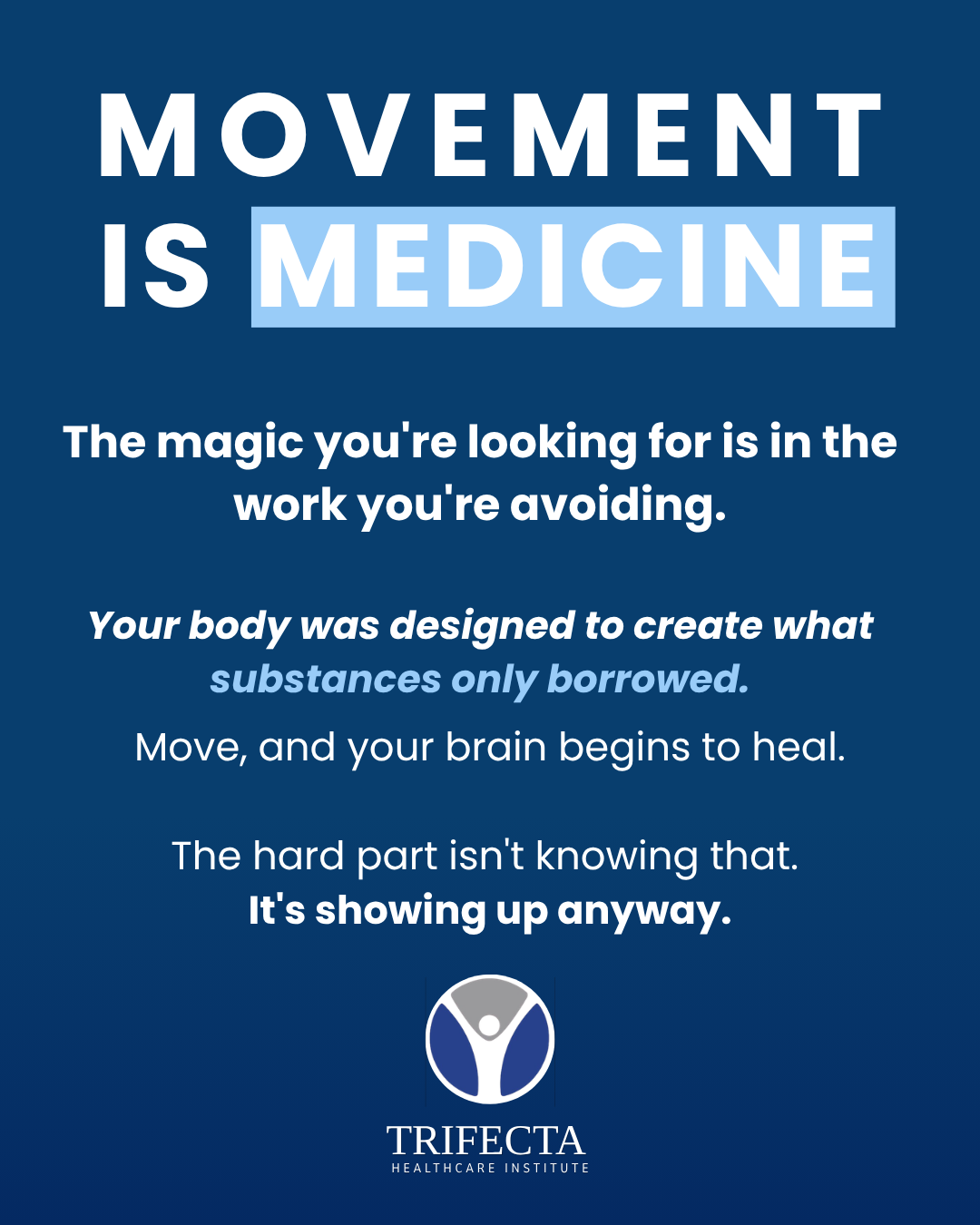
Our physical programming — gym, boxing, jiu-jitsu, hiking, ice baths — is particularly relevant in benzo recovery, and the science behind it is more specific than most people expect.
Benzodiazepines work by artificially amplifying GABA activity, the brain's primary calming system. Long-term use causes the brain to downregulate its own GABA production, which is why stopping feels like the floor dropping out. The nervous system has forgotten how to calm itself.
Research using magnetic resonance spectroscopy — the neuroimaging gold standard for measuring brain neurotransmitters directly — has demonstrated that aerobic exercise measurably increases GABA concentration in the brain.
This is not a theoretical mechanism. It has been observed and measured in the living human brain.
Movement becomes one of the most direct tools available for teaching a nervous system that has been chemically dependent on benzos how to regulate itself again. We believe this from the research, and from what we watch happen to men in this program.
Dual Diagnosis: Anxiety, Insomnia, Trauma, and Benzos
Benzodiazepine addiction almost never exists in isolation. In the vast majority of cases, the benzo was prescribed to treat something — anxiety, panic disorder, PTSD, insomnia — and that something is still there.
Men are particularly prone to underreporting anxiety and trauma. The cultural narrative around masculinity — handle it, push through, don't show weakness — means that by the time a man reaches a prescriber for something like Xanax, he's often been managing significant distress for years.
The benzo works. Then it works less. Then stopping feels like the floor dropping out.
Change is Possible — It Starts at the Root
That is what integrated dual diagnosis care means at Trifecta — not parallel tracks that occasionally overlap, but one coordinated program where addiction and mental health are addressed by the same clinical team, in the same treatment environment, at the same time.
Treating Mental Health and Addiction, at the Same Time
- Generalized Anxiety Disorder (GAD)
- Panic Disorder
- PTSD and complex trauma
- Insomnia and sleep disorders
- Depression
- Bipolar disorder
Non-benzo alternatives for sustained anxiety management — including SSRIs, buspirone, structured therapy, and lifestyle interventions — are integrated into every long-term treatment plan. The goal is not just getting off benzos. It's building a life where the anxiety that drove their use is actually being managed.
A Recovery That Replaces What Benzos Were Solving
Benzodiazepine addiction almost always starts as a solution.
Anxiety that felt unmanageable. Panic attacks. Trauma surfacing in ways a man didn't have another language for. The prescription worked. Then it worked less. Then stopping became something the nervous system wouldn't allow.
Treatment that only addresses the physical taper leaves the original problem intact.
At Trifecta, we don't just get men off benzos; we build the tools, the biology, and the community that makes benzos unnecessary.

The Neuroscience of Movement in Benzo Recovery
Benzodiazepines work by amplifying GABA — the brain's primary inhibitory neurotransmitter, responsible for calm, rest, and the ability to tolerate stress. With chronic use, the brain stops producing adequate GABA on its own, which is why withdrawal feels like a sustained state of alarm. The brain has lost its ability to self-regulate.
What most men don't know — and what the research now confirms in direct neuroimaging — is that aerobic exercise measurably increases GABA concentration in the brain. Studies using magnetic resonance spectroscopy, the neuroimaging method that measures neurotransmitters directly in the living brain, have demonstrated significant GABA increases following exercise.
A 12-week aerobic training intervention produced measurable increases in GABA concentration and improved GABA receptor function.
Exercise also produces meaningful anxiety reduction through separate mechanisms — regulating the hypothalamic-pituitary-adrenal stress axis, improving hippocampal plasticity, and reducing inflammatory markers associated with anxiety disorders.
Critically, these mechanisms are distinct from the mechanisms behind CBT, meaning they are additive: physical activity and therapy together are more effective than either alone.
Science-Backed Recovery, Built around Brotherhood
Our programming isn't a distraction from clinical work. It is clinical work:
- Boxing and gym training — high-intensity movement that rebuilds the nervous system's tolerance for stress and restores the physical confidence that anxiety and benzo dependence erode.
- Jiu-jitsu — controlled exposure to discomfort and pressure, managed through skill and breath rather than chemistry. One of the most effective anxiety-regulation training environments available outside a clinical setting.
- Hiking and outdoor programming — sustained, low-to-moderate aerobic activity in natural environments consistently reduces anxiety and cortisol, providing what benzos artificially created through a mechanism the body actually owns.
- Ice baths — cold immersion triggers controlled stress response and norepinephrine release, training the nervous system to activate and recover without chemical assistance. Hard. Effective. Exactly what benzo recovery requires.
- Group activities and peer programming — the social engagement, trust, and accountability that benzos often displaced as the primary coping tool, rebuilt through earned experience.
.jpg)

Brotherhood as the Long-Term Holding Structure
Anxiety thrives in isolation. The shame of needing medication, the exhaustion of managing panic, the gradual withdrawal from the life that felt too much — these are profoundly lonely experiences, and men in benzo recovery carry them quietly.
The brotherhood at Trifecta is not a program feature. It is the structure that holds everything else. Men who have gone through what you're going through, standing beside you while you go through it.
That bond — built in the gym, on the trail, in group, in the honest moments that only happen in a men-only environment — is what makes the clinical work sustainable beyond discharge.
What You're Building Here
The goal is not just getting off benzos. It is building a nervous system and a life that doesn't need them.
A body that knows how to come down from stress. A mind that has tools beyond suppression. Relationships and community that provide genuine calm. That is what recovery from benzodiazepine dependence can look like, and what this program is built to make possible.
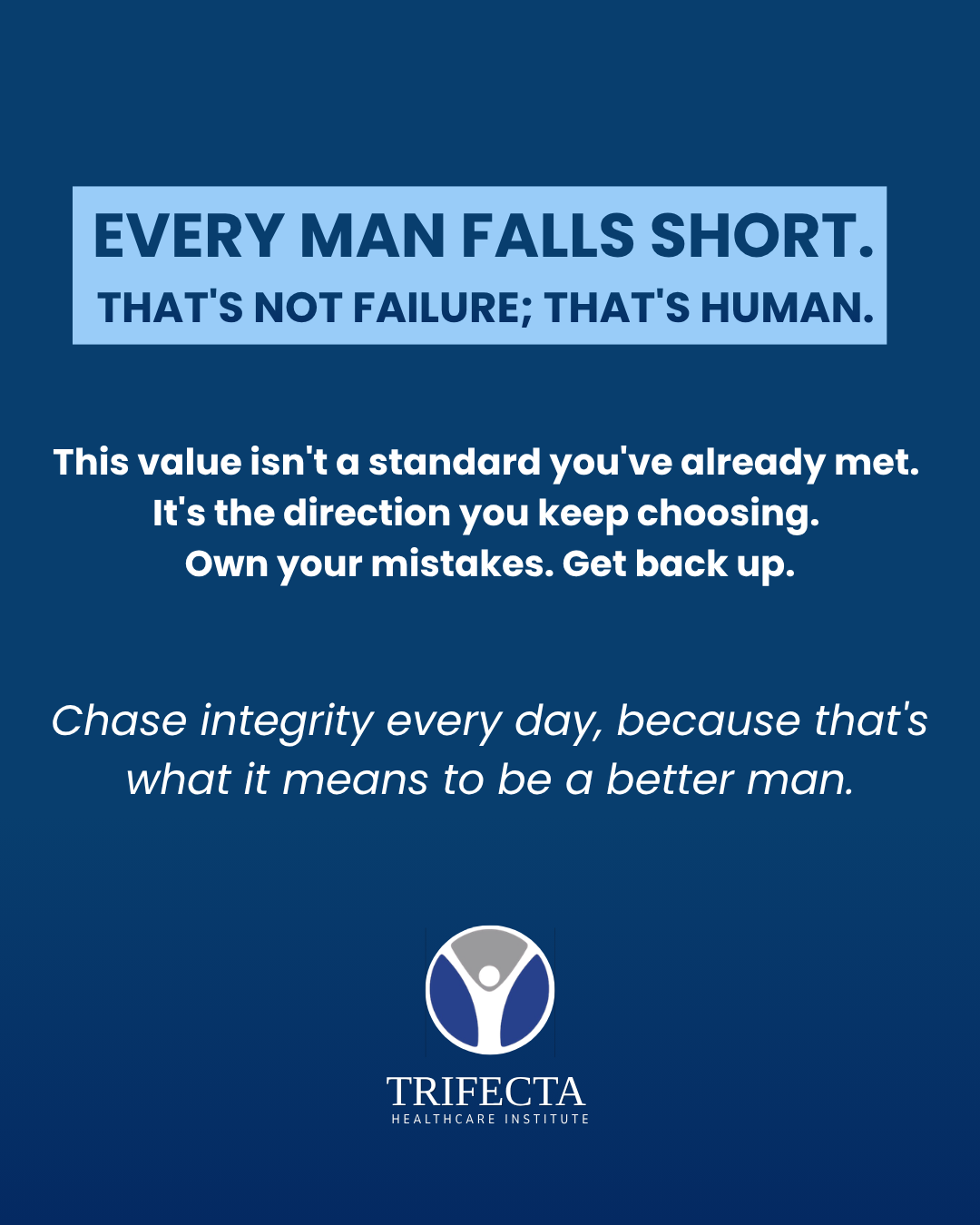
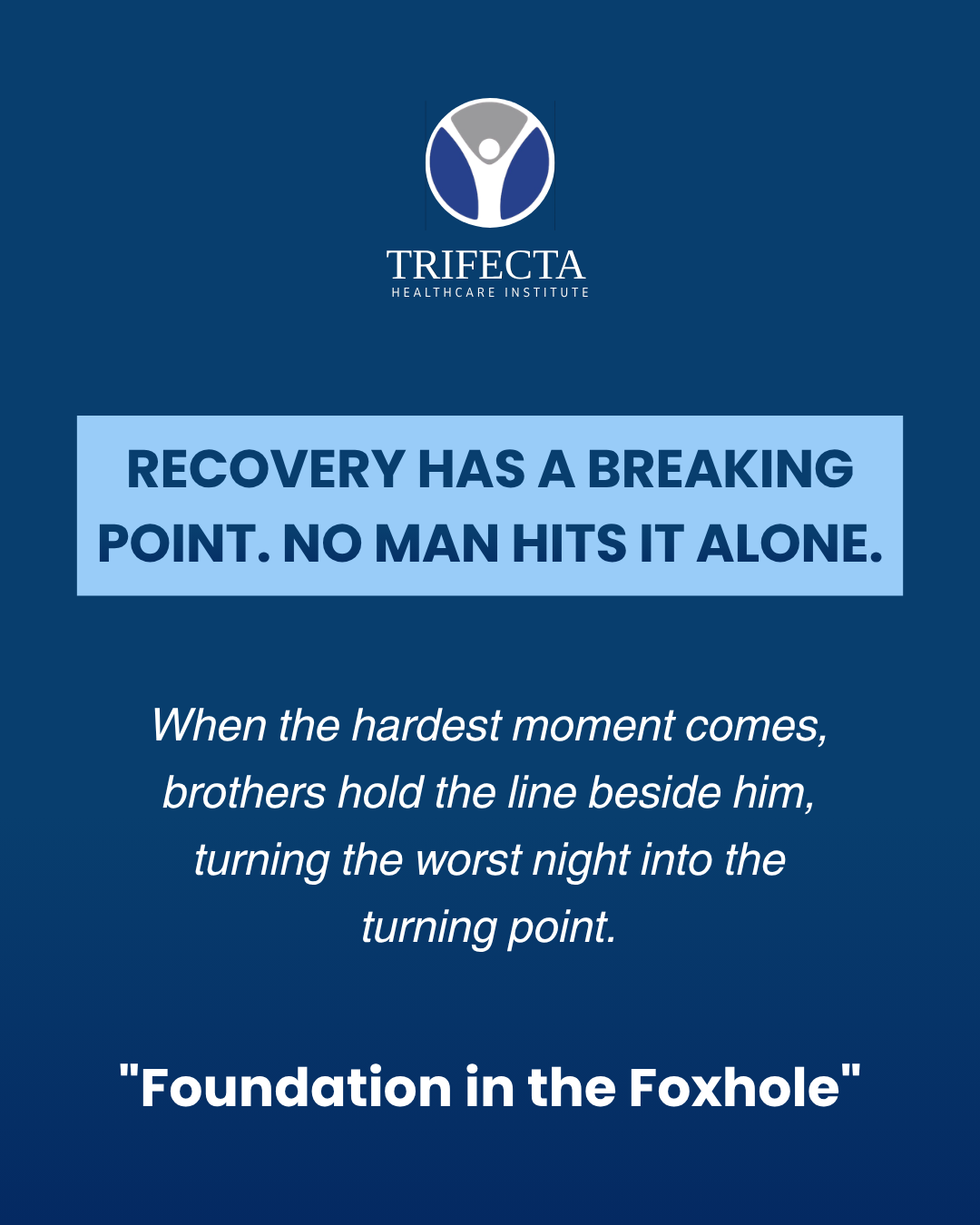
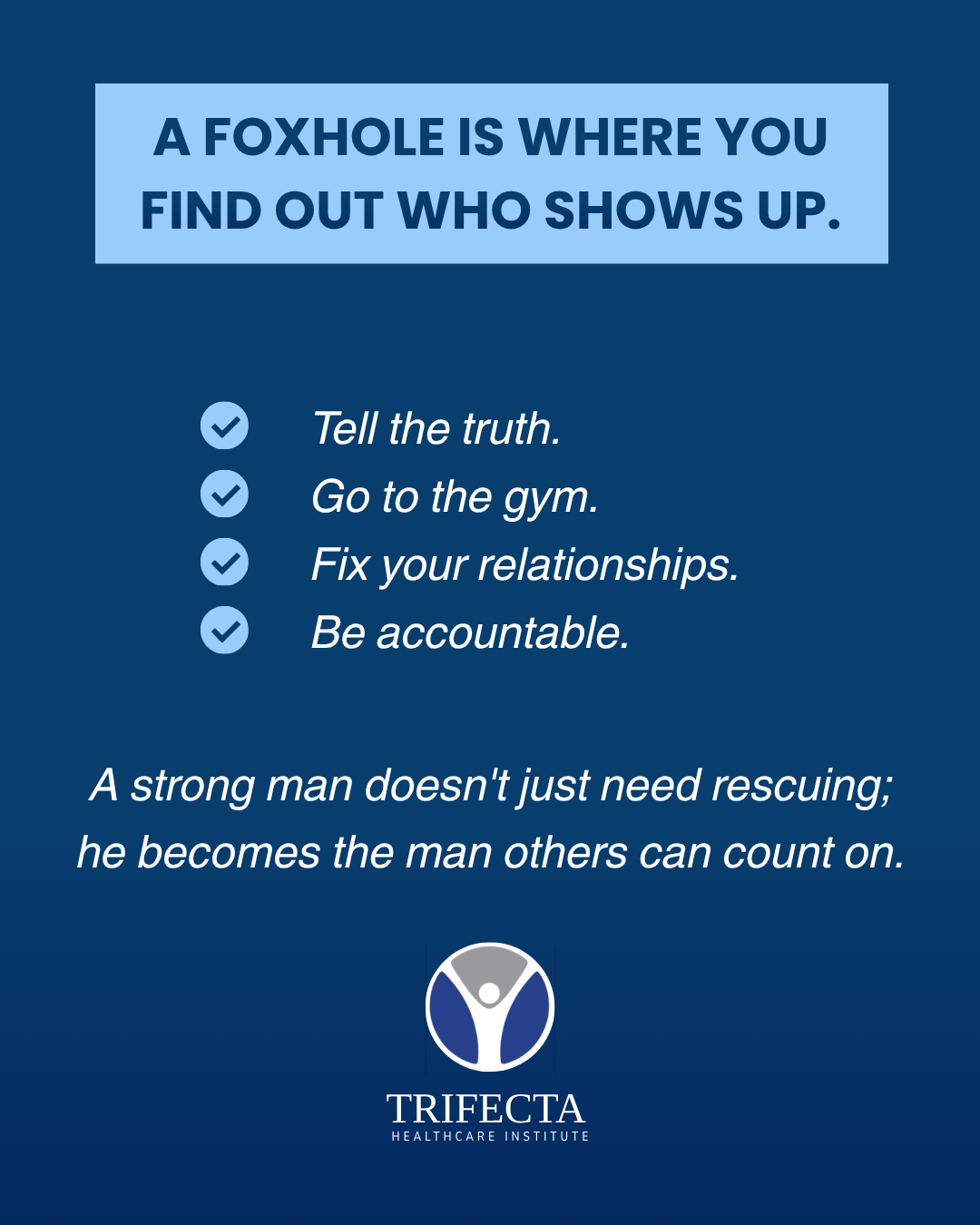
The Core Values That Drive Us




Insurance & Admissions
Benzodiazepine addiction treatment is covered by most major insurance plans under the Mental Health Parity and Addiction Equity Act. Our admissions team verifies benefits quickly, clearly, and at no cost — before you make any decisions.
In-network insurance providers include:
- Blue Cross Blue Shield
- Aetna
- Cigna / Evernorth
- United Healthcare
- Humana
- Ambetter
- Magellan Healthcare
- Tricare East (Humana Military)
- And others — contact us to verify your specific plan

Begin Benzo Addiction Treatment in Nashville or Knoxville
Trifecta Healthcare Institute provides men's-only benzo rehab in Tennessee at two locations, both offering medically supervised tapering, residential treatment, and integrated dual diagnosis care.
Nashville / Spring Hill [1025 Nashville Hwy Columbia TN 38401]
Knoxville [2017 Ailor Ave, Knoxville, TN 37921]
Our admissions process is confidential, non-judgmental, and designed to give you clarity, not pressure. Call us, tell us where you are, and we'll tell you what we can do.
Find your brotherhood of support today.
Frequently Asked Questions About Benzodiazepine Addiction Treatment
Is it dangerous to stop taking benzos suddenly?
Yes — and this is one of the most important safety messages in addiction medicine. Abrupt benzodiazepine cessation can trigger seizures and, in severe cases, can be life-threatening. This is true even for men who have been taking benzos at prescribed doses for an extended period. Medical tapering — a gradual, supervised dose reduction — is the only safe approach.
If you are currently taking benzodiazepines and want to stop, please call us before you do anything on your own.
How long does benzo withdrawal last?
Acute withdrawal symptoms — anxiety, insomnia, tremors, sweating — typically peak within the first week and begin to resolve over 2–4 weeks, depending on the specific benzo and duration of use.
Protracted withdrawal syndrome (PAWS) can extend mood instability, cognitive fog, and sleep disruption for months beyond that. A medically supervised taper significantly reduces the severity and duration of withdrawal compared to abrupt cessation.
Am I addicted, or am I just dependent on my prescription?
Both are valid clinical realities that warrant care. Physical dependence — where your body requires the medication to function normally — can develop without any of the loss-of-control characteristics of addiction. Addiction involves compulsive use despite consequences.
Many men come to us firmly in the dependence category rather than addiction, and they receive exactly the same quality of medical care and support. What you call it matters far less than getting safe help to address it.
What does a benzo taper actually look like?
A taper is an individualized, gradual reduction of your benzodiazepine dose over a period of weeks to months, paced to your specific starting dose, duration of use, and how your body responds.
For men on short-acting benzos like Xanax, we often begin by converting to a longer-acting equivalent like Valium to smooth the process. Adjunct medications manage symptoms along the way. The taper moves at a pace that is medically appropriate — not as fast as willpower alone would push it.
Can long-term benzo use cause permanent cognitive damage?
The cognitive effects of long-term benzodiazepine use — memory problems, slowed processing, difficulty concentrating — are well-documented. For most men, these effects are significantly reversible with sustained abstinence, though full recovery can take a year or more.
Ongoing research suggests that with the right support, the brain's capacity to recalibrate is substantial. This is something we track and support throughout treatment and aftercare.Most major insurance plans cover fentanyl addiction treatment under the Mental Health Parity and Addiction Equity Act.
We are in-network with Blue Cross Blue Shield, Aetna, Cigna, United Healthcare, Humana, and other major carriers. Contact our admissions team for a free, confidential benefits verification.
Does insurance cover benzo addiction treatment in Tennessee?
Most major insurance plans cover benzodiazepine addiction treatment. We are in-network with Blue Cross Blue Shield, Aetna, Cigna, United Healthcare, Humana, and other major carriers. Contact our admissions team for a free, same-day benefits verification — no commitment required.