



How to Vet and Choose a Rehab for Alcoholics Near Me
Learn how to evaluate a rehab for alcoholics near me by checking licensure, accreditation, therapies, medication use, and long-term care quality.
Read More
Learn how to find evening IOP programs near you that fit your work schedule, insurance, and privacy needs for treatment by Trifecta Healthcare Institute.
Start Your Journey NowWritten and reviewed by the clinical team at Trifecta Healthcare Institute, a men’s-only treatment center in Tennessee specializing in substance use, mental health, and dual diagnosis care.
For working professionals managing substance use disorders, staying engaged in treatment while maintaining employment is often the difference between sustained recovery and early relapse. Finding reliable evening IOP programs near me is uniquely designed to support this delicate balance. Flexible scheduling allows you to attend therapy and support groups after standard work hours, removing the need for extended leave or career disruption.
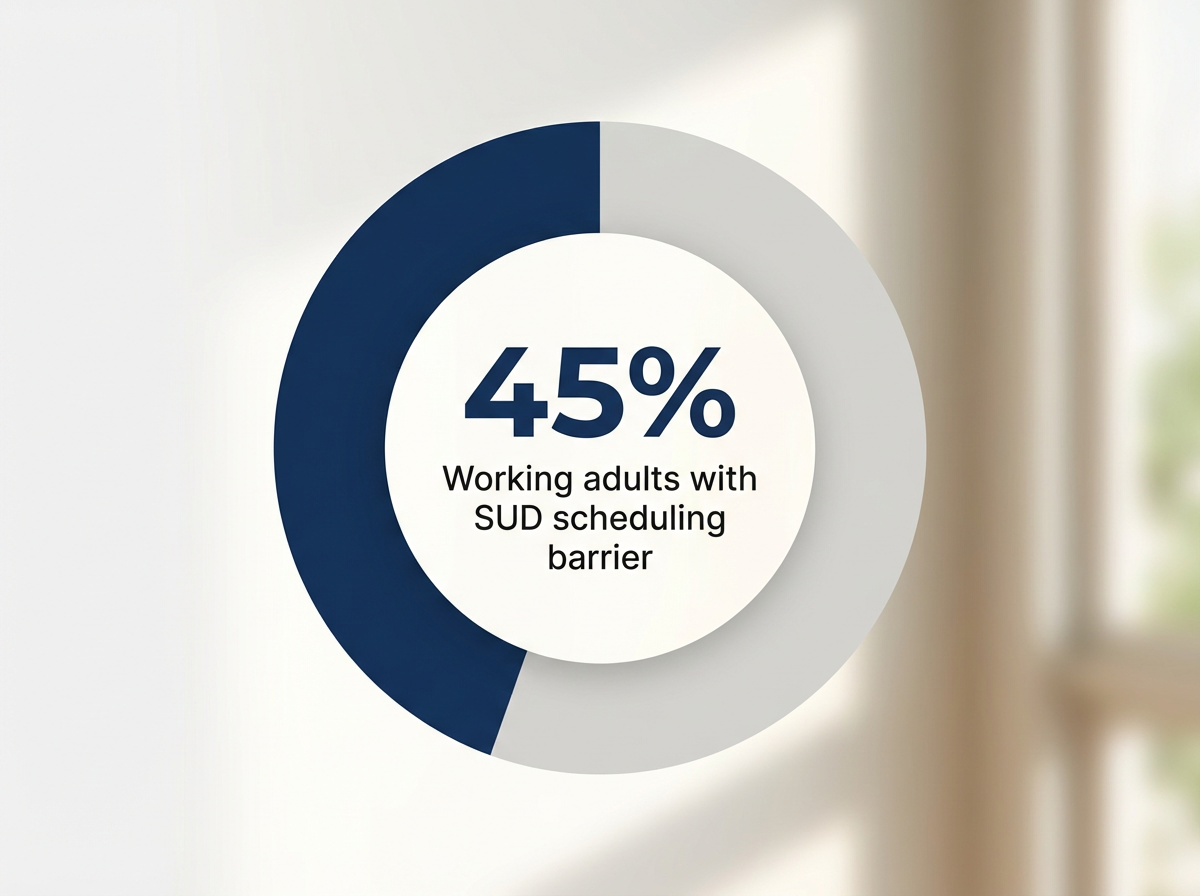
This directly addresses what 45% of working adults with substance use disorders identify as their top barrier to treatment: scheduling conflicts that threaten job security and advancement. The impact of these programs extends beyond mere convenience. Recent research shows that professionals enrolled in flexible-schedule IOPs are 40% more likely to complete their treatment compared to those in traditional daytime programs.1,5
Treatment retention is critical, as higher completion rates are strongly linked to reduced relapse, better mental health, and improved vocational outcomes. Professionals also face unique stressors tied to their workplace roles, which must be addressed during the healing process.
"Workplace stress is a primary relapse trigger for 58% of employed adults in recovery, making occupational integration in treatment essential."3
By preserving daytime work routines and integrating occupational counseling elements, evening IOPs help safeguard both employment and recovery progress. These programs create a reliable structure for those who cannot compromise their career trajectory, offering a path to long-term health and professional fulfillment. Understanding how evening IOPs are tailored to meet clinical quality standards can further clarify their value for working professionals seeking sustainable change.
Clinical standards for evening intensive outpatient programs (IOPs) are grounded in recognized guidelines from organizations such as the American Society of Addiction Medicine (ASAM) and SAMHSA. For working professionals, evening IOPs must meet the same rigorous quality benchmarks as daytime programs. This includes delivering a minimum of 9 hours of structured therapeutic services each week, typically spread across three to five weekday evenings.
These sessions often run from 5:00 PM to 8:00 PM or 9:00 PM, with some programs also providing optional weekend groups to accommodate variable work schedules. Evidence-based modalities such as cognitive-behavioral therapy (CBT), group counseling, and dual-diagnosis psychiatric support are core components. Programs are expected to maintain licensed clinical staff, employ trauma-informed practices, and provide individualized care planning, especially for those managing both substance use and co-occurring mental health concerns.4,9
Recent developments have expanded the definition of clinical quality to include occupational integration—meaning that effective evening IOPs address work-related stressors, provide vocational support, and ensure confidentiality for professional participants. Hybrid models that combine in-person evening sessions with telehealth components are increasingly common, supporting accessibility for professionals with unpredictable work demands.1,3
The table below summarizes the essential clinical standards for quality evening IOPs:
As demand for evening IOP programs near me continues to rise, understanding these clinical benchmarks can help professionals make informed decisions about program suitability. Next, it’s helpful to know how to identify programs with verified evening availability.
The Substance Abuse and Mental Health Services Administration (SAMHSA) Treatment Locator is a trusted resource for professionals seeking evening IOP programs near me that align with demanding work schedules. Using this tool, it is possible to filter for intensive outpatient programs (IOPs) that specifically offer evening sessions—a feature added in response to increased demand from working adults.1
After visiting the SAMHSA Treatment Locator, follow these steps:
These options streamline the search to only those programs operating after typical business hours. According to SAMHSA data, 62% of treatment seekers in 2024 requested evening or weekend programming, underscoring the importance of this feature for working professionals. The locator also displays whether a program integrates occupational health components, which are vital for professionals balancing treatment and career obligations.1
Once you have a shortlist, click into each provider profile to review service descriptions, therapy modalities, and scheduling details. This approach can save considerable time and ensures that the programs you contact are truly equipped to meet the needs of a professional lifestyle. Once a filtered list is created, the next step is verifying the actual operating hours and session times to confirm a practical fit.
After generating a shortlist of evening IOP programs using locator filters, the next step is to confirm each provider’s actual operating hours and session start times. For professionals, even minor differences in session scheduling can determine whether a program truly fits around existing work obligations. Begin by reviewing each provider’s website, where most reputable programs post weekly calendars or downloadable schedules.
Look for clear details such as start and end times, frequency of sessions, and whether programming includes optional weekend or hybrid telehealth offerings. Since state licensing boards in the Southeast have recently expanded IOP certifications to permit extended evening sessions—often running as late as 10:00 PM—some programs now offer more flexibility than in previous years.4
If scheduling details are unclear or missing online, reach out directly to program intake coordinators by phone or email. Ask specific questions about session start times, how late groups run, and the availability of make-up sessions for professionals with unpredictable hours. According to industry research, 67% of working adults seeking treatment say that confirmed, reliable scheduling is a primary factor in selecting an evening IOP.2
When comparing options, use the table below to structure your verification process:
Once you’ve clarified hours and session formats, you’ll be ready to assess how each program’s structure integrates with your weekly work commitments.
Between facility size limits, waivers, and state-by-state rules, figuring out your Medicaid or private insurance benefits can feel like its own full-time job. Our admissions team will verify your coverage in minutes and walk you through exactly what's available — no guesswork required.
Verify Insurance Benefits →No commitment required. Confidential & HIPAA-protected.
When evaluating evening IOP programs near me, it is essential to understand the weekly hour requirements and how these programs are structured for professionals with demanding schedules. Most evening intensive outpatient programs require a commitment of 9 to 20 treatment hours per week, usually divided into three to five sessions held on weekday evenings.
This model is specifically designed to support working adults, allowing them to complete a full clinical schedule without having to step away from career obligations during the workday. Research shows that IOPs which align session times with typical work schedules—usually starting at 5:00 PM or 6:00 PM—help professionals maintain both employment and treatment engagement.9
Programs that offer predictable, after-hours schedules reduce stress and logistical conflicts, which is critical since 45% of working adults with substance use disorders say that scheduling is their main barrier to accessing care. Some providers also incorporate occasional weekend sessions or allow limited flexibility for makeup sessions, further supporting those with variable or extended work responsibilities.5
A well-structured evening IOP should also integrate occupational considerations into treatment planning. This means clinical teams factor in a client’s work demands, commute times, and the need for private or confidential attendance. When work and treatment schedules fit well together, research indicates a 40% higher treatment completion rate among professionals compared to those in traditional, less flexible programs. After confirming the weekly hour requirements and session timing, the next step is to examine whether hybrid or telehealth components could further increase program accessibility.1
Hybrid evening IOP models, which combine in-person sessions with telehealth components, have gained traction among working professionals who need maximum flexibility. These programs allow participants to attend some therapy groups and individual sessions remotely, reducing time spent commuting and offering adaptability for those with unpredictable schedules.
For professionals balancing high-responsibility roles, access to virtual programming means missing fewer appointments and maintaining consistent engagement, even when work travel or late meetings arise. Telehealth integration also broadens access to specialty therapies, such as trauma-informed care or dual-diagnosis support, by connecting participants with clinicians outside their immediate geographic area.
According to industry data, the adoption of hybrid IOP formats increased sharply in the past two years—driven by workforce demand and the need to address persistent scheduling barriers. In fact, a 31% year-over-year rise in inquiries for flexible, evening-based treatment options was reported in 2024, reflecting the value professionals place on virtual access.1
It’s important for professionals to confirm how each program balances in-person and remote sessions. Some offer specific days for telehealth, while others let participants choose week by week. The table below outlines key features:
After considering hybrid options, take time to review how each evening IOP program ensures privacy and accommodates workplace discretion.
The Americans with Disabilities Act (ADA) protects professionals seeking treatment for substance use disorders, including those participating in evening IOP programs near me. Under the ADA, employers must provide reasonable accommodations for employees in active recovery, as long as these adjustments do not create undue hardship for business operations.
One common accommodation is flexible scheduling—allowing professionals to attend evening treatment sessions without penalty or risk to their employment status. Other examples can include temporary workload adjustments, modified shift times, or permission to use accrued leave for treatment-related needs. Recent Department of Labor guidance clarifies that flexible scheduling to support evening IOP participation is recognized as a reasonable accommodation in most workplace settings.8
Importantly, ADA protections only apply when an employee is actively engaged in treatment and not currently misusing substances at work. This legal framework reassures professionals that pursuing structured care, such as intensive outpatient therapy in the evenings, can be integrated into their careers without requiring disclosure of sensitive medical details beyond what is strictly necessary for accommodation requests.
The table below summarizes ADA rights and employer obligations:
Understanding these workplace protections helps professionals confidently pursue evening IOP programs near me. Next, it’s important to address how privacy is maintained throughout the treatment process.
Protecting professional privacy is a top concern for those participating in evening IOP programs near me. Confidentiality in substance use treatment is governed by federal regulations such as HIPAA and 42 CFR Part 2, which require strict safeguards on personal health information. These laws ensure that details about participation in intensive outpatient care are disclosed only with explicit written consent, except in rare circumstances mandated by law.
Most evening IOPs reinforce this protection with clear privacy protocols, including secure record-keeping, private group spaces, and the use of first names only during sessions to limit identification among peers. For professionals, discretion is especially important. Many programs offer flexible communication channels—such as secure client portals or after-hours phone lines—to prevent work contacts from inadvertently learning about treatment involvement.
Some IOPs also provide formal documentation for workplace accommodation requests, but these notes typically reference a "medical appointment" without specifying the nature of the care, aligning with best practices for privacy preservation.4
The table below highlights core privacy measures found in reputable evening IOPs:
With these protections in place, professionals can engage in evening IOP programs near me with added confidence. The next section addresses how evening IOPs are designed to fit the unique routines and pressures of professional lifestyles.
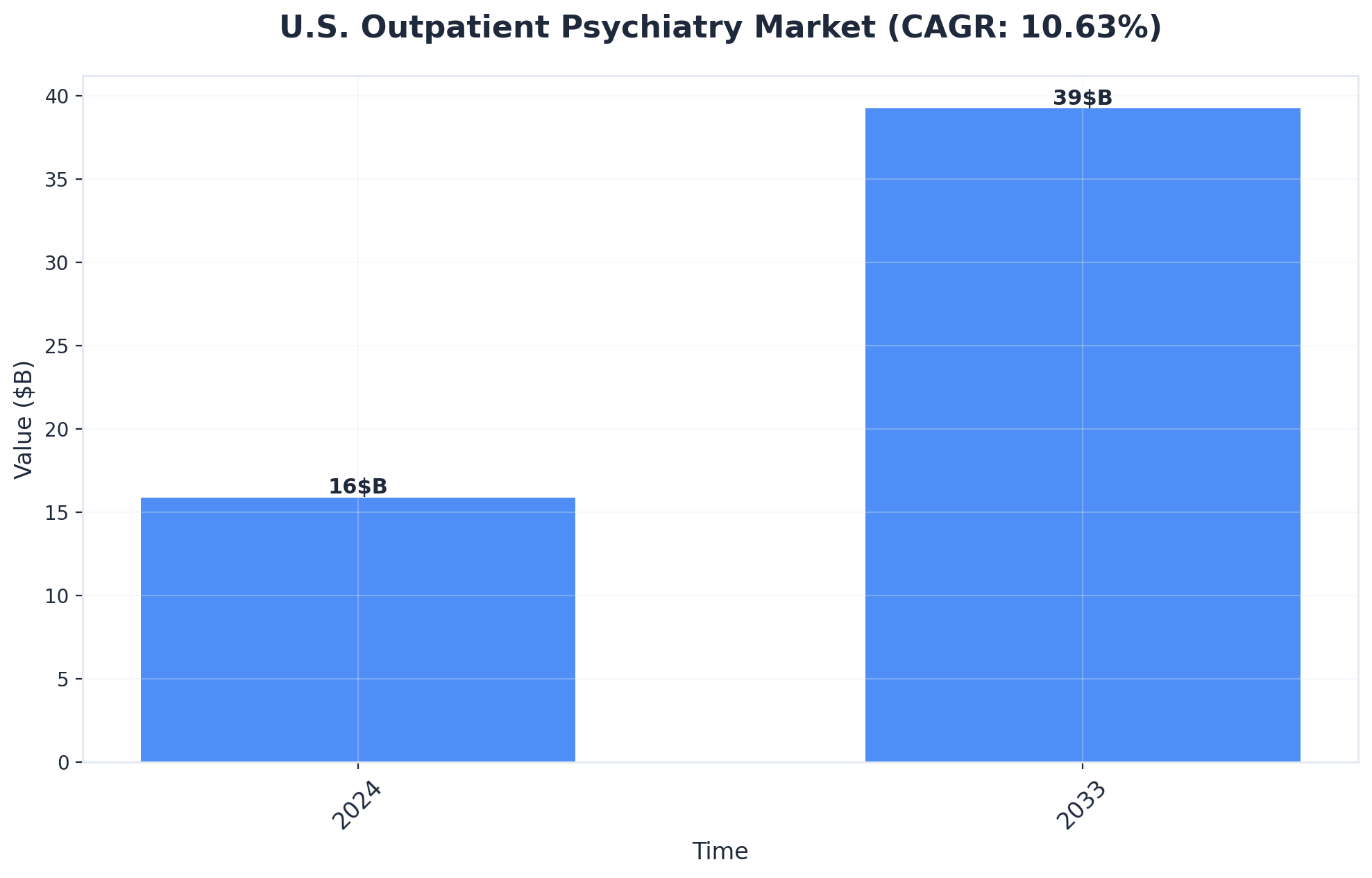
Professional responsibilities don't pause for recovery, which is why Trifecta Healthcare Institute's evening intensive outpatient programs offer a practical solution for men managing demanding careers alongside treatment needs. As a premier Nashville rehab and Knoxville rehab for men, our evening IOPs run from late afternoon through evening hours, allowing participants to maintain their work commitments while accessing comprehensive substance use disorder treatment.
Trifecta's programs deliver evidence-based therapeutic interventions—including CBT, DBT, trauma-informed care, and group therapy—structured around professional schedules. It is important to note that Trifecta does not offer primary mental healthcare; we specialize exclusively in co-occurring mental health treatment alongside SUD support. What distinguishes our approach is our movement-based recovery programming that integrates boxing, jiu-jitsu, ice baths, and outdoor activities as therapeutic tools for neurochemical restoration.
This format proves particularly effective for men in leadership roles, those managing teams, or professionals whose presence during business hours remains essential. The evening structure preserves career momentum while addressing addiction through consistent, intensive support grounded in Trifecta's brotherhood philosophy. The peer dynamic in our evening programs creates a brotherhood of accountability among professionals navigating similar challenges.
Participants engage in individual therapy, psychiatric support when needed, and skill-building sessions focused on maintaining sobriety while managing high-pressure environments. The integration of movement-based activities and biohacking approaches like ice baths recognizes that physical restoration supports neurochemical balance during recovery. This scheduling flexibility removes a significant barrier to treatment, enabling men to pursue recovery without sacrificing professional identity or financial stability during the healing process.
When you or someone you love are ready to begin healing—mind, body, and spirit—connect with Trifecta Healthcare Institute. We help men thrive in and out of treatment.
If your work schedule changes during evening IOP treatment, most programs can adapt to help you stay engaged. Evening IOP programs near me often offer flexible scheduling, including make-up sessions, hybrid telehealth options, or even weekend groups to accommodate unpredictable work demands. Program staff typically encourage early and open communication about any new conflicts so they can collaborate on a revised attendance plan. According to national data, 67% of working professionals seeking IOPs identify schedule flexibility as a key factor in successful treatment retention. This adaptability supports ongoing participation and reduces the risk of relapse or career disruption, even as your work hours shift.1,2
Insurance reimbursement rates for evening IOP programs can differ from those for daytime programs, depending on the insurer and state regulations. Some commercial insurance plans reimburse both evening and daytime IOPs at the same rate, considering the clinical intensity and service hours as equivalent. However, industry data shows that a subset of insurers may apply lower reimbursement rates to evening IOPs, citing perceived differences in staffing costs or service structure, which can create equity issues for working professionals who rely on evening access. It is essential for professionals to confirm coverage details with their insurer before enrollment in evening IOP programs near me, as policies and reimbursement rules can change by provider and geographic region.3
Evening IOP programs near me are structured to support professionals through high-risk periods for relapse, including early mornings. While evening sessions do not provide direct support during morning hours, these programs equip participants with coping skills, structured routines, and peer accountability that extend beyond group meetings. Evidence from JAMA Psychiatry shows evening IOP cohorts achieve 38% higher 6-month abstinence rates compared to controls, indicating that evening-based support can have lasting effects throughout the day. Some IOPs also offer crisis phone lines or digital check-ins to help manage morning cravings. The integration of relapse prevention planning in evening sessions is key to maintaining stability during vulnerable windows.6
An optimal buffer time between ending work and starting evening IOP sessions is generally 30 to 60 minutes, according to clinical recommendations and recent research on professional-centered treatment scheduling. This window allows professionals to decompress after work, transition mentally from occupational demands, and address any immediate personal needs before engaging in therapy. Studies suggest that too short a gap—less than 20 minutes—can contribute to cognitive overload and reduced engagement during group sessions, while a longer buffer helps professionals arrive more focused and receptive. Many evening IOP programs near me schedule sessions to start at 6:00 or 6:30 PM for this reason, accommodating typical workday end times and commute patterns. If possible, professionals are encouraged to use this buffer for a brief walk, light meal, or mindfulness exercise to maximize therapeutic benefits.2
Hybrid IOP models for professionals balance in-person and telehealth sessions by offering a structured mix designed around demanding work schedules. Most programs set core group therapy or skill-building sessions in person during evening hours, while allowing participants to attend certain groups or individual appointments remotely as needed. This flexibility is especially helpful for those with late meetings, business travel, or unpredictable work demands. Studies show that the adoption of hybrid evening IOP formats increased by 31% in 2024, reflecting the high value professionals place on having virtual options that reduce commute time and increase attendance rates. Clear communication about which sessions are required in person and which can be attended remotely helps maintain both clinical quality and work-life balance. Hybrid evening IOP programs near me are now considered a best practice for working professionals.1
Professional-centered evening IOP programs should integrate occupational counseling components that address the unique pressures and needs of working professionals. Essential elements include stress management training tailored to workplace triggers, guidance on communicating with employers about accommodations, and support for navigating work-life balance during recovery. Programs benefit from offering vocational goal setting, relapse prevention strategies focused on job-related stress, and skill-building for managing workplace relationships. According to APA guidelines, occupational health advocacy and confidential support groups for professionals are now recommended best practices in flexible-schedule IOPs. Evening IOP programs near me that prioritize these components help professionals sustain both recovery and career advancement.3
Many evening IOP programs near me do offer weekend sessions as a way to supplement weeknight programming, especially for professionals with unpredictable work demands. These weekend groups provide added flexibility and help ensure participants can meet their weekly treatment hour requirements, even if a work emergency or late meeting interferes with weekday attendance. According to recent Healthline coverage, optional Saturday or Sunday sessions are increasingly available in IOPs certified across the Southeast, reflecting the needs of the working professional demographic. When researching programs, it is important to verify whether weekend options are included and if they are offered in-person, via telehealth, or both. This added flexibility can be crucial for maintaining consistent engagement and supporting sustainable recovery.9
Whether it's you or someone you love, our team can help you figure out the next step — what treatment looks like, what's covered, or just someone to talk to.
Talk to Our TeamConfidential. No commitment required.



July 30, 2026